 Bitcoin
  Ethereum
  Tether
  BNB
BNB  XRP
XRP  USDC
USDC  Solana
  TRON
TRON  Lido Staked Ether
  Figure Heloc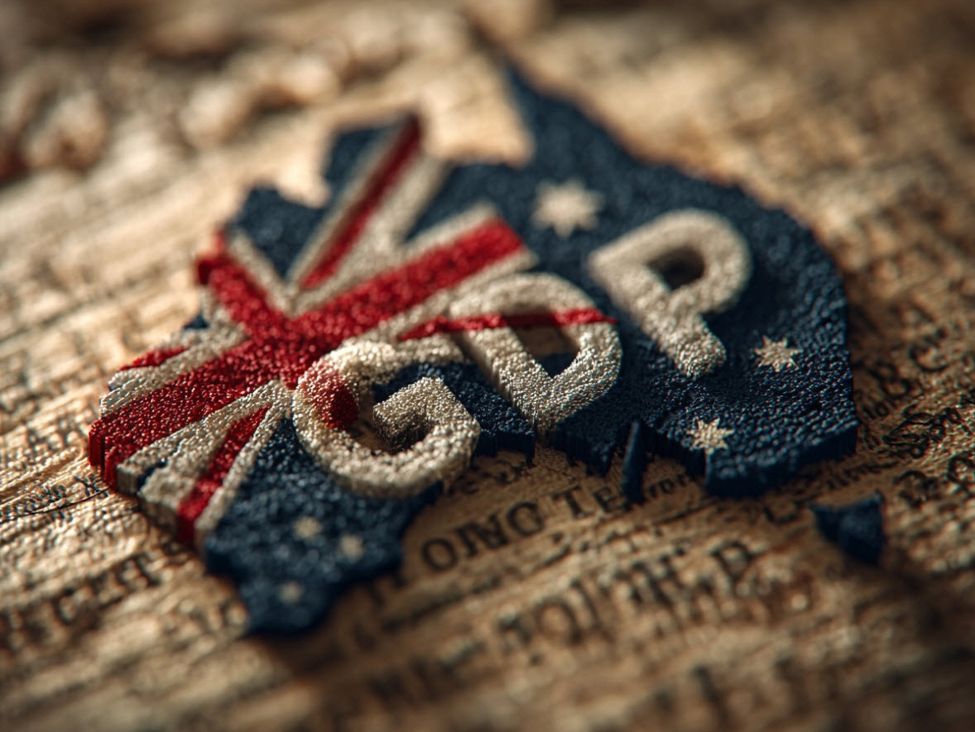
Australia’s net trade will subtract ~0.8ppt from Q1 GDP as data centre and fuel imports surged and commodity exports fell, with government spending flat and the current account deficit wider than forecast. Earlier:Australia widening current account deficit, inventory draw to weigh on Q1 GDPRBA’s hawkish Harper hints herald hikeSummary points:Net exports will subtract 0.8 percentage points from Q1 GDP, worse than the 0.5 point drag forecast, as trade in goods and services fell into deficit for the first time since December quarter 2017Imports of data centre equipment hit historic highs, driven by bulk AI server rack purchases for infrastructure build-out in New South Wales and Victoria, alongside a surge in fuel imports; mining commodity exports fellThe current account deficit widened to A$27.1 billion in Q1, from a revised A$23.0 billion the prior quarter, well above forecasts of A$23.2 billionGovernment spending was flat in Q1, with operational spending down 0.2% to A$159.3 billion and public fixed asset investment up 0.9% to A$38.9 billion; net contribution to GDP was zeroInventories are expected to add 0.2 percentage points to growth, providing partial offset; Q1 GDP forecasts centre on a 0.5% quarterly rise, slowing from 0.8% the prior quarterThe RBA has raised rates three times this year to 4.35%, fully reversing last year’s easing; it forecasts growth slowing to 1.9% by Q2 and 1.3% by year-endAustralia’s economy enters Wednesday’s first-quarter GDP release carrying more drag than analysts had anticipated, with net trade set to subtract 0.8 percentage points from growth and government spending contributing nothing, leaving the headline figure heavily dependent on household consumption and business investment to avoid a sharp disappointment.Data from the Australian Bureau of Statistics confirmed the current account deficit widened to A$27.1 billion in the March quarter, from a revised A$23.0 billion previously, well beyond forecasts of A$23.2 billion. Trade in goods and services fell into deficit for the first time since the December quarter of 2017, as mining commodity exports declined and imports surged on two fronts: fuel, reflecting the global energy shock from the Hormuz closure, and data centre equipment, where imports hit historic highs driven by bulk purchases of AI server racks for infrastructure projects in New South Wales and Victoria.Government spending offered no relief. Operational expenditure edged down 0.2% in the quarter to an inflation-adjusted A$159.3 billion, while public fixed asset investment rose 0.9% to A$38.9 billion. The net contribution to GDP was zero, ending a run of strong outcomes from the public sector.Inventories are expected to add 0.2 percentage points, providing only partial offset. Forecasts centre on a quarterly rise of 0.5%, slowing from the 0.8% gain recorded the prior quarter, with annual growth seen around 2.6%.The broader backdrop is one of deliberate cooling. The Reserve Bank of Australia has delivered three rate increases this year, in February, March and May, returning the cash rate to 4.35% and fully reversing the prior easing cycle. Early signs suggest the tightening is beginning to bite: household consumption fell in April, home prices have flatlined, and unemployment has started to drift higher. The RBA projects growth slowing to 1.9% by the second quarter and 1.3% by year-end as the combined weight of policy tightening and the energy shock filters through. Forecast for GDP due tomorrow may be revised. Stay tuned. —The GDP print due Wednesday is shaping up as a soft one, with net trade subtracting 0.8 percentage points, well beyond the 0.5 points forecast, and government spending contributing nothing. Inventories adding 0.2 points provides only partial offset, leaving household consumption and business investment to carry the quarter. The RBA’s three rate hikes this year to 4.35% are already showing up in softer household spending, flat home prices and a drifting unemployment rate, and the bank’s own forecasts see growth decelerating sharply to 1.3% by year-end. For the AUD, a weaker-than-expected GDP print Wednesday would add to existing downward pressure from the global energy shock.
This article was written by Eamonn Sheridan at investinglive.com.
💡 DMK Insight
Australia’s widening current account deficit is a red flag for traders watching GDP trends. The projected 0.8 percentage point hit to Q1 GDP from increased imports and declining commodity exports signals potential economic weakness. With government spending stagnant, this paints a concerning picture for the Australian economy. Traders should keep an eye on the Reserve Bank of Australia’s (RBA) response, especially after hawkish hints from officials like Harper. If the RBA raises rates to combat inflation, it could lead to volatility in the AUD/USD pair. Look for key technical levels around recent support and resistance zones, as a rate hike could strengthen the AUD temporarily, but the underlying economic data suggests caution. Additionally, monitor commodity prices, as further declines could exacerbate the current account deficit and impact the AUD negatively. In the broader context, this situation could ripple through related markets, particularly those tied to commodities and energy. If the trend continues, it could lead to a bearish sentiment in the Australian dollar, especially against stronger currencies like the USD. Watch for any updates on trade balances and commodity prices in the coming weeks to gauge the potential impact on the AUD.
📮 Takeaway
Keep an eye on the AUD/USD pair; a rate hike from the RBA could provide short-term strength, but the widening current account deficit suggests longer-term weakness.