 Bitcoin
  Ethereum
  Tether
  BNB
BNB  XRP
XRP  USDC
USDC  Solana
  TRON
TRON  Lido Staked Ether
  Figure Heloc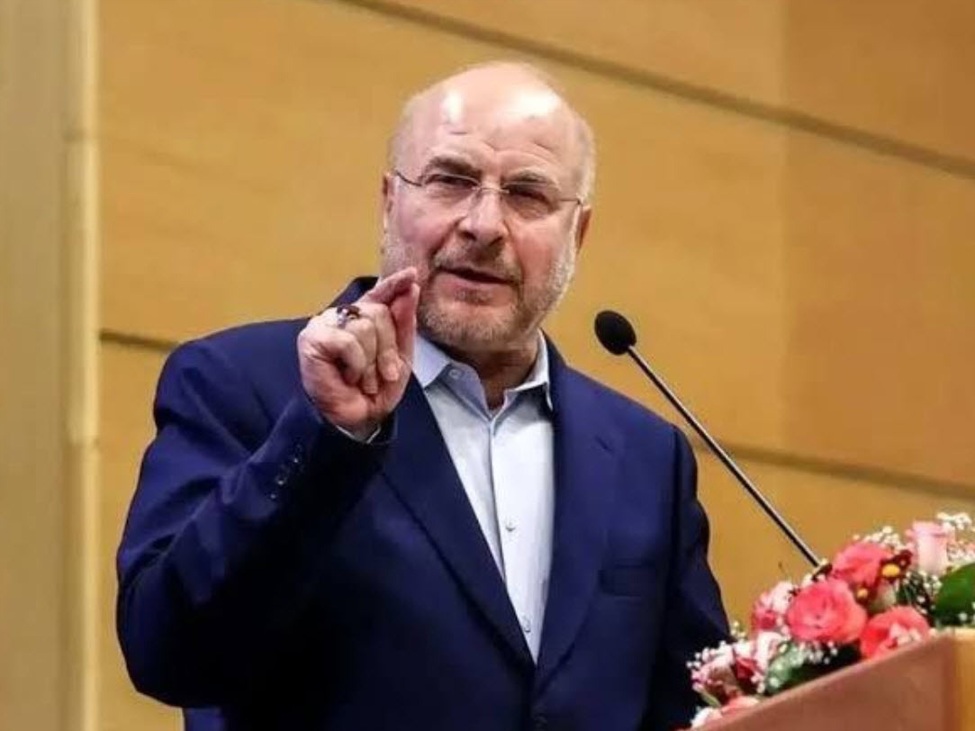
We gain concessions not with talks, but with missilesWe have no trust in guarantees or wordsOnly actions are the measureNo action will be taken before the other side actsThe winner of any agreement is the one who is better prepared for war from the day afterIran’s chief negotiator and parliament speaker, Mohammad Bagher Ghalibaf, explicitly stated that Iran gains concessions not with talks, but with missiles, while emphasizing that Iran places little faith in diplomatic guarantees or verbal commitments.The remarks come amid ongoing diplomatic efforts between Iran and the United States, where negotiations have been complicated by deep mistrust, escalations in the Strait of Hormuz, and disagreements over sanctions, security arrangements, and Iran’s strategic capabilities. Ghalibaf has repeatedly argued that Washington has failed to rebuild Iranian trust despite multiple rounds of talks.According to Ghalibaf, negotiations are not viewed as a process built on confidence or goodwill, but as an arena where power determines outcomes. His statement that “only actions are the measure” reflects a longstanding principle within Iran’s revolutionary establishment: military leverage and demonstrated capability carry more weight than diplomatic assurances.The comment that “no action will be taken before the other side acts” also signals Tehran’s insistence on reciprocity. Iranian officials have increasingly argued that previous agreements failed because Iran made concessions in advance while waiting for promises from US to be fulfilled. Under this framework, any future deal would require tangible steps by the opposing side before Iran responds in kind.Perhaps the most significant part of Ghalibaf’s remarks was his assertion that “the winner of any agreement is the one who is better prepared for war from the day after.” The statement underscores a security-first mindset that continues to shape Iran’s strategic calculations. Rather than viewing diplomacy as an alternative to conflict, the doctrine suggests that negotiations are effective only when backed by credible military deterrence.
This article was written by Giuseppe Dellamotta at investinglive.com.
💡 DMK Insight
The recent statements from Iran’s chief negotiator highlight a stark reality: geopolitical tensions are escalating, and this could have significant implications for global markets, especially oil and currencies. Traders should be acutely aware that rhetoric around military preparedness can lead to volatility in oil prices, which are already sensitive to geopolitical events. If tensions rise, we could see a spike in crude oil prices, affecting not just energy stocks but also currencies of oil-exporting nations. Look for key resistance levels in oil futures; a breach could trigger a wave of speculative buying. Additionally, keep an eye on the USD as safe-haven demand might increase, impacting forex pairs like USD/JPY. On the flip side, if diplomatic efforts somehow yield unexpected results, we could see a sharp reversal in these trends. But right now, the focus should be on monitoring military developments and their potential market impacts. Watch for any significant news over the coming weeks that could shift the current narrative.
📮 Takeaway
Traders should monitor oil prices closely for potential spikes due to rising geopolitical tensions, especially if key resistance levels are breached.