 Bitcoin
  Ethereum
  Tether
  BNB
BNB  XRP
XRP  USDC
USDC  Solana
  TRON
TRON  Lido Staked Ether
  Figure Heloc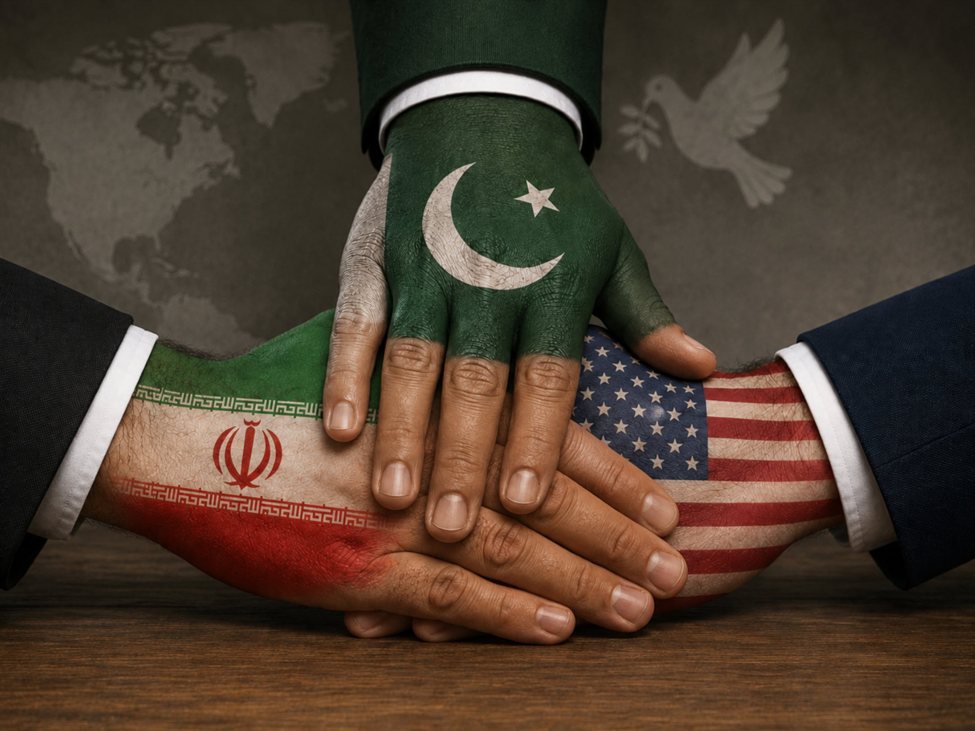
No agreement has been finalised with the United States so farThe management of the Strait of Hormuz must be decided by Iran and OmanAt this stage, we are focused on ending the war; we are not negotiating over Iran’s nuclear programIran’s Foreign Ministry spokesperson Esmaeil Baghaei said no final agreement has yet been reached with the United States, pushing back against growing speculation that Washington and Tehran are on the verge of formalizing a broader understanding over nuclear-related issues.Baghaei emphasized that discussions remain ongoing and that reports suggesting a finalized deal are premature. Iranian officials have repeatedly stated in recent days that while conclusions have been reached on parts of a potential memorandum of understanding, significant issues remain outstanding.Baghaei also rejected suggestions that the United States should have a role in determining the future management of the Strait of Hormuz.The remarks come after a series of statements from US officials and President Trump regarding the reopening of the strait and broader negotiations aimed at stabilizing the region. Baghaei’s comments suggest Tehran is seeking to frame the issue as a regional matter to be handled by the countries directly bordering the strait rather than through arrangements dictated by the US. Iranian officials have previously argued that security in the Persian Gulf and the Strait of Hormuz should be managed by regional states.Perhaps most notably, Baghaei indicated that Iran is not currently engaged in negotiations over its nuclear program, despite repeated statements from US officials linking any future agreement to restrictions on Iranian nuclear activities.The statement highlights a continuing gap between the priorities publicly outlined by Tehran and those emphasized by Washington. US officials have consistently described Iran’s nuclear activities, uranium enrichment levels, and stockpile management as central components of any long-term agreement.Iran, however, has repeatedly maintained that current discussions are primarily centered on ending the conflict and securing broader regional understandings before moving to more contentious issues such as sanctions relief and nuclear restrictions.
This article was written by Giuseppe Dellamotta at investinglive.com.
💡 DMK Insight
The lack of a finalized agreement regarding the Strait of Hormuz is a significant concern for traders, especially in the oil market. This region is a critical chokepoint for global oil supply, and any instability can lead to price spikes. With ongoing tensions and no negotiations on Iran’s nuclear program, traders should brace for potential volatility in crude oil prices. Look, if Iran and Oman can’t reach a consensus, we might see disruptions that could push oil prices higher. Traders should keep an eye on Brent crude futures, particularly if we see any geopolitical escalations. Additionally, watch for reactions from major oil producers and how they might adjust their output in response to these developments. The real story is that while the focus is on ending the war, the implications for energy markets could be profound. In the short term, monitor any news from the region closely, as it could trigger rapid price movements. A break above key resistance levels in oil could signal a bullish trend, while any signs of de-escalation might provide a short-term bearish outlook.
📮 Takeaway
Watch for news from Iran and Oman regarding the Strait of Hormuz; any instability could spike oil prices significantly.