
 Bitcoin
  Ethereum
  Tether
  BNB
BNB  XRP
XRP  USDC
USDC  Solana
  TRON
TRON  Lido Staked Ether
  Figure Heloc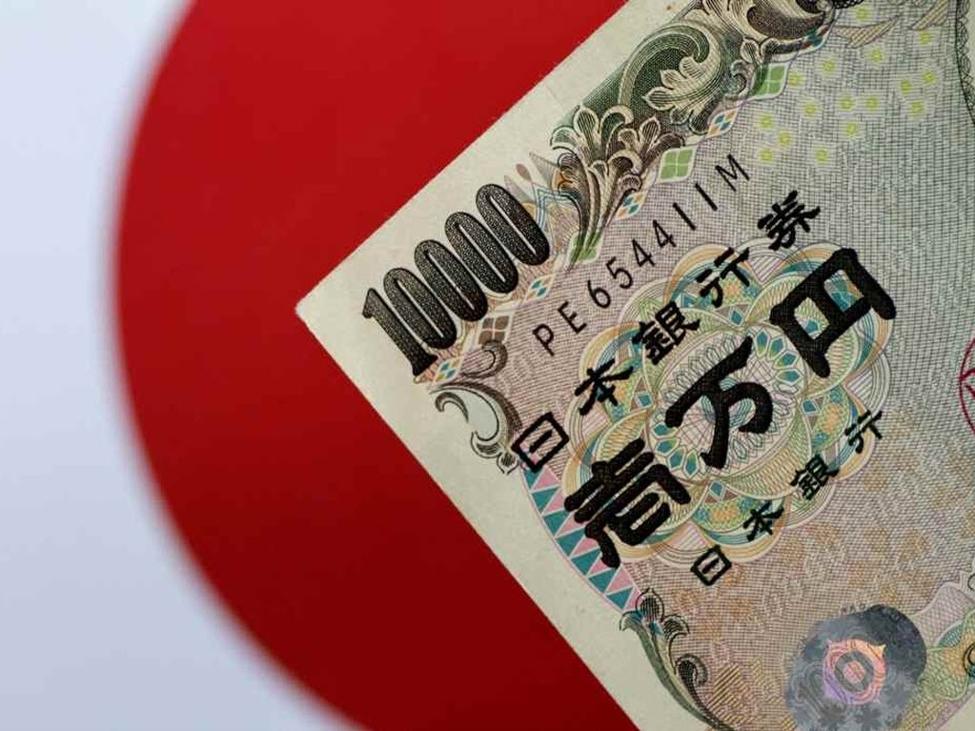
That’s a whopping figure as it is roughly equivalent to $73.4 billion in dollar terms. When compared with the previous intervention moves in 2022 and 2024, the size of this one beats out any of the singular period during those years. The total spent on interventions in 2024 is still more, with that being roughly $98 billion. However, that is spread out across April to May and also July during that year.So far, this roughly $73 billion is coming during the course of just a week from the end of April to early May. The chart below points out when those likely points took place:Since then, USD/JPY has almost completely erased the point of the first intervention move back in late April. For now though, traders are still at least reserving caution in not wanting to incur the wrath of Tokyo officials near the 160.00 level. So, there is still some level of respect there.But considering the amount spent by Japan’s ministry of finance, it definitely meant that they did not go easy with regards to the latest intervention move. The fact of the situation is just that the timing is rather poor and that is allowing for markets to push back harder.The first point is that all the fundamental factors since the US-Iran conflict began have been overwhelmingly negative for the yen currency. The second is that the intervention timing was arguably not the best as they did it during a holiday period for Japanese markets in early May.As mentioned at the time:”It might sound counter-intuitive to not want to act during low liquidity periods, but there’s a certain nuance to it. The main thing about intervention isn’t so much so as the money but more so about the signaling. You want enough players in the market to get that signal and amplify it, so as to get the idea that “we shouldn’t mess with the MOF/BOJ”. Otherwise, that signal can get lost in translation if there isn’t enough liquidity follow through. And at the end of the day, it might just be passed off as more noise than an actual leading signal to traders.”
This article was written by Justin Low at investinglive.com.
💡 DMK Insight
So, a $73.4 billion intervention is no small potatoes, and here’s why it matters: this is the largest single intervention we’ve seen compared to previous years. Traders need to recognize that such a massive influx can significantly influence market liquidity and volatility, especially in forex markets where currency pairs are sensitive to central bank actions. This intervention could lead to a short-term strengthening of the currency involved, but it also raises questions about the long-term sustainability of such measures. If traders are holding positions based on the assumption that this intervention will stabilize the market, they might want to reconsider as historical precedents show that large interventions can lead to increased volatility in the aftermath. Keep an eye on related assets, particularly those tied to the currency in question, as they may react sharply. Watch for key price levels that could indicate market sentiment shifts—if the currency strengthens initially but then reverses, that could signal a potential sell-off. The next few weeks will be critical as traders digest this news and adjust their strategies accordingly.
📮 Takeaway
Monitor the currency’s reaction to the $73.4 billion intervention; key levels to watch will emerge in the coming weeks.