
 Bitcoin
  Ethereum
  Tether
  BNB
BNB  USDC
USDC  XRP
XRP  Solana
  TRON
TRON  Lido Staked Ether
  Figure Heloc
Radiant says its frontend and smart contracts will remain accessible and users will still be able to withdraw, repay, and manage their positions. 🔗 Source 💡 DMK Insight Radiant’s commitment to keeping its frontend and smart contracts operational is crucial right now. This move reassures users amid market volatility, allowing them to manage positions without disruption. For traders, this stability can be a signal to reassess their strategies, especially if they were considering exiting positions due to uncertainty. The ability to withdraw and repay means liquidity remains intact, which is vital in a fluctuating market. However, it’s worth noting that while Radiant’s infrastructure is stable, the broader crypto market remains susceptible to external shocks. Traders should keep an eye on related assets, particularly those tied to DeFi protocols, as they may react to Radiant’s stability or instability. Watch for any changes in trading volumes or user activity on the platform, as these could indicate shifts in sentiment or potential opportunities for entry or exit points. 📮 Takeaway Monitor Radiant’s user activity and liquidity levels closely, as they could signal broader market trends in the DeFi space.

TON jumps 15% as The Open Network plans rebrand to Gram
Telegram founder Pavel Durov says it is “returning to our roots — and starting a new chapter” by rebranding Toncoin to Gram. 🔗 Source 💡 DMK Insight Telegram’s rebranding of Toncoin to Gram could shake up the crypto space significantly. This move signals a renewed focus on the project’s original vision, which might attract both retail and institutional interest. Traders should keep an eye on how this rebranding affects market sentiment, especially given Telegram’s vast user base. If Gram gains traction, we could see a surge in trading volume and price volatility, particularly in the short term. Watch for key support and resistance levels forming as the market reacts. On the flip side, there’s a risk that this rebranding might not resonate with the market, leading to skepticism among traders who remember past disappointments in crypto projects. If Gram fails to deliver on its promises, it could lead to a quick sell-off. So, monitor trading patterns closely, especially in the coming weeks as the market digests this news. 📮 Takeaway Watch for Gram’s price action in the coming weeks; a breakout above recent highs could signal strong bullish momentum.

Grayscale HYPE ETF ‘likely imminent’ as new update shows competitive fee: Analyst
Grayscale proposed a fee of 0.29% on its Hyperliquid ETF, which “slightly undercuts” rivals 21Shares and Bitwise that carry respective fees of 0.3% and 0.34%, says analyst James Seyffart. 🔗 Source 💡 DMK Insight Grayscale’s move to propose a 0.29% fee for its Hyperliquid ETF could shake up the competitive landscape in crypto ETFs. By slightly undercutting rivals like 21Shares and Bitwise, Grayscale is positioning itself to attract more institutional and retail investors who are fee-sensitive. This could lead to increased inflows into Grayscale’s fund, potentially boosting its market share. Traders should keep an eye on how this fee structure impacts trading volumes and investor sentiment in the broader ETF market. If Grayscale’s ETF gains traction, it might also influence other providers to adjust their fees, creating a ripple effect across the sector. On the flip side, while lower fees are appealing, they don’t guarantee performance. Traders should monitor the fund’s underlying asset performance and any shifts in market dynamics that could affect its attractiveness. Key metrics to watch include inflow rates and comparative performance against its competitors over the coming weeks, especially as the market reacts to this pricing strategy. 📮 Takeaway Watch for inflow trends into Grayscale’s Hyperliquid ETF; a significant increase could signal a shift in market dynamics and investor preferences.
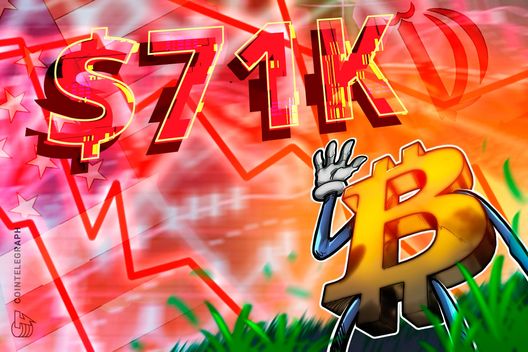
Bitcoin drops to 7-week low under $71K as US-Iran ceasefire hopes fade
Bitcoin fell to its lowest levels since mid-April as chances of a US-Iran peace deal seemed to fade and oil prices spiked. 🔗 Source 💡 DMK Insight Bitcoin’s drop to its lowest since mid-April signals a critical moment for traders: geopolitical tensions are influencing crypto markets more than usual. The fading prospects of a US-Iran peace deal are causing oil prices to spike, which historically correlates with increased volatility in Bitcoin and other risk assets. Traders should be wary of how these external factors can lead to sudden price swings. If Bitcoin continues to slide, watch for support around previous lows; a break below could trigger further selling pressure. On the flip side, if oil prices stabilize, we might see a rebound in Bitcoin as risk appetite returns. Keep an eye on the daily chart for any reversal patterns or volume spikes that could indicate a shift in sentiment. In this environment, monitoring oil prices and geopolitical news will be crucial. A sudden escalation in tensions could lead to a flight to safety, impacting Bitcoin negatively. Conversely, any positive developments could provide a much-needed boost. 📮 Takeaway Watch Bitcoin closely; a break below recent lows could lead to further declines, while stabilization in oil prices might signal a rebound.
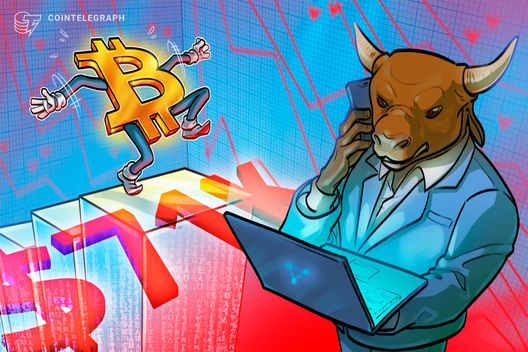
Bitcoin bulls consider fresh positions after BTC price drops under $71K
Selling from all angles pushed Bitcoin below $71,000 at the weekly open, but early bullish positioning in BTC derivatives may signal the start of a recovery. 🔗 Source 💡 DMK Insight Bitcoin’s drop below $71,000 is a wake-up call for traders: it highlights the volatility that can emerge at key levels. While the early bullish positioning in BTC derivatives suggests some optimism, the broader market context indicates that selling pressure remains strong. Traders should be cautious; a break below this level could trigger further sell-offs, especially if we see increased liquidation in leveraged positions. Watch for support around $68,000, as a failure to hold here could lead to a deeper correction. On the flip side, if BTC can reclaim the $71,000 mark decisively, it might pave the way for a rally towards $75,000, attracting more buyers. Keep an eye on the derivatives market for shifts in sentiment and volume, as these could provide clues on whether the current bullish positioning is sustainable or just a temporary blip. 📮 Takeaway Monitor Bitcoin’s ability to reclaim $71,000; failure to hold support at $68,000 could lead to further declines.
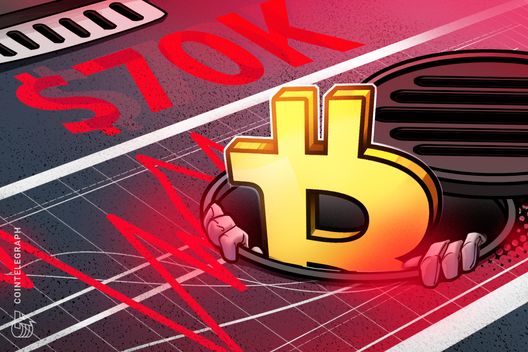
Bitcoin price falls under $70K as crypto markets liquidate $800M
Bitcoin fell to fresh two-month lows as BTC price weakness accelerated and analysis targeted its 200-day moving average trend line. 🔗 Source 💡 DMK Insight Bitcoin’s drop to two-month lows is a wake-up call for traders: watch that 200-day moving average. The recent weakness in BTC, now at $69,371, signals a critical juncture. If the price breaks below the 200-day moving average, it could trigger further selling pressure, potentially leading to a cascade effect across the crypto market. This level has historically acted as a support zone, and a failure to hold could shake out weak hands and invite more aggressive shorting from traders. Keep an eye on volume; if we see spikes in selling, it could confirm bearish sentiment. On the flip side, if Bitcoin manages to bounce back and reclaim this moving average, it might set the stage for a short-term rally. Traders should also monitor correlated assets like Ethereum, which often follows Bitcoin’s lead. The next few days will be crucial—watch for any signs of reversal or continued weakness as we approach key support levels. 📮 Takeaway Traders should closely monitor Bitcoin’s 200-day moving average; a break below could lead to increased selling pressure and impact correlated assets.

investingLive European FX news wrap: Optimism continues to prevail in the markets
ECB policymaker Rehn says June rate move would be an “insurance” hikeMarvell Technology stock soars as Nvidia CEO says it’s “the next trillion-dollar company”Euro area inflation continues to pick up in May, core prices nudge up as wellGold analysis shows it repaired higher. See my targets.UK mortgage approvals climbs in April, holds above six-month averageEuropean Parliament votes to remove import duties on US goods to comply with trade dealBoJ taper debate heats up as rising yields complicate exit strategyThe Japanese yen extends losses as June rate hike bets continue to look wrongPalladium is looking good for the bulls. See where PA can go & where that might changeGold nudges back up today but still caught in a bit of a technical bindWhat are the main events for today?Iran reportedly still discussing final text of agreement, no response sent to US yetFX option expiries for 2 June 10am New York cutOpenAI Florida Lawsuit: What AI Stock Investors Should Watch NextMarkets continue to stay on edge awaiting US-Iran dealCrude oil analysis today: oil futures fail near 94.20 resistance, testing lower valueIt’s been a pretty calm session with limited data and news releases. The main highlight of the session was the release of the Eurozone Flash CPI report for May. The headline inflation rate rose to 3.2% Y/Y, matching expectations and accelerating from 3.0% in April. The increase was driven mainly by higher energy prices, while underlying inflation pressures also strengthened as Core CPI Y/Y climbed to 2.5% from 2.2% in the prior month. The data reinforced expectations that the ECB is going to raise interest rates at its June meeting but didn’t change much in terms of total 2026 pricing.ECB policymaker Rehn confirmed that an interest rate increase at the June meeting should be viewed as an “insurance” move to guard against future inflation risks, even if current inflation expectations remain well anchored. The characterization of a June rate move as an “insurance hike” indicates that policymakers are unlikely to deliver a back-to-back rate hike in July as some analysts have been suggesting without a strong signal from the data. The ECB is most likely to frame the move as an insurance and then wait at least until September to see how the data and the US-Iran situation evolves over the summer.In terms of US-Iran news, Iran is reportedly still reviewing and discussing the final text of a proposed agreement with the United States and has not yet submitted an official response to Washington. While negotiations appear to be progressing, Tehran is seeking amendments and additional assurances before signing off, underscoring that significant details remain unresolved and that a final deal may not be as close as previously expected. Trump said that a deal could happen over the next week but we’ve heard this so many times before already.In the markets, optimism continues to prevail despite the extended US-Iran stalemate. Markets freaked out for a moment yesterday when Tasnim reported that Iran would stop message exchange with the US in protest against Israeli strikes on Lebanon but things got back to normal very quickly once Trump announced on Truth Social that there would be no troops going to Beirut, and that he had a very good call with Hezbollah which agreed that all shooting will stop.In the American session, the only highlight is the US Job Openings data for April. Job Openings are expected at 6.880M vs 8.866M prior. The data won’t change anything for the Fed as all the more timely US jobs data has been pointing to a resilient/strengthening labour market. The market is pricing 15 bps of tightening for the Fed by year-end, with 47% chance of a rate hike in December. This article was written by Giuseppe Dellamotta at investinglive.com. 🔗 Source 💡 DMK Insight The ECB’s potential June rate hike is more than just a precaution—it’s a signal of rising inflation pressures. With core inflation nudging up in the Euro area, traders need to watch how this affects the euro and related assets. A rate hike could strengthen the euro against the dollar, impacting forex pairs like EUR/USD. For those trading commodities, gold’s recent upward movement could be tied to inflation fears, making it a key asset to monitor. If inflation continues to rise, we might see further volatility in both equity and forex markets, particularly if the ECB takes a more aggressive stance than expected. Keep an eye on the 1.10 level for EUR/USD; a break above could signal a stronger euro. On the flip side, if the ECB’s hike fails to curb inflation, it could lead to a more prolonged tightening cycle, which might spook markets and lead to a sell-off in equities. Watch for market reactions around the June meeting, as this could set the tone for the rest of the year. 📮 Takeaway Monitor the 1.10 level in EUR/USD; a break could indicate a stronger euro amid rising inflation pressures.
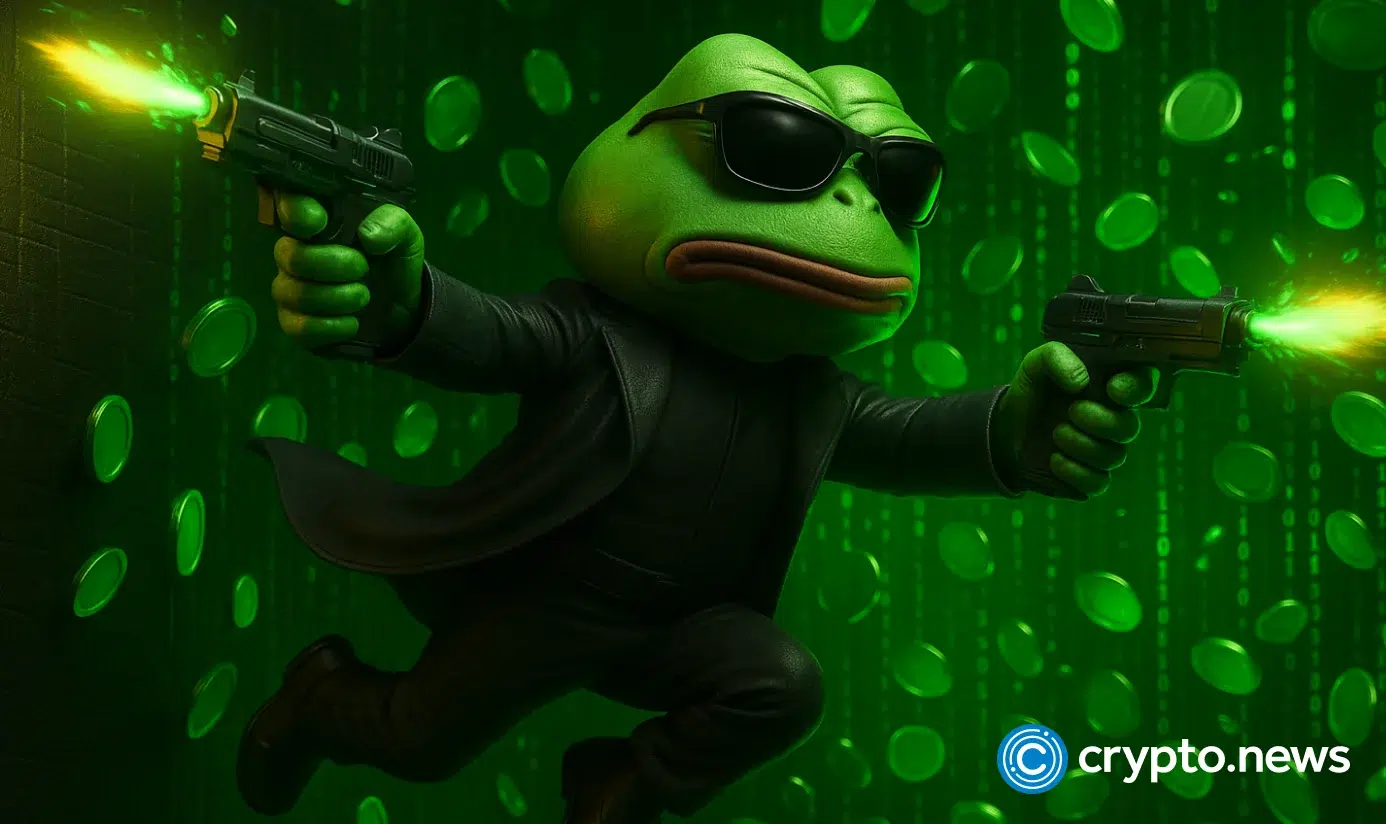
PEPE price prediction 2026-2030: the first meme ETF test
PEPE trades between $0.0000037 and $0.0000054 in late May 2026, with a market cap near $1.6 billion, 86% below the $0.000028 high from December 2024. Two specific events have shifted the setup from pure speculation to something an analyst can… 🔗 Source 💡 DMK Insight PEPE’s recent price range signals a critical shift for traders: it’s no longer just speculation. With PEPE trading between $0.0000037 and $0.0000054, down 86% from its December 2024 high, traders should be cautious. The significant drop in market cap to around $1.6 billion indicates a shift in sentiment, likely influenced by broader market trends and regulatory scrutiny. This price action suggests that PEPE could be consolidating, which often precedes either a breakout or further decline. Traders should keep an eye on volume patterns and any news that could impact sentiment, especially as we approach key resistance levels around $0.0000054. If PEPE can reclaim that level, it might attract speculative interest again, but failing to do so could lead to further downside. Also worth noting is the potential ripple effect on other meme coins and altcoins, as PEPE’s performance often influences market sentiment in that niche. Watch for any correlation with ETH’s current price of $1,979.57, as shifts in major assets can impact smaller tokens. Overall, keep your eyes peeled for volume spikes or news that could signal a change in trend. 📮 Takeaway Monitor PEPE’s resistance at $0.0000054; a breakout could signal renewed interest, while failure to hold may lead to further declines.
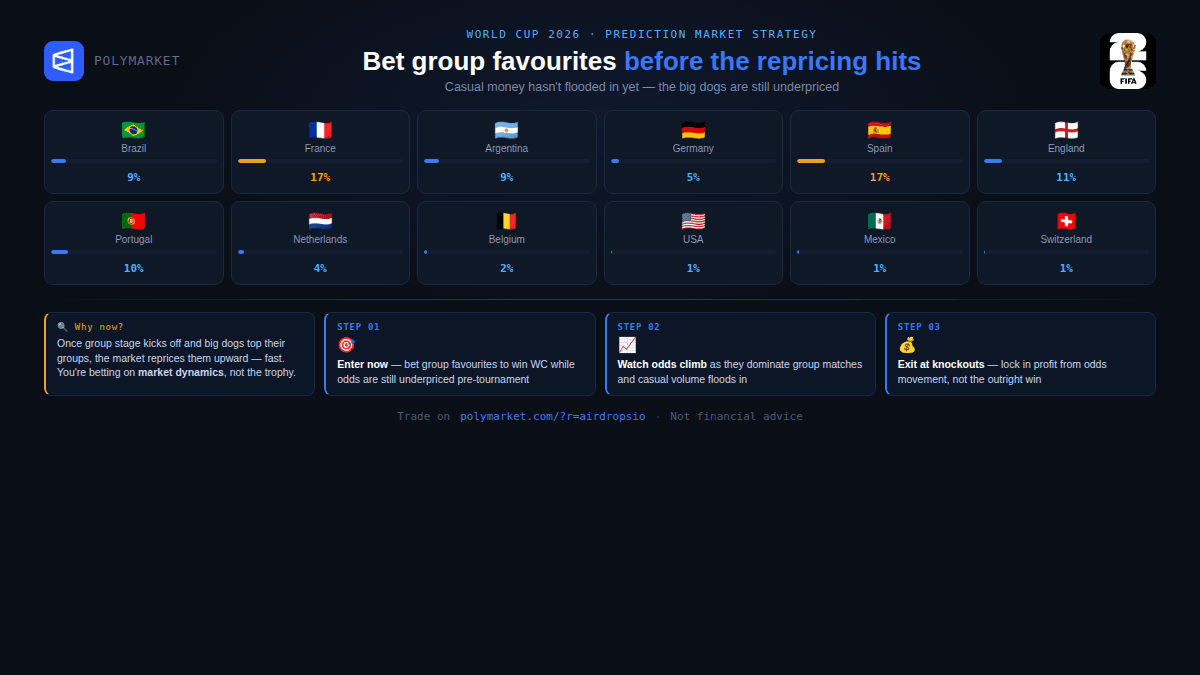
World Cup 2026 Polymarket strategy: the group-stage repricing play
The World Cup kicks off June 11. Ten days out, and there’s a Polymarket airdrop play most people are missing. The framing matters: this isn’t a bet on who lifts … Read moreWorld Cup 2026 Polymarket strategy: the group-stage repricing play Der Beitrag World Cup 2026 Polymarket strategy: the group-stage repricing play erschien zuerst auf airdrops.io. 🔗 Source 💡 DMK Insight With the World Cup starting June 11, traders should pay attention to Polymarket’s airdrop opportunities. This isn’t just about betting on the winner; it’s about capitalizing on market inefficiencies as teams are repriced during the group stages. As excitement builds, expect volatility around team performances and betting odds. Traders can leverage this by monitoring specific match outcomes and player performances, which could lead to significant price movements in related markets. Plus, keep an eye on how the airdrop mechanics work—understanding the eligibility criteria could give you an edge. If you’re looking for a play, consider focusing on teams with favorable matchups early in the tournament, as these could see rapid price adjustments. Don’t overlook the potential for cascading effects on related assets, especially if certain teams underperform or exceed expectations. Watch for key match results and adjust your positions accordingly, especially in the days leading up to the tournament. 📮 Takeaway Focus on Polymarket’s airdrop strategy ahead of the World Cup; monitor team performances and market reactions closely for trading opportunities.

Japan’s ruling party pushes crypto ETFs, yen-denominated stablecoins
The Parliamentary Association for the Promotion of Blockchain delivered recommendations to Japan’s finance minister on crypto and blockchain. 🔗 Source 💡 DMK Insight Japan’s push for blockchain regulation is gaining momentum, and here’s why that matters: The recommendations from the Parliamentary Association could signal a shift in Japan’s regulatory stance, potentially opening doors for institutional investment in crypto. Traders should keep an eye on how this might influence market sentiment, especially given Japan’s historical role as a major player in the crypto space. If regulations become more favorable, we could see a resurgence in trading volumes and price movements across major cryptocurrencies, particularly Bitcoin and Ethereum, which often react to regulatory news. But there’s a flip side—if the recommendations lead to overly stringent regulations, it could stifle innovation and push traders to seek opportunities in more crypto-friendly jurisdictions. Watch for any official responses from the finance minister in the coming weeks, as this could set the tone for Japan’s crypto landscape. Key levels to monitor include recent highs and lows for Bitcoin and Ethereum, as these could serve as indicators of market reaction to regulatory changes. 📮 Takeaway Keep an eye on Japan’s regulatory developments; any positive news could boost crypto prices, especially Bitcoin and Ethereum, in the coming weeks.