
 Bitcoin
  Ethereum
  Tether
  BNB
BNB  XRP
XRP  USDC
USDC  Solana
  TRON
TRON  Lido Staked Ether
  Figure Heloc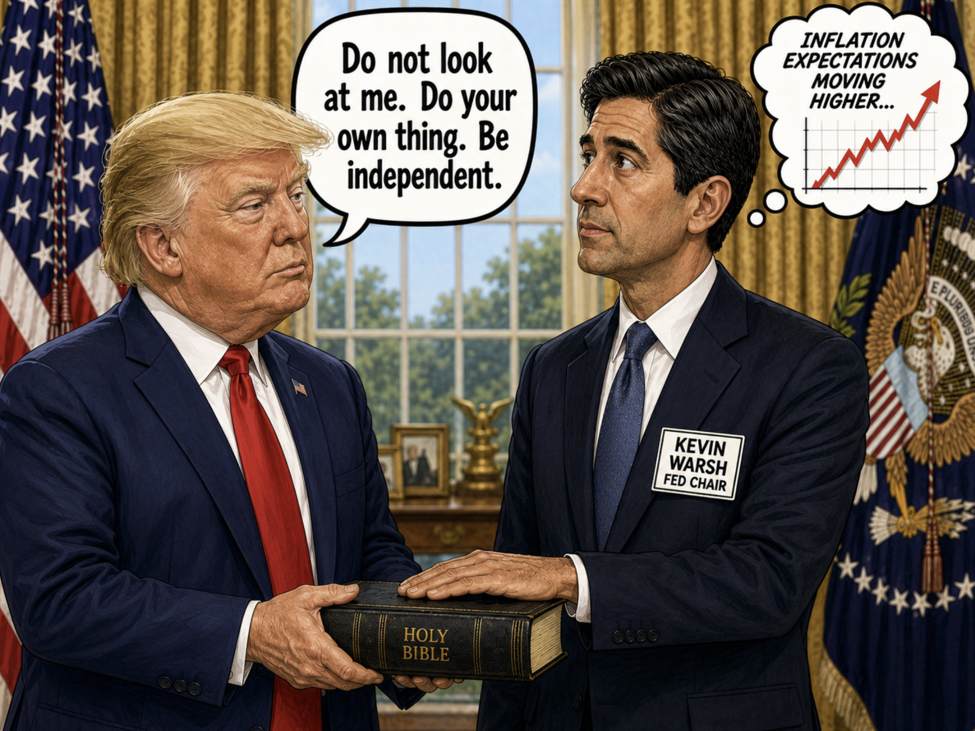
President Trump swears in Kevin Warsh as the new Fed Chair in a White House ceremony:I expect Kevin Warsh to go down as one of the very best Fed Chairman.No one is better to lead the Fed, than Kevin Warsh. Has the deepest respect for the institutionThe Fed is the pillar of the world financial system. Do not look at me. Do your own thing. Be independent.Kevin will safeguard the Fed’s IndependenceWhen the economy is booming that is a good thingTrump wants to stop inflation but does not want to stop greatness. Warsh is looking to create economic growth. You do not have to stop the world. The stock market is up 600 points. That means the market likes you. Warsh will have full support of my administration. I told China Xi, we had the best military in the world, he did not disagree. This article was written by Greg Michalowski at investinglive.com. 🔗 Source 💡 DMK Insight With Kevin Warsh now at the helm of the Fed, traders need to brace for potential shifts in monetary policy. His appointment could signal a more hawkish stance, especially if inflation concerns continue to mount. This matters because any tightening could impact interest rates and, consequently, the forex market, particularly the USD. If Warsh prioritizes combating inflation, we might see the dollar strengthen against major currencies, affecting pairs like EUR/USD and GBP/USD. Moreover, Warsh’s historical views on regulation suggest he might push for a more market-friendly approach, which could lead to increased volatility in both crypto and equity markets. Traders should keep an eye on upcoming Fed meetings and any statements from Warsh that might hint at his policy direction. Watch for key levels in the USD index; a break above recent highs could confirm a bullish trend. Conversely, if he leans dovish, we might see a quick reversal. In short, the market’s reaction to Warsh’s policies could create significant trading opportunities, especially in the forex space. Keep your charts ready for any shifts in sentiment as this unfolds. 📮 Takeaway Monitor the USD index closely; a break above recent highs could indicate a bullish trend under Warsh’s leadership.
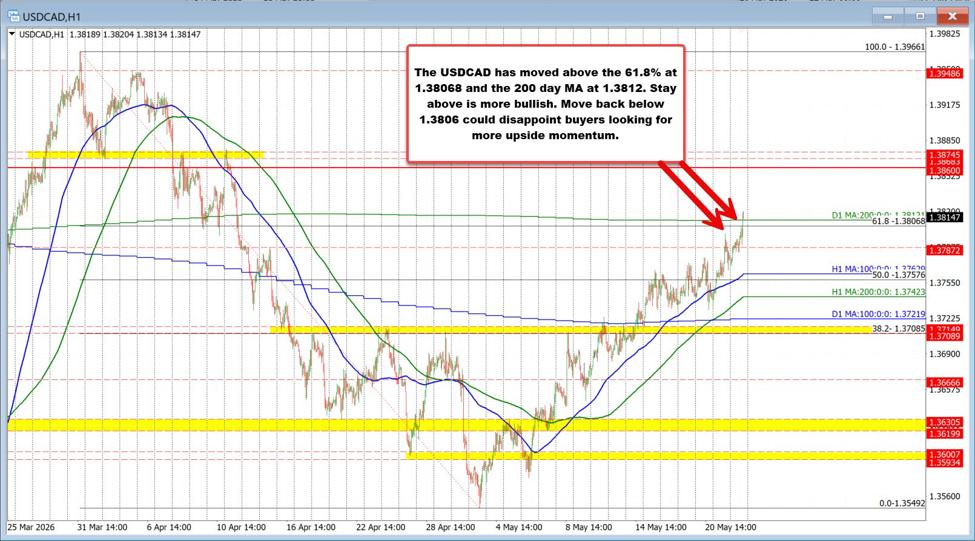
USDCAD stretches above the 200 day MA.
Although Canada’s inflation and retail sales data came in stronger than expected, the broader USD buying bias — along with retail sales details that were not as strong beneath the surface (with core sales slipping marginally) — helped push the Canadian dollar lower and the USDCAD higher.Technically, on the hourly chart, the USDCAD has now broken above both the 61.8% retracement of the decline from the late-March high at 1.38068 and the 200-day moving average at 1.3812. The pair reached a high of 1.3821 and is currently trading near 1.3817. Notably, the last time the price traded above the key 200-day moving average was back on April 13.If buyers can keep the price above the 1.3806–1.3812 area, it would reinforce the bullish bias and signal that buyers remain firmly in control. However, a move back below those levels could disappoint the bulls and trigger a rotation lower on the failed breakout.Earlier in the week, sellers had their opportunity after pushing the pair below the 100-hour moving average (currently at 1.3763) on Wednesday and into the early trading hours on Thursday. However, downside momentum stalled before reaching the next key support targets. That failure shifted the bias back in favor of the buyers. Once the pair moved back above the 100-hour moving average during the Asian session yesterday, momentum accelerated higher, giving buyers the green light to extend the rally — and they did. This article was written by Greg Michalowski at investinglive.com. 🔗 Source 💡 DMK Insight The Canadian dollar’s recent weakness against the USD highlights a critical moment for traders: Despite stronger-than-expected inflation and retail sales data from Canada, the underlying details reveal a mixed picture. Core retail sales slipped slightly, indicating potential consumer weakness. This divergence is crucial as it suggests that while the headline numbers may look good, the reality could be less optimistic. For USD/CAD traders, this creates a potential short-term opportunity to capitalize on the current trend, especially if the pair continues to break above recent resistance levels. Watch for the hourly chart; if USD/CAD holds above the recent highs, it could signal further upside. However, it’s worth questioning whether the USD’s strength is sustainable. If inflation pressures ease or if the Fed signals a more dovish stance, we could see a reversal. Keep an eye on the upcoming economic indicators and any shifts in market sentiment, as these could lead to volatility. The key level to monitor is the recent high in USD/CAD; a break above could trigger further buying interest. 📮 Takeaway Watch USD/CAD closely; a break above recent highs could signal further upside, but be wary of potential Fed dovishness impacting the USD.
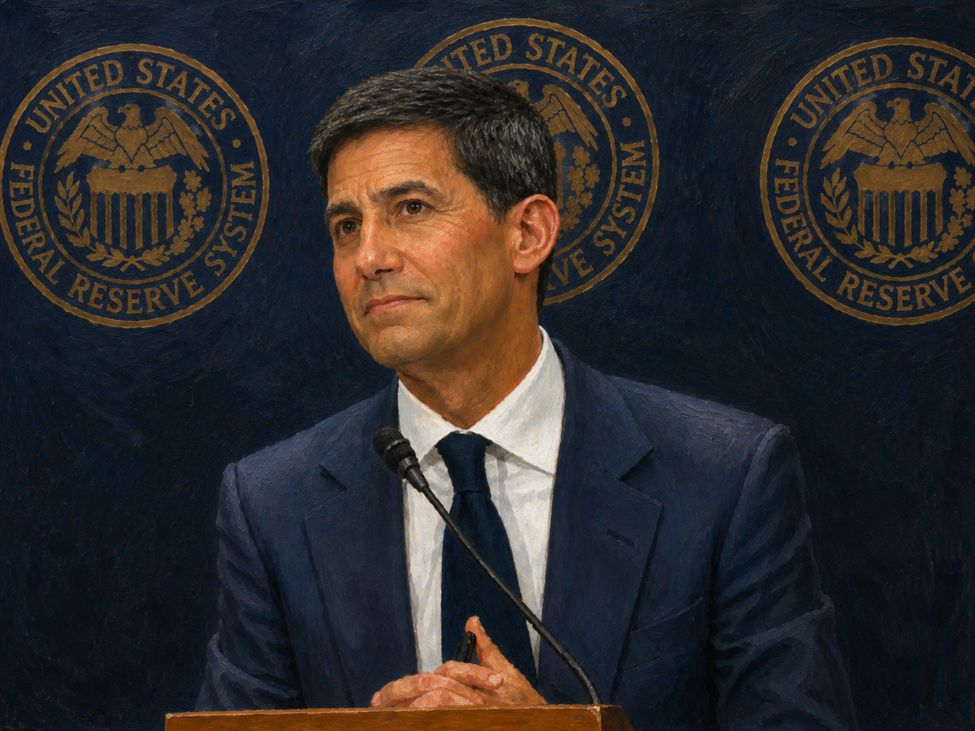
New Fed Chair Warsh: Ours is a time of great consequence
Thank you Pres. TrumpIntend to fill roll with energy and purposeLook to faithful to the missionThese years can bring unmatched prosperity, that will raise living standards. INflation can be lower, growth strong.I will lead a reform oriented FedWill learn from past mistakes and successes. I will strive every day to serve our citizens well. It is an honor.Warsh becomes the 17th chair of the Federal Reserve. The Dow is up 9.75%, the S&P is up 0.59% and the Nasdaq is up 0.55%. This article was written by Greg Michalowski at investinglive.com. 🔗 Source
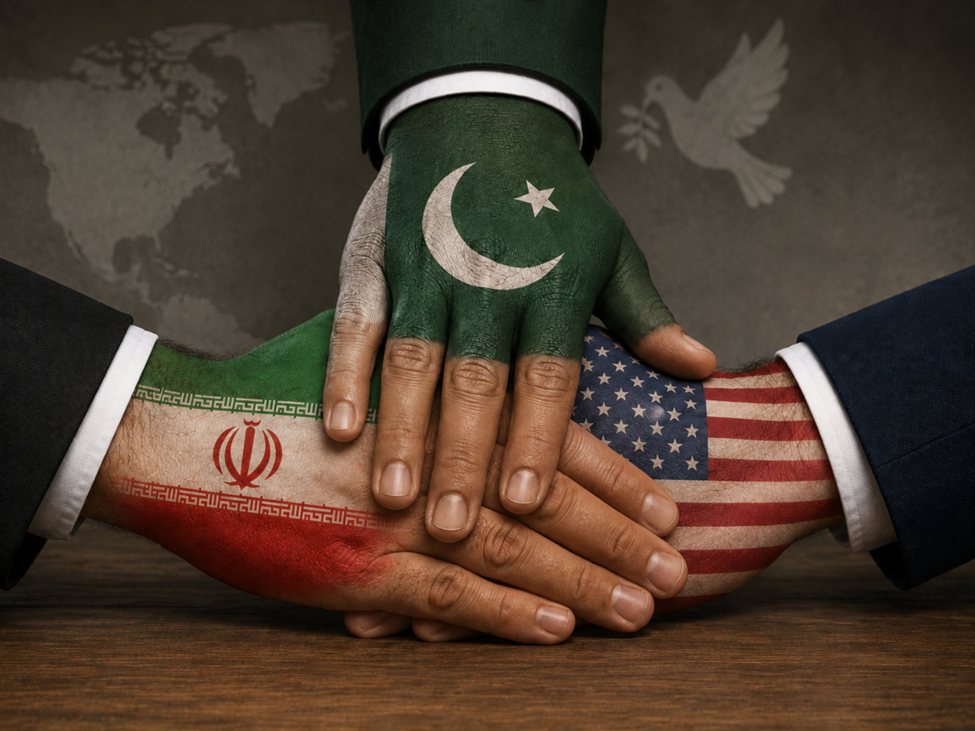
WSJ: Critical Stage in Iran negotiations: Mediators rush to prevent military action
The WSJ are reporting that negotiations over Iran are at a critical stage, with mediators urgently trying to secure at least a temporary framework agreement to prevent renewed U.S. and Israeli military action. The core dispute centers on how quickly Iran must make nuclear concessions in exchange for sanctions relief and an end to hostilities. While there has reportedly been modest diplomatic progress, both sides remain far apart, and officials warn that failure to reach even a limited understanding could trigger new strikes and broader regional escalation. You have to start somewhere and putting the effort to small steps diplomatically is still the favored path. However, the sticking points remain including what about the nuclear enrichment issue which seems to keep the two sides apart Main bullet points from the WSJ articleMediators are scrambling to prevent renewed U.S. and Israeli strikes on Iran, which officials say could happen within days if diplomacy fails. Pakistan, Qatar, and Saudi Arabia are deeply involved in negotiations, trying to bridge gaps between U.S. nuclear demands and Iran’s desire for a cease-fire and economic relief first. The immediate goal is not a formal agreement, but a temporary framework or memorandum of understanding to extend the cease-fire and allow more talks. A major sticking point remains whether Iran’s nuclear enrichment program must be addressed immediately or delayed until later negotiations. If talks fail, the U.S. and Israel are reportedly considering limited strikes on Iranian economic and energy targets to increase pressure on Tehran. Iran warned it would retaliate broadly against any renewed military action. Pakistan’s army chief Asim Munir is traveling to Iran, signaling the negotiations are at a critical stage. Marco Rubio said there has been “slight progress” in talks but reiterated that the U.S. insists Iran can never obtain a nuclear weapon.What Does Iran want? Iran wants a deal that would: End the conflict Reduce the risk of future attacks Reopen maritime trade routes Provide sanctions and financial relief Avoid immediate nuclear concessionsWhat does the US want? The U.S. wants Iran to: Suspend uranium enrichment for an extended period Hand over near weapons-grade material Accept nuclear restrictions before broader sanctions reliefThe article notes that despite more than 20,000 strikes during the war, Iran has still not agreed to abandon its nuclear program.Meanwhile, Israel is reportedly worried that Donald Trump could agree to a deal that does not go far enough on Iran’s nuclear and missile capabilities. Netanyahu does not want to pursue diplomatic solutions thinking of them as a waste of time. Pres. Trump has reportedly told Netanyahu he would do what HE wants to do. Having said that Trump has said that he would strike Iran if a deal is not reached. This article was written by Greg Michalowski at investinglive.com. 🔗 Source 💡 DMK Insight Iran’s nuclear negotiations are heating up, and here’s why that matters for traders: geopolitical tensions can shake markets. If a temporary agreement is reached, we could see a short-term boost in risk assets, particularly in oil and energy stocks, as fears of military action ease. Conversely, failure to secure an agreement might spike volatility, especially in commodities like crude oil, which is already sensitive to geopolitical events. Traders should keep an eye on oil prices and related ETFs, as they could react sharply to any news from these negotiations. Also, watch for movements in the USD, as heightened tensions often lead to a flight to safety. On the flip side, mainstream coverage might be underestimating the potential for a backlash from hardliners in Iran, which could derail negotiations and lead to escalated tensions. This could create a buying opportunity for those looking to hedge against rising oil prices. Keep an eye on key levels in oil markets; a breach above recent highs could signal a bullish trend if tensions escalate further. 📮 Takeaway Watch for oil price movements around negotiations; a breakthrough could push prices down, while failure may spike volatility and drive prices higher.

Bakers Hughes total rig count 758 in the current week, Up 5 for the week
Baker Hughes rig count Oil rig count =10 to 425Natural Gas Rig cound -3 to 125Total rig count for the week +7 to 558The price of crude oil is trading at $96.35 which is near unchanged on the day. The price remains below the 100 and 200 hour MA which is more bearish. Those MA come in near $100.74. The price before the February 28 start of the Iran War was near the low $60.This week, U.S. crude oil inventories posted a much larger-than-expected draw this week, highlighting strong demand conditions and continued tightness in the physical oil market. Commercial crude stockpiles fell by 7.9 million barrels to 445 million barrels, marking the fourth consecutive weekly decline and leaving inventories about 2% below the five-year average. Analysts had expected only a 3 million barrel draw, making the report notably more bullish than anticipated.The report also showed an aggressive release from the Strategic Petroleum Reserve, with the Department of Energy drawing down a record 9.9 million barrels in a single week. That reduced SPR holdings to 374.2 million barrels, among the lowest levels seen in decades, as part of broader international efforts to offset supply disruptions tied to tensions in the Persian Gulf.At the key delivery hub in Cushing, Oklahoma, inventories declined by 1.6 million barrels to 25.8 million barrels, keeping stock levels relatively tight historically and helping support underlying crude prices.On the supply side, U.S. crude production held steady at 13.7 million barrels per day. Imports edged higher by 116,000 bpd to 6 million bpd, while exports climbed another 112,000 bpd to a very strong 5.6 million bpd, reflecting continued robust global demand for U.S. crude.Refinery activity remained elevated, although utilization slipped slightly to 91.6% from 91.7% the prior week. Crude refinery inputs dipped modestly to 16.3 million bpd, contrary to expectations for an increase.Gasoline inventories also declined, falling by 1.5 million barrels to 214.2 million barrels, although the draw was smaller than the expected 2.7 million barrel decline. Gasoline stocks remain about 5% below the five-year average, while gasoline demand was little changed at 8.8 million bpd. This article was written by Greg Michalowski at investinglive.com. 🔗 Source 💡 DMK Insight The latest Baker Hughes rig count shows a modest increase in total rigs, but oil prices are struggling to break key moving averages. With the oil rig count up to 425 and natural gas rigs down to 125, traders should note the mixed signals. The total rig count rising by 7 to 558 suggests a slight uptick in production capacity, yet crude oil remains stuck below both the 100 and 200-hour moving averages at $96.35. This stagnation could indicate a lack of bullish momentum, especially as traders weigh geopolitical tensions and demand forecasts. If oil can’t reclaim those moving averages, we might see a pullback, particularly if the broader market sentiment shifts. On the flip side, the increase in total rigs could signal a longer-term bullish outlook if production ramps up to meet demand. Watch for any break above $97, which could trigger renewed buying interest. Conversely, a drop below $95 might prompt a reassessment of long positions, especially with the current volatility in energy markets. 📮 Takeaway Keep an eye on crude oil’s ability to break above $97; failure to do so could lead to a pullback below $95.

Sky News Arabia: Negotiations in Tehran have reached an agreement on nuclear issue
Sky News Arabia is reporting:Negotiations in Tehran have reached an understanding on broad outlines regarding the nuclear issue.Delivery of Uranium would be linked to lifting the sanctions and would be gradual.Focused on an understanding regarding the Strait of Hormuz which is still in negotiations. Iran still wants American guarantees for any agreement reached. Crude oil has reached a new low at $94.73. The current price is at $95.84. That is the lowest level since May 8th. Price is down but the oil needs to flow to rebuild stockpiles and get prices lower.The Univ. of Michigan consumer sentiment sent a shot across the bow with sentiment lower due to higher gas prices and also higher inflation expectations. That is not a good optic. Kevin Warsh and Pres. Trump talked about reforming the Fed and that growth should not be always stifled “just because” implying you can have growth and some inflation. You can not have slowing growth and higher inflation though. The pressure is on to move to a solution. AAA gas prices going into the Memorial Day holiday is hanging around highs at $4.55. Stocks remain higher but off the highs as well. Dow is up $482 or 0.95% at 50769S&P is up 50.27 points or 0.68% at 7497Nasdaq is up 158 points or 0.61% at 26454 This article was written by Greg Michalowski at investinglive.com. 🔗 Source 💡 DMK Insight Iran’s nuclear negotiations are heating up, and here’s why that matters for traders: The linkage of uranium delivery to sanctions relief could significantly impact oil prices, especially with the Strait of Hormuz still under negotiation. Traders should keep an eye on crude oil futures, as any breakthrough could lead to increased supply and a potential drop in prices. The geopolitical tension in this region often leads to volatility, so expect fluctuations in energy stocks and related commodities. If sanctions are lifted, we could see a surge in Iranian oil exports, which would alter the current supply dynamics. But here’s the flip side: if negotiations falter, we might see a spike in oil prices due to fears of supply disruptions. Watch for key levels in Brent crude around $90; a break above could signal a bullish trend, while a drop below $85 might indicate bearish sentiment. Pay attention to any updates from Tehran in the coming days, as they could trigger immediate market reactions. 📮 Takeaway Monitor Brent crude around $90 for potential breakout signals; geopolitical developments in Iran could shift oil supply dynamics significantly.
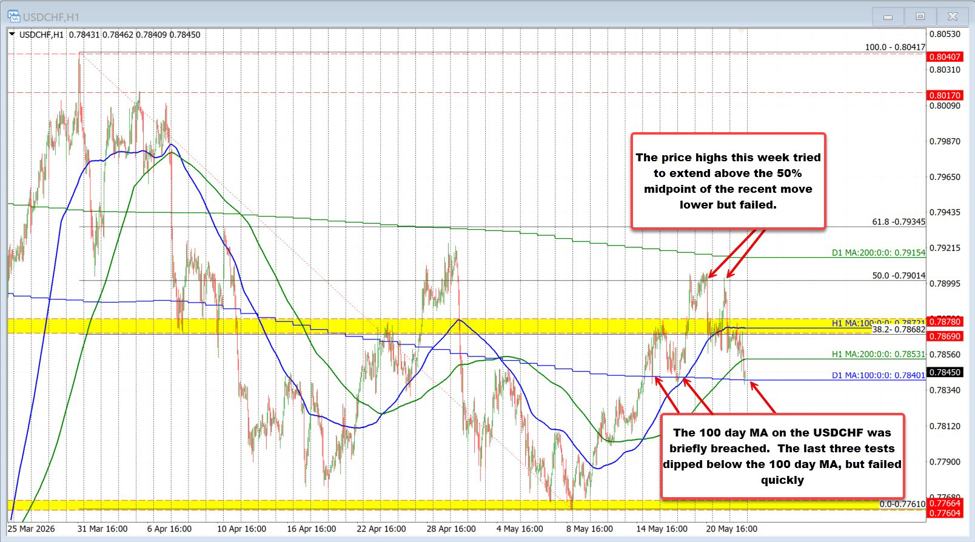
USDCHF trades new lows for the week but also near key 100 day MA support
The USDCHF traded to the low for the week on Monday, testing both the May 15 low and the 100-day moving average, where dip buyers stepped in despite a brief break below the MA. That technical level once again proved to be a key barometer for traders.The high for the week came on Tuesday and Wednesday, with the rally extending up to test the 50% retracement level at 0.7901. Sellers leaned against that resistance area, reinforcing the importance of both the 100-day MA on the downside and the 50% midpoint on the topside as defining technical boundaries for the pair.As the week comes to a close, the pair is moving back to the downside as investors seek the relative safety of the CHF heading into the weekend. The price has once again pushed below the 100-day MA near 0.7840, but like the declines seen on May 15 and May 18, downside momentum has slowed after the break. The low price reached 0.7839 — just below the moving average — suggesting sellers are pressing, but have not yet been able to generate sustained downside momentum below the key support level.For sellers to gain more control, they need to stay below the 100-day MA and build momentum beneath it. If they cannot do that, and the price rebounds back above the 200-hour moving average at 0.7853, the bias could shift back to the upside with traders targeting a retracement of this week’s decline.Much may result on the developments in the Middle East. Like all weekends, the market are susceptible to the weekend news headlines..PS. President Trump said he is expected to miss Donald Trump Jr.’s wedding this weekend because of ongoing tensions involving Iran and other government matters. He said it was “not good timing” to leave Washington during an important period for the country.The wedding to Bettina Anderson is reportedly a small private ceremony in the Bahamas. For what it is worth. This article was written by Greg Michalowski at investinglive.com. 🔗 Source 💡 DMK Insight The USDCHF’s recent test of the 100-day moving average is a pivotal moment for traders. With the pair dipping below this key level before bouncing back, it highlights the ongoing battle between dip buyers and sellers. This moving average has historically acted as a strong support zone, and its recent test could signal a potential reversal or continuation of the current trend. Traders should keep an eye on the May 15 low as a critical support level; if it holds, we might see a rally back toward recent highs. Conversely, a sustained break below could trigger further selling pressure, impacting not just the USDCHF but also correlated pairs like EURCHF and GBPCHF. Watch for volatility around this level, especially if economic data releases or geopolitical events stir market sentiment in the coming days. 📮 Takeaway Monitor the USDCHF closely around the 100-day moving average; a break below could lead to increased selling pressure, while a bounce may signal a bullish reversal.
Stocks remain higher but off highs as hope fades ahead of the weekend for peace
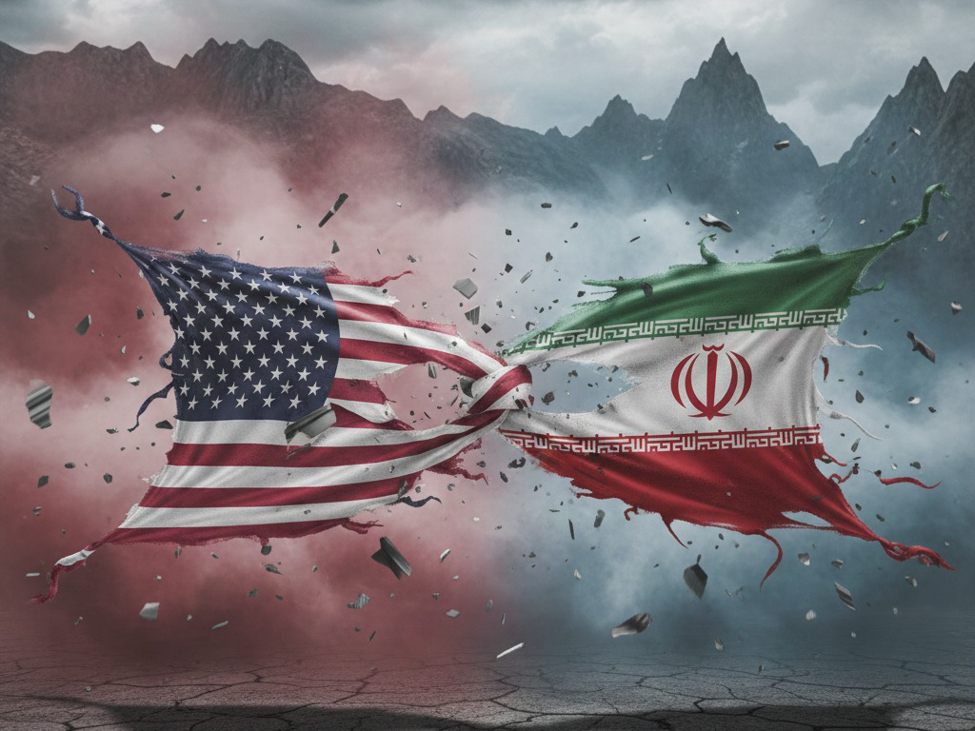
As the week comes to a close, US stocks are giving back some of their earlier gains. The major indices remain higher on the day, with the Dow up 0.74%, the S&P up 0.46%, and the Nasdaq higher by 0.23%, but all are well off their session highs as traders react to the latest geopolitical headlines.The focus remains on Iran, where reports suggest officials are demanding an end to the conflict from all sides, the lifting of blockades, and the release of frozen funds as part of any broader agreement. At the same time, reports indicate President Trump is growing increasingly frustrated with the situation. He has adjusted his schedule to remain in Washington during the heightened tensions and is expected to miss his son’s wedding this weekend. Reports suggest the event is a small private ceremony in the Bahamas with around 50 guests. It may have been too risky or cumbersome anyway. It is getting tiring. This article was written by Greg Michalowski at investinglive.com. 🔗 Source
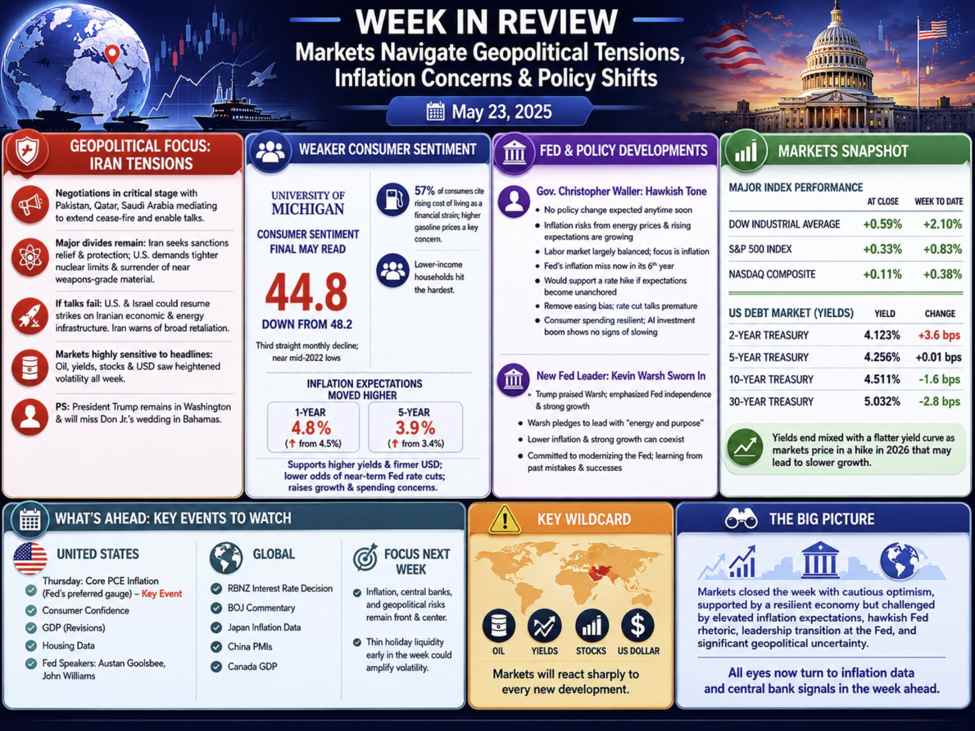
investingLive Americas FX news wrap 22 May: Markets eye Iran talks, Fed signals now
Stocks remain higher but off highs as hope fades ahead of the weekend for peaceSky News Arabia: Negotiations in Tehran have reached an agreement on nuclear issueBakers Hughes total rig count 758 in the current week, Up 5 for the weekWSJ: Critical Stage in Iran negotiations: Mediators rush to prevent military actionNew Fed Chair Warsh: Ours is a time of great consequenceTrump: I expect Kevin Warsh to go down as one of the very best Fed Chairman.More Waller: Hawkish comments from the Fed GovernorFeds Waller: Does not expect change in policy in the near termUMich May final consumer sentiment 44.8 vs 48.2 expectedReuters:Qatar send negotiating team to Tehran to help secure a end of war dealFed interest rates explained at investingLive.comCanada retail sales for March 0.9% vs 0.6% estimateCanada April PPI +2.0% m/m vs +1.3% expectedinvestingLive European markets wrap: A mixed mood amid cautious optimism on US-Iran talksECB President Lagarde says ECB will follow a data-dependent, meeting-by-meeting approachThe week is ended with markets focused squarely on the growing tension surrounding Iran, as negotiations entered what officials described as a critical stage. Mediators including Pakistan, Qatar, and Saudi Arabia worked urgently to secure at least a temporary framework agreement aimed at preventing renewed U.S. and Israeli military action. The diplomatic effort is centered on extending the cease-fire and buying time for broader negotiations, but major divisions remain — particularly over Iran’s uranium enrichment program and how quickly Tehran must make nuclear concessions in exchange for sanctions relief and an easing of hostilities. Reports indicated there has been only modest progress so far, with both sides still far apart. Iran is seeking sanctions relief, protection from future attacks, and the reopening of trade routes before making major nuclear concessions, while the U.S. is demanding tighter nuclear restrictions, including limits on enrichment and the surrender of near weapons-grade material, before broader relief is offered. Officials warned that if talks fail, the U.S. and Israel could consider renewed strikes, potentially targeting Iranian economic and energy infrastructure to increase pressure on Tehran. Iran responded by warning it would retaliate broadly against any new military action. The geopolitical backdrop remains highly uncertain. Israel is reportedly concerned that President Trump could agree to a deal viewed as too soft on Iran’s nuclear and missile programs, while Prime Minister Netanyahu remains skeptical that diplomacy will succeed. Trump has signaled he prefers a negotiated solution but also warned that military action remains on the table if an agreement cannot be reached. As a result, markets continue to react sharply to every headline tied to the negotiations, with oil prices, Treasury yields, stocks, and the US dollar all seeing heightened volatility into the weekend. PS Pres. Trump will remain in Washington for the weekend and will be missing his son’s (Don Jr.). wedding in the Bahamas. The final University of Michigan consumer sentiment report for May painted a weaker picture of the US consumer than expected. The headline index fell to 44.8 from 48.2, marking a third straight monthly decline and pushing sentiment back near the historic lows from mid-2022. Higher gasoline prices tied to Strait of Hormuz supply disruptions remained a key concern, with 57% of consumers citing the rising cost of living as a financial strain. Lower-income households were hit the hardest. Most importantly for markets and the Fed, inflation expectations moved higher again. One-year expectations rose to 4.8% from 4.5%, while five-year expectations jumped to 3.9% from 3.4%, increasing concerns that inflation pressures could become more persistent. The report supports higher yields and a firmer US dollar as it lowers expectations for near-term Fed rate cuts, while also raising concerns about future consumer spending and growth. Fed Governor Christopher Waller reinforced the hawkish tone, pushing back strongly against expectations for near-term rate cuts. Waller said he does not expect to support a policy change anytime soon and warned that inflation risks tied to higher energy prices and rising inflation expectations are becoming more concerning. He said the labor market is now largely balanced, shifting the Fed’s focus squarely toward inflation. Waller warned the Fed’s inflation miss is entering its sixth year and said he would not hesitate to support a rate hike if inflation expectations become unanchored. While not actively calling for a hike now, he argued the Fed should remove its easing bias and said discussions about rate cuts are premature given current inflation pressures. He also noted consumer spending remains resilient and there is no sign the AI-driven investment boom is slowing. President Donald Trump formally swore in Kevin Warsh as the new Fed Chair, praising him as uniquely qualified to lead the institution while emphasizing Fed independence and the importance of sustaining strong economic growth. Trump argued that low inflation and strong growth can coexist and pointed to the stock market rally as evidence investors welcomed Warsh’s appointment. In his remarks, Warsh struck a confident, reform-oriented tone, pledging to lead the Fed with “energy and purpose” while remaining faithful to its mission. He said the years ahead could bring strong prosperity and rising living standards, emphasizing that lower inflation and strong growth are achievable together. Warsh also signaled a willingness to modernize the Fed and learn from both past mistakes and successes. Looking ahead, markets next week traders will focus on inflation, central banks, and geopolitical risks. The key event for the US will be Thursday’s core PCE inflation report — the Fed’s preferred inflation gauge — as Warsh begins his tenure facing elevated inflation expectations and persistent price pressures. Markets will also monitor consumer confidence, GDP revisions, housing data, and Fed speakers including Austan Goolsbee and John Williams. Globally, attention will turn to the RBNZ decision, BOJ commentary, Japan inflation data, China PMIs, and Canada GDP. Geopolitical headlines surrounding Iran remain the key wildcard, with oil, yields, stocks, and the US dollar continuing to react sharply to every new development. Thin holiday liquidity conditions early in the week could amplify volatility.A snapshot of the markets at the end of the week is
President Trump says he wants Warsh to be independent
Speaking ahead of the swearing-in of new Federal Reserve (Fed) Chair Kevin Warsh, President Trump stated that he wants Warsh to be “independent”, stating that the Fed will “make their own decisions”. 🔗 Source 💡 DMK Insight Trump’s push for Fed independence could shake market confidence and volatility. With Kevin Warsh set to take the helm, traders should brace for potential shifts in monetary policy direction. Warsh’s past critiques of the Fed’s quantitative easing suggest he might favor tighter monetary conditions, which could lead to higher interest rates. This is crucial for traders, especially those in the forex market, as a stronger dollar could emerge if the Fed signals a hawkish stance. Keep an eye on the USD pairs, particularly against the Euro and Yen, as they may react sharply to any hints of policy changes. On the flip side, if Warsh maintains a dovish approach, it could bolster risk assets like equities and cryptocurrencies. The market’s reaction will hinge on upcoming Fed communications and economic data releases. Watch for key resistance levels in major indices and the dollar index, as these will provide insight into market sentiment and potential trading opportunities. 📮 Takeaway Monitor the Fed’s upcoming statements for hints on interest rate policy, especially in relation to USD pairs and risk assets.