
 Bitcoin
  Ethereum
  Tether
  BNB
BNB  XRP
XRP  USDC
USDC  Solana
  TRON
TRON  Lido Staked Ether
  Figure Heloc
Morgan Stanley just launched crypto trading on ETrade, while the White House wants the Clarity Act signed by July 4. 🔗 Source 💡 DMK Insight Morgan Stanley’s entry into crypto trading via ETrade is a game changer for retail investors. This move signals a growing acceptance of digital assets among major financial institutions, potentially attracting more retail traders into the market. With the White House pushing for the Clarity Act by July 4, regulatory frameworks are likely to evolve, which could either bolster or hinder market confidence. Traders should keep an eye on how these developments affect volatility in crypto assets and traditional markets alike. If institutional interest ramps up, we could see significant price movements in major cryptocurrencies. Watch for key resistance levels in Bitcoin and Ethereum, as they may react sharply to this news and any regulatory updates. The real story is how retail sentiment shifts with institutional backing—this could be a pivotal moment for crypto adoption. 📮 Takeaway Monitor Bitcoin and Ethereum for resistance levels as institutional interest grows, especially with regulatory changes expected by July 4.
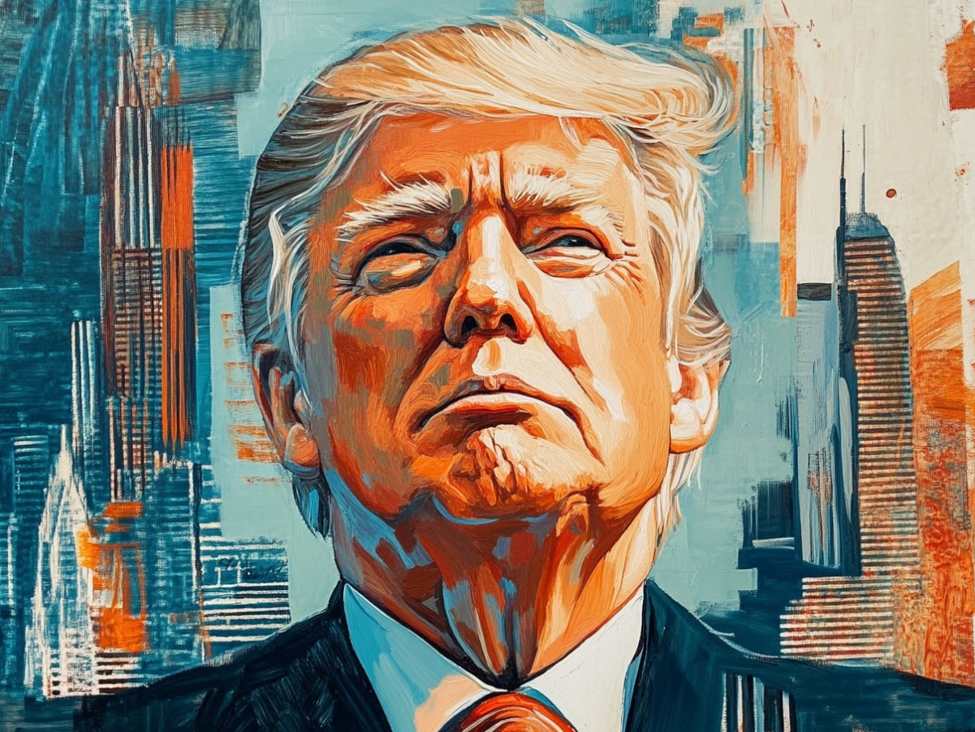
US president Trump continues to gas up the stock market, posts Dow snapshot
If there’s one thing that we know about Trump from his first term as president, it is that he really does weigh his achievements based on how the stock market performs. And this time around is no different. The US-Iran war put him in a tough spot in March but since April, it has been a remarkable recovery in market sentiment despite all the trials and tribulations.His latest tweet doesn’t even need any other subtext. It just comes with an image snapshot of the Dow closing level from yesterday.That being said, perhaps the subtext was already given yesterday when he said that:”Stock Market hit an ALL-TIME HIGH TODAY. Jobs & 401-K’s are BOOMING!!!”It certainly feels like a leak to the US jobs report coming up tomorrow. So, one can reasonably expect a stronger non-farm payrolls figure if anything else. This article was written by Justin Low at investinglive.com. 🔗 Source

Fed's Collins: I still expect interest rate cuts down the road
I preferred to adjust wording that signals cutting biasI still expect rate cuts down the roadRates will likely remain on hold for a longer periodThe odds of worse inflation scenario have increasedAlternative scenario could make the Fed consider a hikeFed’s Collins is not a voter this year, so we haven’t got the chance to see her dissent regarding the easing bias in the statement like Hammack, Kashkari and Logan. This shows though that there are more policymakers that have now turned more neutral and don’t want to have an easing bias. Such small steps generally precede a pivot in monetary policy but a lot will depend on US-Iran war and economic data.There’s a scenario where the war ends, the Strait of Hormuz gets reopened and oil prices fall to pre-war levels. In such a scenario, the market will likely price in rate cuts for the Fed on lower inflation worries exacerbating the easing in financial conditions. This could lead to increased economic activity that keeps inflation higher for longer or worse, it leads to a tightening labour market and higher wages eventually requiring rate hikes anyway. This would set the stage for the next crash in the stock market and strong rally in the US dollar. This article was written by Giuseppe Dellamotta at investinglive.com. 🔗 Source 💡 DMK Insight The Fed’s stance on rates is shifting, and here’s why that matters: With the potential for prolonged rate holds and increased inflation risks, traders need to recalibrate their strategies. The mention of rate cuts down the line suggests that the Fed is still considering easing, but the rising inflation scenario complicates that picture. This could lead to volatility in both the forex and crypto markets, particularly for assets sensitive to interest rate changes. If inflation continues to surprise to the upside, we might see a more hawkish Fed response, which could trigger a hike instead. Watch for key economic indicators like CPI and PCE data in the coming weeks, as these will be crucial in shaping the Fed’s next moves. If inflation remains stubbornly high, it could push the Fed to reconsider its rate cut timeline, impacting everything from USD strength to crypto valuations. Keep an eye on the 10-year Treasury yields as well; they often reflect market expectations about future rate changes and can signal shifts in investor sentiment. 📮 Takeaway Monitor upcoming inflation data closely; a surprise uptick could shift Fed policy and impact USD and crypto markets significantly.

Coinbase faces lawsuit over frozen funds from $55M crypto theft
The plaintiff says Coinbase froze traceable assets from a 2024 DAI phishing theft but refused to return them without a court order. 🔗 Source 💡 DMK Insight Coinbase’s asset freeze in the DAI phishing case raises serious questions about user trust and platform reliability. For traders, this situation is a reminder of the risks associated with centralized exchanges. If Coinbase is holding onto assets due to legal disputes, it could lead to liquidity issues and affect trading volumes. The broader market might react negatively, especially if other exchanges follow suit or if regulatory scrutiny increases. Keep an eye on Coinbase’s stock performance and user sentiment, as these could signal shifts in trading behavior. If you’re holding assets on centralized platforms, consider diversifying or using decentralized alternatives to mitigate risks. Watch for any updates from the court that could impact the timeline for asset recovery, as this could create volatility in related tokens like DAI or even broader market movements in stablecoins. 📮 Takeaway Monitor Coinbase’s legal developments closely; any delays in asset recovery could trigger volatility in DAI and related markets.

OpenTrade raises $17M as CEO sees stablecoin yield tailwinds
OpenTrade raised $17 million to expand its stablecoin yield platform, bringing total funding above $30 million as it scales stablecoin yield infrastructure for global clients. 🔗 Source 💡 DMK Insight OpenTrade’s $17 million funding boost signals a growing demand for stablecoin yield platforms, and here’s why that matters now: With total funding surpassing $30 million, this expansion could attract institutional interest, especially as traders look for reliable yield in a volatile market. The stablecoin sector is becoming increasingly competitive, and platforms that can offer robust infrastructure will likely capture market share. Traders should keep an eye on how this influx of capital impacts yield rates and liquidity in the stablecoin market. If OpenTrade successfully scales its operations, it could lead to tighter spreads and better yields, making it an attractive option for both retail and institutional investors. However, there’s a flip side. As competition heats up, existing platforms may need to adjust their strategies, potentially leading to a race to the bottom on yields. This could impact the broader crypto market, especially if traders shift their focus to higher-yielding options. Watch for any announcements regarding partnerships or new features from OpenTrade, as these could signal further shifts in the market dynamics. Also, keep an eye on the performance of major stablecoins like USDC and USDT as they react to these developments. 📮 Takeaway Monitor OpenTrade’s developments closely; any new partnerships or yield adjustments could significantly impact stablecoin dynamics and trading strategies in the coming weeks.

Stablecoin industry opposes Bank of England’s unhosted wallet ban
The crypto industry in the UK has come out against the Bank of England’s proposed policy that would ban custodial wallets for stablecoins. 🔗 Source 💡 DMK Insight The UK’s crypto sector is pushing back against the Bank of England’s proposed ban on custodial wallets for stablecoins, and here’s why that matters: This proposed policy could stifle innovation and push crypto activity underground, making it harder for legitimate businesses to operate. Custodial wallets are crucial for user convenience and security, especially for retail investors who may not have the technical know-how to manage their own keys. If this ban goes through, we could see a shift in trading strategies, as traders might need to adapt to less user-friendly alternatives. Expect potential volatility in stablecoin prices as market participants react to regulatory uncertainty. On the flip side, this could create opportunities for decentralized finance (DeFi) platforms that offer non-custodial solutions. If the Bank of England doesn’t reconsider, we might see a migration of users to platforms outside the UK, impacting local exchanges and liquidity. Watch for any updates from the Bank of England and monitor how major stablecoins like USDT and USDC respond to this news, especially in the coming weeks as the regulatory landscape evolves. 📮 Takeaway Keep an eye on the Bank of England’s decisions regarding custodial wallets; any regulatory shifts could impact stablecoin liquidity and trading strategies significantly.
Crypto-backed Republican candidate wins Indiana congressional primary
Representative James Baird won the Republican primary for Indiana’s 4th district on Tuesday after receiving an endorsement from Donald Trump and supportive spending from a crypto-backed PAC. 🔗 Source 💡 DMK Insight Baird’s primary win signals a growing influence of crypto money in politics, and here’s why that matters: The endorsement from Trump and backing from a crypto-funded PAC could reshape how crypto regulations are approached in Congress. Traders should be aware that political support for crypto can lead to more favorable legislation, potentially impacting market sentiment and prices. If Baird’s victory translates into pro-crypto policies, we might see increased institutional interest in crypto assets, which could drive prices higher. Keep an eye on how this political shift might affect related sectors, like fintech and blockchain companies, as they could benefit from a more favorable regulatory environment. But there’s a flip side: if the political landscape shifts again, or if anti-crypto sentiments gain traction, we could see volatility in crypto markets. Traders should monitor upcoming legislative sessions and any proposed bills that could emerge from this political momentum. Watch for key developments over the next few weeks as the implications of this primary unfold. 📮 Takeaway Watch for legislative developments in the coming weeks that could impact crypto regulations, especially if Baird pushes pro-crypto policies.
US senator says crypto market structure vote may happen by August
Senator Kirsten Gillibrand said the Senate must address lawmakers potentially getting “rich off of these industries because of their insider status“ before any vote on the CLARITY Act. 🔗 Source 💡 DMK Insight Senator Gillibrand’s comments highlight a growing concern about insider trading in crypto, which could impact regulatory sentiment. If lawmakers are perceived as profiting from their positions, it could delay the CLARITY Act, a crucial piece of legislation for crypto regulation. Traders should be wary of how this political climate might affect market stability and investor confidence. If the act stalls, we could see increased volatility in crypto assets as uncertainty looms. Watch for any developments in the Senate that could signal a timeline for the vote, as this could influence market sentiment significantly. Keep an eye on related assets, especially those tied to regulatory compliance, as they might react sharply to news on this front. 📮 Takeaway Monitor Senate developments on the CLARITY Act closely; delays could trigger volatility in crypto markets, impacting investor sentiment and asset prices.
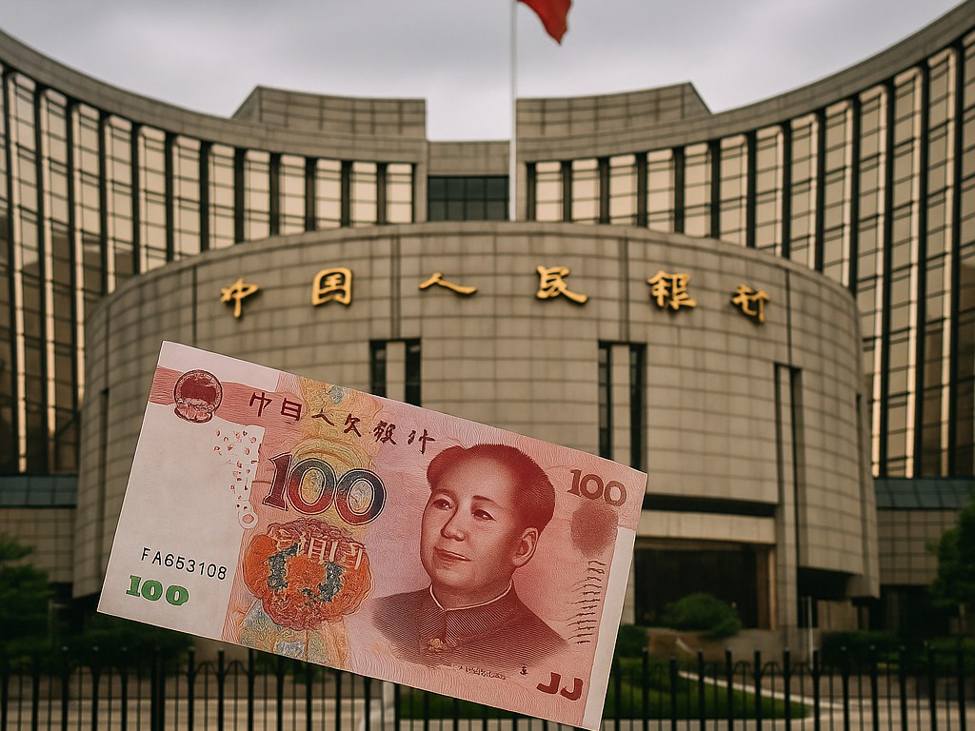
PBOC sets USD/ CNY reference rate for today at 6.8487 (vs. estimate at 6.8087)
The PBOC allows the yuan to fluctuate within a +/- 2% range, around this reference rate. Injects 27bn yuan via 7-day reverse repos in open market operates today. Unchanged rate of 1.4%. This article was written by Eamonn Sheridan at investinglive.com. 🔗 Source 💡 DMK Insight The PBOC’s recent actions signal a cautious approach to yuan stability amid global volatility. Injecting 27 billion yuan via reverse repos while maintaining the interest rate at 1.4% indicates a desire to support liquidity without aggressive monetary easing. This could be a strategic move to stabilize the yuan, especially as traders eye potential fluctuations within the +/- 2% range. For forex traders, this means keeping an eye on the yuan’s performance against major currencies, particularly the USD, as any significant deviation could trigger volatility. Watch for how the market reacts in the coming days, especially if the yuan approaches the upper or lower bounds of its fluctuation range. If the yuan weakens significantly, it could lead to broader implications for emerging market currencies and commodities, especially those tied to Chinese demand. Here’s the thing: while the PBOC is trying to manage expectations, any unexpected shifts could lead to a rapid reassessment of risk across the board. Traders should monitor the yuan closely, especially around key economic data releases or geopolitical events that could impact sentiment. 📮 Takeaway Watch the yuan’s movement closely; a breach of the +/- 2% range could signal increased volatility in forex markets.

Australian March 2026 trade balance -1840mn (expected 4.250mn suprlus)
Trade Balance -1.841bnexpected +4.400bn, prior +5.686bn Exports -2.7% m/mprior +4.9%Imports +14.1% m/mprior -3.2% This article was written by Eamonn Sheridan at investinglive.com. 🔗 Source 💡 DMK Insight The trade balance miss signals potential economic headwinds, and here’s why traders need to pay attention: With the trade balance coming in at -1.841 billion against an expectation of +4.400 billion, this deviation could indicate weakening demand for exports, especially with a 2.7% drop month-over-month. Imports surged by 14.1%, which might suggest that domestic consumption is still strong, but it raises concerns about trade deficits impacting currency strength. For forex traders, this could lead to volatility in the USD, particularly against currencies from export-driven economies. Watch for how this data influences the upcoming Federal Reserve meetings, as a deteriorating trade balance could affect monetary policy outlooks. On the flip side, while the immediate reaction might be bearish for the dollar, a strong domestic consumption narrative could support equities. Traders should keep an eye on key levels in the USD index and major currency pairs, particularly if the dollar starts to weaken. Look for resistance around recent highs and support levels that could trigger further moves. Monitoring the next set of economic indicators will be crucial to gauge the broader implications of this trade data. 📮 Takeaway Watch for USD volatility as the trade balance miss could influence Fed policy; key levels to monitor are recent highs and support in the USD index.