
 Bitcoin
  Ethereum
  Tether
  XRP
XRP  BNB
BNB  USDC
USDC  Solana
  TRON
TRON  Lido Staked Ether
  Dogecoin
USD/INR extends gains for the third successive day, trading around the fresh record high of 95.40, during the Asian hours on Tuesday. Traders will likely observe India’s HSBC Composite and Services Purchasing Managers’ Index (PMI) data to be released on Wednesday. 🔗 Source 💡 DMK Insight USD/INR hitting 95.40 is a big deal for traders right now. This surge reflects ongoing strength in the dollar amid global economic uncertainties, while the Indian rupee struggles under pressure. The upcoming PMI data will be crucial; a strong reading could provide a temporary boost to the rupee, but if it disappoints, we might see USD/INR push even higher. Traders should keep an eye on the 95.50 resistance level—if breached, it could trigger further buying. Conversely, a pullback below 95.00 might signal a short-term reversal. It’s worth noting that while the dollar’s strength is a key driver, geopolitical factors and domestic economic indicators in India will also play significant roles. If the PMI data comes in weak, expect increased volatility as market participants reassess their positions. Watch for institutional moves as they often react sharply to economic data releases, which could amplify price swings in the USD/INR pair. 📮 Takeaway Monitor the 95.50 resistance level closely; a break could lead to further gains in USD/INR, especially if PMI data disappoints.
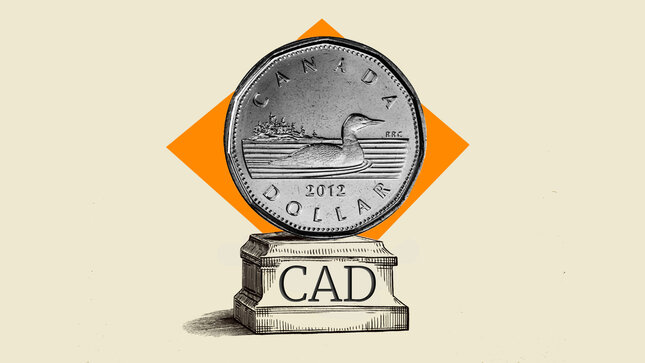
CAD: Loonie regains altitude on oil support – NBC
National Bank of Canada (NBC) strategists Stéfane Marion and Kyle Dahms note the Canadian Dollar (CAD) has rebounded sharply, with USD/CAD moving back toward 1.35 as higher Oil prices bolster Canada’s trade and fiscal outlook. 🔗 Source 💡 DMK Insight The CAD’s rebound against the USD is significant, especially with USD/CAD nearing 1.35. This movement is largely driven by rising oil prices, which directly enhance Canada’s trade balance. Traders should keep an eye on oil market dynamics, as further increases could solidify CAD strength. If USD/CAD breaks below 1.35, it could trigger more aggressive buying of CAD, while a failure to hold this level might lead to a quick reversal. Also, consider how this impacts related assets like crude oil futures and Canadian equities, which often move in tandem with the CAD. But here’s the flip side: if oil prices stabilize or drop, the CAD could lose its momentum, leading to a potential USD resurgence. Watch for key economic indicators from Canada and the U.S. that could sway this currency pair, particularly any shifts in interest rates or employment data in the coming weeks. 📮 Takeaway Monitor USD/CAD closely; a break below 1.35 could signal CAD strength, while oil price trends will be crucial.

EUR/GBP: Political strains and BoE doubts – Commerzbank
Commerzbank’s Michael Pfister argues that recent strength in the Pound (GBP) is unlikely to last, as ambitious Bank of England (BoE) rate expectations and renewed political risks weigh on the outlook. 🔗 Source 💡 DMK Insight The Pound’s recent rally might be a short-lived affair, and here’s why: Michael Pfister from Commerzbank highlights that while the GBP has shown strength, this is likely to be undermined by overambitious rate expectations from the Bank of England and increasing political uncertainties. Traders should be cautious as the market seems to be pricing in more aggressive rate hikes than the BoE may realistically deliver. If the BoE fails to meet these expectations, we could see a sharp correction in GBP pairs, particularly against the USD and EUR. Additionally, political risks, such as ongoing debates around fiscal policy and potential changes in leadership, could further destabilize the Pound. Watch for key support levels around recent lows; a break below those could trigger a wave of selling. For now, keep an eye on the upcoming economic data releases and any comments from BoE officials that might signal a shift in their stance. The next few weeks could be pivotal for GBP traders, especially if volatility spikes as these factors unfold. 📮 Takeaway Monitor GBP support levels closely; a break below recent lows could signal a significant downturn amid political and economic uncertainties.

Spain 6-Month Letras Auction down to 2.357% from previous 2.362%
Spain 6-Month Letras Auction down to 2.357% from previous 2.362% 🔗 Source 💡 DMK Insight Spain’s latest 6-month letras auction saw a slight dip in yield to 2.357%, and here’s why that matters: Lower yields can signal increased demand for government debt, reflecting investor confidence or a flight to safety amid broader economic uncertainty. For traders, this could indicate a potential shift in sentiment, especially if similar trends emerge in other European bonds. If yields continue to decline, it might suggest that the market is pricing in a more dovish stance from the ECB, which could impact euro currency pairs and related assets. Keep an eye on the euro against the dollar; if it starts to weaken, it might be a signal to adjust positions accordingly. On the flip side, a sustained drop in yields could also raise concerns about economic growth prospects, potentially leading to volatility in equities and commodities. Watch for any upcoming economic data releases that could further influence this dynamic. Traders should monitor the 2.35% level closely, as a break below could reinforce bearish sentiment in the euro. 📮 Takeaway Watch the 2.35% yield level closely; a break below could signal bearish sentiment in the euro and impact related currency pairs.

Spain 12-Month Letras Auction increased to 2.635% from previous 2.611%
Spain 12-Month Letras Auction increased to 2.635% from previous 2.611% 🔗 Source 💡 DMK Insight Spain’s 12-month letras auction yield rising to 2.635% signals shifting investor sentiment. This uptick from 2.611% could indicate growing concerns about inflation or economic stability, which traders should monitor closely. A higher yield suggests that investors are demanding more return for perceived risk, potentially impacting the euro and related assets. If this trend continues, we might see a ripple effect across European bond markets, influencing forex pairs like EUR/USD. Watch for how this affects the broader market, especially if yields start to climb further, as it could lead to increased volatility in both equities and currencies. Keep an eye on the 2.65% level as a potential resistance point for future auctions, which could dictate trading strategies in the short term. 📮 Takeaway Watch the 2.65% yield level closely; a sustained rise could impact euro pairs and signal broader market volatility.

AUD/USD: Consolidation risk after RBA pause – Societe Generale
Societe Generale strategists note AUD/USD has pulled back after the Reserve Bank of Australia (RBA) delivered a third 25bp hike to 4.35% while signalling a pause. 🔗 Source 💡 DMK Insight AUD/USD’s recent pullback post-RBA hike signals potential volatility ahead. With the RBA raising rates to 4.35% and hinting at a pause, traders need to watch how this affects the Aussie dollar’s strength. The market’s reaction suggests skepticism about the RBA’s commitment to further tightening, which could lead to increased selling pressure on the AUD. If the pair breaks below recent support levels, it could trigger a deeper correction. On the flip side, if the AUD finds support, it might bounce back, especially if global risk sentiment improves. Keep an eye on the 0.6400 level as a critical point; a break below could open the door for further declines. Additionally, monitor U.S. economic data releases, as they could impact the USD’s strength against the AUD, creating ripple effects in correlated markets like commodities and equities. Traders should be prepared for potential volatility as market participants digest the implications of the RBA’s decision and the broader economic context. 📮 Takeaway Watch the AUD/USD closely around the 0.6400 level; a break below could signal further declines, while support could lead to a rebound.

Dow Jones futures rise as oil prices ease, strong corporate earnings
Dow Jones futures gain 0.24%, trading near 49,200 during the European hours on Tuesday, ahead of the United States (US) regular opening. Meanwhile, the S&P 500 rise 0.30% to near 7,250, and the Nasdaq 100 futures advance 0.48% above 27,900. 🔗 Source 💡 DMK Insight Futures are showing modest gains, but here’s why that matters for traders: The Dow Jones futures are up 0.24% near 49,200, while the S&P 500 and Nasdaq 100 are also climbing. This upward movement could signal a bullish sentiment as we approach the US market opening. Traders should be aware that these gains might be influenced by recent economic data or earnings reports, which could set the tone for the day. If the indices can hold these levels, it might encourage more buying, especially if we see a breakout above key resistance points. For the S&P 500, watch the 7,250 level closely; a sustained move above could trigger further bullish momentum. However, there’s a flip side. If the market fails to maintain these gains, we could see a quick reversal, especially if any negative news hits. Keep an eye on volatility indicators and market breadth to gauge whether this rally has legs. The next few hours will be crucial, so stay alert for any shifts in sentiment as the US session unfolds. 📮 Takeaway Watch the S&P 500 at 7,250; a breakout could lead to further gains, but failure to hold may trigger a reversal.

EUR/USD: Gas risks threaten fair value – ING
ING’s Chris Turner warns that higher natural gas prices could become a fresh headwind for the Euro (EUR). He reiterates ING’s view that 1.17 remains a fair level for EUR/USD under current assumptions for energy, policy and equities. 🔗 Source 💡 DMK Insight Higher natural gas prices are a looming threat for the Euro, and here’s why that matters right now: Chris Turner’s warning from ING highlights a critical intersection of energy costs and currency valuation. As natural gas prices rise, it could squeeze the Eurozone’s economic recovery, particularly if inflationary pressures mount. The 1.17 level for EUR/USD is being framed as a fair value, but if energy costs continue to escalate, we might see the Euro under pressure, potentially pushing it below that threshold. Traders should keep an eye on energy market trends, as they could dictate the Euro’s trajectory in the near term. Moreover, if the Euro weakens, it could have ripple effects on related assets like European equities and commodities priced in Euros. Institutions might start adjusting their positions in anticipation of a weaker Euro, which could lead to increased volatility. Watch for any significant shifts in natural gas prices and how they correlate with EUR/USD movements, especially as we approach key economic data releases that could further influence market sentiment. 📮 Takeaway Monitor natural gas prices closely; a sustained rise could push EUR/USD below 1.17, impacting broader market sentiment.

WTI Oil pulls back as Hormuz supply worries ease, Iran-US tensions keep volatility high
West Texas Intermediate (WTI) trades around $101.10 on Tuesday, down 1.26% at the time of writing, after posting strong gains the previous day amid escalating geopolitical tensions in the Middle East. 🔗 Source 💡 DMK Insight WTI’s drop to $101.10 signals potential volatility ahead as geopolitical tensions rise. The recent decline of 1.26% comes after a strong rally, suggesting traders might be reacting to profit-taking or uncertainty. With tensions in the Middle East escalating, oil prices are likely to remain sensitive to news developments. Traders should keep an eye on key support levels around $100; a breach could trigger further selling pressure. Conversely, if geopolitical tensions escalate, we might see a quick rebound back towards recent highs, making it crucial to monitor news closely. It’s worth noting that while mainstream narratives focus on immediate price reactions, the underlying supply-demand dynamics could shift rapidly. If OPEC+ decides to adjust production in response to these tensions, it could have cascading effects on related markets, including energy stocks and broader commodities. Watch for any announcements from major oil producers, as these could provide critical signals for positioning in the coming days. 📮 Takeaway Keep an eye on WTI around $100; a break below could lead to further declines, while geopolitical news could spark a rebound.

Oil: Middle East tensions keep Brent elevated – Danske Bank
Danske Research Team underlines that escalating US–Iran tensions in the Strait of Hormuz are sustaining volatility in Oil markets. Brent crude trades over 110 USD/bbl, reflecting persistent supply concerns. 🔗 Source 💡 DMK Insight Brent crude’s rise above 110 USD/bbl signals a critical moment for oil traders amid US–Iran tensions. These geopolitical issues are more than just headlines; they’re driving real supply concerns that can impact trading strategies. Traders should keep an eye on the volatility in oil markets, as any escalation could push prices even higher. If Brent breaks through key resistance levels, it could trigger further buying pressure, while a pullback might present a shorting opportunity. Watch for reactions from major players—both institutional and retail—as they adjust their positions based on these developments. Also, keep an eye on correlated assets like energy stocks and ETFs, which often move in tandem with oil prices. The next few weeks could be pivotal as traders react to any news from the region, so stay alert for updates that could sway market sentiment. 📮 Takeaway Monitor Brent crude closely; a break above 110 USD could lead to further upside, while geopolitical developments in the Strait of Hormuz will drive volatility.