
 Bitcoin
  Ethereum
  Tether
  XRP
XRP  BNB
BNB  USDC
USDC  Solana
  TRON
TRON  Lido Staked Ether
  Figure Heloc
As a reminder, Japan had previously release around 50 days’ worth of oil from its reserves already in March. So, this 36 million barrels will roughly equate to another 20 days’ worth of its oil reserves. The details of the plan is expected to be finalised by the end of April with the action to be taken in May next month.For some context, Japan’s daily oil demand roughly amounts to 1.8 million barrels.The official cited mentions that while the price of the first round of release was set based on February official selling prices, the pricing for this release is still under review as they have to take into account “market trends”. This article was written by Justin Low at investinglive.com. 🔗 Source 💡 DMK Insight Japan’s decision to release another 36 million barrels of oil from its reserves is significant, especially as it follows a previous release of 50 days’ worth back in March. This move is likely aimed at stabilizing domestic prices amid global supply concerns, particularly as OPEC+ continues to manage production cuts. For traders, this could indicate a temporary easing of upward pressure on oil prices, but the broader implications depend on how other major producers respond. Look at the technical levels for crude oil; if prices dip below a certain threshold, say $80 per barrel, it could trigger further selling. Conversely, if prices hold steady or rebound, it might signal that the market is still bullish despite Japan’s intervention. Keep an eye on how this affects related markets, like energy stocks or ETFs, which could react to shifts in oil pricing. Additionally, monitor the geopolitical landscape—any disruptions in supply chains could quickly negate Japan’s efforts to stabilize prices. 📮 Takeaway Watch for crude oil prices around $80 per barrel; a break below could signal further declines, while stability may indicate ongoing bullish sentiment.
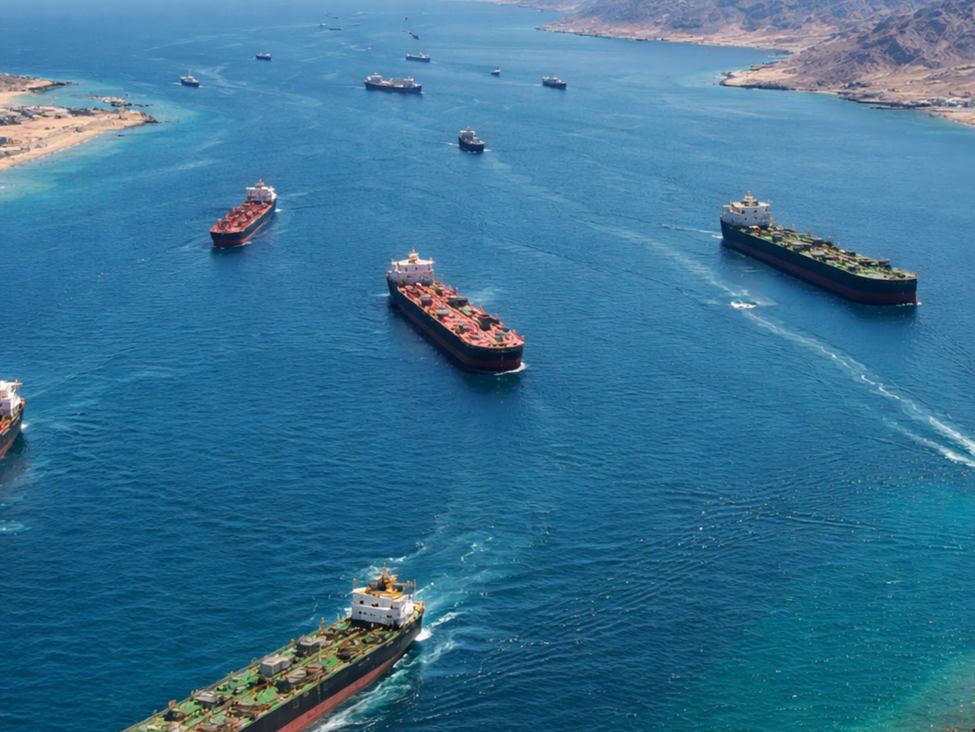
Iran reportedly to use alternative ports to bypass US blockade of Strait of Hormuz
It is reported that Iran will be seeking alternative means to get shipments in/out of the country amid the US blockade of the Strait of Hormuz currently. These alternative ports are said to be located in the southern region of Iran. No specific names are being mentioned as to which ports these may be though.Well, I’m not sure how that would work honestly. The more prominent ports south of Iran are still somewhat located along the Gulf of Oman. And I would wager that these ports will also be heavily guarded and monitored by the US as part of their blockade.The Chabahar Port is arguably the one located furthest out of the Strait of Hormuz but it would not take much for the US to reposition to add that as part of their blockade I would assume. We shall see I guess.While some ships have managed to pass through the US blockade in the past 36 hours, US military forces have now reaffirmed that the blockade is “fully implemented” a few hours ago. Adding that “US forces have completely halted all economic trade going into and out of Iran by sea”. This article was written by Justin Low at investinglive.com. 🔗 Source 💡 DMK Insight Iran’s move to alternative shipping routes could shake up oil prices significantly. With the Strait of Hormuz being a critical chokepoint for global oil supply, any disruption here can lead to immediate price volatility. Traders should keep an eye on Brent and WTI crude oil futures, as tensions escalate. If Iran successfully reroutes shipments, it might mitigate some pressure on their economy but could also provoke further sanctions or military responses from the U.S. and its allies. This situation is fluid, and the potential for sudden spikes in oil prices is high, especially if geopolitical tensions escalate. Watch for any announcements regarding specific ports or military actions in the region, as these will be key indicators of market direction. Additionally, keep an eye on related assets like energy stocks and ETFs, which could react sharply to any developments. Here’s the thing: while some might see this as a mere logistical adjustment, the broader implications for global energy supply chains could be profound. Traders should be prepared for volatility and consider protective strategies if they hold long positions in energy markets. 📮 Takeaway Monitor Brent and WTI crude prices closely; any news on Iran’s shipping routes could trigger significant volatility in the oil market.

EURUSD erases all the war-led losses amid US-Iran deal optimism. What's next?
FUNDAMENTAL OVERVIEWUSD:The US dollar extended the losses yesterday as the unwinding of the war-led positions on positive US-Iran deal expectations kept weighing on the greenback. The second round of negotiations are expected to start tomorrow. Trump delivered some upbeat remarks tonight mentioning that we’re going to be watching an amazing two days ahead. Everything now hinges on US-Iran talks. If negotiations were to break down again, we might see a short-term rally in the greenback, but as long as the ceasefire holds, the upside could remain limited. On the other hand, a peace deal might see the dollar extending the losses although a “sell the fact” type of reaction remains a risk.The market is now pricing in 10 bps of easing by year-end and that might increase on a peace deal. I think the market might get disappointed further down the road as the boost to economic activity amid a resilient labour market and rate cut expectations will likely keep inflation above the 2% target. EUR:On the EUR side, nothing has changed as ECB policymakers have continued to reiterate their hawkish bias while calling for patience given the unpredictability of the US-Iran situation and the impact on the economy. The recent data showed what everyone expected to happen to the economy, that is higher headline inflation and weaker economic activity. In case the war ends, the ECB will look through the short-term data and keep their neutral stance, while the market will keep on erasing the rate hike bets. EURUSD TECHNICAL ANALYSIS – DAILY TIMEFRAMEOn the daily chart, we can see that EURUSD surged into the 1.18 handle as the market erased the entire war-led selloff. We now have a support zone around the 1.1640 level. If we get a pullback into it, we can expect the buyers to step in with a defined risk below the support to position for a rally into the 1.20 handle. The sellers, on the other hand, will look for a break to pile in for a drop into the 1.14 handle next.EURUSD TECHNICAL ANALYSIS – 4 HOUR TIMEFRAMEOn the 4 hour chart, we have a trendline defining the bullish momentum. We can expect the buyers to continue to lean on the trendline with a defined risk below it to keep pushing into new highs. The sellers, on the other hand, will look for a break to extend the pullback into the 1.1640 support zone.EURUSD TECHNICAL ANALYSIS – 1 HOUR TIMEFRAMEOn the 1 hour chart, there’s not much we can add here as from a risk management perspective, the buyers will have a better risk to reward setup around the trendline. The sellers, on the other hand, will want to see the price breaking lower to gain more conviction and extend the pullback into new lows. The red lines define the average daily range for today. UPCOMING CATALYSTSTomorrow we get the latest US Jobless Claims figures, but the focus remains on the second round of US-Iran negotiations expected in the next two days. This article was written by Giuseppe Dellamotta at investinglive.com. 🔗 Source

Eurozone February industrial production +0.4% vs +0.3% m/m expected
Prior -1.5%; revised to -0.8%Euro area factory output nudged up more than estimated just before the start of the US-Iran conflict, and that is despite a more positive revision to the January figure as well. Amid higher energy prices and surging input cost inflation, expect conditions to change up more dramatically in the months ahead.The breakdown shows that there was an increase in production for intermediate goods (+0.5%), capital goods (+1.0%), and non-durable consumer goods (+2.6%). Meanwhile, there were decreases in the production for energy (-2.1%) and durable consumer goods (-1.3%).Relative to the same month a year ago, euro area industrial production is seen down 0.6% – similar as it was in January. This article was written by Justin Low at investinglive.com. 🔗 Source 💡 DMK Insight Euro area factory output just revised up, and here’s why that matters: The upward revision from -1.5% to -0.8% signals a potential resilience in manufacturing, which could influence the euro’s strength against the dollar. With the backdrop of rising energy prices and input cost inflation, traders should watch for how these factors might affect the European Central Bank’s (ECB) monetary policy. If manufacturing continues to show signs of improvement, it could lead to a hawkish shift from the ECB, impacting forex positions. But don’t overlook the geopolitical tension from the US-Iran conflict; it could create volatility in energy markets, which in turn might affect manufacturing output. Traders should keep an eye on key technical levels for the euro, particularly around recent highs and lows, as these could dictate short-term trading strategies. Watch for any shifts in sentiment that might arise from upcoming economic data releases or central bank comments, especially in the next few weeks as the situation evolves. 📮 Takeaway Monitor the euro’s performance against the dollar closely; a sustained improvement in factory output could trigger a bullish trend, especially if ECB policy shifts.
US sends thousands more troops to Middle East as Trump seeks to squeeze Iran – WaPo
Full report hereThe US is increasing its military presence in the Middle East as the two-week ceasefire approaches the April 22 deadline. The Pentagon is deploying approximately 10,000 additional personnel, including 6,000 troops aboard the USS George H.W. Bush and 4,200 with the Boxer Amphibious Ready Group and the 11th Marine Expeditionary Unit. This surge will provide US Central Command with three aircraft carriers in the region, offering a wide array of strike options should negotiations led by Vice President JD Vance fail to produce a deal regarding Iran’s nuclear program and the reopening of the Strait of Hormuz.To exert maximum economic pressure, Trump has implemented a maritime blockade of Iranian ports, with over a dozen warships currently intercepting vessels in the Gulf of Oman and the Arabian Sea. While the President has expressed optimism that the war is close to an end, he has issued warnings that any interference with the blockade will be met with immediate and brutal force. Beyond naval maneuvers, US officials are reportedly considering high-risk ground contingencies, including Special Operations missions to seize nuclear materials and the potential occupation of strategic Iranian islands or oil export facilities like Kharg Island.Military analysts warn that while these maneuvers provide significant leverage, they carry substantial risks. Shipboarding operations and potential ground incursions could lead to significant American casualties. The administration maintains that keeping all military options on the table is the only way to force Tehran into an acceptable agreement before the current fragile peace dissolves.This is reminiscent to US military buildup before the war started back in February and it’s weighing a bit on sentiment. For now, it’s only a precaution as Iran has also been rebuilding its military arsenal. Nonetheless, traders will have to be nimble in case things go south as there’s been too much complacency recently. This article was written by Giuseppe Dellamotta at investinglive.com. 🔗 Source 💡 DMK Insight The US ramping up military presence in the Middle East could shake up market sentiment, especially in risk-sensitive assets like crypto. With ETH currently at $2,322.72, traders should be on alert for potential volatility as geopolitical tensions often lead to market reactions. Increased military activity can create uncertainty, prompting investors to shift towards safer assets or even liquidate positions in riskier markets like crypto. This could lead to a short-term dip in ETH prices if traders panic. On the flip side, if the situation stabilizes, we might see a rebound as investors return to risk-on strategies. Keep an eye on the $2,250 support level; a breach could signal further downside. Conversely, a strong bounce back above $2,400 might indicate renewed bullish sentiment. Watch for news updates and market reactions closely, as they could dictate ETH’s next moves in the coming days. 📮 Takeaway Monitor ETH closely around the $2,250 support level; a break could trigger further declines, while a bounce above $2,400 might signal a recovery.

The S&P 500 is almost back to all-time highs as US-Iran deal optimism fuels a crazy rally
FUNDAMENTAL OVERVIEWThe S&P 500 has been surging like crazy as traders kept on unwinding the bearish war-led bets amid US-Iran deal optimism. The US-Iran war has been pushing the market lower on negative growth expectations and as those expectations now get repriced on the positive side, the S&P 500 has lots of room to reach new record highs. The playbook is very similar to April 2025. Looking ahead, everything now hinges on US-Iran talks expected to start tomorrow. Trump delivered some upbeat remarks tonight mentioning that we’re going to be watching an amazing two days ahead. If negotiations were to break down again, we might see a short-term selloff, but as long as the ceasefire holds, the downside will likely remain limited. On the other hand, a peace deal might extend the rally into new record highs, although there’s also a good argument for an initial “sell the fact” type of reaction.S&P 500 TECHNICAL ANALYSIS – DAILY TIMEFRAMEOn the daily chart, we can see that the S&P 500 is now back near the all-time high. This is where we can expect the sellers to step in with a defined risk above the all-time high to position for a pullback into the 6,750 support. The buyers, on the other hand, will look for a break higher to increase the bullish bets into new record highs.S&P 500 TECHNICAL ANALYSIS – 4 HOUR TIMEFRAMEOn the 4 hour chart, we have a couple of trendlines that could act as support. If we get a pullback, we can expect the dip-buyers to lean on the trendlines with a defined risk below them to keep pushing into new highs. The sellers, on the other hand, will look for a downside breaks to pile in for new lows.S&P 500 TECHNICAL ANALYSIS – 1 HOUR TIMEFRAMEOn the 1 hour chart, there’s not much we can add here as from a risk management perspective, the buyers will have a better risk to reward setup around the trendlines, while the sellers will need the price to break below them to open the door for new lows. The red lines define the average daily range for today. UPCOMING CATALYSTSTomorrow we get the latest US Jobless Claims figures, but the focus remains on the second round of US-Iran negotiations expected in the next two days. This article was written by Giuseppe Dellamotta at investinglive.com. 🔗 Source 💡 DMK Insight The S&P 500’s recent surge reflects a significant shift in trader sentiment, driven by optimism surrounding a potential US-Iran deal. As bearish positions unwind, traders are recalibrating their outlook on growth, which could lead to a more sustained rally if the optimism holds. This shift is crucial for day traders and swing traders alike, as it opens up opportunities for long positions, particularly if the index can maintain momentum above key resistance levels. Watch for the S&P 500 to hold above its recent highs to confirm this bullish sentiment. However, it’s worth noting that if the deal falters or geopolitical tensions escalate again, we could see a rapid reversal, making risk management essential. Keep an eye on related sectors, especially energy and defense, which may react strongly to any news regarding the US-Iran situation. 📮 Takeaway Monitor the S&P 500 for sustained momentum above recent highs; a failure to hold could signal a quick reversal.
Is the worst of the energy crisis behind us?
With news of a two-week truce, crude oil price has slipped below $100 a barrel. Even though the Strait of Hormuz has not reopened yet and despite U.S. threats to block Iranian tankers and those of its supporters, markets still seem to be holding out hope that this conflict might be winding down.What could rattle the oil market again?If the negotiations between parties fall apart and tensions flare up again, Iran might not just target energy infrastructure in neighboring countries but try to block the Bab el Mandeb Strait in the Red Sea. In that case, instead of losing 8–9 million barrels per day in oil flows, the disruption could reach as much as 25 million barrels per day.And it is not just about oil and gas. The Strait of Hormuz and the Bab el Mandeb are also key routes for a wide range of essential commodities, including fertilizers, sulfuric acid, and aluminum. So any further escalation would not just push up energy prices, it could ripple across the global economy and eventually move markets sharply.If things simply stay as they are, with neither real escalation nor meaningful improvement, the damage starts to build over time. Oil-importing countries are already feeling the strain. China, for example, is beginning to come under pressure, even though it still has sizable reserves.In particular, in March, China’s exports grew by just 2.5% year on year, well below the expected 8%. High energy costs are squeezing economies that rely on imported oil and gas, which in turn weakens their demand for foreign goods. As for the U.S., one of the main spillover effects of the conflict has been rising inflation. Driven by higher energy prices, consumer prices increased by 0.9% month on month and 3.3% year on year in March. Inflation expectations are also climbing. According to the University of Michigan, one-year expectations rose from 3.8% to 4.8%, while five-year expectations edged up from 3.2% to 3.4%. At the same time, U.S. consumer sentiment has fallen sharply to a historic low of 47.6.If the crisis is not resolved soon, the Federal Reserve could take a more hawkish stance, and any interest rate cuts this year may have to be put on hold.For now, though, markets are still holding on to hope, encouraged by optimistic headlines around the negotiations. This article was written by IL Contributors at investinglive.com. 🔗 Source 💡 DMK Insight Crude oil’s drop below $100 signals shifting market sentiment amid geopolitical tensions. The recent two-week truce has traders reassessing their positions, especially with the Strait of Hormuz still closed. This situation creates a paradox: while the threat of supply disruption looms, the market’s optimism about a resolution is pushing prices down. For day traders, this could mean shorting crude oil if it fails to hold above key support levels. Watch for a potential bounce around $95, which could trigger a reversal if sentiment shifts again. On the flip side, if tensions escalate, we could see a rapid spike back above $100. Keep an eye on U.S. inventory reports and any news from OPEC, as these could provide clues on future price movements. The real story is how quickly traders pivot from hope to fear, so stay nimble and ready to adjust your strategies based on breaking news. 📮 Takeaway Watch for crude oil prices around $95; a break below could trigger further declines, while a bounce might signal a buying opportunity.
US president Trump: I think the war with Iran can be over very soon
Predicts that oil prices will drop back to or below previous levelsChina has not responded to the blockade on the Strait of HormuzIf Iran doesn’t agree to give up nuclear weapons, there will be no dealIran will not have nuclear weaponsThe headline comment is pretty much a rehash of what he had to say overnight. That being: “I view it (the war) as very close to over. If I pulled up stakes right now, it would take them 20 years to rebuild that country. And we’re not finished. We’ll see what happens. I think they want to make a deal very badly.”He also earlier in the day went on to say that he isn’t thinking about extending the ceasefire period, as he does not believe that it will be necessary to do so. That before giving markets much hope in saying that: “I think you’re going to be watching an amazing two days ahead. I really do.”For now, the optimistic backdrop is set in place as we await the next round of negotiations on Thursday.Markets are not building further from the overnight rally, with S&P 500 futures more tepid today and down by 0.1% currently. In the major currencies space, the dollar is keeping more mixed across the board. That being said, the changes are relatively light among dollar pairs. EUR/USD is down 0.1% to 1.1780 while USD/JPY is up 0.1% to 158.95 and AUD/USD up 0.2% to 0.7138 at the moment. This article was written by Justin Low at investinglive.com. 🔗 Source 💡 DMK Insight Oil prices are under pressure as predictions suggest a drop back to previous levels, primarily due to geopolitical tensions and market sentiment. With China remaining silent on the blockade in the Strait of Hormuz, traders should be wary of potential supply disruptions that could impact prices. If Iran continues to resist nuclear negotiations, the likelihood of a deal diminishes, which could further destabilize the region and affect oil supply. Traders need to keep an eye on key technical levels for crude oil; if prices break below recent support levels, it could trigger a wave of selling. The broader context here is that any escalation in tensions could lead to volatility, but right now, the market seems to be pricing in a more stable scenario. Watch for any news from Iran or changes in China’s stance, as these could serve as catalysts for price movements. Additionally, monitor the correlation with related assets like energy stocks, which may react to shifts in oil prices. 📮 Takeaway Watch for oil prices breaking key support levels; geopolitical developments with Iran and China could trigger significant volatility.
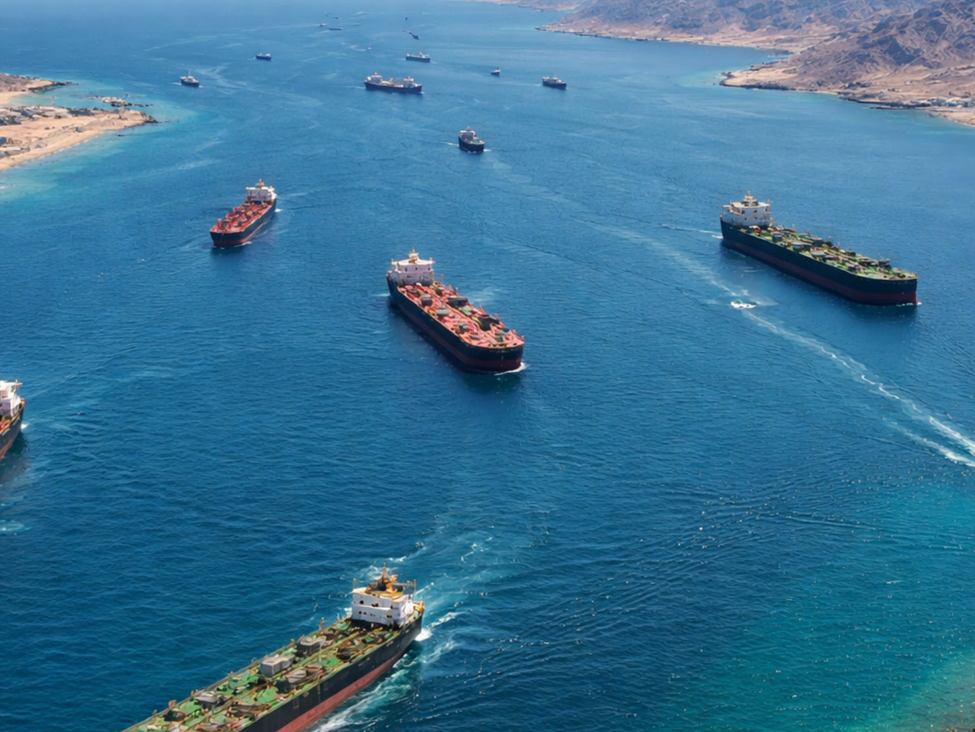
IRGC warns to stop all imports and exports in the Gulf of Oman if US continues blockade
At the same time, they are also threatening to disrupt all commercial shipping in the Red Sea if the blockade continues.In case you missed it, the US military had earlier in the day announce that it has now “fully implemented” a naval blockade on all Iranian ports. This even led to some murmurs about Iran exploring alternatives but that didn’t seem too viable. From earlier in the session: Iran reportedly to use alternative ports to bypass US blockade of Strait of HormuzWith a second round of talks slated for tomorrow, the IRGC threat here is certainly an interesting one. That as you would assume that if a peace deal is on the cards, perhaps there is not much of a need to issue such a threat. However, perhaps it is just a bit of a show of force that they won’t so easily compromise on the situation.I guess we’ll have to wait and see in due time.For some context, the Gulf of Oman is located just outside the Strait of Hormuz and houses one of a key port in the UAE, namely the Fujairah Port. That among other major ports for oil and gas under Oman too. And it also covers around two major Iranian ports – namely the Chabahar Port and the Jask Port. This article was written by Justin Low at investinglive.com. 🔗 Source 💡 DMK Insight The US military’s full naval blockade on Iranian ports is a game changer for traders, especially those in commodities and shipping. This move not only heightens geopolitical tensions but also poses a significant risk to oil prices and shipping routes in the Red Sea, a critical passage for global trade. If commercial shipping is disrupted, we could see immediate spikes in shipping costs and delays, impacting everything from oil to consumer goods. Traders should keep an eye on Brent crude and WTI prices, as any escalation could push these benchmarks higher, especially if supply chains are affected. But here’s the flip side: while oil prices might soar, the broader market could react negatively to increased geopolitical risk, leading to volatility in equities and forex markets. The key levels to watch are the $90 mark for Brent and $85 for WTI—breakouts above these could signal a sustained rally. Keep an eye on shipping stocks and ETFs as well; they could see significant movement based on how this situation unfolds. Watch for updates on the blockade’s impact over the coming days, as any news could trigger rapid market reactions. 📮 Takeaway Monitor Brent crude around $90 and WTI near $85 for potential breakout signals amid rising geopolitical tensions.

Latest risk turnaround in markets might not go unchecked – Credit Agricole
Credit Agricole argues that markets are currently riding a wave of optimism all thanks to US president Trump giving hope that a peace deal looks to be on the cards. However, the firm doesn’t quite see things panning out that way with the US and Iran still unable to come to terms on “a number of key issues”. At this stage, it’s pretty much only on the nuclear agreement I would say.As such, they view that the latest risk rally in markets could still run into a few stumbling blocks before the whole Middle East conflict subsides. And if so, the dollar selling in the past week could very well reverse course especially if the de-escalation in tensions turn back to re-escalation instead.Credit Agricole notes that:”FX investors seem to believe that the TACO (i.e. “Trump Always Chickens Out”) trade is very much alive and well and that the end of the conflict with Iran is drawing close, making risk assets attractive and weighing on the USD across the board. We disagree with the above explanation for several reasons: (1) the blockade of the Strait of Hormuz need not lead to a de-escalation anytime soon, given how far apart the US and Iran remain on a number of key issues; (2) the benign market response so far could ‘encourage’ the US to ramp up pressure on Iran and to re- escalate the conflict; and (3) while some of the recent US data has disappointed, large swathes of the economy still seem robust enough to help the economy outperform the likes of the Eurozone and the UK.We conclude that the US blockade could drag on, restrict global energy supply further and increase the risk of growth-negative energy demand cuts by energy importers. We thus doubt that investors can have their TACO and eat it too and disagree that the latest risk rally can continue unimpeded.”(h/t @ eFXdata) This article was written by Justin Low at investinglive.com. 🔗 Source 💡 DMK Insight Optimism over a potential US-Iran peace deal is driving market sentiment, but here’s the catch: it’s fragile. While traders are riding this wave, Credit Agricole’s skepticism highlights the risk of overexposure to geopolitical narratives. If talks falter, we could see a sharp reversal in sentiment, impacting not just equities but also commodities like oil, which often reacts to Middle Eastern tensions. Traders should keep an eye on key levels in oil futures; a drop below recent support could signal a broader market correction. Watch for volatility spikes in the coming weeks as news develops, especially around any official announcements or lack thereof from both governments. The real story is that while optimism can fuel short-term gains, the underlying geopolitical risks remain a ticking time bomb that could catch many off guard. 📮 Takeaway Monitor oil prices closely; a break below key support levels could trigger significant market corrections amid geopolitical tensions.