
 Bitcoin
  Ethereum
  Tether
  XRP
XRP  BNB
BNB  USDC
USDC  Solana
  TRON
TRON  Lido Staked Ether
  Figure Heloc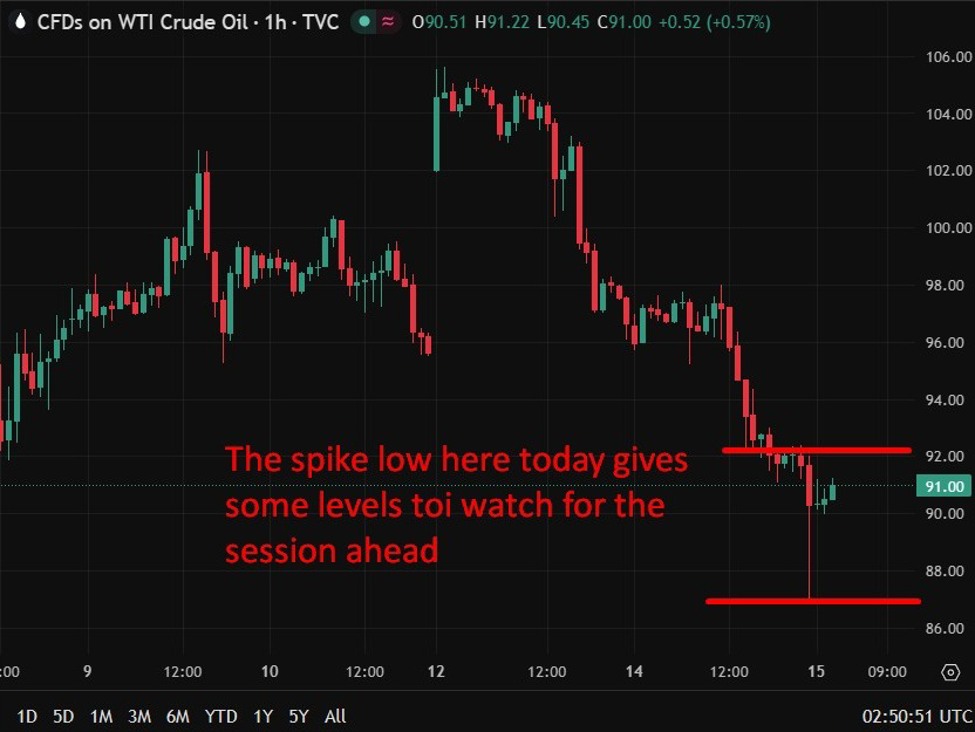
Iran is rebuilding access to underground missile bases during the ceasefire, highlighting the temporary nature of the pause and the risk of renewed conflict.Summary:Iran clearing debris from underground missile bases during ceasefire US–Israel strikes targeted tunnel entrances to disable launchers Around half of Iran’s missile launchers assessed still intact “Missile cities” designed to absorb strikes and rapidly reconstitute Highlights fragile ceasefire and persistent re-escalation risk Iran is moving to restore access to its underground missile infrastructure during the ceasefire, according to satellite imagery reviewed by CNN, underscoring the temporary nature of the current lull in hostilities.The images show heavy machinery clearing debris from tunnel entrances linked to so-called “missile cities,” with rubble being removed to reopen access routes. These facilities had been targeted extensively by US and Israeli strikes, which focused on sealing tunnel entrances to prevent missile launchers from deploying or returning to reload.Despite the sustained campaign, US intelligence assessments indicate that roughly half of Iran’s missile launchers remain intact after a month of fighting. However, many of these assets are believed to have been rendered temporarily unusable, buried behind blocked tunnel systems rather than destroyed outright.The current activity suggests Iran is attempting to reconstitute its operational capability, taking advantage of the ceasefire window to restore mobility and readiness. Analysts note that this aligns with the intended design of the underground network, which is built to withstand initial strikes and enable a rapid recovery phase.The concept behind these hardened facilities is inherently cyclical: absorb an attack, clear access, and resume operations. As such, the reopening of tunnel entrances may not represent escalation in itself, but rather a predictable phase in Iran’s military doctrine.For markets and policymakers, the development reinforces the fragility of the ceasefire. While near-term tensions may have eased, the underlying military balance remains largely intact, raising the risk that hostilities could resume once capabilities are restored. —For markets, the development tempers optimism around de-escalation, highlighting that the ceasefire may be providing space for military rebuilding rather than a durable resolution. This keeps geopolitical risk premia elevated, particularly in energy markets, where renewed conflict could quickly disrupt supply. Any signs of restored missile capability are likely to reinforce volatility in oil prices and sustain demand for safe-haven assets.—The mood today in Asia has been of continued optimism, with Vance and Trump both goosing markets:Vance signals US–Iran progress, pushes ‘grand bargain’ as ceasefire holdsHeads up for Trump interview. “He said, its over.”Trump says Iran war: “I view it as very close to over.” This article was written by Eamonn Sheridan at investinglive.com. 🔗 Source 💡 DMK Insight Iran’s ongoing reconstruction of missile bases during the ceasefire signals a precarious situation for traders, especially in energy and defense sectors. The fact that around half of Iran’s missile launchers remain intact suggests that any escalation in conflict could lead to significant disruptions in oil supply, impacting global prices. Traders should keep an eye on geopolitical developments, as renewed hostilities could trigger volatility in oil markets, particularly if tensions escalate between the US and Israel. Additionally, defense stocks might see a surge if military actions resume. It’s worth noting that while the ceasefire appears to provide temporary relief, the rebuilding efforts indicate that Iran is preparing for potential future conflicts. This could lead to increased risk premiums in oil prices. For those trading energy commodities, monitoring key levels around recent highs could be crucial, as a breach might signal a bullish trend driven by geopolitical fears. 📮 Takeaway Watch for any escalation in US-Iran tensions; a renewed conflict could spike oil prices and impact defense stocks significantly.

Former Fed Chair Yellen sees one Fed cut possible as Iran-driven inflation clouds outlook.
Yellen sees one Fed rate cut still possible this year, despite inflation risks from the Iran war shifting market expectations away from easing.Summary:Janet Yellen sees one Fed cut still possible this year Iran war driving broad supply shock, lifting inflation pressures Markets have priced out cuts despite earlier expectations Fed remains data-dependent with uncertainty elevated Policy outlook caught between inflation risks and growth concerns Former Fed Chair and US Treasury Secretary Janet Yellen said the Federal Reserve could still deliver one interest rate cut later this year, even as the Iran war fuels inflationary pressures and complicates the policy outlook.Speaking at the HSBC Global Investment Summit in Hong Kong, Yellen noted that while short-term inflation expectations have edged higher, policymakers are likely to remain flexible. She suggested that, if forced to make a call, a single rate cut later in the year would be her base case.Her comments come as the Fed continues to hold rates steady in the 3.50%–3.75% range, with previous projections indicating that at least one cut could be appropriate in 2026. However, the macro backdrop has shifted materially. The Iran war has triggered a sharp rise in energy prices, with oil up more than 30%, feeding into higher inflation and increasing uncertainty across global markets.Yellen described the conflict as a broad supply shock, warning that its effects are already visible in recent inflation data and are likely to intensify. US consumer prices have surged, driven in part by sharp increases in gasoline and diesel costs, marking the strongest gains in several years.This has led to a notable divergence between policy expectations and market pricing. While Fed projections still leave room for easing, traders have largely priced out rate cuts this year, reversing earlier bets for multiple reductions.Political pressure remains a factor. President Donald Trump has continued to criticise Fed Chair Jerome Powell for not cutting rates more aggressively, while backing a more dovish policy stance from potential successor Kevin Warsh.Taken together, the outlook reflects a delicate balancing act. The Fed faces rising inflation risks from energy shocks, but also growing uncertainty around growth, leaving the path for rates highly contingent on incoming data. This article was written by Eamonn Sheridan at investinglive.com. 🔗 Source 💡 DMK Insight Yellen’s hint at a potential Fed rate cut is a game changer, especially with inflation fears rising from the Iran conflict. Traders had largely priced out any cuts this year, but her comments could reignite interest in rate-sensitive assets. If inflation pressures continue to build due to the supply shock from the Iran war, we might see a tug-of-war between the Fed’s easing intentions and market realities. Watch how this plays out in sectors like tech and real estate, which are particularly sensitive to interest rates. The broader market could react sharply if the Fed signals a shift in policy, especially if inflation data comes in hotter than expected. On the flip side, if the situation in Iran escalates, it could lead to a flight to safety, impacting risk assets negatively. Keep an eye on the 10-year Treasury yield; a significant drop could indicate that traders are betting on a rate cut sooner rather than later. Watch for any upcoming inflation reports and Fed communications for clearer signals. 📮 Takeaway Monitor the 10-year Treasury yield closely; a drop could signal renewed expectations for a Fed rate cut amid rising inflation risks.
investingLive Asia-Pacific FX news wrap: Trump and Vance boost the positive vibes
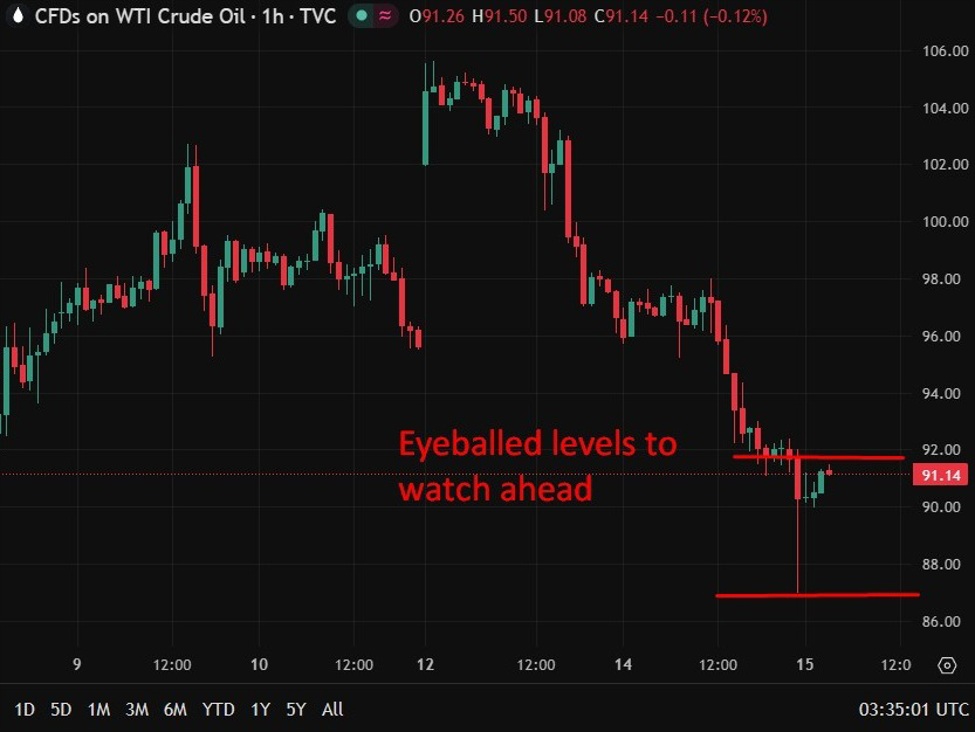
Former Fed Chair Yellen sees one Fed cut possible as Iran-driven inflation clouds outlook.Iran clears missile base tunnels during ceasefire, signalling rearmament riskHeads up for NZD and CHF traders, RBNZ Gov Breman and SNB Chair Schlegel to speakMuch chatter that Iran talks to resume as ceasefire extension discussedPBOC sets USD/ CNY mid-point today at 6.8582 (vs. estimate at 6.8096)Trump says Iran war: “I view it as very close to over.”Trump and Vance goosed the market – Iran talks, war over. Vibe trading.Australian jobs data preview: Labour data to miss Iran impact, slowdown seen laterJapan manufacturers’ confidence drops most in 3 years on Iran war impactHeads up for Trump interview at 6am US Eastern time Wednesday, April 15, 2026Vance signals US–Iran progress, pushes ‘grand bargain’ as ceasefire holdsOil market misreads Hormuz: supply remains tight despite reopening hopesBessent flags tariff return by July, adding to global risks from Iran warDeutsche Bank sees EUR/USD above 1.20 as dollar loses yield and safe-haven supportinvestingLive Americas market news wrap: The peace dividend continues to payOil: Private survey of inventory shows a headline crude oil build vs. draw expectedOver 100 empty oil tankers head to US ports to load export crudeADDED LATE: Trump said that he isn’t thinking about extending the ceasefire, adding that he doesn’t think it will be necessary. “I think you’re going to be watching an amazing two days ahead. I really do,”Summary: Optimism extends into Asia on US–Iran deal signals Vance flags progress, “grand bargain” framework in play Trump tone mixed: “very close to over” but not finished Oil softens as geopolitical risk premium eases Japan manufacturing sentiment hit by energy shock USD firms modestly, equities supported but off highsThe optimistic tone carried into the Asia session, supported by further constructive signals from US officials on Iran negotiations.US Vice President JD Vance said talks with Iran are progressing, with the ceasefire holding for a seventh consecutive day and a broader “grand bargain” under discussion. While key gaps remain, the continuation of negotiations is helping to underpin a cautiously constructive market mood. Reports also suggest Vance is expected to lead a potential second round of talks ahead of next week’s ceasefire deadline, alongside Steve Witkoff and Jared Kushner. Vance added that if Iran commits to forgoing nuclear weapons, the US would support its economic reintegration.Messaging from Donald Trump remained characteristically mixed. A promotional clip for a Fox interview suggested Trump viewed the war as “over,” which initially lifted sentiment. However, subsequent remarks were more measured, with Trump saying the conflict is “very close to over” but stressing operations are not yet complete and that developments in coming days will be key. The tone reflects ongoing uncertainty despite improving headlines.In markets, oil remained on the back foot, with softer price action suggesting a further easing in geopolitical risk premium. That said, the session spike low should provide near-term technical levels to watch.Data-wise, Japan’s Reuters Tankan survey showed the sharpest drop in manufacturing sentiment in three years, highlighting the growing impact of higher energy costs and supply disruptions, even as domestic-facing sectors remain relatively resilient.In FX, the US dollar saw a modest bounce, with USD/JPY pushing back toward the 159.00 level. US equity futures remained supported, albeit slightly off session highs, as markets balance improving geopolitical signals against lingering uncertainty. This article was written by Eamonn Sheridan at investinglive.com. 🔗 Source 💡 DMK Insight Yellen’s hint at a potential Fed cut could shake up the dollar and impact global markets. With inflation concerns stemming from geopolitical tensions, particularly around Iran, traders should be on alert. If the Fed signals a shift, it could lead to a weaker USD, affecting pairs like NZD/USD and CHF/USD. The upcoming speeches from RBNZ’s Breman and SNB’s Schlegel could provide further insights into how central banks are responding to these inflationary pressures. Watch for any dovish tones that might suggest a shift in monetary policy, especially if inflation data continues to surprise to the upside. On the flip side, if the Fed remains hawkish despite these pressures, it could strengthen the dollar, leading to a potential sell-off in commodities and risk assets. Keep an eye on the USD’s performance against major currencies, particularly as the situation in Iran evolves and talks resume. A key level to watch is the USD index; a break below recent support could signal a shift in sentiment. 📮 Takeaway Monitor the USD index closely; a break below support could indicate a shift in Fed policy and impact currency pairs like NZD/USD and CHF/USD.
Trump says he thinks extending the ceasefire will not be necessary
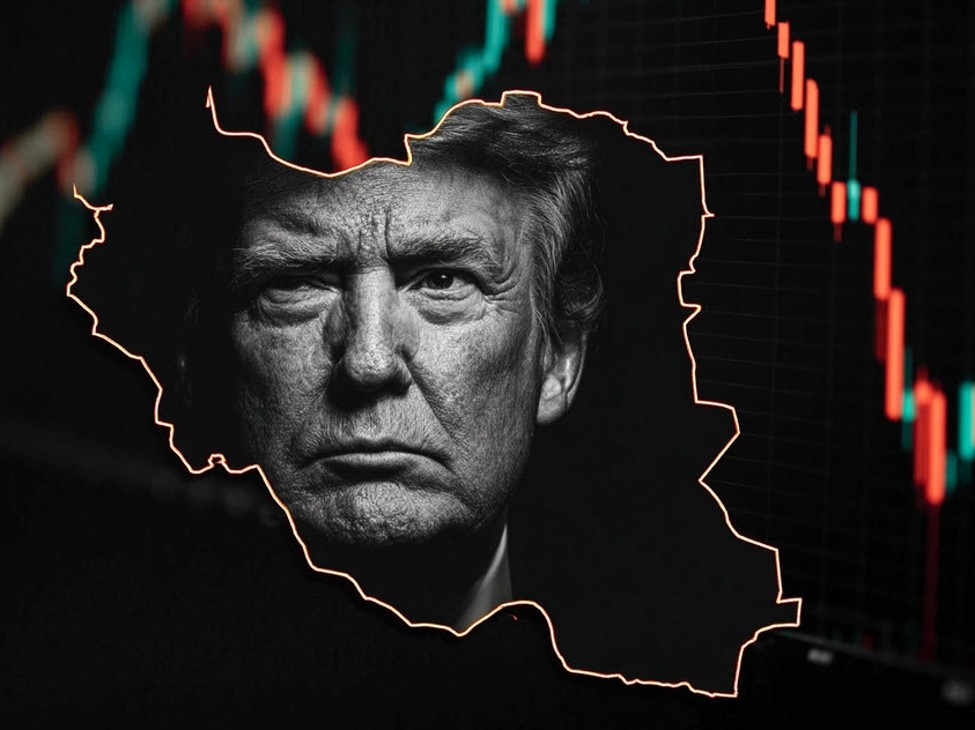
Trump speaking with ABC news in the US:said that he isn’t thinking about extending the ceasefire adding that he doesn’t think it will be necessary. “I think you’re going to be watching an amazing two days ahead. I really do,” Oil as remained heavy and shares supported through the session here. This article was written by Eamonn Sheridan at investinglive.com. 🔗 Source 💡 DMK Insight Trump’s comments on the ceasefire could impact oil prices significantly in the coming days. If traders interpret his remarks as a signal for increased tensions, we might see a spike in oil volatility. With oil already under pressure, any hint of conflict escalation could push prices higher, especially if geopolitical risks rise. Keep an eye on the $80 per barrel level; a break above could trigger further buying. Conversely, if the market views his comments as stabilizing, we might see oil prices consolidate. Additionally, equities could react to oil price movements, particularly energy stocks, which often correlate with crude fluctuations. Watch for trading volume and sentiment shifts in the next few days as the situation unfolds. 📮 Takeaway Monitor oil prices closely, especially around the $80 level, as Trump’s comments could trigger volatility in the coming days.
Ethereum analysis today with tradeCompass
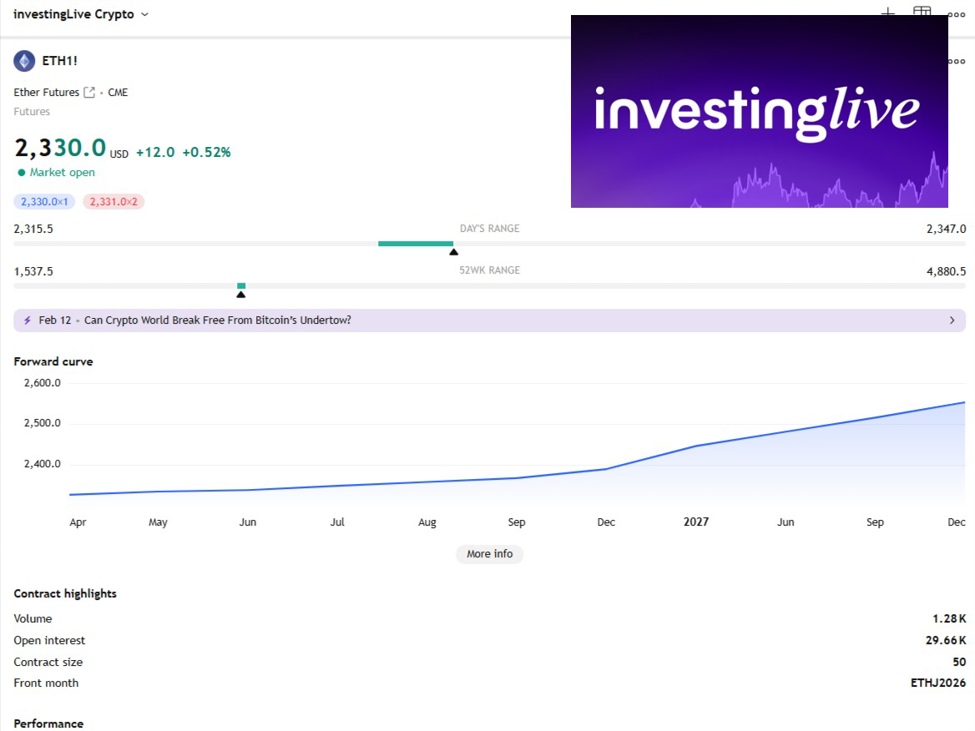
tradeCompass Summary Map for today’s ETH futures day tradersBullish threshold: $2425Bearish threshold: $2230ETH has clearly improved from the February low and the chart now shows a decent repair phase with higher lows and a healthier short-term trend. But price is also nearing an important upper band and prior reaction area. So the market looks constructive, yet it still needs to prove it can hold above the upper resistance zone rather than just get rejected from it again.Bullish scenario for Ether futures todayA sustained move above $2425 would strengthen the bullish case.That would suggest:the recent recovery is evolving into a more credible continuation movevalue is being accepted higherthe market may be ready to push into the next higher zone rather than remain trapped in a repair rangeBullish partial profit areasBecause we only have this chart and not a fuller multi-timeframe level map, I would treat upside targets more as zones than exact precision levels:TP1: 2465-2490TP2: 2525-2560TP3 / runner zone: 2600+The logic is to respect that a break above 2425 could start opening room toward the mid-2500s, but crypto can fake out, so partials matter.Bearish scenario for Ether futures todayIf ETH fails around 2390-2425 and then starts slipping back down, the move may still be just a rally within a broader range.A more meaningful bearish deterioration begins if price loses 2230.That would suggest:the latest recovery leg is weakeningbuyers are failing to hold the reclaimed middle zonethe chart may rotate back into a broader range or deeper pullbackBearish partial profit areasTP1: 2180-2150TP2: 2100-2050TP3 / stretch zone: 1940-1890How Etheruem traders can use this mapThe practical idea is not to predict every candle. It is to let price show whether it can sustain above the bullish threshold or fall back below the bearish threshold.Above 2425, the chart starts becoming more clearly bullish.Between 2230 and 2425, ETH may still be in a repairing range.Below 2230, the latest bullish repair loses credibility and the bearish case improves.Important educational noteA brief break above resistance is not enough on its own. What matters more is whether ETH can stay above it, build there, and avoid quickly falling back below it. The same is true on the downside. Real breaks usually show some follow-through, while weak breaks often snap back into the prior range.Crypto trade management reminderSet your stop just beyond your activation threshold with a small buffer. Do not place it too tightly on the line, but also do not place it so far away that the trade loses discipline. Never place a stop beyond the opposite threshold. If price breaks the opposite threshold, the setup is invalid and you should already be out.After TP2 is reached, move the stop to entry (breakeven).My bottom line remains:ETH looks improved and modestly bullish, but $2425 is the gate that would make the chart materially stronger.Ethereum Price Analysis Today: Ether Futures Price Prediction Stays Slightly Bullish, but Momentum Has WeakenedWhat about the order flow via orderFlow Intel? The Prediction Score for Ether futures now is: +1.5Reliability / Confidence: MediumShort verdict:This Ether futures price prediction remains slightly bullish, but only modestly. Ethereum futures already completed a meaningful recovery from the lows, yet the latest bars show that buyers have not clearly held higher value. Instead, price has slipped back into a balance area.ETH futures market state:Neutral to slightly bullish, after an earlier bullish repair phase that has lost momentum.Ethereum price analysis: the main storyThis Ethereum price analysis shows that ETH futures first came out of a weak bearish phase in the low-2200s, then improved sharply. The next bars pushed higher with better closes, and the high-volume areas rose from 2201.5 to 2216.0 to 2246.5. That suggested real repair, not just a random bounce.The biggest upside shift came on April 14, when Ether futures jumped from the mid-2200s into the 2310s and later extended through 2368.5, 2397.0, and 2420.5. Just as important, the high-volume areas also climbed in a clean sequence: 2335.5, 2366.5, 2391.0, and 2412.0. That is a constructive sign because it shows value was moving higher with price.The problem is that Ethereum could not hold that strength. Once price reached the 2410 to 2420 area, follow-through weakened. Price then slid back through 2390.5, 2359.5, and 2328.0, while the high-volume areas also moved lower. That tells us the earlier bullish repair has stalled.The latest bar is mixed. Price is trading around the POC at 2335.5, still inside the value area between VAL 2325.5 and VAH 2344.5. That points to balance, not strong trend control. Selling pressure is still visible, and buyers have not yet reclaimed the upper edge of value.Key levels for Ether futures price predictionThe main reason this Ether futures price prediction is still slightly bullish is the earlier recovery from the low-2200s into the low-2400s. That move was too strong and too structured to ignore.At the same time, the failure to hold above 2410 to 2420 weakens the bullish case. The market is no longer showing clean upside acceptance, and price has fallen back into a more neutral zone.For bulls, the key trigger is a reclaim and hold above VAH 2344.5. After that, buyers would need to rebuild acceptance toward 2384.5 to 2412.0 to improve the outlook.For bears, a clean break and acceptance below VAL 2325.5 would likely shift this Ethereum futures analysis into a more clearly bearish read.Ether futures price prediction todayMy current Ether futures price prediction is still slightly bullish at +1.5, but fragile. The earlier bullish repair was real, yet the latest price action shows that buyers have not fully secured control. Right now, Ethereum futures look more like a market in balance after a failed attempt to hold the highs, rather than a market already ready for a fresh upside breakout. This article was written by Itai Levitan at investinglive.com. 🔗 Source 💡 DMK Insight ETH’s recent climb to $2,322.72 is significant, but traders need to tread carefully as it approaches critical resistance levels. With bullish and bearish thresholds set at $2,425 and $2,230 respectively, the current price is flirting with a key upper band that
Markets keep the calm awaiting a potential US-Iran deal
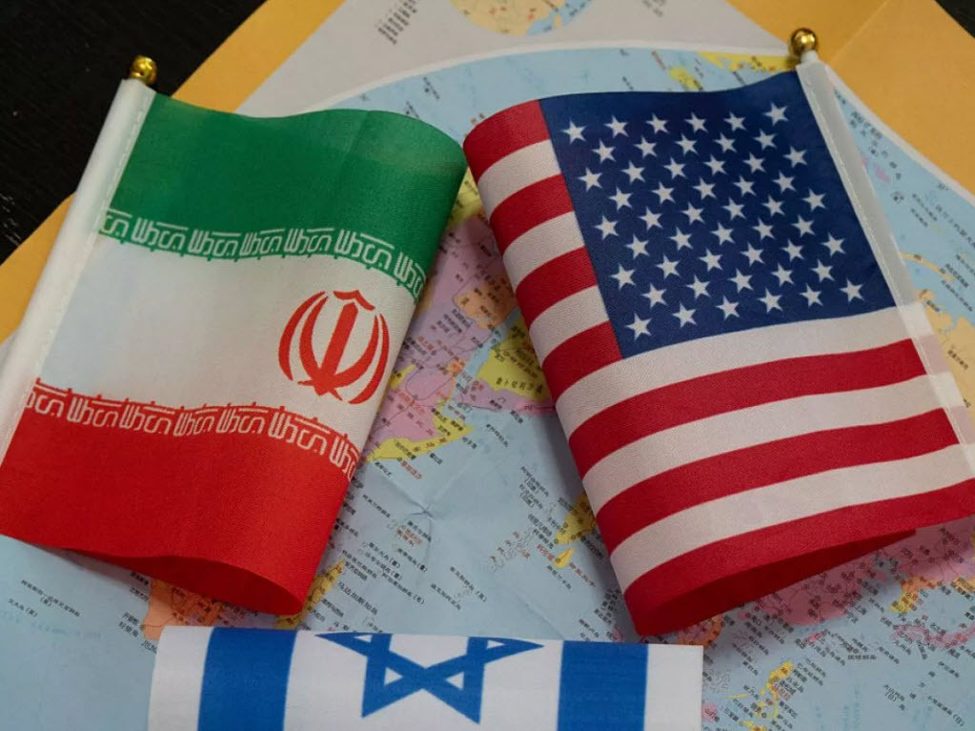
Hope springs eternal. And so far this week, markets are running with the optimism that there will be something done when we get to the second round of US-Iran talks. The next round of negotiations are set to take on Thursday, with plenty of upbeat commentary ahead of it. US president Trump is the main man selling the narrative, as he says that the war is “very close to over”. That before adding “I think you’re going to be watching an amazing two days ahead”.The mood music is a stark contrast from where we were just right off the weekend. As a reminder, that was when talks collapsed and US vice president Vance walked away from negotiations in Islamabad.Right now, markets are betting that a deal will come sooner rather than later. That’s what we are seeing priced into the oil market and also risk trades in the past two days.WTI crude has dropped by over 13% since the Monday high, keeping near three-week lows now just above $91. Meanwhile, US stocks have made an impressive turnaround as the AI trade finds renewed life since last week. The S&P 500 is now just 0.5% away from a fresh record high. And the Nasdaq is just 1.6% away from its own record levels. What war again?And for all the optimism, you’d figure that risk trades will have more legs to run once we get past this whole Middle East episode. That as the focus turns towards how the coming inflation hiccup might just be “transitory”. And if so, major central bank rate hike expectations will pull back further and add more fuel to the risk rally.But with all that is said and done, it’s still a case of what happens with the Strait of Hormuz next. Markets are eager to move on and put this whole conflict in the rearview mirror. However, the fact remains that nothing will change until something changes on the Strait of Hormuz.And if Iran continues to also disrupt key energy facilities in the Gulf region, it is not just Asia that will continue to suffer but also Europe.I would imagine Iran agreeing to some terms on the ceasefire and being less hostile. However, to see them give up their ace in the hole and key leverage is a whole other thing. At most, we can expect Iran to open up some freer passage through the strait but it won’t be the same as it was before surely.Only time will tell for now. This article was written by Justin Low at investinglive.com. 🔗 Source 💡 DMK Insight Optimism around US-Iran talks is fueling market sentiment, but traders need to tread carefully. With ETH currently at $2,322.72, the crypto market is reacting to broader geopolitical developments. If negotiations yield positive outcomes, we could see a surge in risk appetite, potentially pushing ETH higher. However, if talks falter, expect volatility—especially with ETH’s recent price action showing resistance near $2,400. Traders should monitor not just the outcome of the talks but also any shifts in sentiment that could affect correlated assets like BTC. A failure to reach an agreement could lead to a sharp sell-off, so keep an eye on the daily chart for signs of weakness or strength. Here’s the thing: while the mainstream narrative is focused on optimism, the reality is that geopolitical risks can turn quickly. Be prepared for both sides of the trade, and consider setting alerts around key levels like $2,400 and $2,250 to capture potential moves. 📮 Takeaway Watch for ETH’s reaction around $2,400; a break above could signal bullish momentum, while failure to hold $2,250 may trigger selling pressure.
FX option expiries for 15 April 10am New York cut
There are a few to take note of on the day, as highlighted in bold below.The first ones are for EUR/USD at the 1.1750 and 1.1800 levels. The fact of the matter is that markets are looking to turn the page on the US-Iran conflict. And that means running with the optimism so far this week, in hopes that there will be a deal after the second round of talks on Thursday.The dollar has continued to stumble this week as such, with EUR/USD now testing the waters near 1.1800 again. The figure level had previously been a bit of a stubborn resistance point and might act up again this time around. That being said, the bigger driver of price action remains the dollar sentiment and overall risk mood.For now, markets are calmer and that might lend a hand to the expiries in having more of an impact in keeping price action closer to the figure level before US trading.Likewise, the same can be said for the ones for USD/JPY at the 158.85 level. The expiries don’t tie to any technical significance but could act as a bit of a light magnet for price action during the session ahead. But if risk trades start to perk up or pull back a little, expect that to have a bigger say on price action rather than the expiries above.And lastly, there is the one for AUD/USD at the 0.7125 level. Again, the expiry does not tie to any technical significance and so the impact might be more muted as the bigger drivers of price action are the dollar sentiment and broader market mood for now. But if we are to settle into a bit of a calmer and wait-and-see mood in Europe, the expiries could help to keep a floor on any downside price extensions in the session ahead at least.For more information on how to use this data, you may refer to this post here. This article was written by Justin Low at investinglive.com. 🔗 Source 💡 DMK Insight EUR/USD is flirting with key resistance levels at 1.1750 and 1.1800, and here’s why that matters: With the US-Iran conflict potentially easing, traders are eyeing these levels for breakout opportunities. A sustained move above 1.1800 could trigger a wave of buying, pushing the pair higher, while a failure to break could lead to a pullback. Watch for volatility as sentiment shifts; if geopolitical tensions ease, the dollar might weaken, benefiting the euro. But don’t ignore the flip side—if tensions flare up again, we could see a rapid reversal. Keep an eye on economic indicators from both regions, as they could influence these levels significantly. The next few days are crucial; monitor price action closely around these resistance points for potential trading signals. 📮 Takeaway Watch EUR/USD closely at 1.1750 and 1.1800; a breakout above 1.1800 could signal a strong upward move.

The Rise of Digital Nomad Traders in Forex Markets
Trading currencies while traveling the world used to be either a fantasy or a cautionary tale (mostly the latter) for the better half of the last decade. But something seems to have shifted, and the data makes a solid case that the digital nomad trader, once a punchline, has become a real and growing part of the global retail forex market.A recent report puts the US digital nomad count at 18.5 million, up 153% since 2019. Globally, the number sits around 40 million people as of 2025, roughly double the count from just a few years prior. Within that population, the major share deals with forex and CFDs professionally, drawn to a market that, unlike equities, has no geographic allegiance (running 24 hours a day, five days a week, regardless of whether a trader is in Tokyo, Tallinn, or Tbilisi).However, what has changed is not just the headcount but the quality of the infrastructure around these traders as well as the level of discipline the experienced ones have developed.The Real Challenges of Forex Trading as a Digital NomadFrom the outside looking in, connectivity remains the most consequential operational variable for traders as in fast-moving currency markets, even a second delay can translate to a price slip of 2–5 pips (small in isolation, but compounding across dozens of trades a week). Experienced digital nomads, therefore, have had to adapt with setups including dual-SIM devices, portable Wi-Fi hotspots, and Virtual Private Servers (VPS) capable of executing orders from stable data centers near major trading hubs, even when the trader’s local connection is unreliable.Time zone management is the other structural problem since the forex market’s most liquid window, the overlap between the London and New York sessions, runs roughly from 8 AM to noon EST which for a trader based in Southeast Asia is the middle of the night. And while most experienced nomadic traders have stopped fighting this and simply built their schedules around it, the psychological side is harder to dismiss. For instance, traders who skip pre-market preparations to explore a new city can often return to find a missed setup and then compound that same error with an impulsive recovery trade. Choosing the Right Platform to Explore Forex TradingFor traders on the move, platform reliability is not a nice-to-have but rather an operational requirement because mobile execution quality, multilingual support, and consistent performance across different regions can quite easily determine whether a trader can actually do the job, wherever they happen to be.In this regard, Trade W has built its core offering with exactly these use cases in mind, offering clients access to over 100 financial instruments worldwide, with interface support in English, Indonesian, Portuguese, and several other languages (a practical recognition that its user base spans continents). Moreover, the mobile and desktop apps are built to the same standard, with their respective trade engines processing orders within milliseconds, something that matters when a news event moves a currency pair by 30 pips in seconds. Lastly, Trade W holds a regulatory license from the Seychelles Financial Services Authority and operates across 50+ countries, which means traders moving between regions face fewer access barriers than they would with a broker built for a single market. Put simply, the company has carved out an infrastructure that is accessible virtually anywhere so that a traveler (say, in Africa or Southeast Asia) faces as few barriers when accessing their trading accounts when compared to someone in the EU or North America.From Flexibility to Discipline: What Empowers Nomad TradersAs the boom in the digital nomad population continues, the tools needed to trade professionally while traveling seem to be evolving fast and reaching a point where the lifestyle is genuinely viable or at least at par with any other trading career. In this light, individuals who are able to make such setups work cannot only chase scenery but also finally come to the realization that markets do not care where they sit but if they show up prepared. Therefore, backed by platforms like Trade W alongside non-negotiable daily routines, the idea of the modern digital nomad is fast being looked at not just as a mere curiosity but a measurable presence whose impact on the global retail market can no longer be denied. This article was written by IL Contributors at investinglive.com. 🔗 Source 💡 DMK Insight The rise of digital nomad traders is reshaping the forex and crypto landscape, and here’s why that matters right now: With ETH at $2,322.72 and SOL at $83.34, the current market dynamics are ripe for those who can leverage mobility and technology. As more traders embrace remote work, we’re seeing a shift in trading strategies that prioritize flexibility and real-time decision-making. This trend could lead to increased volatility as more participants enter the market from diverse locations, potentially impacting liquidity and price movements. Traders should keep an eye on how this influx of new participants might affect trading volumes and market sentiment, especially in the wake of recent price fluctuations. But there’s a flip side: while the digital nomad lifestyle offers freedom, it also introduces risks like connectivity issues and time zone challenges that could hinder timely trades. As we move into the next quarter, watch for key technical levels in ETH and SOL—if ETH breaks above $2,400, it could signal a bullish trend, while SOL’s performance around $80 will be crucial for maintaining upward momentum. Monitoring these levels can help traders position themselves effectively in this evolving market landscape. 📮 Takeaway Watch for ETH to break $2,400 and SOL to hold above $80; these levels could signal significant shifts in market momentum.
France March final CPI +1.7% vs +1.7% y/y prelim
Prior +0.9%HICP +2.0% vs +1.9% y/y prelimPrior +1.1%On the month itself, headline inflation rose by 1.0% and that is largely tied to a surge in energy prices (+8.9%). That’s no surprise given the impact of the US-Iran conflict, which has seen European gas prices skyrocket last month. Of note, prices for petroleum products saw the biggest jump – up 17.1% on the month.In terms of core annual inflation, that is seen up a little to 1.1% in March as well. That compares with the 0.9% reading in February before that. That comes as we see a slight acceleration in services inflation, which nudged up to 1.7% in March from 1.6% in February.Overall core services inflation was seen up 0.5% on the month, bringing the year-on-year change to 1.9%. Meanwhile, core food prices were down marginally by 0.1% but the year-on-year change remains positive at 0.3%.One can reasonably expect April to reflect a further pickup in inflation pressures given the macro landscape. And that sense of higher prices could lead on for a bit longer in the coming months. The hope for the ECB is that it will all be “transitory” once again, that especially with there being much optimism for a peace deal this week. This article was written by Justin Low at investinglive.com. 🔗 Source 💡 DMK Insight Headline inflation’s 1.0% rise, driven by an 8.9% jump in energy prices, is a wake-up call for traders. The surge in energy costs, largely fueled by geopolitical tensions like the US-Iran conflict, is likely to ripple through various markets. Traders should keep an eye on how these inflation figures might influence central bank policies, particularly in the Eurozone. If inflation continues to rise, we could see a shift in interest rate expectations, which might impact forex pairs like EUR/USD. Look for technical levels around recent highs; a break above could signal further bullish momentum. On the flip side, if inflation stabilizes or declines, it could ease pressure on central banks, leading to a potential pullback in energy prices and related assets. For now, watch the energy sector closely, especially if prices remain volatile. Key metrics to monitor include the upcoming inflation reports and any developments in the geopolitical landscape that could affect energy supply. 📮 Takeaway Keep an eye on energy prices and inflation reports; a sustained rise could shift central bank policies and impact forex markets significantly.

Gold remains supported amid US-Iran deal optimism as real yields extend the drop
FUNDAMENTAL OVERVIEWGold extended the gains into new highs since the negative Monday open as the risk sentiment turned around following several positive news and reports that increased the probabilities of a peace deal between US and Iran.The second round of negotiations are expected to start tomorrow. Trump delivered some upbeat remarks tonight mentioning that we’re going to be watching an amazing two days ahead. The markets have been positioning into a peace deal since Monday and the easing in financial conditions kept gold prices supported.Everything now hinges on US-Iran talks. If negotiations were to break down again, we might see a pullback in gold, but as long as the ceasefire holds, the downside could remain limited. On the other hand, a peace deal might give gold another boost to extend the rally into new highs.GOLD TECHNICAL ANALYSIS – DAILY TIMEFRAMEOn the daily chart, we can see that gold is continuing to edge higher into the downward trendline around the 5,000 level. If the price gets there, we can expect the sellers to lean on the trendline with a defined risk above it to position for a drop into the major upward trendline around the 4,200 level. The buyers, on the other hand, will look for a break to increase the bullish bets into the 5,400 level next.GOLD TECHNICAL ANALYSIS – 4 HOUR TIMEFRAMEOn the 4 hour chart, the price broke above the counter-trendline and extended the gains as more buyers piled in. If we get a pullback into the upward trendline that is defining the bullish momentum, we can expect the buyers to lean on trendline with a defined risk below it to keep pushing into new highs. The sellers, on the other hand, will look for a break lower to pile in for a drop into the major upward trendline.GOLD TECHNICAL ANALYSIS – 1 HOUR TIMEFRAMEOn the 1 hour chart, we have a minor upward trendline defining the current bullish momentum. The buyers will likely continue to lean on the trendline to keep pushing into new highs, while the sellers will look for a break extend the pullback into the next trendline. The red lines define the average daily range for today. UPCOMING CATALYSTSTomorrow we get the latest US Jobless Claims figures, but the focus remains on the second round of US-Iran negotiations expected in the next two days. This article was written by Giuseppe Dellamotta at investinglive.com. 🔗 Source 💡 DMK Insight Gold’s recent surge reflects shifting risk sentiment, and here’s why that matters: With negotiations between the US and Iran heating up, traders are reacting to potential geopolitical stability. Gold, often seen as a safe haven, has extended its gains, suggesting that investors are hedging against uncertainty. If the peace talks yield positive results, we could see a significant pullback in gold prices as risk appetite returns to equities. However, if tensions escalate, gold could continue its upward trajectory. Watch for key resistance levels—if gold breaks through recent highs, it could signal further bullish momentum. On the flip side, if negotiations falter, expect a rush back into gold as a safe haven. Keep an eye on the upcoming negotiations and any statements from key players. A clear signal from the talks could set the tone for gold in the short term. Also, monitor the broader market’s reaction; a strong rally in equities could pressure gold prices down. The next few days will be crucial for traders looking to position themselves effectively in this volatile environment. 📮 Takeaway Watch gold closely as negotiations start; a breakthrough could lead to a price pullback, while failure may push gold higher.