
 Bitcoin
  Ethereum
  Tether
  XRP
XRP  BNB
BNB  USDC
USDC  Solana
  TRON
TRON  Lido Staked Ether
  Figure Heloc
Prior +2.3%HICP +3.4% vs +3.3% y/y prelimPrior +2.5%Core annual inflation is seen at 2.9% and that is a step up from the 2.7% reading in February. As higher energy prices bump up headline inflation, it will eventually also spill over to core prices down the road. That even more so the longer that this US-Iran conflict keeps up and the Strait of Hormuz remains in de facto closure.For now though, the broader market mood is still one that is leaning more towards being more optimistic. However, the reality of the situation remains that nothing will change until something changes on the Strait of Hormuz. Traders and investors are holding out hope but is it only a matter of time before it all comes tumbling down? This article was written by Justin Low at investinglive.com. 🔗 Source 💡 DMK Insight Inflation data just came in hotter than expected, and here’s why that matters: With HICP rising to 3.4% from a previous 2.3%, traders need to brace for potential volatility in both the forex and crypto markets. Higher inflation typically leads to tighter monetary policy, which could strengthen the euro against the dollar. If core inflation rises to 2.9%, up from 2.7%, it signals persistent inflationary pressures that central banks might not ignore. This could lead to interest rate hikes sooner than anticipated, impacting asset valuations across the board. Look for key technical levels in EUR/USD; a break above recent resistance could signal a bullish trend, while failure to hold could lead to a retracement. Keep an eye on related markets like commodities, as rising energy prices could further exacerbate inflation, creating ripple effects. Watch for market reactions around upcoming central bank meetings, as these could provide critical insights into future rate decisions. 📮 Takeaway Monitor EUR/USD closely; a break above resistance could indicate a bullish trend as inflation pressures mount.
US and Iran negotiation teams reportedly set to return to Islamabad for talks this week
This is mostly a repeat to what we’ve heard from earlier in the day, that both sides are eyeing talks on Thursday in Islamabad.But as the echo chamber gets louder, we’re seeing market players pick up on the optimism and running with it. It’s a funny thing that even though the latest development is essentially a reset to last week, markets are growing even more optimistic of a positive outcome. All this while the Strait of Hormuz remains in de facto closure for longer.I would argue that reservations are still warranted, not least with there needing to be more positive progress before next week for the oil market. From earlier: Oil prices fall back on renewed hope of a US-Iran dealBut at the same time, it would be bad form to underestimate the odds of a peace deal of sorts here. That especially since US president Trump is wanting to push for it so badly. It feels like we will get there eventually. The only question is how and what happens next on the Strait of Hormuz?For now, market players are just tuning out the questions and noise but choosing to run with the buzz instead.The market mood continues to pick up on headlines like these. The dollar is slipping lower across the board while stocks in Europe are kick starting the day on a more positive note. S&P 500 futures are also seen up 0.1% currently. Meanwhile, WTI crude oil is down well over 3% to $95.60 at the moment. This article was written by Justin Low at investinglive.com. 🔗 Source 💡 DMK Insight So optimism is creeping back into the market as both sides prepare for talks in Islamabad. This sentiment shift can lead to increased volatility, especially for traders focused on short-term positions. If the talks yield positive outcomes, we could see a rally in risk assets, but if they fall flat, expect a swift reversal. Traders should keep an eye on correlated assets, particularly those in emerging markets, as they often react to geopolitical developments. The current buzz could push indices higher, but be wary of overextending positions. The real story here is how quickly sentiment can shift; a failure in negotiations could lead to a sharp sell-off. Watch for key resistance levels in major indices and be prepared to adjust your strategies accordingly. In this environment, monitoring sentiment indicators and news flow will be crucial. If the talks on Thursday bring any concrete results, expect a potential breakout, but if they disappoint, be ready for a pullback. 📮 Takeaway Watch the Islamabad talks closely; positive outcomes could trigger a rally, while failures may lead to sharp sell-offs in risk assets.

USDJPY pulls back as the US dollar weakens on renewed US-Iran optimism. What's next?
FUNDAMENTAL OVERVIEWUSD:The US dollar opened the week higher yesterday following the breakdown of US-Iran negotiations over the weekend. The gains didn’t extend further though as the ceasefire remained intact and we got reports of US and Iran continuing to exchange messages through diplomatic backchannels.There were still risks of another escalation after Trump decided to put pressure on Iran by blockading their ports, but everything turned around in the first part of the US session as we started to get positive headlines and the greenback sold off across the board.In fact, we got the first boost to risk sentiment after the New York Post reported that Iranian officials were studying abandoning uranium enrichment as a US condition for ending the war. The moves then extended as we got further reports confirming the ongoing negotiations between US and Iran and finally a second round of talks was set for this weekend. JPY:On the JPY side, the currency has been mostly driven by US dollar strength and weakness as Japanese macro conditions continue to point towards a neutral policy. In fact, despite the growing expectations of a rate hike at the upcoming meeting, inflation in Japan has been gradually easing with most metrics being near or below the 2% target. Moreover, the US-Iran war hasn’t only put upward pressure on inflation but also downward pressure on growth. The end of the war would certainly be good news for the economy and should lift business sentiment which might eventually translate into favourable conditions for a rate hike.For now, the BoJ is more likely to hold rates steady and let things settle after the conclusion of the war. What the BoJ could do at the April meeting is to lay the groundwork for a rate hike in June if they think they have the right conditions in place. USDJPY TECHNICAL ANALYSIS – DAILY TIMEFRAMEOn the daily chart, we can see that USDJPY bounced around the 158.00 handle and almost reached the 160.00 level before retracing. The recent consolidation might have formed a head and shoulders pattern with the neckline around the 158.00 support. If the price falls back to the support, we can expect the buyers to step in with a defined risk below the support to position for a rally into the 162.00 handle. The sellers, on the other hand, will look for a break to pile in for a drop into the 155.00 level next. USDJPY TECHNICAL ANALYSIS – 4 HOUR TIMEFRAMEOn the 4 hour chart, we can see the price rejected the downward trendline near the 160.00 handle and eventually broke below the upward trendline that was defining the pullback. The sellers stepped in around the downward trendline and increase the bearish bets on the break of the upward trendline targeting the 158.00 support. If we get another pullback into the downward trendline, we can expect the sellers to lean on it to keep pushing into new lows, while the buyers will look for a break to pile in for a rally into the 162.00 handle. USDJPY TECHNICAL ANALYSIS – 1 HOUR TIMEFRAMEOn the 1 hour chart, we don’t have clear levels where to lean on other than the resistance around the 159.40 level. If the price gets there, we can expect the sellers to step in with a defined risk above the trendline in case the pullback extends and target the 158.00 support. The buyers, on the other hand, will look for upside breaks to pile in for a rally into new highs. The red lines define the average daily range for today. UPCOMING CATALYSTSToday we have the US PPI report. On Thursday, we get the latest US Jobless Claims figures. The focus remains on US-Iran headlines. This article was written by Giuseppe Dellamotta at investinglive.com. 🔗 Source 💡 DMK Insight The US dollar’s initial strength is a signal of market anxiety, and here’s why that matters: The breakdown in US-Iran negotiations typically raises geopolitical tensions, which can drive safe-haven assets like the dollar higher. However, the lack of further gains suggests traders are cautious, possibly anticipating a resolution or at least a temporary stabilization. This dynamic could impact forex strategies, particularly for those trading USD pairs. If the ceasefire holds and diplomatic channels remain open, the dollar might consolidate or even retrace. Watch for key levels around recent highs; a failure to break through could signal a shift in sentiment. On the flip side, if tensions escalate, we could see a surge in dollar demand, impacting commodities and emerging market currencies negatively. Traders should keep an eye on the news cycle for any sudden developments that could shift market sentiment. Immediate watchpoints include the dollar’s performance against the euro and yen, as well as any economic indicators that could sway the market in the coming days. 📮 Takeaway Monitor the USD’s reaction around key resistance levels; a breakout could signal further strength, while a failure may indicate a pullback.
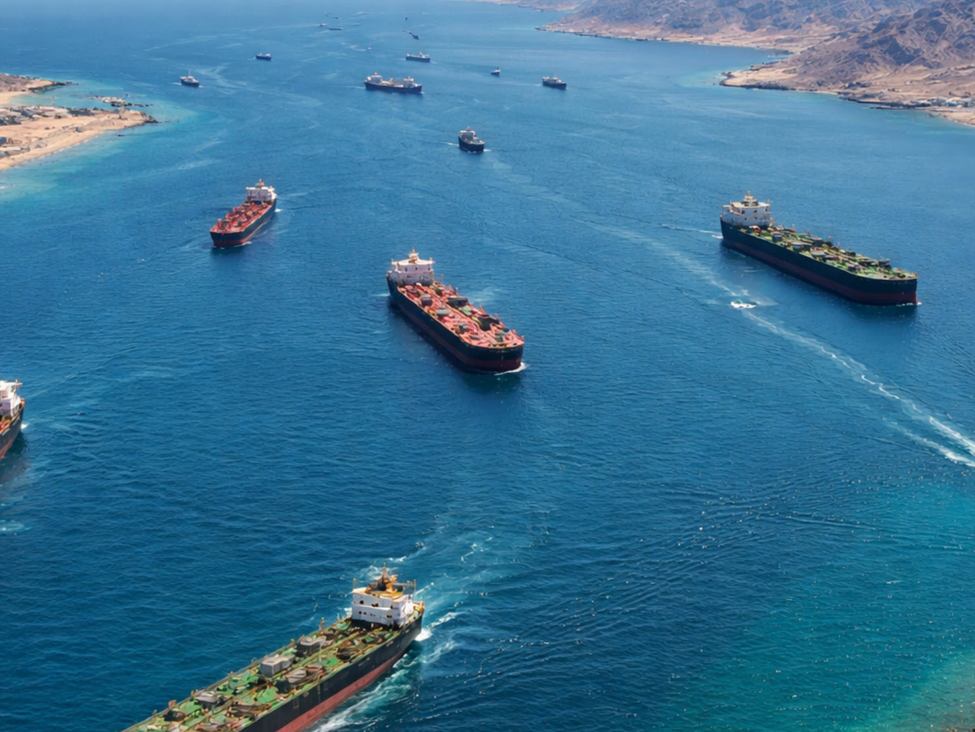
Three tankers were said to pass through the Strait of Hormuz on first day of US blockade
The report is from earlier today with it noting that there were three tankers that entered the Gulf via the Strait of Hormuz on the first day of the US naval blockade. It is believed that the three vessels were not heading to Iranian ports, so they were not stopped by the blockade that was put in place.That being said, these vessels appear to have some ties to Iran. So, it is something perhaps worth noting. The tankers in question are:Peace Gulf, a medium-range Panama-flagged tanker, which typically moves Iranian naphthaMurlikishan, formerly known as MKA, a handy tanker that has transported Russian and Iranian oilRich Starry, a medium-range tanker, but one who has been sanctioned by the US alongside its Chinese owner Shanghai Xuanrun Shipping Co Ltd for having dealt with Iran previouslyAccording to shipping data, Peace Gulf was reported to be headed towards the Hamriyah port in the UAE. Meanwhile, Murlikishan is set to be heading to Iraq to load fuel oil while Rich Starry is believed to have loaded cargo at its last port of call in the UAE and would be the first vessel to make it through the strait and to exit the Gulf since the blockade began.As much as the major headlines are capturing most of the broader market interest, the shipping data is worth looking at to get a better feel of the situation on the ground. This article was written by Justin Low at investinglive.com. 🔗 Source

ECB's Rehn: Interest rate decisions are not locked in beforehand
A rise in 2026 inflation is unavoidable but medium-term effect is still unclearECB is closely monitoring developments in the Middle East conflict and the spillover effects on the Eurozone economyMonetary policy should not be based on a single price, such as oil but the overall picture of the economyRectifying damage from Middle East war to energy production infrastructure will continue long after the acute phase of the warIn case the war is prolonged and causes second-round effects on prices and wages, and inflation expectations start to unanchor, monetary policy will be tightenedECB policymaker Olli Rehn reiterated that the path for interest rates remains flexible, adding that future policy decisions are not locked in beforehand. While financial markets have been pricing in rate hikes following the US-Iran conflict, Rehn maintains that the Governing Council will continue to make assessments on a meeting-by-meeting basis.A primary concern for the central bank is the unavoidable surge in inflation projected for 2026. Current estimates suggest that consumer prices could spike toward 3.1% in the second quarter of the year, driven largely by volatile energy prices. Rehn noted that while this short-term rise is now a certainty, the medium-term effect remains unclear. The central bank is focused on ensuring that these temporary price shocks do not seep into broader wage-setting processes or long-term inflation expectations, which would require a policy response.The ECB is closely monitoring developments in the Middle East with US-Iran negotiations now in focus. Beyond the immediate impact on oil and gas prices, the conflict has introduced a layer of “stagflationary” risk with rising costs and slowing growth. The ECB has already revised its growth projections downward for 2026, citing the dampening effect the war has had on both business confidence and household purchasing power.A long-term challenge identified by Rehn is the physical destruction of energy production infrastructure within the conflict zone. He warned that rectifying the damage caused by the Middle East war will continue long after the acute phase of the military conflict has passed. This article was written by Giuseppe Dellamotta at investinglive.com. 🔗 Source 💡 DMK Insight Inflation is set to rise in 2026, and here’s why traders need to pay attention now: The European Central Bank (ECB) is on high alert regarding the Middle East conflict, which could have significant spillover effects on the Eurozone economy. As inflation expectations climb, traders should be wary of how this might influence ECB monetary policy. A focus on oil prices alone won’t cut it; the ECB is considering broader economic indicators. This means volatility could spike in both the forex and commodities markets as traders react to shifting monetary policy signals. Keep an eye on the euro against the dollar—if inflation data starts to show a consistent upward trend, we could see the euro weaken against the dollar as interest rate expectations shift. On the flip side, if the ECB manages to navigate these challenges without aggressive rate hikes, we might see a stabilization in the euro. Watch for key inflation reports and geopolitical developments in the Middle East, as these will likely dictate market sentiment and trading strategies in the coming months. 📮 Takeaway Monitor inflation data closely; a consistent rise could weaken the euro against the dollar, impacting forex strategies significantly.

Investors surveyed in early April were most bearish in 10 months – BofA
Net 36% of investors expect weaker global economy, shifting from net 7% expecting growthGlobal equity allocation drops to net 13% overweight from 37% in February58% of investors expect Fed to cut rates and 46% see ECB hiking over next 12 months34% of investors expect oil at $80-90 per barrel by end of 2026The Bank of America Global Fund Manager Survey (FMS) is one of the most influential monthly reports in the financial world. It polls roughly 200 to 400 institutional fund managers (people managing hundreds of billions of dollars in hedge funds, pension funds, and mutual funds) to see how they are positioned in the markets.It’s useful as a contrarian indicator. In fact, when positioning gets overstretched on one side or the other, the risk of aggressive unwinding increases. Recent examples include the precious metals crash in late January or the US dollar surge in March. Complacency is punished in the markets. There’s generally a catalyst triggering the reversals or just multiple factors signalling an inflection point.The US-Iran war led to a repricing in growth and inflation expectations and we’ve seen that reflected in market prices. This is now priced in and the markets are looking forward to the end of the conflict and eventually better growth and lower inflation as oil prices ease. In fact, the contrarian calls here are short oil as the US-Iran war ends and the Strait of Hormuz is reopened, and long stocks as growth expectations get revised higher.This is of course conditional to the end of the war and the reopening of the Strait, but for now the markets are already positioning into that outcome. This article was written by Giuseppe Dellamotta at investinglive.com. 🔗 Source 💡 DMK Insight Investor sentiment is shifting dramatically, and here’s why that matters: a net 36% now expect a weaker global economy, a stark change from just 7% anticipating growth. This shift is reflected in global equity allocations, which have plummeted to a net 13% overweight from 37% in February. With 58% of investors anticipating Fed rate cuts and 46% expecting the ECB to hike rates, we’re seeing a divergence in monetary policy expectations that could create volatility in forex markets. Traders should keep an eye on how these expectations play out, particularly with the potential for a stronger dollar if the Fed remains hawkish while the ECB tightens. Additionally, oil prices are projected to hover between $80-90 per barrel, which could further impact inflation and economic growth forecasts. The real story here is the potential cascading effects on sectors sensitive to interest rates and oil prices. Watch for key technical levels in equity indices and commodities as these expectations unfold, especially in the coming weeks as earnings season approaches. 📮 Takeaway Monitor equity indices for volatility as investor sentiment shifts; key levels to watch are the recent lows and highs in major indices over the next few weeks.
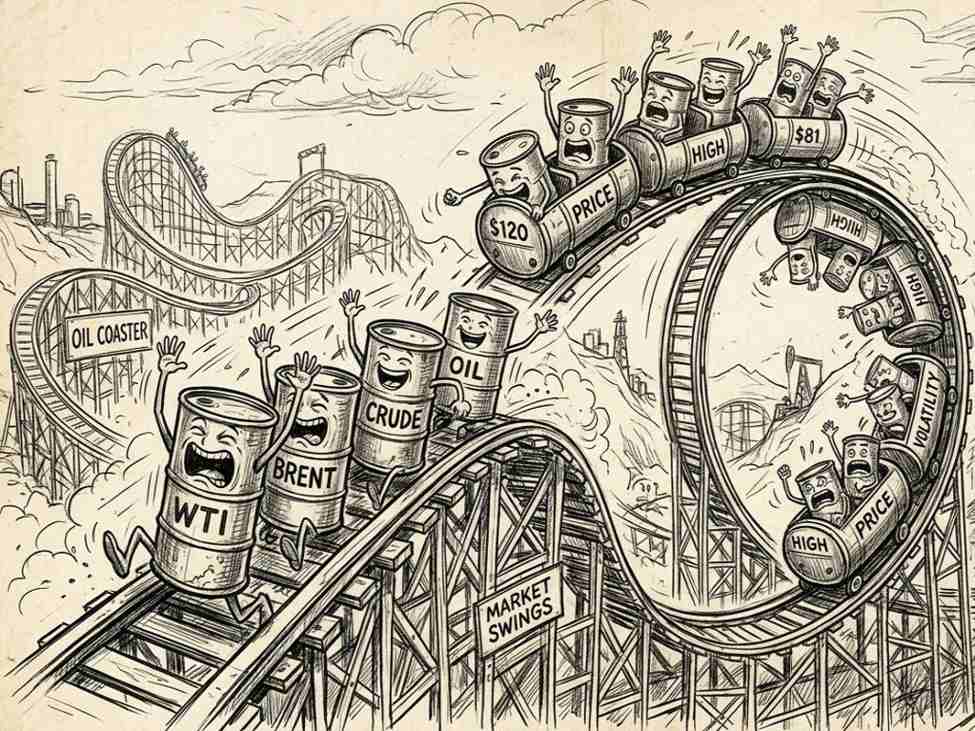
A tricky time for the oil market as the "smart money" has moved on
The US-Iran war has made things very complicated for the oil market, not least needing to balance out supply and demand dynamics. But from a financial perspective, it is also getting a bit dicey in trying to price out the difference between paper oil and physical oil. I talked a bit about the massive $30 to $50 gap in oil prices last week here and how that might impact trading conditions in the coming week.While the market mood remains calmer on renewed hopes of a US-Iran deal, there’s still much to be careful as we slowly approach the cutoff date for WTI crude May contracts next week. When expiry day comes, think of it as anyone who is still caught in a short position and not having the oil for physical delivery will have no choice but to scramble to buy back their contract at any price to exit.And considering the price gap, it could be a case where whoever does have their pants down are going to be in for a liquidation event for the ages. Rightfully, the only people left holding these contracts nearing the cutoff date will be those who actually want or have the oil to deliver on them. Think refiners and producers here in this instance.So, how will we know if there is going to be a liquidation event where many traders get caught on the wrong side of the trade?We can’t know for sure but there are certain tell signs we can look at.The first is to look and CME volumes and open interest on the May and follow up June contracts. In the case of WTI crude, we can see that:The volume are still high for the May contracts are still high, suggesting that traders are still trading the headlines with regards to the US-Iran conflict. However, open interest at the close continues to fall significantly while that of the June contracts continue to push up.The latter is a clear enough suggestion that “smart money” has already moved on from the May contracts to June/July contracts to avoid the chaos in the coming week. In essence, one can argue that June is arguably the proper front-month contract for WTI crude at this point.As for Brent crude, the cutoff date is at the end of the month and so the open interest still very much favours the June contract for now:The issue with open interest continuing to decline further is that it is also a signal that the market is getting thinner i.e. lower liquidity. And that means price action will be more susceptible to volatility spikes, that especially if the price gap to the physical market is still present and there are traders wanting out before the cutoff.The open interest shift is a good suggestion that “smart money” or big financial players are already trying to skip the drama and focus on betting on prices. It leaves the May contract left for actual physical players as noted above.So come next week, there could be a jarring moment on the screens where we could see oil prices spike up to around the $110 to $130 range right before the May contract expires and then come back down to the $90+ range once we get into the June contract.It’s not so much of a case that the price “crashed” after a massive spike but rather the futures/paper market resetting upon the rollover. This article was written by Justin Low at investinglive.com. 🔗 Source 💡 DMK Insight The escalating US-Iran tensions are shaking up oil markets, and here’s why that matters: traders need to be aware of the widening gap between paper oil prices and physical oil supply. With geopolitical risks rising, the potential for supply disruptions is real, which could send prices soaring. This situation complicates trading strategies, especially for those relying on futures contracts that may not reflect the actual market conditions. Look, the interplay between physical and paper oil is crucial right now. If traders see a significant divergence, it could signal an impending volatility spike. For those in the oil sector, keeping an eye on inventory levels and geopolitical developments is essential. Watch for key price levels that could indicate a breakout or breakdown, particularly if tensions escalate further. And don’t forget about related markets—natural gas and broader energy stocks could also react sharply to these developments. As the situation unfolds, traders should monitor the daily price movements closely and be prepared for rapid changes in sentiment. 📮 Takeaway Watch for divergences between paper and physical oil prices; significant volatility could emerge if tensions escalate further.
US March NFIB small business optimism index 95.8 vs 97.9 expected
Prior 98.8Full report hereThe NFIB Small Business Optimism Index fell 3.0 points in March to 95.8, leaving it below its 52-year average of 98.0. The last time the Optimism Index fell below its historical average was April 2025. The Uncertainty Index rose 4 points from February to 92, well above its historical average of 68.NFIB Chief Economist Bill Dunkelberg said: “The 20% Small Business Deduction and other supportive small business tax provisions in the Working Families Tax Cut Act have had many positives for small business owners. However, the dramatic spike in oil prices has spooked consumers and owners alike. Small business owners are having to absorb those higher input costs and pass them along to their customers.”This is not a market-moving report and a drop in optimism in March was widely expected for obvious reasons (US-Iran war). This article was written by Giuseppe Dellamotta at investinglive.com. 🔗 Source 💡 DMK Insight The drop in the NFIB Small Business Optimism Index signals potential headwinds for the broader economy, and here’s why that matters for traders right now. With the index falling to 95.8, below the historical average of 98.0, it reflects growing concerns among small businesses, which could lead to reduced spending and investment. This sentiment can ripple through markets, impacting risk assets like Ethereum, currently priced at $2,374.91. If small businesses are feeling pessimistic, it could translate into lower demand for crypto as a speculative asset. Traders should keep an eye on how this sentiment affects market volatility, especially in the crypto space where sentiment can shift rapidly. Watch for ETH to hold above key support levels around $2,300; a break below could trigger further selling pressure. On the flip side, if the market reacts with a flight to safety, we might see a temporary uptick in demand for ETH as a hedge. But the real story is how sustained pessimism could lead to a broader market correction. Keep monitoring the Uncertainty Index, which has also risen, as it could indicate further volatility ahead. 📮 Takeaway Watch for Ethereum to maintain support at $2,300; a break below could signal increased selling pressure amid rising economic uncertainty.
WTI Oil surges on renewed Iran tensions as US blockade threat stokes supply fears
West Texas Intermediate (WTI) US Oil trades around $95.70 per barrel on Monday at the time of writing, rising 5.90% on the day but still struggling to regain the $100 threshold after last week’s sharp volatility. 🔗 Source
USD/JPY holds onto light gain as Hormuz closure fuels safe-haven demand
The USD/JPY pair is trading with a neutral tone near 159.70 on Tuesday, up 0.27%, as markets react to a dramatic escalation in geopolitical tensions following headlines that the United States (US) has moved to effectively shut down traffic through the Strait of Hormuz. 🔗 Source 💡 DMK Insight The USD/JPY’s neutral stance at 159.70 reflects traders’ uncertainty amid rising geopolitical tensions. With the US taking steps to restrict traffic through the Strait of Hormuz, we could see volatility spike in both forex and oil markets. Historically, such geopolitical escalations often lead to safe-haven flows into the yen, which could push USD/JPY lower if tensions persist. Traders should keep an eye on the 159.50 support level; a break below could signal a deeper correction. Conversely, if the pair holds above this level, it might indicate resilience despite the geopolitical backdrop. Watch for any further developments in the Strait, as they could influence not just USD/JPY but also oil prices, which are closely tied to this region. A surge in oil could lead to inflationary pressures, impacting the broader market sentiment toward the dollar. In the coming days, monitor the 160.00 resistance level closely; a breakout could suggest a return to bullish sentiment for the USD against the JPY, especially if economic data supports the dollar’s strength. 📮 Takeaway Watch the 159.50 support level in USD/JPY; a break could signal a bearish trend amid rising geopolitical tensions.