
 Bitcoin
  Ethereum
  Tether
  BNB
BNB  XRP
XRP  USDC
USDC  Solana
  TRON
TRON  Lido Staked Ether
  Figure Heloc
FUNDAMENTAL OVERVIEWGold is slowly erasing the gains as traders are getting increasingly worried of the risk of an escalation over the weekend. Trump has been jawboning the markets throughout the entire week with ceasefire comments and claims that Iran has been “begging” him for a deal. Meanwhile, the US military buildup in the Middle East increased the speculations of a potential ground invasion. Late yesterday, Trump extended the ceasefire through April 6, right as major equity indices were on the verge of breaking to new monthly lows and Treasury yields were pushing toward fresh highs. He claimed Iran requested the extension, though Iranian officials denied it. It looked like another attempt to jawbone the markets, but this time it didn’t have the same impact as earlier in the week. We might see more hedging into the weekend which is likely to put pressure on gold prices throughout the day.GOLD TECHNICAL ANALYSIS – DAILY TIMEFRAMEOn the daily chart, we can see that gold is trading right between the two major trendlines as Trump’s ceasefire stopped the selloff, but the uncertainty keeps the upside limited. There’s not much we can glean from this timeframe, so we need to zoom in to see some more details. GOLD TECHNICAL ANALYSIS – 4 HOUR TIMEFRAMEOn the 4 hour chart, we have a strong resistance zone around the 4,700 level where we have the confluence of the downward trendline and the broken upward trendline. If the price gets there, we can expect the sellers to step in with a defined risk above the resistance to position for a drop into the major trendline around the 4,000 level. The buyers, on the other hand, will look for a breakout to increase the bullish bets into the 5,000 level next.GOLD TECHNICAL ANALYSIS – 1 HOUR TIMEFRAMEOn the 1 hour chart, we have a minor resistance zone around the 4,485 level. This is where we can expect the sellers to step in with a defined risk above the resistance to position for a drop into the 4,000 level. The buyers, on the other hand, will look for a break higher to pile in for a rally into the 4,700 resistance next. We can also see that we have a minor upward trendline defining the recent pullback. We can expect the buyers to lean on it to keep pushing into new highs, while the sellers will look for a break to increase the bearish bets into new lows. The red lines define the average daily range for today. This article was written by Giuseppe Dellamotta at investinglive.com. 🔗 Source 💡 DMK Insight Gold’s recent pullback signals trader anxiety amid geopolitical tensions, and here’s why that’s crucial right now: As traders grapple with Trump’s comments about a potential ceasefire and Iran’s alleged overtures, the uncertainty is weighing on gold prices. This isn’t just about gold; it’s reflective of broader market sentiment. If tensions escalate, gold could see a resurgence as a safe haven, but for now, the market’s reaction suggests caution. Watch for key support levels—if gold breaks below recent lows, it could trigger further selling. Conversely, if geopolitical tensions spike, we might see a quick rebound. Here’s the flip side: mainstream narratives often overlook the potential for a short squeeze in gold if sentiment shifts rapidly. Traders should keep an eye on the daily chart for any bullish reversal patterns, especially if we see a sudden uptick in demand. Monitoring the news cycle over the weekend will be critical, as any unexpected developments could lead to volatility early next week. 📮 Takeaway Watch gold closely; a break below recent lows could signal further downside, while any escalation in tensions might trigger a quick rebound.
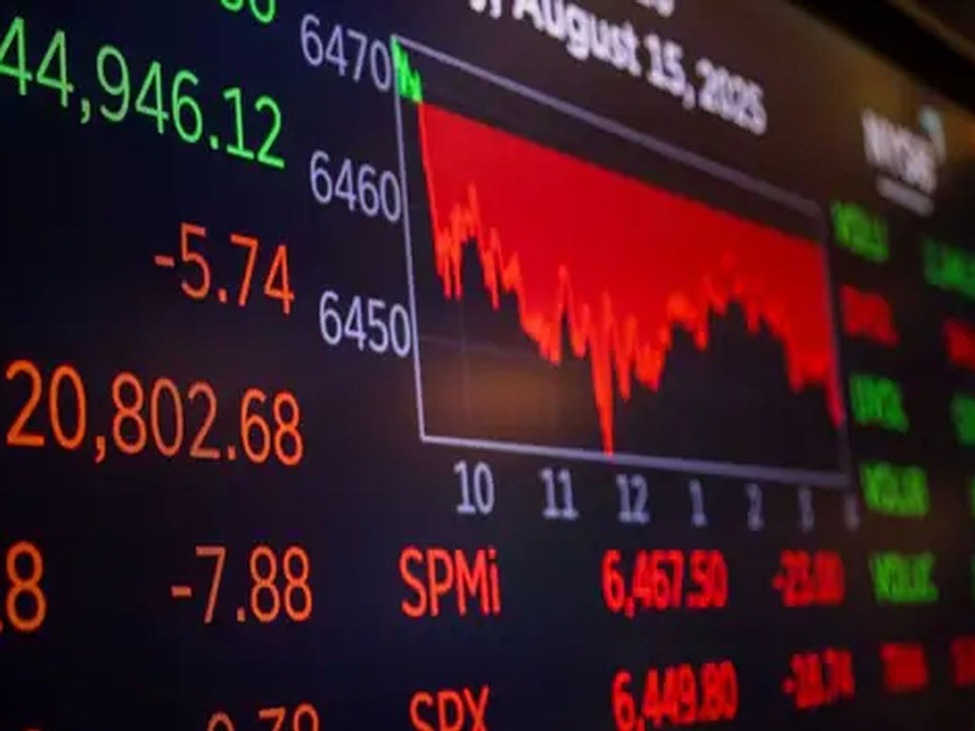
US futures pare gains to fall flat on the day now
S&P 500 futures were up by around 0.7% earlier in the day on hopes of “peace” as US president Trump extended the cooling period on strikes against Iranian energy facilities for another 10 days. That as he touts “very substantial talks” happening in the background.All that being said, this is all mere noise. As mentioned, nothing changes for markets until something changes on the Strait of Hormuz. And we’re starting to see market players realise that more and more with each passing day. From earlier: The can being kicked down the road is not a good thing for marketsNow, S&P 500 futures are flat on the day and we’re starting to see the steady open in Europe unravel. The DAX itself is down 0.7% with the CAC 40 down 0.5% on the day currently. It’s all looking rather dicey for stocks once more as we get some de-risking ahead of the weekend.The issue with pushing the deadline further out is that:”It just means with every passing day that oil supply gets tighter and the risk for energy disruption across the Gulf region will continue. Yes, kicking the can down the road might prevent “bad” news from what we can see in terms of military strikes, explosions, and casualties. However, that just continues to mean that markets are caught in limbo for an extended period of time with the oil market tightening further and countries needing to dig deeper into their reserves more and more. From an economic standpoint, it’s an awful scenario to just keep prolonging the status quo.”Again, it all comes down to what happens with the Strait of Hormuz. If Iran is not going to loosen their restrictions on how many ships can pass through, talks of peace don’t matter.As stocks ease back, we’re seeing oil prices climb back up again with WTI crude now up nearly 2% to $95.96. That continues to see oil prices eat into the Monday drop. This article was written by Justin Low at investinglive.com. 🔗 Source 💡 DMK Insight S&P 500 futures bouncing 0.7% signals traders are reacting to geopolitical optimism, but here’s the catch: it’s fragile. While the extension of the cooling period on strikes against Iranian energy facilities may provide short-term relief, the underlying tensions remain. Traders should be cautious; geopolitical events can shift sentiment rapidly. If talks falter, we could see a quick reversal. Watch the 4,200 level on the S&P 500 as a critical resistance point. A break above could lead to further gains, but failure to hold could trigger profit-taking. Also, keep an eye on oil prices, as any escalation in tensions could spike crude, impacting energy stocks and broader market sentiment. The real story is how quickly traders pivot from optimism to caution based on news flow. Monitor the next few days closely for any developments that could sway the market mood. 📮 Takeaway Watch the S&P 500 around the 4,200 level; a break could lead to gains, but geopolitical risks remain high.
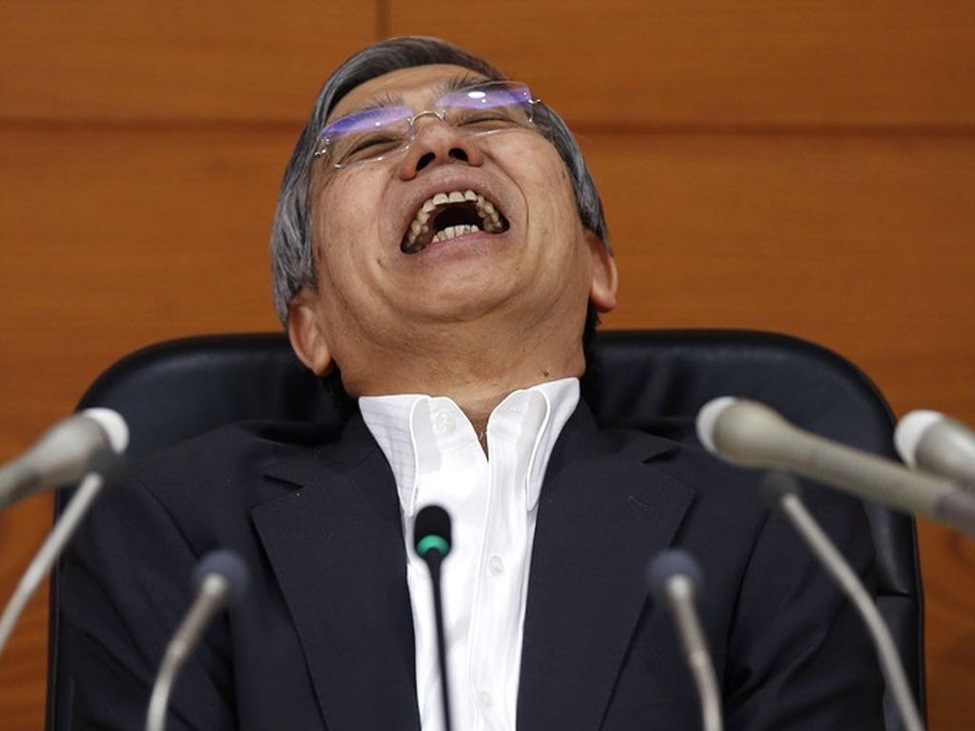
BOJ would hike rates in April "if you think about it normally", says former governor
Long time no see, Mr. Kuroda. He spokes to the Asahi newspaper in an interview and shared some of his thoughts on BOJ policy setting at the moment.The BOJ would raise the policy rate in April if you think about it normallyThe US-Iran war would only serve to accelerate interest rate hikesIt should not place a pause on the process of monetary policy normalisationSees no problem in the BOJ raising interest rates by 3-4 times to reach “around 1.50%” in 2027Well, it is always easier to say once you’ve crossed over to the other side. This isn’t the first time we see bolder remarks from former policymakers at the Japanese central bank. They tend to be more vocal and speak with more courage once they’ve left their post. And Kuroda’s remarks above are no exception.His comments speak to a clear, concise, and decisive viewpoint on the BOJ outlook. But if he were to still be at the central bank, you can expect it to be anything but all of that. That as policymakers tend to favour optionality and flexibility, while not wanting to pre-commit to anything so as to not upset markets. It is what it is in this day and age unfortunately.In any case, a move in April is still very much up in the air currently. Traders are pricing in ~63% odds of a rate hike but so far, we’ve not seen Ueda & co. provide much assurances on that.However, the communication drive this week involving the monthly core CPI estimate and revaluing the natural rate of interest perhaps does lean towards trying to justify a rate hike sooner rather than later. That as the spring wage negotiations outcome is setting the stage for the central bank to act. This article was written by Justin Low at investinglive.com. 🔗 Source 💡 DMK Insight Kuroda’s comments on potential BOJ rate hikes are a game-changer for forex traders right now. If the BOJ raises rates in April, it could strengthen the yen against the dollar, especially if U.S. economic data continues to show weakness. Traders should keep an eye on the USD/JPY pair, as any hints of tightening from the BOJ could trigger a significant shift in sentiment. The broader context here is the ongoing geopolitical tensions, like the US-Iran situation, which could further complicate market dynamics. If investors perceive increased risk, they might flock to safe-haven currencies like the yen, amplifying the impact of any BOJ policy changes. But here’s the flip side: if the U.S. economy shows resilience, the Fed might maintain its current stance, which could dampen any yen strength. So, watch for key economic indicators from both the U.S. and Japan leading up to April. Specifically, keep an eye on the USD/JPY level around 130; a break below could signal a stronger yen, while a hold above may indicate continued dollar strength. 📮 Takeaway Monitor the USD/JPY pair closely; a potential BOJ rate hike in April could shift market dynamics significantly, especially if geopolitical tensions escalate.

Nasdaq breaks into new monthly lows as traders hedge into the weekend risk
FUNDAMENTAL OVERVIEWThe Nasdaq has been slowly erasing Monday’s gains as traders have been getting increasingly worried of an escalation over the weekend. Trump has been jawboning the markets throughout the entire week with ceasefire comments and claims that Iran has been “begging” him for a deal. Meanwhile, the US military buildup in the Middle East increased the speculations of a potential ground invasion. Late yesterday, Trump extended the ceasefire through April 6, right as major equity indices were on the verge of breaking to new monthly lows and Treasury yields were pushing toward fresh highs. He claimed Iran requested the extension, though Iranian officials denied it. It looked like another attempt to jawbone the markets, but this time it didn’t have the same impact as earlier in the week and the gains were quickly faded. With oil prices pushing into new daily highs, we might see more hedging into the weekend which is likely to put pressure on the Nasdaq throughout the day.NASDAQ TECHNICAL ANALYSIS – DAILY TIMEFRAMEOn the daily chart, we can see that the Nasdaq just made a new monthly low today as traders are getting increasingly worried about a ground invasion. We can expect the sellers to keep piling in around these levels with a defined risk above the 23,910 level targeting the 23,025 level next. The buyers, on the other hand, will want to see the price rising back above the 23,910 level to position for a rally back into the 25,000 level next.NASDAQ TECHNICAL ANALYSIS – 4 HOUR TIMEFRAMEOn the 4 hour chart, we have a downward trendline defining the bearish structure. If we get a pullback, we can expect the sellers to lean on the trendline with a defined risk above it to keep pushing into new lows. The buyers, on the other hand, will look for a break higher to increase the bullish bets into the 25,000 level next.NASDAQ TECHNICAL ANALYSIS – 1 HOUR TIMEFRAMEOn the 1 hour chart, we have a minor downward trendline defining the bearish momentum on this timeframe. The sellers will likely continue to lean on the trendline to keep pushing into new lows, while the buyers will look for a break to extend the pullback into the next major trendline next. The red lines define average daily range for today. This article was written by Giuseppe Dellamotta at investinglive.com. 🔗 Source 💡 DMK Insight The Nasdaq’s pullback signals growing market anxiety, and here’s why that’s crucial for traders right now: As traders digest Trump’s comments about potential ceasefires and escalating tensions, the volatility in the Nasdaq could impact correlated assets like tech stocks and even crypto markets. If the Nasdaq continues to lose ground, it could trigger a broader risk-off sentiment, leading to sell-offs across sectors. Keep an eye on key support levels; if the Nasdaq breaks below recent lows, it could accelerate selling pressure. This situation also highlights the importance of monitoring geopolitical developments, as they can shift market sentiment rapidly. On the flip side, if Trump’s negotiations yield positive outcomes, we might see a quick rebound, but the uncertainty makes it a risky environment. Traders should be prepared for potential whipsaws and adjust their strategies accordingly. Watch for the Nasdaq to hold above critical support levels to gauge whether this pullback is a buying opportunity or a signal to exit positions. 📮 Takeaway Monitor the Nasdaq’s support levels closely; a break below could lead to broader market sell-offs, while positive news may trigger a rebound.

IRGC warns that Strait of Hormuz remains "closed", prohibits any passage by US allies
The Islamic Revolutionary Guard Corps (IRGC) is out delivering a warning to all ships thinking about passing through the Strait of Hormuz amid the latest “cooling period” with the US. They are maintaining that the strait remains in de facto closure for now, adding that “any transit through the waterway will face harsh measures”.And in taking aim at the US, the IRGC warns that any shipping involving “allies and supporters of the US-Israeli enemies” will be prohibited through any corridor or to any destination.This comes as Iranian local media also reports that three container ships of “various nationalities” have been turned backed from the strait after warnings from the IRGC.Come what may, actions speak louder than words.And the fact of the matter is, Iran is not surrendering any control of the strait and they’re not loosening any restrictions on it either. Sure, they might let a few more vessels pass through in the days before but it really doesn’t mean much when you compare the normal daily traffic flow from before the conflict started.I’ve shared this over the last few days but it is well worth a reminder. Even with Iran giving Trump a few “presents” in the past week, traffic along the Strait of Hormuz is pretty much dead.As mentioned earlier, nothing changes for markets until something changes on the Strait of Hormuz. For more context: The can being kicked down the road is not a good thing for markets This article was written by Justin Low at investinglive.com. 🔗 Source
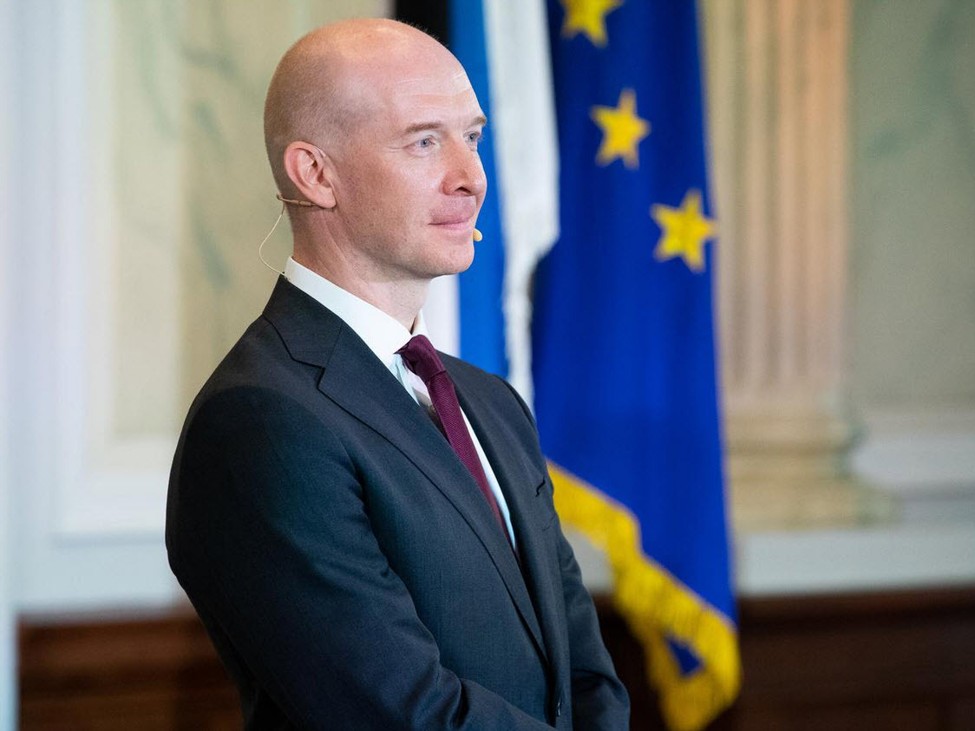
ECB's Muller: Not sure we need to wait for fully visible second round effects to act
ECB might not need to wait for fully visible second round effects before increasing ratesOnce energy prices have remained elevated for several weeks, one can already be reasonably confident that second round effects are likelyI would not be surprised if by the next policy meeting, elevated energy prices were already showing up more broadly in the prices of other goods and servicesIf that happens, we need to discuss whether that is already enough to justify an actionECB should monitor the situation, look at incoming data and be ready to act in a timely wayIf we decided to act at a particular meeting, that doesn’t automatically predetermine the next stepMeasured steps are normally preferable as they come with less risk of disrupting the marketsWe are in a better position today to respond than we were in 2022ECB would get another labour market report in April, we will be looking at unemployment, the ECB wage tracker, wage developments and broader inflation developments before the next meetingThe longer the war in the Middle East lasts, the more likely that we will have to respondThe ECB may not need to wait for fully visible second-round inflationary effects before deciding to raise interest rates, according to recent insights from Governing Council member Madis Muller. The rationale suggests that once energy prices remain at elevated levels for several weeks, policymakers can be reasonably confident that these costs will eventually filter through the broader economy. There is a growing expectation that by the time of the next policy meeting, these persistent energy costs will likely have already begun to influence the prices of a wider array of goods and services.If such a trend becomes evident in the data, the central bank will need to decide on whether that shift alone provides sufficient justification for a policy adjustment. The current stance emphasizes a commitment to monitoring incoming data closely and maintaining the readiness to act in a timely manner. However, taking action at one specific meeting does not lock the ECB into a predetermined path. The ECB continues to stress a meeting-by-meeting approach as measured steps are generally seen as less risky and less likely to cause unnecessary disruptions to financial markets.The ECB currently finds itself in a better position to respond to economic shocks than it was during the challenges of 2022. Between now and the next meeting, policymaker will look carefully at the upcoming labor market report in April, unemployment, the ECB wage tracker, wage developments and broader inflation developments. The US-Iran war remains a key factor. The longer the conflict in the Middle East lasts, the higher the probability that a monetary policy response will be required.The market is currently pricing in a 70% chance of a rate hike at the upcoming meeting in April and a total of three rate hikes by year-end. This article was written by Giuseppe Dellamotta at investinglive.com. 🔗 Source 💡 DMK Insight The ECB’s potential rate hike signals a shift that traders need to watch closely. With energy prices staying high, the central bank might act sooner than expected, impacting both forex and crypto markets. If the ECB raises rates, it could strengthen the euro, affecting currency pairs like EUR/USD. Traders should monitor the next policy meeting closely, as any hints of a rate increase could lead to volatility in related assets. Additionally, higher rates could dampen risk appetite, influencing crypto prices negatively. Keep an eye on key technical levels in the euro and related markets, as a rate hike could trigger significant movements. The real story is how quickly the ECB reacts to inflation pressures, which could set the tone for broader market sentiment in the coming weeks. 📮 Takeaway Watch the ECB’s next policy meeting closely; a rate hike could strengthen the euro and impact forex and crypto markets significantly.
Circle Froze Millions in USDC Across 16 Wallets — Now It’s Rolling It Back
Circle froze 16 unrelated USDC business hot wallets on March 23, 2026, due to a sealed U.S. civil lawsuit, disrupting exchanges, casinos, and forex platforms. … 🔗 Source 💡 DMK Insight Circle’s decision to freeze 16 USDC business hot wallets is a big deal for traders right now. This move, stemming from a sealed U.S. civil lawsuit, raises serious concerns about liquidity and trust in USDC, especially for exchanges and platforms that rely heavily on this stablecoin. Traders should be wary of potential cascading effects across the crypto and forex markets, as disruptions like this can lead to increased volatility and a flight to safety. If USDC loses its peg or if exchanges start to limit withdrawals, we could see a ripple effect impacting other stablecoins and cryptocurrencies. Keep an eye on how this situation develops, particularly any updates from Circle or the courts. Also, watch for trading volumes on platforms that heavily utilize USDC; a significant drop could signal deeper issues. The next few days are crucial for gauging market sentiment and potential recovery paths for USDC and related assets. 📮 Takeaway Monitor USDC’s stability closely; any signs of losing its peg could trigger broader market volatility, especially in crypto and forex exchanges.
Justin Sun Launches AI ‘Detective’ To Hunt Crypto Fraud — Claims $1B Cases Analyzed and $100M Bounty Offered
Justin Sun launches an AI system to rapidly analyze complex on-chain cases and identify fraud suspects. The AI system has processed over $1 billion in … 🔗 Source 💡 DMK Insight Justin Sun’s new AI system could reshape how we approach fraud detection in crypto. With over $1 billion processed, this technology isn’t just a gimmick; it represents a significant leap in on-chain analysis. For traders, this means a potential shift in how quickly and accurately fraud can be identified, which could impact market sentiment and asset valuations. If this system proves effective, we might see a reduction in fraud-related losses, leading to increased investor confidence. However, there’s a flip side: if the AI misidentifies suspects or fails to catch sophisticated fraud, it could lead to volatility and distrust. Keep an eye on how this technology is adopted and its impact on regulatory scrutiny, as it could influence trading strategies, especially for those dealing with high-risk assets. Watch for updates on the AI’s performance metrics and any major fraud cases it tackles, as these could serve as catalysts for market movements. 📮 Takeaway Monitor the effectiveness of Justin Sun’s AI system in fraud detection, as its success or failure could significantly impact market sentiment and trading strategies.
Peter Schiff Claims Stablecoin Rules Favor Banks, Says Financial Crash Is Incoming
Schiff criticizes stablecoin rules and warns of a crisis. Trump-Schiff clash highlights economic divide. Bitcoin divide extends to business and policy. Gold advocate and Bitcoin … 🔗 Source 💡 DMK Insight Schiff’s criticism of stablecoin regulations is a wake-up call for crypto traders: instability could be on the horizon. His warnings about a potential crisis reflect broader economic concerns that could impact market sentiment. With Bitcoin and gold advocates clashing, traders should be cautious about how these narratives influence price movements. If stablecoins face stricter regulations, we might see a flight to Bitcoin or gold, which could create volatility in both markets. Watch for Bitcoin’s support levels; a break below recent lows could trigger panic selling. Conversely, if Bitcoin holds strong, it might attract more investors looking for a safe haven amidst regulatory uncertainty. Keep an eye on how institutional players react—if they start pulling back from stablecoins, it could signal a larger trend that impacts liquidity across the board. 📮 Takeaway Monitor Bitcoin’s support levels closely; a break below could lead to increased volatility and potential sell-offs.
Chinese Firms Charged in Crypto-Linked Fentanyl Trafficking Scheme — FBI Says
Chinese firms tied to alleged fentanyl supply chain. Criminals are increasingly using digital assets in illicit supply chains. Crypto crime is expanding beyond finance into … 🔗 Source 💡 DMK Insight The rise of crypto in illicit activities, particularly linked to fentanyl supply chains, is a wake-up call for traders. As digital assets become more intertwined with crime, regulatory scrutiny is likely to increase, impacting market sentiment. Traders should be aware that this could lead to heightened volatility, especially in coins that are already under the microscope for regulatory reasons. If authorities ramp up enforcement, we might see a sell-off in certain cryptocurrencies as fear takes hold. On the flip side, this situation could create opportunities for those who can navigate the regulatory landscape effectively. Monitoring how major exchanges respond to these allegations will be crucial. Watch for any announcements or policy changes that could signal a shift in trading dynamics, particularly in the next few weeks as the narrative develops. 📮 Takeaway Traders should monitor regulatory responses to crypto’s role in illicit activities, as increased scrutiny could lead to volatility in affected assets.