 Bitcoin
  Ethereum
  Tether
  XRP
XRP  BNB
BNB  USDC
USDC  Solana
  TRON
TRON  Lido Staked Ether
  Figure Heloc
FUNDAMENTAL OVERVIEWGold has been regaining some ground over the past few days, supported by a couple of optimistic developments on the US-Iran front. On Monday, prices jumped after Trump announced on his Truth Social account a five-day ceasefire aimed at paving the way for “a complete and total resolution of the hostilities”. However, the rally lost momentum as Iran denied Trump’s claims.Late yesterday, gold moved higher again after Israel’s Channel 12 reported that a month-long ceasefire could be announced while the US and Iran negotiate 15 key points. Traders are now waiting to see whether Iran will accept the plan. If it does, gold could extend its gains toward the 5,000 level. On the other hand, a rejection might put prices back under pressure, potentially dragging gold down toward 4,000.GOLD TECHNICAL ANALYSIS – DAILY TIMEFRAMEOn the daily chart, we can see that gold bounced near the 4,100 level as the selloff failed to extend into the trendline around the 4,000 level. If the price reverses again and falls into the trendline, we can expect the buyers to step in with a defined risk below the 3,883 level to position for a rally into new all-time highs. The sellers, on the other hand, will look for a break lower to increase the bearish bets into the 3,400 level next.GOLD TECHNICAL ANALYSIS – 4 HOUR TIMEFRAMEOn the 4 hour chart, we can see the price broke above the downward trendline yesterday and shot higher as more buyers piled in targeting the 4,700 level where we have the most recent swing high and the broken trendline. If the price gets there, we can expect the sellers to step in with a defined risk above the resistance to position for a drop into the 4,000 level. The buyers, on the other hand, will look for a break higher to increase the bullish bets into the 5,000 level next.GOLD TECHNICAL ANALYSIS – 1 HOUR TIMEFRAMEOn the 1 hour chart, we have a minor upward trendline defining the bullish momentum on this timeframe. If we get a pullback, we can expect the buyers to lean on the trendline with a defined risk below it to keep pushing into new highs. The sellers, on the other hand, will look for a break lower to pile in for a drop into the 4,000 level next. The red lines define the average daily range for today. UPCOMING CATALYSTSTomorrow we get the latest US Jobless Claims figures and a potential US-Iran meeting in Islamabad. The focus is now on US-Iran negotiations. This article was written by Giuseppe Dellamotta at investinglive.com. 🔗 Source 💡 DMK Insight Gold’s recent uptick is more than just a reaction to geopolitical news—it’s a signal for traders to reassess their positions. With prices climbing as optimism around US-Iran relations grows, this could indicate a shift in risk sentiment. Traders should be aware that gold often acts as a safe haven during times of uncertainty, and this latest development might attract both retail and institutional buyers looking to hedge against volatility. If gold continues to rise, it could pull up correlated assets like silver and even impact the broader commodities market. Watch for key resistance levels around $1,950, as a breakout could lead to further gains. Conversely, if the ceasefire fails to materialize, we might see a sharp reversal, making it crucial to monitor news updates closely. The real story here is how geopolitical events can create trading opportunities, so keep an eye on the daily charts for any signs of trend reversals or continuations. 📮 Takeaway Watch for gold to break above $1,950; a sustained move could signal further upside, while failure to hold gains may lead to a quick pullback.

Iran's ambassador to Pakistan reaffirms that there was no talks between US and Iran
There have been no talks between the US and Iran, either directly or indirectlyFriendly countries like Pakistan are seeking to lay the groundwork for dialogue between Tehran and WashingtonHopes that these efforts could help in ending the warThe comments here are coming after a report that two Pakistani officials told the AP that Iran has received the 15-point US ceasefire proposal. However, there’s no word on how they are viewing the proposal and if they will be in agreement to that.So far, there continues to be a lot of “he said, she said” kind of thing between the US and Iran.As mentioned in the past few days, I don’t doubt that there is some form of contact between the two countries. And even if not, it is clear that we are moving on to a new phase in the war already. That as US president Trump is trying to seek a more cordial approach in winding down tensions between both sides.For now, Iran may keep denying it as the otherwise narrative will not be popular back home. But if we know how the playbook runs as how it did with China and trade/tariffs, it is that eventually there will be something to cool tensions. The only thing we can do is wait and see.The key question for markets is what then becomes of the Strait of Hormuz? And does Iran still hold significant leverage after in shutting down the strait as and when that they want? This article was written by Justin Low at investinglive.com. 🔗 Source
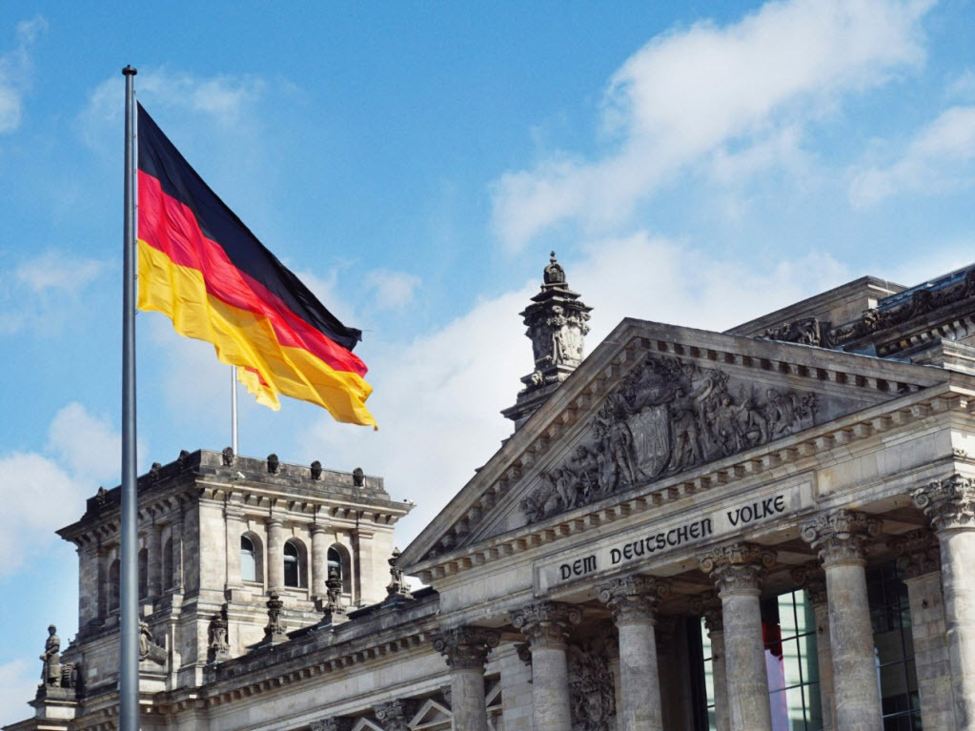
Germany March Ifo business climate index 86.4 vs 86.1 expected
Prior 88.6; revised to 88.4Current conditions 86.7 vs 86.0 expectedPrior 86.7Expectations 86.0 vs 86.0 expectedPrior 90.5; revised to 90.2German business sentiment falls in March and that is not all too surprising considering the Middle East developments. The outlook/expectations index also dips back lower, falling to its weakest since February 2025. That as higher energy prices are going to have a material impact on the manufacturing side of things. And we’re already seeing early evidence of that from the PMI data this week via input cost inflation.That’s going to be a worrying signal for the German economy, especially now that this may very well dash the recovery in the manufacturing sector over the last few months.Coming into this year, there was much hope for Europe’s largest economy as the manufacturing sector showed signs of a stronger rebound. But now, everything looks to be changing as we have to wait and see what the impact will be from the US-Iran conflict. This article was written by Justin Low at investinglive.com. 🔗 Source 💡 DMK Insight German business sentiment just took a hit, and here’s why that matters: declining confidence can signal a slowdown in economic activity. The drop from 88.6 to 86.7 in current conditions, alongside a fall in expectations to 86.0, reflects growing uncertainty among businesses, likely exacerbated by geopolitical tensions in the Middle East. This sentiment shift could lead to reduced investment and hiring, which are crucial for economic growth. Traders should keep an eye on related markets, particularly the Euro and German equities, as a sustained downturn in sentiment could weigh heavily on these assets. If the sentiment index continues to decline, we might see the Euro testing key support levels, which could trigger further selling pressure. On the flip side, if the market overreacts, there could be a buying opportunity for those looking at undervalued assets. Watch for the next readings and any commentary from the ECB, as they may adjust their policies in response to this sentiment shift, impacting both the Euro and broader European markets. 📮 Takeaway Keep an eye on the Euro’s support levels; a continued decline in sentiment could trigger selling pressure, making it crucial to monitor upcoming economic data.

ECB president Lagarde: Monetary policy cannot bring down energy prices
If this event had been held a few weeks ago, my speech would have been very differentBut we find ourselves yet again in a different worldWe are facing profound uncertainty about the path of the economyNone of us can resolve the uncertainty about how the war in Iran will play outOur response will be rooted in our monetary policy strategy, which is well equipped to help us navigate itTwo factors to focus on in dealing with inflationary energy shocksThe first is the intensity and duration of the shockThe second is the propagation of the shock, which depends on the macroeconomic environment in which it landsInitial shock has so far still been smaller than in 2021-22Two key elements on how we can calibrate policy under this uncertaintyThe first is agility, taking a meeting-by-meeting, data-dependent approachThe second element is a focus on risksWe needed to take into account not only the most likely path for inflation, but also the risks and uncertainty surrounding the baselineSupply shocks are often presented as offering central banks a binary choiceThat is to either look through, or react when inflation expectations are at risk of being de-anchoredWe will not act before we have sufficient information on the size and persistence of the shock and its propagationHowever, we will also not be paralysed by hesitationFull remarksDespite market expectations, the tone in her speech here doesn’t sound like she is feeling too hurried to raise interest rates in April next month. That especially since she outlines the fact that there is value in waiting to assess the overall situation. And also adding that the scale of the initial energy price shock is less profound than what they saw it to be back in 2021-22 during the Russia-Ukraine conflict.This definitely keeps things interesting as we look to their policy decision next month.Traders are now pricing in ~59% odds of a rate hike with 63 bps of rate hikes priced for year-end after Lagarde’s comments. This article was written by Justin Low at investinglive.com. 🔗 Source 💡 DMK Insight SOL’s current price at $92.56 reflects heightened market anxiety, and here’s why that matters: With ongoing geopolitical tensions, particularly regarding Iran, traders are grappling with uncertainty that could lead to increased volatility in crypto markets. SOL’s price action suggests that investors are pricing in potential risks, which could trigger a sell-off if the situation escalates. Watch for support levels around $90; a break below could signal further downside risk. Conversely, if SOL can hold above this level, it might attract buyers looking for a dip. The broader crypto market often reacts to macroeconomic events, and SOL is no exception. If the conflict intensifies, we could see a flight to safety, impacting not just SOL but also correlated assets like ETH and BTC. Keep an eye on trading volumes and sentiment indicators; they could provide clues about market direction in the coming days. The real story is how traders react to news—monitor for any sudden shifts in sentiment that could lead to rapid price movements. 📮 Takeaway Watch SOL closely around the $90 support level; a break could lead to significant downside, while holding above may attract buyers.

Trump successfully capped the upside in oil, raising market hopes for an end to the war
FUNDAMENTAL OVERVIEWOil prices have eased significantly on Monday after Trump announced on his Truth Social account a five-day ceasefire aimed at paving the way for “a complete and total resolution of the hostilities”. However, the selloff lost momentum as Iran denied Trump’s claims. Nevertheless, the hope for the end of the war remained given Trump’s push for negotiations.Late yesterday, we got another spike lower after Israel’s Channel 12 reported that a month-long ceasefire could be announced while the US and Iran negotiate 15 key points. Traders are now waiting to see whether Iran will accept the plan. If it does, oil prices should drop to pre-war levels. On the other hand, a rejection might take prices back near triple digit levels.Tomorrow, there’s a potential US-Iran meeting in Islamabad, so everyone’s going to be laser focused on that.CRUDE OIL TECHNICAL ANALYSIS – DAILY TIMEFRAMEOn the daily chart, we can see that crude oil broke below the 93.00 support following Trump’s ceasefire announcement and opened the door for a correction into the 78.00 level. There’s not much else we can glean from this timeframe, so we need to zoom in to see some more details. CRUDE OIL TECHNICAL ANALYSIS – 4 HOUR TIMEFRAMEOn the 4 hour chart, we can see that we’ve gone from one consolidation to another as the price is now trading between the 93.00 resistance and the weekly low around the 84.00 handle. If we get another pullback into the resistance, we can expect the sellers to step in with a defined risk above it to position for a drop into the 78.00 support next. The buyers, on the other hand, will look for a break higher to pile in for a rally into new highs. CRUDE OIL TECHNICAL ANALYSIS – 1 HOUR TIMEFRAMEOn the 1 hour chart, there’s not much else we can add here but a break below the 84.35 low could increase the bearish momentum as more sellers will likely pile in to extend the correction into the 78.00 support next. The red lines define the average daily range for today.UPCOMING CATALYSTSTomorrow we get the latest US Jobless Claims figures and a potential US-Iran meeting in Islamabad. The focus is now on US-Iran negotiations. This article was written by Giuseppe Dellamotta at investinglive.com. 🔗 Source 💡 DMK Insight Oil prices are reacting to geopolitical news, and here’s why that matters for traders right now: The announcement of a ceasefire by Trump initially sparked optimism, pushing oil prices lower. However, Iran’s swift denial indicates that the situation remains fluid and uncertain. Traders should be cautious; this volatility can create opportunities but also risks. If oil prices rebound, it could impact correlated assets like energy stocks and commodities. Keep an eye on the $90 level for oil, as a breach could signal a shift in sentiment. For SOL at $92.56, monitor how energy prices influence broader market trends, especially if oil volatility spills over into crypto markets, potentially affecting investor sentiment. The flip side is that if the ceasefire holds and tensions ease, we might see a more sustained drop in oil prices, which could lead to a bullish sentiment in risk assets, including cryptocurrencies. Watch for any further developments in the geopolitical landscape and how they might affect market dynamics in the coming days. 📮 Takeaway Monitor the $90 level for oil; a breach could signal broader market shifts impacting SOL and related assets.

ECB's Lane: We will be considering at every meeting what the scenario is
We will be considering at every meeting what the scenario isDrop in consumer confidence was quite bigYou can see downturn in PMIsInflation expectations show significant effect for first year, then smallerThe market dynamic suggests a price-level jumpUnderstanding selling price expectations will be importantWage tracker is a good leading indicator for negotiated wagesECB’s Chief Economist Philip Lane is emphasizing that the Governing Council will evaluate the specific economic scenario at every upcoming meeting. This data-dependent approach comes at a critical moment as the Eurozone economy is hit by a mix of cooling demand and increased price pressures. Recent indicators have provided a sobering view of the current environment, most notably a significant drop in consumer confidence. This decline suggests that households are becoming increasingly cautious, potentially pulling back on spending.The loss of momentum is further evidenced by a visible downturn in PMIs yesterday. These forward-looking surveys of business activity point to a cooling in both the manufacturing and services sectors, marking a shift from the more resilient performance seen in previous quarters. This softening in the real economy is a key factor in the ECB’s meeting-by-meeting assessment.On the inflation front, current expectations show a significant effect for the first year, as immediate price pressures continue to filter through the economy. However, these expectations are notably smaller for the subsequent period as markets expect the slowdown in growth (or rate hikes) to eventually put downward pressure on inflation. This article was written by Giuseppe Dellamotta at investinglive.com. 🔗 Source 💡 DMK Insight Consumer confidence is taking a hit, and here’s why that matters for traders: a significant drop can lead to reduced spending, impacting corporate earnings and market sentiment. The downturn in PMIs indicates a slowing economy, which could prompt central banks to adjust their monetary policies. If inflation expectations remain elevated, it complicates the picture further, as higher wages could lead to increased costs for businesses. Traders should keep an eye on wage trackers as they can serve as leading indicators for inflation trends. This scenario may lead to volatility in equities and could also affect forex pairs sensitive to economic data, particularly those involving the USD. Look for key price levels in major indices and commodities that could react to these economic signals. If consumer confidence continues to decline, we might see a shift in market dynamics, potentially leading to a price-level jump in safe-haven assets like gold. Watch for any announcements from central banks regarding interest rates, as these will be crucial in shaping market expectations moving forward. 📮 Takeaway Monitor consumer confidence and wage trackers closely; a continued decline could trigger volatility in equities and safe-haven assets like gold.

EURUSD pulls back into a major trendline as focus turns to US-Iran negotiations
FUNDAMENTAL OVERVIEWUSD:The US dollar remains under pressure amid optimistic expectations for an end to the US-Iran war. The catalyst for these expectations was Trump’s announcement on Truth Social on Monday of a five-day ceasefire aimed at paving the way for “a complete and total resolution of the hostilities”. The greenback hasn’t yet fallen to new lows as the market continues to await Iran’s response. Late yesterday, we got another positive news that weighed on the dollar as Israel’s Channel 12 reported that a month-long ceasefire could be announced while the US and Iran negotiate 15 key points. If Iran accepts the US’s proposal, the dollar will likely extend the losses into new lows as rate hike bets would get unwound. On the other hand, a rejection might give the greenback another boost. EUR:On the EUR side, the recent data showed what everyone expected to happen to the economy, that is higher inflation and lower economic activity. The ECB continues to stress vigilance and maintain a data-dependent and meeting-by-meeting approach as they weigh the response to this shock. The market is fully pricing in two rate hikes by year-end with good chances of a third. These expectations will get repricing quickly if the US-Iran war were to end in the next couple of weeks. Conversely, if things escalate further and the war drags on, the ECB will likely have to hike rates and eventually risk a recession.EURUSD TECHNICAL ANALYSIS – DAILY TIMEFRAMEOn the daily chart, we can see that EURUSD pulled all the way back to the trendline. This is where we can expect the sellers to step in with a defined risk above the trendline to position for a drop into the 1.14 handle. The buyers, on the other hand, will look for a break higher to increase the bullish bets into the 1.18 handle next.EURUSD TECHNICAL ANALYSIS – 4 HOUR TIMEFRAMEOn the 4 hour chart, we have an upward trendline defining the pullback into the major downward trendline. If the price falls to the trendline, we can expect the buyers to lean on it with a defined risk below it to target a break above the major trendline. The sellers, on the other hand, will look for a break lower to increase the bearish bets into the 1.14 handle next.EURUSD TECHNICAL ANALYSIS – 1 HOUR TIMEFRAMEOn the 1 hour chart, there’s not much we can add here as the sellers will have a better risk to reward setup around the downward trendline, while the buyers will look for a breakout or for a bounce around the minor upward trendline. The red lines define the average daily range for today. UPCOMING CATALYSTSTomorrow we get the latest US Jobless Claims figures and a potential US-Iran meeting in Islamabad. The focus is now on US-Iran negotiations. This article was written by Giuseppe Dellamotta at investinglive.com. 🔗 Source
AUD/USD tumbles as safe-haven demand rises amid Middle East tensions
AUD/USD falls sharply on Tuesday, trading around 0.6950 at the time of writing, under pressure amid a renewed wave of risk aversion across global markets, supporting safe-haven assets, particularly the US Dollar (USD). 🔗 Source 💡 DMK Insight AUD/USD’s drop to around 0.6950 signals a shift in market sentiment, and here’s why that matters: The recent risk aversion is pushing traders towards safe-haven assets like the USD, which could mean more downside for the Aussie dollar. This shift often correlates with broader economic concerns, such as geopolitical tensions or disappointing economic data, which can lead to increased volatility in currency pairs. For traders, this could be a signal to consider short positions on AUD/USD, especially if it breaks below key support levels. Watch for the 0.6900 level; a sustained break below could trigger further selling pressure. On the flip side, if the pair rebounds, it might indicate a temporary correction, but the overall trend seems bearish for now. Keep an eye on upcoming economic indicators from both Australia and the US, as they could provide further clarity on this trend. If risk sentiment continues to sour, expect the USD to strengthen further, impacting not just AUD/USD but potentially other commodity currencies as well. 📮 Takeaway Monitor the 0.6900 support level on AUD/USD; a break could signal further downside as risk aversion grows.

USD/CAD: Range resistance caps gains – Scotiabank
Scotiabank strategists Shaun Osborne and Eric Theoret note the Canadian Dollar (CAD) is little changed, with USD/CAD stretching its recent range but failing to sustain moves above the mid‑1.37s. 🔗 Source 💡 DMK Insight The CAD’s stability against the USD signals a potential consolidation phase, and here’s why that matters: With USD/CAD struggling to hold above the mid-1.37s, traders should consider this a critical resistance level. A failure to break through could indicate a bearish sentiment for the USD, especially if broader economic indicators, like U.S. employment data or inflation reports, come in weaker than expected. This resistance also aligns with technical analysis, where traders often look for reversal patterns around key levels. If the CAD holds its ground, it could attract buyers looking for a long position, especially if oil prices remain strong, as Canada is a major oil exporter. Conversely, a decisive break above 1.37 could trigger stop-loss orders and lead to a rapid move higher, so keep an eye on this level. Watch for upcoming economic releases that could impact the USD, as they might provide the catalyst needed for a breakout or a reversal. The next few trading sessions will be crucial in determining the CAD’s trajectory against the USD. 📮 Takeaway Monitor the USD/CAD resistance at mid-1.37; a break could lead to significant volatility, while failure to hold may favor CAD strength.

BoE’s Pill: Ready to act if necessary
Bank of England’s (BoE) Chief Economist Huw Pill said that he stands ready to act against inflationary pressures stemming from the developments in the Middle East war in a text provided by the BoE on Tuesday. 🔗 Source 💡 DMK Insight The BoE’s readiness to tackle inflation amid Middle East tensions is a game changer for traders. Huw Pill’s comments signal that the central bank is on high alert for inflationary spikes, which could lead to interest rate hikes. This is crucial as traders are already navigating a volatile environment influenced by geopolitical events. If inflation continues to rise, expect the BoE to act sooner rather than later, impacting GBP pairs significantly. Watch for key resistance levels around recent highs, as a rate hike could push GBP/USD and GBP/EUR higher. But here’s the flip side: if the situation stabilizes, the BoE might hold off, leading to potential pullbacks in GBP. Traders should keep an eye on economic indicators like CPI and PPI in the coming weeks, as these will provide clues on inflation trends. The real story is how these geopolitical tensions could ripple through other markets, particularly commodities like oil, which often react to Middle East developments. Be prepared for increased volatility, especially if the BoE’s actions catch the market off guard. 📮 Takeaway Monitor GBP pairs closely; a rate hike could push GBP/USD above recent highs, while inflation data will be key in the coming weeks.