 Bitcoin
  Ethereum
  Tether
  XRP
XRP  BNB
BNB  USDC
USDC  Solana
  TRON
TRON  Lido Staked Ether
  Figure Heloc
Tight labour market, firmer wages will keep in place cycle in which wages and prices rise in tandemTemporary freeze to food sales tax may briefly push down inflationBut it is likely to have a limited impact on inflation expectations as a wholeBOJ will guide monetary policy appropriately to stably achieve inflation target accompanied by wage gainsHe’s mostly commenting after we got the initial outcome of the spring wage negotiations. From yesterday: Japan’s largest union group Rengo sees average wage hike of 5.26% this fiscal yearThat will mark the third straight fiscal year in which Japan sees average wage hikes of above 5%. That pretty much gives the green light and confirmation to the BOJ if they so desire to act. However, the US-Iran conflict has served to complicate things more so than it already was before.The BOJ was already squaring off against prime minister Takaichi in pursuing a differing policy path that the government wants. So, the latest developments in the Middle East piles on top of that now.As Ueda mentions, the central bank wants inflation to be largely driven by stronger wage pressures. However, higher oil prices now will serve to bring up cost-push inflation instead. And that is something that the BOJ wants to actively avoid from happening or at least not rely on to push the rate hike narrative.Besides that, USD/JPY bordering on the 160 mark will also make a rate hike look like one just to address the yen weakness. And that will be another play on optics that Ueda & co. will be hoping to side step for the time being. This article was written by Justin Low at investinglive.com. 🔗 Source 💡 DMK Insight The tight labor market and rising wages are key indicators for traders to watch right now. As wages increase, consumer spending typically follows, which can lead to higher inflation. This cycle of rising wages and prices could pressure central banks to adjust monetary policies, impacting forex and crypto markets. The temporary freeze on food sales tax might offer a short-term reprieve for inflation, but its limited effect on overall inflation expectations suggests traders should brace for sustained price pressures. Look for how these dynamics play out in the coming weeks, especially as the Bank of Japan (BOJ) signals its monetary policy direction. If the BOJ takes a more hawkish stance, it could strengthen the yen against other currencies, affecting forex positions. Keep an eye on key economic indicators like wage growth and consumer spending data, as these will be crucial in shaping market sentiment and trading strategies. 📮 Takeaway Watch for BOJ’s monetary policy shifts and monitor wage growth data closely, as these will influence forex and crypto market movements.
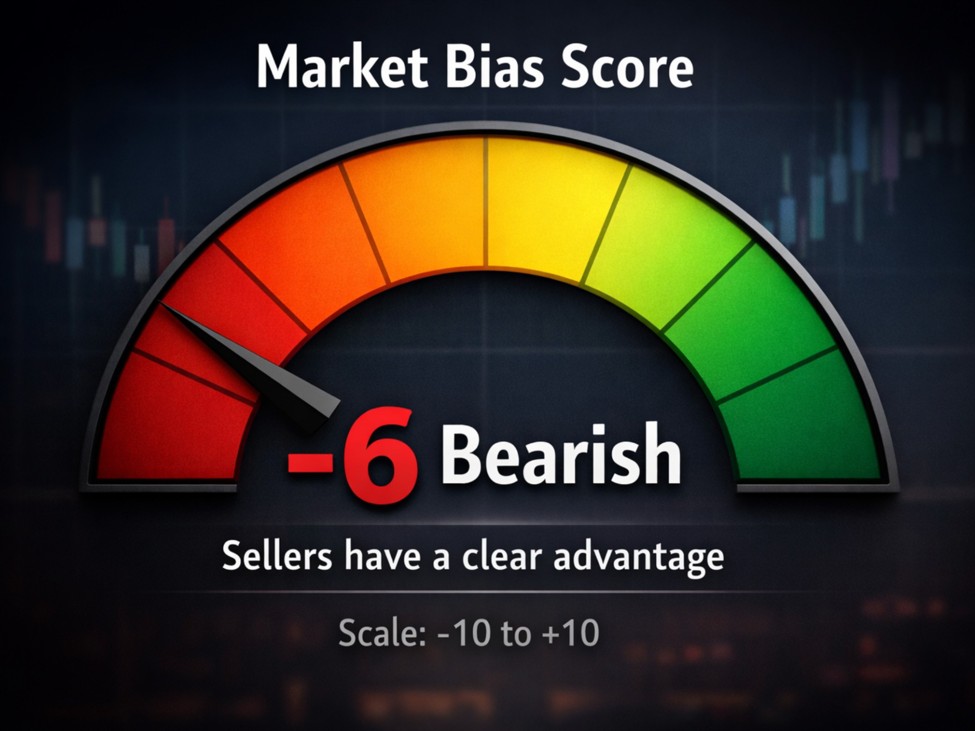
This oil analysis today at investingLive shows sellers may come out well
The oil market is currently navigating a period of extreme volatility as geopolitical headlines clash with rapid shifts in diplomatic sentiment. Just a day after crude oil futures plunged over 10%—settling near $88.13 following a temporary postponement of strikes on Iranian energy assets—the narrative has shifted back toward escalation. Fresh reports suggest that Gulf states are edging toward war with Iran as Saudi Arabia signals a potential move toward direct military involvement. By opening key air bases for U.S. use, Riyadh is signaling a firm shift toward re-establishing deterrence, creating a high-stakes environment for traders where technical supports are being tested by the hour.The conflict has also broaden its scope to include critical energy infrastructure, directly impacting oil and gas market stability. Recent strikes on gas pipelines and pressure stations in Isfahan and Khorramshahr underscore the vulnerability of regional energy systems. Amid this volatility, central bank gold demand remains a vital pillar for the commodities complex. Investors are increasingly looking to bullion as a hedge against geopolitical risk and ongoing de-dollarization trends, with nations like Indonesia and Malaysia sustaining demand even as prices fluctuate. For investors, these developments reinforce a significant risk premium across energy and precious metals as the region braces for potential further escalation.Crude oil analysis: sellers regain control as failed rebound raises risks for traders, investors, and consumersCrude oil is back in focus, and not only for futures traders.When oil starts showing renewed seller control after a failed recovery, the impact can stretch well beyond the chart. It can shape inflation expectations, influence energy stocks, affect transport-heavy businesses, and eventually show up in the everyday expenses people feel most directly, from fuel bills to delivery costs and broader cost-of-living pressure. That broader wallet angle is one reason oil analysis tends to travel well with readers, especially when the setup is clear and timely. Following the investingLive methodology-protected editorial framework, this piece focuses on underlying participation, price acceptance, and scenario-based decision support without exposing proprietary mechanics.The Oil market snapshot todayThe bigger picture in crude oil looks less like a healthy uptrend and more like a recovery that ran into a ceiling.After a violent collapse and a meaningful rebound, price worked back into a broad upper zone near $99-$100 several times. On the surface, that might look constructive. In practice, repeated revisits only matter if the market can actually accept higher prices and build from them. In this case, the latest upper-zone test failed hard, and price rotated back into the lower half of the broader structure.That shift matters because it suggests the market is no longer behaving like a strong recovery trying to break out. It is behaving more like a range where sellers are becoming more effective again.What the underlying activity in oil crude oil futures suggestsThe current read is straightforward:Sponsorship score: -6On our scale from -10 to +10, a score of -6 means a clearly bearish bias, with sellers holding a meaningful edge but not yet signaling the most extreme downside caseThat points to a bearish lean, not because crude oil is already in a full breakdown, but because the latest evidence favors sellers over buyers. Buyers are still trying to repair the damage, but sellers appear to be controlling the more important parts of the structure.There was a genuinely constructive low earlier in the sequence. That earlier low showed real sponsorship from buyers and a meaningful effort to rebuild value higher. That is important, because it tells us this was not a one-way collapse with no demand underneath.But the story changed later.A more recent upper-zone test did not lead to lasting upside acceptance. Instead, it failed sharply, and the following bounce looked more like repair work than fresh takeover. That difference is crucial. A market can bounce and still remain vulnerable. A rebound alone is not proof that control has shifted.Right now, the better interpretation is that buyers are stabilizing where they can, while sellers remain more effective at the zones that matter most.Why the recent failure in oil price matters more than the earlier recoveryThis is where many traders and investors can get fooled.A higher low on the chart often looks bullish. It looks like support held higher than before, which sounds constructive. But price geometry alone does not tell the whole story. What matters is the quality of participation behind that low.Earlier in the structure, buyers appeared stronger and more convincing. Later, after the failed upper-range push, the next low did not show the same quality. It held above the earlier panic zone in price terms, but the rebound from it looked less like confident accumulation and more like a repair attempt after damage had already been done.That makes the recent low less bullish than it appears at first glance.In plain terms, the market is not saying, “buyers are taking over again.” It is saying, “buyers are trying to stop the bleeding, but sellers still have the upper hand.”Longer-term structure vs recent behavior for oilFrom a broader perspective, crude oil did manage to build a recovery base after the earlier washout. That part of the chart still matters. It tells us demand was not absent, and it explains why the market was able to revisit the upper end of the range multiple times.But more recent behavior is weaker.The latest trip into the upper boundary did not attract durable upside acceptance. Instead, it produced a strong rejection and sent price back down into the lower half of the broader range. That kind of behavior often signals distribution rather than healthy continuation.So there is an important split here:The longer-term repair story is real, but the more recent trading activity has become meaningfully less constructive.When recent evidence starts to override older supportive evidence, traders and investors need to respect that change.Key oil price areas to watch for crude oil futuresFor now, several zones stand out as especially important.The first area is around $94.85. If rebound attempts continue to fail below that zone, it supports the idea that sellers still control the middle of the structure.Above
The market mood picks up again as we get into European morning trade
The dollar has seen gains ease while US futures have swung back into positive territory now. The latest reported rumour comes from Al Arabiya, in citing their sources to say that incumbent Iran leader Mojtaba Khamenei has agreed to negotiate with the US on an agreement. So, that’s putting a little bit more of a positive spin on the mood currently.S&P 500 futures have turned losses to flat, with gradual gains even before the headline. Meanwhile, the dollar has lost some ground with EUR/USD climbing back to 1.1600 on the day. Meanwhile, gold has also trimmed declines to be flat at $4,403 and silver is now up 0.4% to $69.45 from lows near $66 at the end of Asia trading.In the oil market, we’re still seeing WTI crude be up over 2% to $90.81 and Brent crude also keeping near 3% gains at $102.83 on the day.There’s still much to play for and we won’t get much clarity until we officially hear from Iran mostly.But as mentioned earlier, all of this likely indicates that we’re moving on to a new phase in the war. It is one that likely sees peak military conflict already passed. We can only wait and see now but markets are slowly trying to lean towards being more cautiously optimistic.The Trump playbook looks to be of a similar kind to what he has gone with when engaging with China on trade/tariffs. We’ve seen this all before.The main issue now is whether or not things will change with regards to the Strait of Hormuz. That is the most important detail for markets. This article was written by Justin Low at investinglive.com. 🔗 Source 💡 DMK Insight The easing dollar gains and positive US futures signal a potential shift in market sentiment, driven by geopolitical developments. Traders should pay close attention to the implications of Iran’s willingness to negotiate with the US, as this could lead to changes in oil prices and overall market stability. If negotiations progress, we might see a stronger dollar as tensions ease, impacting forex pairs like USD/IRR and commodities linked to oil. Watch for key resistance levels in the dollar index; a break above recent highs could indicate a stronger bullish trend. Conversely, if negotiations stall, expect volatility to spike, particularly in energy markets, which could ripple through equities and forex alike. Keep an eye on economic indicators like US job reports and inflation rates, as these will also influence market reactions in the coming weeks. 📮 Takeaway Watch for dollar index resistance levels; a break could signal a stronger dollar, while stalled Iran negotiations may increase market volatility.
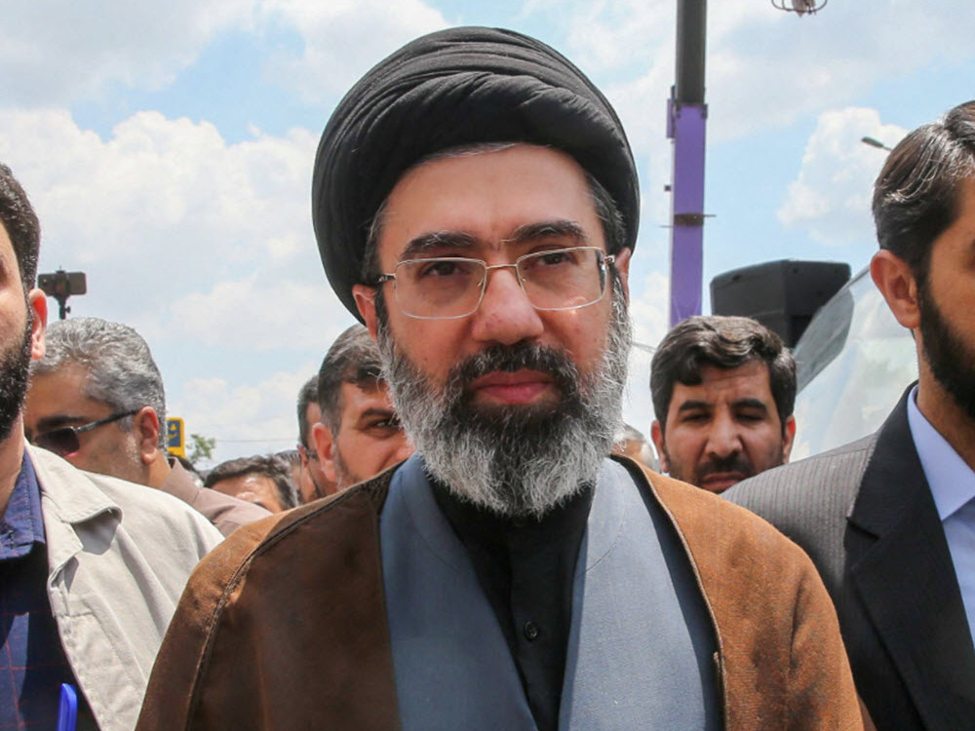
Iran's Supreme Leader reportedly agreed to negotiate with the US and reach an agreement
Al Arabiya reports that sources to Yedioth Ahronoth, Israel’s largest paid newspaper, said that Iran’s foreign minister Araghchi secretely informed Netanyahu of Mojtaba Khamenei’s approval for negotiations and that the Supreme Leader has agreed to negotiate with the US and reach an agreement.This would be in line with what Trump has claimed yesterday but given the mixed messages, everyone is still taking these reports with a pinch of salt. There’s also this ominous news that the additional US worships and thousands of Marines are expected to arrive in the Middle East on Friday, which is the deadline of Trump’s ceasefire for negotiations.So, everyone’s asking if we got the real TACO yesterday or it was just the usual jawboning strategy to ease market’s stress and lower oil prices before another escalation. This article was written by Giuseppe Dellamotta at investinglive.com. 🔗 Source 💡 DMK Insight So Iran’s foreign minister just dropped a bombshell about potential negotiations with the US, and here’s why it matters right now: geopolitical tensions often ripple through markets, particularly oil and currencies. If this news leads to a thaw in US-Iran relations, we could see a significant impact on crude oil prices, which are already sensitive to geopolitical developments. Traders should keep an eye on the Brent crude benchmark; a sustained drop below a certain level could signal a bearish trend, while any rally could be short-lived if negotiations stall or fail. But let’s not get ahead of ourselves. Historically, similar announcements have led to initial market optimism, only to be followed by skepticism as details emerge. The real story here is whether this leads to concrete actions or just more rhetoric. If you’re trading oil or related currencies, watch for key resistance levels in crude and be prepared for volatility. Also, keep an eye on the USD/IRR exchange rate; any shifts could indicate market sentiment towards this news. In the coming days, monitor any official statements from both the US and Iran, as they could provide clearer direction for traders looking to position themselves in this evolving situation. 📮 Takeaway Watch Brent crude closely; a drop below key support levels could signal bearish momentum, while any positive developments in negotiations may lead to volatility.

France March flash services PMI 48.3 vs 49.0 expected
Prior 49.6Manufacturing PMI 50.2 vs 49.5 expectedPrior 50.1Composite PMI 48.3 vs 49.3 expectedPrior 49.9It’s not a good look for France’s economy at the end of Q1 with business activity slumping to a five-month low. The services sector was the main drag, also seeing its weakest showing in five months as it falls further into contraction territory. While manufacturing activity was a two-month high, it belies the underlying performance of the sector with output falling to a four-month low.Amid higher energy prices, a key focus of the report is on prices. And we’re already seeing evidence of the Middle East crisis having an impact with input cost inflation accelerating sharply to its strongest since November 2023. That in particular for the manufacturing sector. Trouble, trouble.HCOB notes that:”It’s clear from March ‘flash’ PMI data that Europe’s susceptibility to international supply-side disruption remains high. Soaring oil and oil-product prices, rising fuel costs and disrupted maritime supply chains have led to the worst delivery delays from vendors in over three years and pushed up input prices for French companies to an extent not witnessed since late-2023. We saw a very limited pass-through to selling prices, however, likely because prevailing demand conditions prior to the war in the Middle East were subdued. This dynamic could play a crucial role in determining how much of this supply shock filters through to the wider economy. “March was further complicated by local elections, with firms reporting that clients held back on spending as a consequence. For that reason, April may give us a better indication of the true state of the economy, but for now, France’s burgeoning recovery looks to be on ice. A sharp reduction in business confidence backs this assessment, with the threat of higher inflation, prolonged supply-side disruption and heightened near-term uncertainty prompting a re-evaluation of the outlook.” This article was written by Justin Low at investinglive.com. 🔗 Source 💡 DMK Insight France’s PMI data just hit a five-month low, and here’s why that matters: a slowdown in the services sector could signal broader economic troubles. With the Composite PMI dropping to 48.3, below the 50 mark, it indicates contraction. This is a red flag for traders, especially those in forex and equities, as it may lead to a weaker euro and impact related markets. If the trend continues, we could see increased volatility in EUR/USD pairs, particularly if the euro breaks below key support levels. Keep an eye on upcoming economic indicators and central bank responses, as they could shift sentiment quickly. A contrarian view might suggest that if the market overreacts, there could be a buying opportunity for those looking at long-term positions in undervalued sectors. Watch for the next PMI release and any commentary from the ECB, as these could provide clearer direction on market sentiment and potential trading strategies moving forward. 📮 Takeaway Monitor the EUR/USD for potential weakness if PMI trends continue; key support levels to watch are around 1.05.

Germany March flash manufacturing PMI 51.7 vs 49.5 expected
Prior 50.9Services PMI 51.2 vs 52.5 expectedPrior 53.5Composite PMI 51.9 vs 52.0 expectedPrior 53.2I would ignore the headline figures as they don’t reflect the real picture. The commentary is clearly pointing to stagflationary pressures from the US-Iran war and the longer it persists, the worse the negative impact on the economy will be.Key Points:Business activity growth slows as costs spike higher in MarchComment:Phil Smith, Economics Associate Director at S&P Global Market Intelligence: “March’s flash data show the first impacts of the war in the Middle East on growth, demand, business confidence and, perhaps most notably, prices. “The service sector has seen an immediate negative impact. Growth in business activity has slowed sharply to its weakest since the current upturn began last September, weighed down by a drop in inflows of new work that reflects a combination of increased uncertainty and rising price pressures. “The big surprise is perhaps the acceleration in growth in the manufacturing sector. Reports from goods producers indicate that demand has in some cases been boosted by companies reacting to the disruption and uncertainty brought on by the war in the Middle East, with some bringing forward purchases over concerns about potential supply disruption in the coming months. Output expectations have been revised down, which is a sign that the surge in factory activity will likely be short-lived.”Supply-chain pressures have already started building, with average lead times on inputs lengthening to the greatest extent for over three-and-a-half years in March. Moreover, the manufacturing sector is at the sharp end of the surge in inflationary pressures, seeing input costs increase at a rate not seen since late-2022.” This article was written by Giuseppe Dellamotta at investinglive.com. 🔗 Source 💡 DMK Insight The recent PMI figures are a red flag for traders: they’re hinting at stagflation risks. With Services PMI at 51.2 and Composite PMI at 51.9, both missing expectations, it’s clear that economic growth is stalling. The ongoing US-Iran conflict is adding to these pressures, and if it drags on, we could see further deterioration in economic conditions. This could lead to a risk-off sentiment in the markets, pushing traders to seek safer assets like gold or the US dollar. Keep an eye on how these geopolitical tensions evolve, as they could trigger volatility in equities and commodities alike. For traders, the immediate focus should be on key technical levels in the S&P 500 and gold. If the S&P breaks below its recent support level, it could signal a broader market sell-off. Conversely, if gold pushes above its resistance level, it might attract more buying interest as a hedge against inflation and uncertainty. Watch for any shifts in market sentiment as the situation develops, especially in the coming weeks. 📮 Takeaway Monitor the S&P 500 for support levels and gold for resistance; geopolitical tensions could drive volatility in both markets.

Eurozone March flash services PMI 50.1 vs 51.1 expected
Prior 51.9Manufacturing PMI 51.4 vs 49.4 expectedPrior 50.8Composite PMI 50.5 vs 51.0 expectedPrior 51.9The manufacturing sector is the only bright spot, with Germany leading the recovery in that regard. That being said, manufacturing output was softer than what the main index indicates with it being a two-month low. Meanwhile, the drag in the services sector pretty much brings overall business activity close to stalling with activity there being a ten-month low.Looking at other details, employment conditions continue to struggle with it falling for a third month running. Staffing levels decreased in Germany and France, while the rest of the euro area posted the weakest rise in employment since November 2023.Besides that, prices were a key focus amid higher energy prices and we’re already seeing clear signs of the US-Iran conflict leaving a mark. Of note, input prices increased at the fastest pace since February 2023 with steeper inflation registered across both the manufacturing and services sectors.HCOB notes that:“The flash Eurozone PMI is ringing stagflation alarm bells as the war in the Middle East drives prices sharply higher while stifling growth. Firms’ costs are rising at the fastest rate for over three years amid the surge in energy prices and choking of supply chains resulting from the war. Supplier delays have jumped to their highest since mid-2022, largely linked to shipping issues. “Output growth has meanwhile slowed to nearstagnation thanks to a slump in business confidence and deterioration of new orders. The drop in future output expectations was the largest recorded since Russia’s invasion of Ukraine in 2022. “The survey data are indicative of eurozone GDP growth slowing to a quarterly rate of just below 0.1% in March with the forward-looking indicators pointing to a heightened risk of a downturn the coming months. The survey’s price gauge is meanwhile indicative of consumer price inflation accelerating close to 3%, with cost pressure likely to add still further to selling price inflation in the coming months. “The outlook depends on the duration of the war and any potential lasting impact on energy and supply chains, but the flash PMI data underscore how the European Central Bank is no longer in a “good place” with respect to growth and inflation, and will have to tread a cautious path with respect to policy in the face of a clear and rising risk of stagflation in the coming months.” This article was written by Justin Low at investinglive.com. 🔗 Source 💡 DMK Insight Germany’s manufacturing PMI beat expectations, but here’s the catch: output is lagging. While the manufacturing PMI came in at 51.4 against a forecast of 49.4, signaling expansion, the softer output suggests underlying weaknesses. This discrepancy could lead traders to reassess their positions in related sectors, particularly in equities tied to manufacturing. If the trend continues, we might see volatility in the DAX or even in broader European indices. Keep an eye on the 50.0 level for PMI as a critical threshold; a drop below could signal a contraction, impacting market sentiment. Also, watch for reactions in the euro, as stronger manufacturing data typically supports the currency, but if output doesn’t follow through, we could see a reversal. On the flip side, the optimism around manufacturing could lead some traders to chase stocks in this sector, but caution is warranted. The real story is whether this PMI can translate into sustained growth or if it’s just a temporary blip. Monitor the upcoming economic releases for further clarity. 📮 Takeaway Watch the 50.0 PMI level closely; a drop below could signal contraction and impact related equities and the euro.

Trump wants a deal but negotiations not likely to be successful, says Israeli officials
The Reuters report cites three senior Israeli officials in saying that US president Trump appears to be quite determined in trying to strike a deal with Iran. That as he is aiming to try and end hostilities in the Middle East after the developments in recent weeks.However, the sources say that they are of the view that Iran is not likely to agree to US demands in any new round of negotiations. That as the US wants Iran to completely curb its nuclear and ballistic missile programmes.Well, I would say Israel does have some bias in wanting the conflict to keep carrying on. That allows a pass to get in strikes while hiding behind the cover of Washington, as they are doing currently. And we’re also seeing that the Israeli side is not likely stopping attacks against Iran during this supposed five-day cooling period. From earlier: Iran’s Fars report gas infrastructure hit as conflict broadens to energy assetsAs for how talks are going to progress, we’ll just have to wait and see. As mentioned earlier, the key signal is that it looks like we’re moving on to a new phase in the war at least. It’s akin to how Trump raised the stakes with China on tariffs in April and then suddenly stepping down again a month later and proclaiming that both sides are talking again. This time around it is just with Iran but the playbook is the same. This article was written by Justin Low at investinglive.com. 🔗 Source 💡 DMK Insight So Trump’s pushing for a deal with Iran, and here’s why that matters: geopolitical tensions can shake markets. If a deal materializes, we could see a stabilization in oil prices, which have been volatile due to ongoing conflicts. Traders should keep an eye on crude oil futures, as any positive news could lead to a dip in prices, potentially impacting related assets like energy stocks and currencies tied to oil exports. But let’s not get ahead of ourselves. The skepticism around such deals is palpable, especially given the historical context of failed negotiations. If the market gets too optimistic, a sudden reversal could lead to sharp corrections. Watch for key levels in oil prices—if they break below recent support, it could signal a bearish trend. Additionally, keep an eye on the USD/IRR exchange rate; any shifts here could indicate market sentiment towards Iran’s economic stability. In short, monitor the news closely and be ready to adjust your positions based on how the market reacts to any developments regarding the deal. 📮 Takeaway Watch crude oil prices closely; a deal with Iran could lead to significant market shifts, especially if prices break key support levels.

UK March flash services PMI 51.2 vs 53.0 expected
Prior 53.9Manufacturing PMI 51.4 vs 50.1 expectedPrior 51.7Composite PMI 51.0 vs 52.9 expectedPrior 53.7Key Findings:Input price inflation jumps to its highest for just over three years amid a surge in manufacturing costsComment:Chris Williamson, Chief Business Economist at S&P Global Market Intelligence:“The war in the Middle East has hit the UK economy in March, stalling growth while driving inflation sharply higher. “Output growth across manufacturing and services has slowed to a crawl as companies blamed lost business directly on the events in the Middle East, whether through heightened risk aversion among customers, surging price pressures, higher interest rates, or via travel and supply chain disruptions. “Inflationary pressures have surged higher on the back of rising energy prices and fractured supply chains. The acceleration in cost growth in the manufacturing sector was especially severe, being the sharpest since the depreciation of sterling following Black Wednesday in 1992. “The full impact on inflation and economic growth depends not just on the duration of the war but also the length of disruptions to energy markets and shipping, though March’s PMI numbers clearly underscore how downside growth risks and upside inflation risks have already materialised. “The Bank of England faces a challenging period where it will need to balance these growth and inflation risks when setting policy, seeking to dampen the potential for the inflation spike to become more engrained while ensuring a hawkish interest rate outlook does not exacerbate downturn risks.” This article was written by Giuseppe Dellamotta at investinglive.com. 🔗 Source 💡 DMK Insight The unexpected drop in the Composite PMI to 51.0 signals potential economic headwinds for traders. With manufacturing PMI at 51.4, above the 50.1 expectation, it suggests some resilience, but the rising input price inflation indicates that costs are climbing, which could squeeze margins. This is crucial for sectors sensitive to input costs, particularly in manufacturing and consumer goods. The geopolitical tensions in the Middle East are likely exacerbating these inflationary pressures, which traders should monitor closely. If inflation continues to rise, we could see a shift in monetary policy expectations, impacting forex pairs like GBP/USD. Watch for key levels around 1.25 for GBP/USD; a break below could signal further weakness. Additionally, keep an eye on the next PMI release for any signs of a trend reversal or confirmation of ongoing economic challenges. 📮 Takeaway Traders should watch GBP/USD around 1.25; a break below could indicate further economic weakness amid rising inflation pressures.
USDJPY consolidates below the key 160.00 figure as focus turns to US-Iran negotiations
FUNDAMENTAL OVERVIEWUSD:The US dollar weakened across the board yesterday after Trump announced on his Truth Social account a five-day ceasefire for negotiations toward “a complete and total resolution of the hostilities.”However, the selloff in the greenback was short-lived as Iran quickly denied the claims. Most notably, Iranian Parliament Speaker Ghalibaf, who is reportedly the key figure handling negotiations with the US, stated that no talks had taken place with Washington.These conflicting reports have kept markets largely rangebound after the initial spike, with traders waiting for clearer developments. For now, the US dollar is likely to remain supported until there is an official de-escalation.JPY:On the JPY side, nothing has changed as lack of progress on the inflation front and geopolitical risks will likely keep weighing on the currency. Today, we got the latest Japanese CPI report, and the data showed further easing in inflation with the Core figure falling well below the BoJ’s 2% target. The initial outcome of the spring wage negotiations points to a third straight fiscal year in which Japan sees average wage hikes of above 5%. This should keep the tightening bias intact, but the central bank might want to wait for the US-Iran war to end to avoid exacerbating growth fears.USDJPY TECHNICAL ANALYSIS – DAILY TIMEFRAMEOn the daily chart, we can see that USDJPY pulled back from the 160.00 handle and started to consolidate above the 157.65 level that is now acting as support. We can expect the buyers to keep stepping in around the support with a defined risk below it to target a rally into the 161.95 level. The sellers, on the other hand, will want to see the price breaking lower to pile in for a drop into the major trendline around the 154.00 handle.USDJPY TECHNICAL ANALYSIS – 4 HOUR TIMEFRAMEOn the 4 hour chart, we can see more clearly the consolidation between the 157.65 support and the 159.75 resistance. Traders will likely continue to play the range by buying at support and selling at resistance until we get a breakout on either side. USDJPY TECHNICAL ANALYSIS – 1 HOUR TIMEFRAMEOn the 1 hour chart, there’s not much we can add here as the buyers will have a better risk to reward setup around the support, while the sellers will gain more conviction on a break below the support. The red lines define the average daily range for today. UPCOMING CATALYSTSToday we have the US PMIs. On Thursday, we get the latest US Jobless Claims figures. The focus remains on the US-Iran war and now the negotiations, so keep an eye on the headlines. This article was written by Giuseppe Dellamotta at investinglive.com. 🔗 Source 💡 DMK Insight The recent volatility in the US dollar, triggered by Trump’s ceasefire announcement, is a key moment for traders. With SOL currently at $91.78, the weakening dollar could boost demand for cryptocurrencies as investors seek alternatives. However, the quick denial from Iran suggests geopolitical tensions remain high, which could lead to further fluctuations. Traders should watch for SOL’s response to this dollar weakness, especially if it breaks above resistance levels. A sustained rally could signal bullish momentum, while a failure to hold above $90 might indicate a pullback. Keep an eye on broader market sentiment and any developments in the geopolitical landscape, as these factors could create ripple effects across crypto and forex markets. 📮 Takeaway Watch for SOL to maintain above $90; a break could signal bullish momentum amid dollar weakness.