
 Bitcoin
  Ethereum
  Tether
  XRP
XRP  BNB
BNB  USDC
USDC  Solana
  TRON
TRON  Lido Staked Ether
  Figure Heloc
Earlier:PBOC is expected to set the USD/CNY reference rate at 6.8840 – Reuters estimatePBOC inject 17.5bn yuan in 7-day reverse repo OMO at 1.4% (unchanged rate) This article was written by Eamonn Sheridan at investinglive.com. 🔗 Source 💡 DMK Insight The PBOC’s actions today are crucial for USD/CNY traders: here’s why. Setting the USD/CNY reference rate at 6.8840 indicates a slight strengthening of the yuan, which could influence market sentiment. The injection of 17.5 billion yuan via a reverse repo at an unchanged rate of 1.4% suggests the central bank is maintaining liquidity while signaling stability. This could lead to a short-term bullish trend for the yuan, impacting not just USD/CNY but also related pairs like AUD/CNY and EUR/CNY. Traders should watch for any shifts in the reference rate or further liquidity measures from the PBOC, as these could trigger volatility. On the flip side, if the USD continues to show strength against other currencies, the yuan’s gains could be capped. Keep an eye on the 6.88 level; a breach could signal a shift in momentum. The next few days will be critical as traders assess the broader implications of these monetary policies on the forex market. 📮 Takeaway Monitor the 6.88 level for USD/CNY; a breach could indicate a shift in momentum, especially with PBOC’s liquidity measures in play.
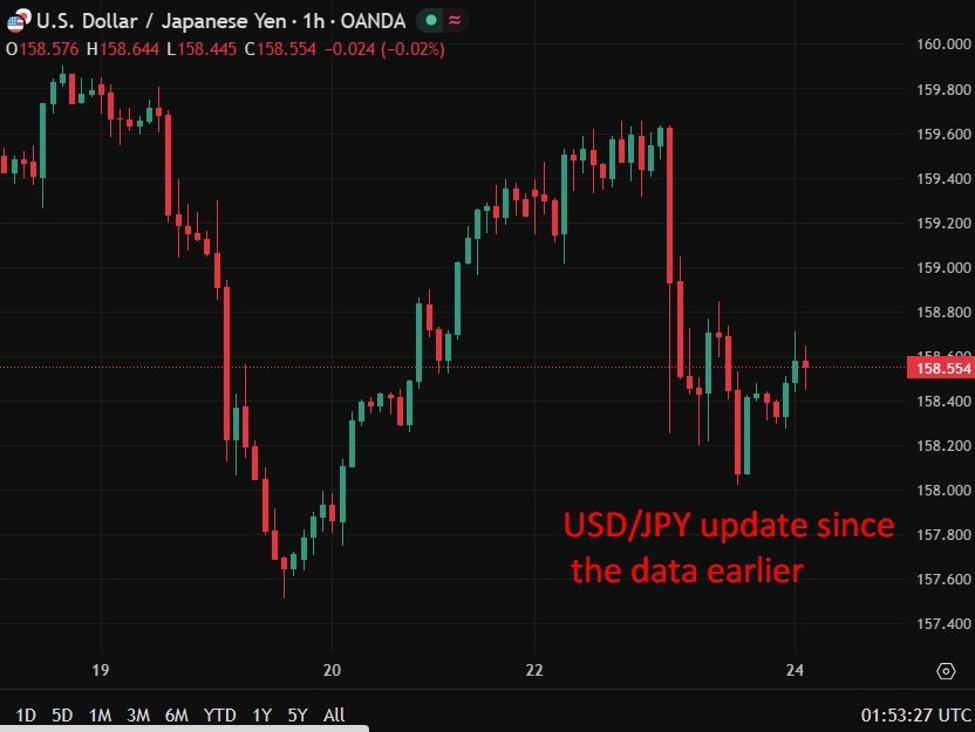
Japan core inflation slips below target as subsidies mask underlying price pressures
Japan inflation slowed on subsidies, but underlying price pressures remain firm, keeping the BoJ’s tightening path intact.Summary:Headline CPI slows to 1.3% y/y (prev 1.5%, est 1.3%) Core CPI (ex fresh food) drops to 1.6% (prev 2.0%, est 1.7%), below BoJ target Core-core CPI (ex food, energy) holds at 2.5% (prev 2.6%, est 2.4%) Energy subsidies and tax cuts drive disinflation Underlying inflation remains firmer despite headline softness BoJ to introduce new inflation gauge stripping policy distortions Policy outlook unchanged but communication more complex Japan’s inflation slowed in February, with headline and core measures easing as government subsidies dampened energy costs, complicating the Bank of Japan’s assessment of underlying price pressures.Headline consumer price inflation came in at 1.3% year-on-year, down from 1.5% in January and in line with expectations. Core inflation, which excludes fresh food and is closely watched by the central bank, slowed to 1.6% from 2.0%, falling below the Bank of Japan’s 2% target for the first time since early 2022. The reading was slightly weaker than market expectations of 1.7%.However, a deeper look at the data suggests underlying inflation remains more resilient. A measure excluding both fresh food and energy—often used as a proxy for demand-driven inflation—rose 2.5% year-on-year, only marginally down from 2.6% previously and slightly above expectations. This indicates that domestic price pressures remain intact despite the headline slowdown.The moderation in inflation was largely driven by government intervention. A sharp decline in energy costs, including a 9.1% drop, reflected renewed subsidies on electricity and gas. Additional policy measures, including a gasoline tax cut and expanded education subsidies, also weighed on the headline figures. These effects are seen as temporary and are likely to reverse as policy support fades and energy prices remain elevated amid geopolitical tensions.Price pressures in other areas remained firm. Food prices excluding fresh items rose at a still-elevated pace, while services inflation held steady, pointing to ongoing underlying inflation momentum.For the Bank of Japan, the data presents a communication challenge rather than a policy shift. While headline inflation has softened, the central bank remains focused on underlying trends. To address distortions from policy measures, the BoJ has signalled it will introduce a new inflation indicator designed to strip out one-off effects, helping policymakers better assess the true inflation trajectory.The broader policy outlook remains unchanged, with the BoJ maintaining a gradual tightening bias. However, the combination of subsidy-driven disinflation and persistent underlying pressures underscores the complexity of the current environment, particularly as the Middle East conflict adds to both inflation risks and growth headwinds. This article was written by Eamonn Sheridan at investinglive.com. 🔗 Source 💡 DMK Insight Japan’s inflation slowdown might seem like good news, but here’s why traders should be cautious: While the headline CPI dipped to 1.3% y/y, the core-core CPI holding at 2.5% signals persistent underlying price pressures. This suggests that the Bank of Japan (BoJ) may not pivot away from its tightening path just yet. Traders focusing on JPY pairs should keep an eye on how these inflation figures influence the BoJ’s next moves, especially with the core CPI dropping below expectations. If the BoJ maintains its stance, we could see further JPY strength against currencies like the USD, particularly if U.S. inflation data also comes in soft. Watch for key resistance levels around 150 for USD/JPY; a break below could trigger a stronger JPY rally. On the flip side, if inflation pressures unexpectedly rise, it could lead to a more aggressive tightening stance from the BoJ, which would shake up the forex markets significantly. Keep an eye on the upcoming economic indicators and any comments from BoJ officials for clues on future monetary policy shifts. 📮 Takeaway Monitor USD/JPY around the 150 resistance level; a break could signal a stronger JPY if BoJ maintains tightening.
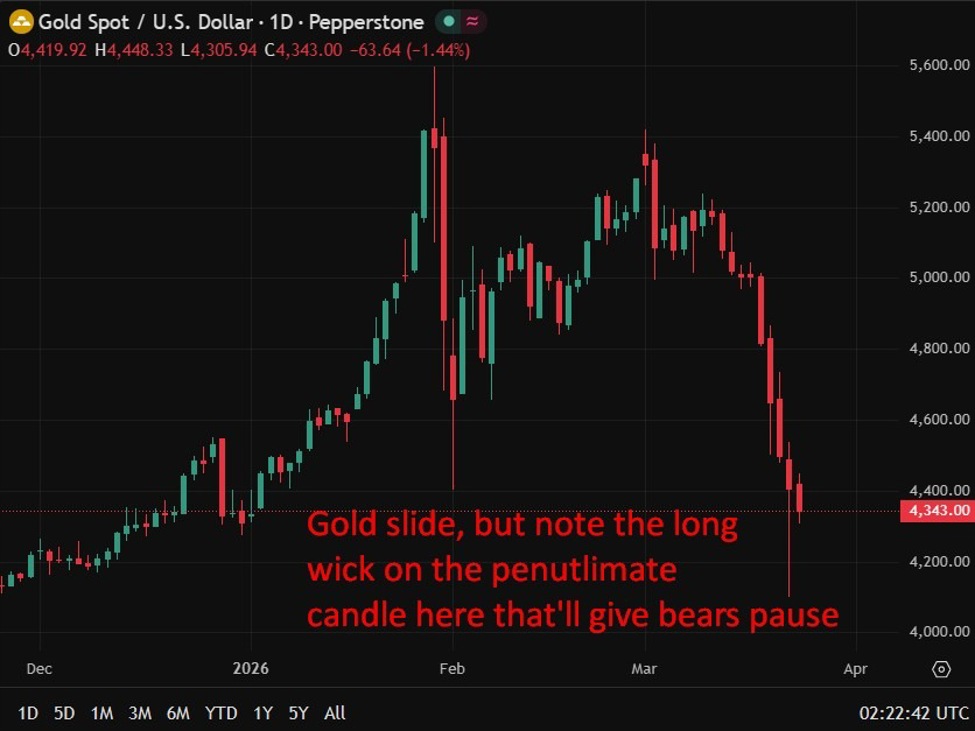
Central banks seen sustaining gold demand amid geopolitics and dedollarisation
Central banks are expected to keep buying gold amid geopolitical risks and diversification trends, though elevated prices and market dynamics may temper the pace.Summary:Central banks expected to remain active gold buyers in 2026 New and previously inactive buyers entering the market Recent purchases seen from Indonesia, Malaysia and Guatemala Demand tied to geopolitical risk and dedollarisation trends Gold prices sharply lower from recent highs amid forced selling Elevated prices may slow pace of purchases Industry forecasts should be viewed in context of vested interestsCentral bank demand for gold is expected to remain a key support for the market in 2026, underpinned by ongoing geopolitical tensions and a continued push toward reserve diversification away from the US dollar.Recent activity points to a broadening base of buyers, with a number of central banks either returning to the market after extended periods of inactivity or initiating purchases for the first time. Countries such as Indonesia, Malaysia and Guatemala have been cited among those increasing gold holdings, reflecting a more geographically diverse pattern of demand.The underlying drivers of this trend remain consistent. Gold continues to serve as a hedge against geopolitical instability, particularly amid rising global tensions and conflict-driven volatility in energy and financial markets. At the same time, it plays a role in diversification strategies as central banks reassess reserve composition in an environment of shifting economic and political alignments.There are also indications that some central banks are sourcing gold domestically, purchasing from local producers to support industry development and retain supply within national borders. This introduces an additional structural element to demand beyond traditional reserve management considerations.However, recent price action adds complexity to the outlook. Gold has seen a sharp correction from earlier record highs, with declines linked in part to margin-driven selling. While previous episodes of price weakness have attracted official sector buying, it remains unclear whether that dynamic is repeating in the current environment.At the same time, elevated price levels themselves may act as a constraint. Higher valuations can deter incremental purchases and increase the relative weighting of gold in reserves, reducing the need for further accumulation.It is also worth noting that some of these outlooks originate from industry bodies such as the World Gold Council, which represents gold producers and has a clear interest in promoting the role of gold in reserve portfolios. While the underlying trends cited are widely observed, such perspectives are typically assessed alongside broader market data and independent analysis.Overall, central bank demand is likely to remain a structural pillar of the gold market, even if the pace of buying moderates from recent highs. This article was written by Eamonn Sheridan at investinglive.com. 🔗 Source 💡 DMK Insight Central banks are ramping up gold purchases, and here’s why that matters: geopolitical tensions are pushing them to diversify away from traditional assets. With new players like Indonesia, Malaysia, and Guatemala entering the fray, the demand for gold could see a significant uptick. This trend is crucial for traders to watch, especially as elevated prices might limit how aggressively these banks buy. If central banks continue to accumulate gold, it could create upward pressure on prices, impacting not just gold but also related assets like gold miners and ETFs. Traders should keep an eye on key price levels and market sentiment around gold, particularly if it approaches resistance levels that could trigger profit-taking or further buying. On the flip side, while the demand is rising, the pace of purchases might slow due to current price levels. This could lead to volatility in the gold market, so monitoring central bank announcements and geopolitical developments will be essential for making informed trading decisions. 📮 Takeaway Watch for central bank gold buying trends and price resistance levels; they could signal volatility and trading opportunities in gold and related assets.
WSJ: Gulf states edge toward war with Iran as Saudi signals imminent entry
Gulf states are moving closer to joining the conflict with Iran, with Saudi Arabia signalling a potential shift toward direct military involvement.Wall Street Journal (gated) report.Summary:Gulf states moving closer to direct involvement in conflict with Iran Saudi Arabia allows US use of key air base, signalling deeper alignment Crown Prince Mohammed bin Salman reportedly close to joining attacks UAE cracking down on Iranian-linked assets, targeting financial channels Iran attacks on Gulf energy infrastructure driving escalation Strait of Hormuz control risks raising stakes further Gulf states balancing deterrence vs risk of full-scale warUS-aligned Gulf states are moving closer to direct involvement in the conflict with Iran, as sustained attacks on regional energy infrastructure and escalating security threats push key players toward a more forceful response.Saudi Arabia and the United Arab Emirates, long cautious about being drawn into open conflict, are now taking more assertive steps that suggest a shift in strategy. Riyadh has agreed to allow US forces to use King Fahd Air Base, strengthening operational support for ongoing strikes and signalling a deeper alignment with Washington’s military posture.More significantly, Saudi leadership appears to be nearing a decision to enter the conflict directly. Crown Prince Mohammed bin Salman is reportedly seeking to re-establish deterrence following repeated Iranian attacks, with indications that Saudi Arabia’s participation may now be a matter of timing rather than possibility. Public messaging has also hardened, with officials warning that continued attacks risk provoking a broader response and that assumptions about Gulf restraint may be misplaced.The UAE is also stepping up pressure, targeting Iran’s financial and commercial networks. Authorities have begun shutting down institutions linked to Iranian interests, a move that could restrict Tehran’s access to foreign capital and trade channels. This represents a shift from passive resilience to more active economic countermeasures.These developments come as Iran increases pressure on the region, including attacks on critical infrastructure and threats to exert influence over the Strait of Hormuz. Any move by Tehran to control or restrict access to the waterway would represent a major escalation, given its central role in global energy flows.Despite these moves, Gulf states remain cautious. Direct military involvement carries significant risks, including retaliation from Iran and the possibility of being left exposed if US policy shifts. However, repeated attacks and growing concerns over long-term regional security are narrowing the space for neutrality.The evolving stance reflects a broader recalibration among Gulf allies, who now face a difficult choice between absorbing continued pressure or escalating to restore deterrence. The trajectory suggests the conflict may be entering a more dangerous phase, with regional actors increasingly drawn toward direct confrontation. This article was written by Eamonn Sheridan at investinglive.com. 🔗 Source
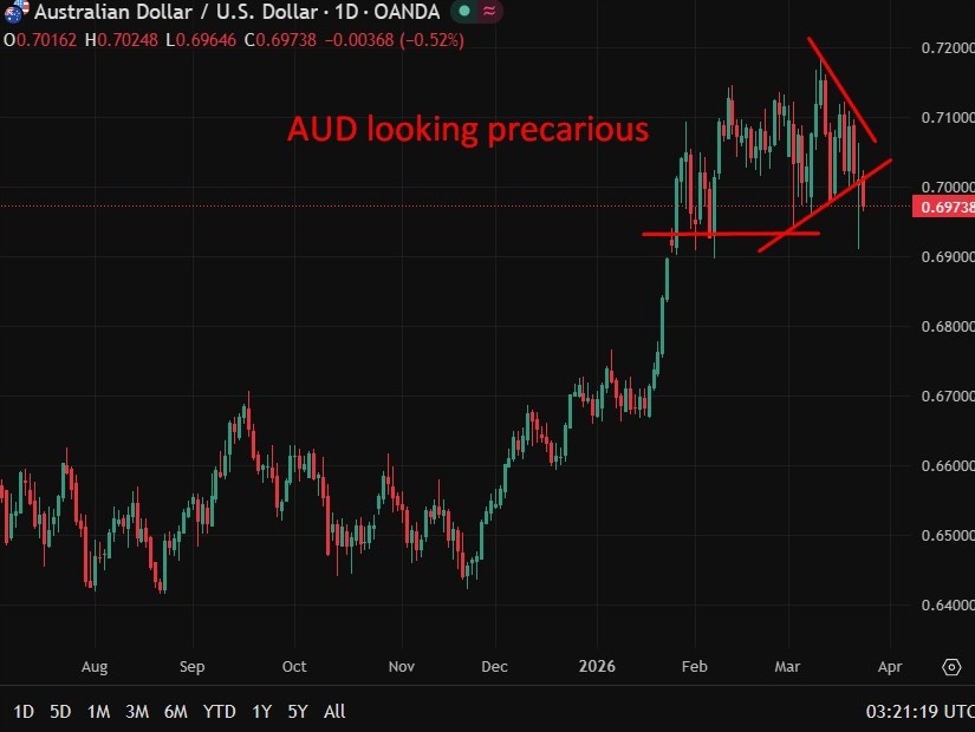
Australian inflation data due Wednesday, March 25, 2026. Preview.
Westpac sees Australia CPI steady but flags energy-driven upside risks.In brief from their preview. Summary:February CPI seen at 0.1% m/m, 3.8% y/y (unchanged) Trimmed mean expected 0.3% m/m, 3.4% y/y Inflation momentum steady but still above target band February data pre-dates Middle East energy shock Fuel prices fell in February, masking underlying pressures Energy shock could lift CPI to ~4.6% y/y by June quarter Risks skewed to upside if conflict persistsWestpac expects Australia’s February CPI to show inflation holding steady, but warns that emerging energy shocks are likely to push inflation higher in the months ahead, complicating the outlook for the Reserve Bank of Australia.The bank forecasts a modest 0.1% monthly rise in CPI for February, leaving the annual rate unchanged at 3.8% for a third consecutive month. Underlying inflation is also expected to remain sticky, with the trimmed mean seen rising 0.3% on the month and holding at 3.4% year-on-year. While this points to some stability in inflation, the details suggest price pressures remain persistent. Housing costs, particularly rents and electricity, continue to rise, while categories such as education and clothing are also contributing to upward pressure. At the same time, falling fuel prices and seasonal declines in travel costs are expected to offset some of these gains, keeping headline inflation contained in the near term.Crucially, the February data does not yet reflect the impact of the recent escalation in the Middle East. The surge in oil prices and disruption to shipping through the Strait of Hormuz occurred too late to feed into the February CPI print. As a result, the current data is likely to understate the inflation pressures building in the pipeline.Looking ahead, Westpac expects energy markets to play a dominant role in shaping the inflation trajectory. Under its baseline scenario—assuming a temporary disruption to Gulf shipping—headline inflation is projected to rise to around 4.6% year-on-year in the June quarter before easing later in the year. Higher fuel, transport and input costs are expected to flow through to consumer prices, with some spillover into food and services.While the direct impact on underlying inflation is expected to be more limited, there are growing risks of second-round effects. If higher energy prices begin to influence inflation expectations or wage-setting behaviour, inflation could prove more persistent than currently anticipated.Overall, the outlook suggests inflation is stable for now but facing renewed upside risks, leaving policymakers with a more complex path as global developments increasingly shape the domestic inflation profile.***************For the Australian dollar, the February CPI print is unlikely to be a major catalyst on its own, given expectations for a steady 3.8% annual pace and the known lag in energy impacts. Markets are more likely to look through this release and focus on the forward trajectory for inflation, particularly as rising oil prices begin to feed into headline and core measures in coming months.A stronger-than-expected print, especially in the trimmed mean, would reinforce expectations that the RBA may need to tighten further, providing near-term support for the AUD. Conversely, any downside surprise could weigh modestly on the currency, though such moves may be limited given the market’s awareness that energy-driven inflation pressures are still ahead.More broadly, the AUD outlook will increasingly hinge on how quickly energy costs translate into sustained inflation and whether this shifts the RBA’s policy path. However, global risk sentiment tied to the Middle East conflict remains a key offset, meaning AUD direction may ultimately be driven as much by geopolitical developments as by domestic inflation data. This article was written by Eamonn Sheridan at investinglive.com. 🔗 Source 💡 DMK Insight Westpac’s CPI forecast highlights potential inflationary pressures that could shake up the Aussie dollar. With February’s CPI expected at 0.1% m/m and 3.8% y/y, traders should note that this steady reading masks underlying energy-driven risks. The trimmed mean inflation at 0.3% m/m and 3.4% y/y suggests that while inflation is stable, it remains above the RBA’s target band. This could prompt the Reserve Bank of Australia to reconsider its monetary policy stance, especially if energy prices spike due to geopolitical tensions in the Middle East. If fuel prices, which fell in February, rebound, we could see a shift in inflation momentum that impacts the AUD/USD pair. Traders should keep an eye on the upcoming CPI release and any subsequent comments from the RBA. A surprise uptick in inflation could lead to a bullish sentiment for the Aussie dollar, while a stable reading might keep it under pressure. Watch for key resistance levels around recent highs, and consider how institutional players might react to any shifts in inflation expectations. 📮 Takeaway Monitor February’s CPI release closely; any inflation surprise could drive AUD volatility, especially if energy prices rise.
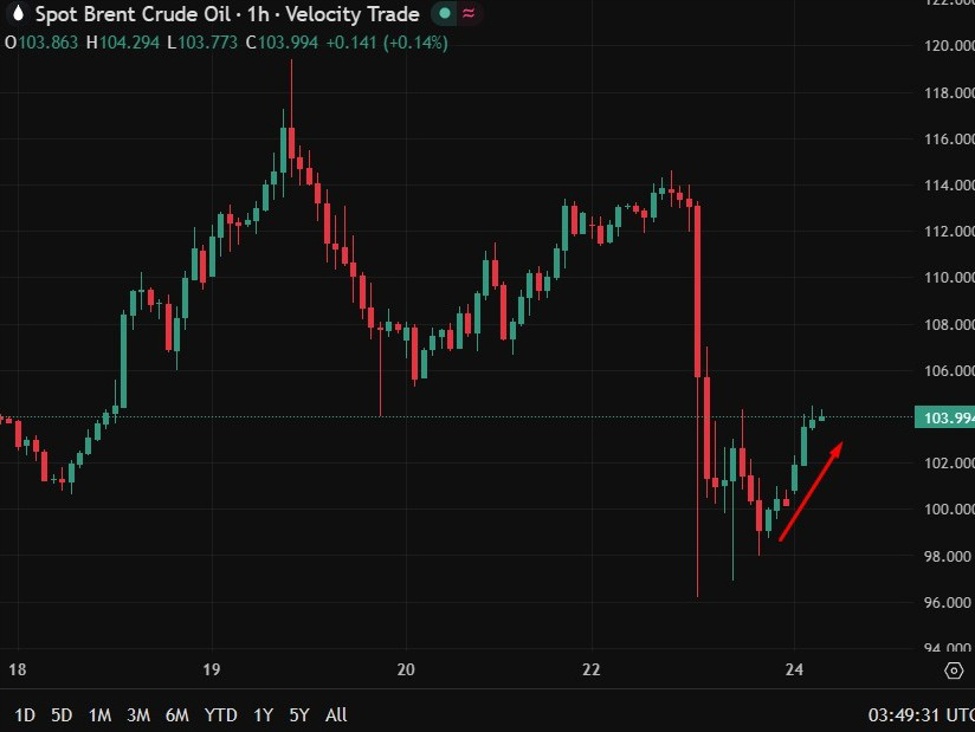
investingLive Asia-Pacific FX news wrap: Oil rebounds after sharp drop
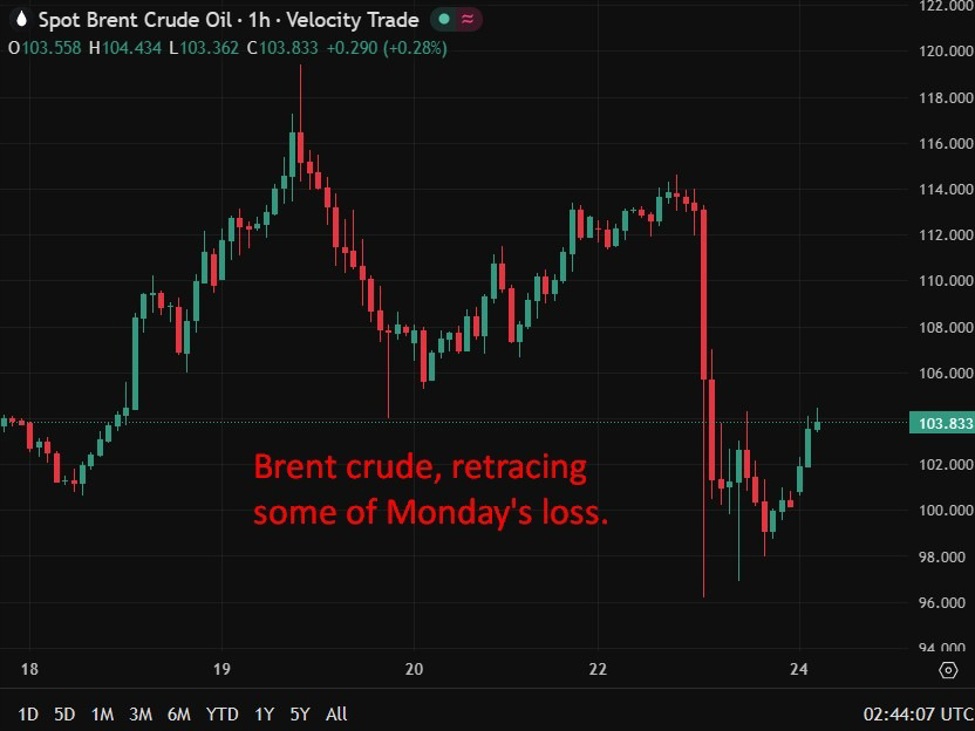
Australian inflation data due Wednesday, March 25, 2026. Preview.WSJ: Gulf states edge toward war with Iran as Saudi signals imminent entryCentral banks seen sustaining gold demand amid geopolitics and dedollarisationJapan core inflation slips below target as subsidies mask underlying price pressuresPBOC sets USD/ CNY reference rate for today at 6.8943Japan March 2026 flash PMI slows as growth momentum cools and cost pressures riseEU and Australia strike trade deal slashing tariffs, boosting exports and tiesIran’s Fars report gas infrastructure hit as conflict broadens to energy assetsJapan core CPI moderates in FebruaryDeutsche Bank sees ECB hiking to 2.5% as energy shock lifts inflationRBNZ’s Breman flags near-term inflation rise, warns on second-round risksUS equity dominance cracks. Tariffs, war & policy risks drive exit, leadership questioned.Australia flash PMI slips into contraction as services slump and cost pressures surgeGold oversold enough to rally, says Renaissance Macro’s DeGraafPrivate credit stress: Apollo cap fund withdrawals at 5%. Redemption requests surge to 11%Fed’s Daly flags two economic paths as Middle East risks cloud policy outlookRBNZ’s Breman signals rate hike risk if energy shock drives persistent inflationIn brief:Oil rebounds after sharp drop despite conflicting US–Iran signals Reports of strikes on Iranian gas infrastructure add to energy risk premium Gulf states edging closer to conflict, raising escalation risks Japan CPI soft headline but firm underlying inflation Fed’s Daly and RBNZ’s Breman stress conditional policy amid energy shock Apollo caps redemptions, highlighting private credit stress Australian consumer confidence plunges, inflation expectations surge USD firms broadly; FX ranges modest, equities track Wall Street rebound-Oil prices clawed back part of the prior session’s sharp losses, which had followed US President Donald Trump’s decision to delay planned strikes on Iranian energy infrastructure after describing talks with Tehran as “productive.” However, Iran denied any negotiations had taken place, calling the reports false, while the rebound in crude was also supported by fresh headlines of strikes on gas-related facilities in Isfahan.Geopolitical tensions remained elevated throughout the session. Reports ICBS) highlighted the presence of Iranian naval mines in the Strait of Hormuz, while Iran was said to have launched missiles toward Kuwait and Israel. In the US, an explosion and large fire at the Valero refinery in Port Arthur, Texas, one of the country’s largest at around 435k bpd, added to energy market sensitivity.Meanwhile, the broader regional picture continues to deteriorate. Wall Street Journal reporting suggested Gulf states are moving closer to direct involvement in the conflict, with Saudi Arabia signalling a potential shift toward participation and the UAE targeting Iranian-linked financial networks. The developments point to rising risks of a wider conflict and potential disruption to global energy flows.In Japan, February CPI data showed a cooling in headline inflation but resilience in underlying pressures. Core CPI slowed to 1.6% y/y from 2.0%, dipping below the Bank of Japan’s target, while core-core inflation held firm at 2.5%. The data reinforces expectations that policy normalisation remains on track despite near-term softness. USD/JPY edged higher on the session.Central bank commentary from both the Federal Reserve and the Reserve Bank of New Zealand struck a similar tone. Policymakers indicated they would likely look through a temporary energy-driven inflation spike, but warned that a prolonged conflict could result in higher inflation, weaker growth and a softer labour market, complicating the policy outlook.In credit markets, Apollo Global Management capped redemptions in its Apollo Debt Solutions fund after withdrawal requests exceeded limits, highlighting ongoing stress in private credit and liquidity-sensitive vehicles.In Australia, consumer sentiment deteriorated sharply, with confidence falling to a record low amid rising petrol prices, the ongoing conflict and recent RBA tightening. Inflation expectations also surged, with markets now turning to the February CPI release due next.In FX, the US dollar firmed modestly, with EUR, GBP, AUD, NZD and CAD all easing against the greenback in relatively contained ranges. Asia-Pacific equities took their lead from the prior Wall Street rebound, trading with a firmer tone. This article was written by Eamonn Sheridan at investinglive.com. 🔗 Source 💡 DMK Insight So, Australian inflation data is on deck, and here’s why that matters: traders are bracing for potential volatility. With inflation figures due March 25, 2026, any surprises could shift market sentiment significantly, especially in the forex space where the AUD is sensitive to economic indicators. If inflation comes in higher than expected, it could prompt the RBA to reconsider its monetary policy stance, potentially strengthening the Aussie dollar against its peers. Meanwhile, geopolitical tensions in the Gulf are heating up, with Saudi Arabia signaling a possible military escalation with Iran. This could lead to increased demand for safe-haven assets like gold, which has been resilient amid such uncertainties. Traders should keep an eye on gold prices as they may react sharply to any developments. Additionally, Japan’s core inflation slipping below target could influence the Bank of Japan’s policies, impacting the JPY. Watch for any shifts in USD/CNY as the PBOC sets the reference rate at 6.8943; this could affect broader market dynamics, especially for commodities and emerging markets. In short, keep your eyes on the upcoming Australian inflation data and geopolitical developments, as they could create significant trading opportunities in the forex and commodities markets. 📮 Takeaway Watch the Australian inflation data on March 25; a surprise could shift AUD significantly, impacting related forex pairs and gold prices.

Movement along Strait of Hormuz said to still be very tightly controlled for now
A bit of an update, with Kpler’s intel source Amena Bakr reporting on the matter. She says that “a number of LPG vessels crossed the strait yesterday and headed towards India”. Adding that “the strait is not closed, but the passage of vessels is tightly controlled by Iran and vessels need to seek permission before passing”.I don’t believe that’s much of a change in the prevailing narrative. The Strait of Hormuz remains in de facto closure and there are no commercial vessels really willing to take up the risk to try and cross it. That unless one is able to get some assurance from Iran, and it seems like only India (and arguably China) to a certain extent has been able to.Otherwise, any other ships with intended destinations elsewhere will not be granted passage at this time. That unless they go under the radar and brave the heavily guarded waters along the strait.As things stand, oil prices are slowly creeping back up again today after the drop yesterday. WTI crude oil is up over 3% currently as market jitters are starting to return.US president Trump is claiming talks but so far, Iran has denied that for the most part. I’m sure there has been some contact of sorts but Trump is definitely making it seem bigger than it is. We’ve seen this playbook before. It’s the exact same thing like when the US engaged on trade talks with China.As for the delay on strikes, it might be a case that Israel is not going to abide by that. From earlier: Iran’s Fars report gas infrastructure hit as conflict broadens to energy assetsBut whatever the noise may be on talks and peace, the most important thing is how things are progressing with the Strait of Hormuz. And from the latest development above, it doesn’t seem that much of anything has changed since last week. This article was written by Justin Low at investinglive.com. 🔗 Source 💡 DMK Insight Iran’s control over LPG vessel passage is a game changer for energy traders right now. With reports of multiple vessels heading to India, traders should be on high alert for potential supply disruptions. The geopolitical tension in the region could lead to volatility in LPG prices, especially if Iran decides to tighten controls further. This situation could ripple through related markets, impacting crude oil and natural gas prices as well. Keep an eye on the daily price movements and any news from Iran that could signal shifts in their shipping policies. If tensions escalate, we might see a spike in prices, so having stop-loss orders in place could be wise. On the flip side, if the situation stabilizes, we could see a temporary dip in prices as supply resumes. Watch for key levels in LPG pricing; a break below recent support could indicate a bearish trend, while resistance levels will be crucial to monitor for potential rebounds. 📮 Takeaway Traders should monitor LPG prices closely for volatility due to Iran’s control over vessel passage, especially if tensions escalate.

Market jitters start to creep in again after the cautious optimism yesterday
The early moves today are a pullback to what we saw in trading yesterday. Oil prices are up and so are Treasury yields, which in turn are weighing on equities and precious metals again. And in the major currencies space, the dollar is once again creeping higher across the board.Putting aside all the noise about whether or not there were talks between the US and Iran, it is clear that Trump has signaled that we might just be entering a new phase in the conflict. We’ve seen this playbook by him before. It is the exact same thing that he stuck with when dealing with China on trade/tariffs.It’s all the same kind of words being used. “I didn’t call, they called”. “Talks were very good and very productive”. “They want to make a deal”.Knowing Trump, he always wants to sell the narrative that he is the one who won the art of the deal. However, the difference this time is that Iran will hold significant leverage as they are staying in control of the Strait of Hormuz. It would not make much sense for them to give that up, while at the same time also compromising to US demands.In any case, we’ll just have to wait and see. But the fact of the matter is, the Strait of Hormuz remains in de facto closure for now. And that is still the most important thing for markets.Sure, strikes against Iranian power plants are postponed for five days (Israel doesn’t agree though).However, there’s still no passage for commercial vessels along the strait and so that means another week of having to deal with the ongoing status quo.Unless something changes on the Strait of Hormuz, nothing changes for markets.WTI crude oil is up 3% on the day to $91.60 now, while 10-year Treasury yields are back to closing levels on Friday at 4.38%.Meanwhile, S&P 500 futures are down 0.5% and that might invite some pressure on US stocks as we revisit the potential technical break lower from Friday. And in the major currencies space, the dollar is up across the board with EUR/USD down 0.3% to 1.1580 and AUD/USD down by 0.6% to 0.6965 currently.It’s not shaping up well for precious metals either as the rebound yesterday begins to lose its lustre. Gold is down 1.4% to $4,343 while silver is down a little over 3% to $66.95 at the moment. This article was written by Justin Low at investinglive.com. 🔗 Source 💡 DMK Insight Oil prices rising and Treasury yields climbing are shaking up the markets right now. With the dollar gaining strength, traders should keep an eye on how this affects equities and precious metals. The correlation between rising yields and a stronger dollar often leads to a risk-off sentiment, pushing investors away from commodities and into safer assets. If oil continues its upward trend, it could further pressure inflation expectations, which might lead the Fed to maintain a hawkish stance longer than anticipated. Watch for key levels in the S&P 500 and gold; a break below recent support could trigger more selling. On the flip side, if oil prices stabilize or reverse, we could see a rebound in risk assets. Traders should monitor the 10-year Treasury yield closely; any significant movement could dictate market sentiment in the coming days. Keep an eye on the dollar index as well; a strong close above recent highs could signal further dollar strength, impacting currency pairs like EUR/USD and GBP/USD significantly. 📮 Takeaway Watch the 10-year Treasury yield and dollar index closely; a strong dollar could pressure equities and precious metals further in the short term.
Japan says to release about one-month supply of crude oil reserves next
This is scheduled to begin on 26 March, so the Japanese government is mainly offering confirmation on the total figure. As a reminder, Japan had already released about 15 days’ worth of reserves from the private sector on 16 March. So, this just adds to that and the total will be roughly 80 million barrels.And all of this also ties together with the IEA coordination to release a total of 400 million barrels globally.The Japanese government confirms that the crude oil reserves release here will be from 11 locations nationwide.As another reminder, Japan has a massive buffer in terms of oil in its reserve capacity heading into this crisis. They had around 254 days’ worth of oil and such a buffer looks to be well warranted in this kind of scenario now. But as a separate reminder, the IEA coordination rule does require countries to maintain a minimum of 90 days of net oil imports as emergency reserves. This article was written by Justin Low at investinglive.com. 🔗 Source 💡 DMK Insight Japan’s upcoming confirmation on reserve figures is crucial for traders, especially with the recent release of 15 days’ worth of reserves from the private sector. This move indicates a proactive approach by the Japanese government in managing liquidity, which could influence the yen’s strength against major currencies. Traders should be aware that such actions often lead to volatility in forex markets, particularly if the figures deviate from expectations. If the total reserves confirmed on March 26 exceed market predictions, we might see a bullish reaction in the yen, while a lower figure could trigger a sell-off. Keep an eye on correlated assets like USD/JPY and consider how this could impact broader market sentiment, especially in light of ongoing global economic uncertainties. Watch for any shifts in trading volume or sentiment leading up to the announcement, as these could provide early signals of market direction. 📮 Takeaway Monitor the March 26 reserve confirmation closely; a deviation from expectations could significantly impact USD/JPY and overall forex volatility.

FX option expiries for 24 March 10am New York cut
There is arguably just one to take note of on the day, as highlighted in bold below.That being for EUR/USD at the 1.1600 level. It’s a modest-sized one but not likely to factor much into play in the day ahead. As things stand, headline risk is everything in markets.US president Trump dropped a bombshell on markets yesterday and since then, it’s been rather chaotic. The general sentiment in major currencies is now driven by broader dollar sentiment, which is in turn driven by the overall risk mood. So, that is the biggest driver of trading sentiment right now.The dollar is recouping some losses today as market jitters start to creep back in. That’s keeping EUR/USD pinned down to 1.1585 at the moment. I wouldn’t expect the expiries to have too much pull factor on a day/week like this. So, price action will be more heavily influenced by dollar sentiment more so than any potential pull from the expiries above.Looking to European trading, be wary of the tail end of the session. When Trump wakes up, we might be in for another roller coaster ride.For more information on how to use this data, you may refer to this post here.Head on over to investingLive (formerly ForexLive) to get in on the know! This article was written by Justin Low at investinglive.com. 🔗 Source 💡 DMK Insight EUR/USD is hovering around the 1.1600 mark, and here’s why that matters right now: With the current geopolitical tensions and economic indicators fluctuating, this level could serve as a psychological barrier for traders. If the pair breaks below 1.1600, it may trigger further selling pressure, potentially leading to a test of lower support levels. Conversely, if it holds, we might see a bounce back, especially if any positive news emerges from the U.S. administration. Keep an eye on the daily chart for any signs of reversal patterns or volume spikes that could signal a shift in momentum. The real story is that while 1.1600 might seem modest, it’s a critical pivot point in the context of broader market sentiment. Traders should also consider how this level interacts with related assets, like U.S. Treasury yields, which can influence the dollar’s strength. Watch for any headlines that could impact market sentiment, as they can create volatility around this level. 📮 Takeaway Monitor the EUR/USD at 1.1600 closely; a break below could lead to increased selling pressure, while a hold may signal a potential rebound.