 Bitcoin
  Ethereum
  Tether
  XRP
XRP  BNB
BNB  USDC
USDC  Solana
  TRON
TRON  Lido Staked Ether
  Figure Heloc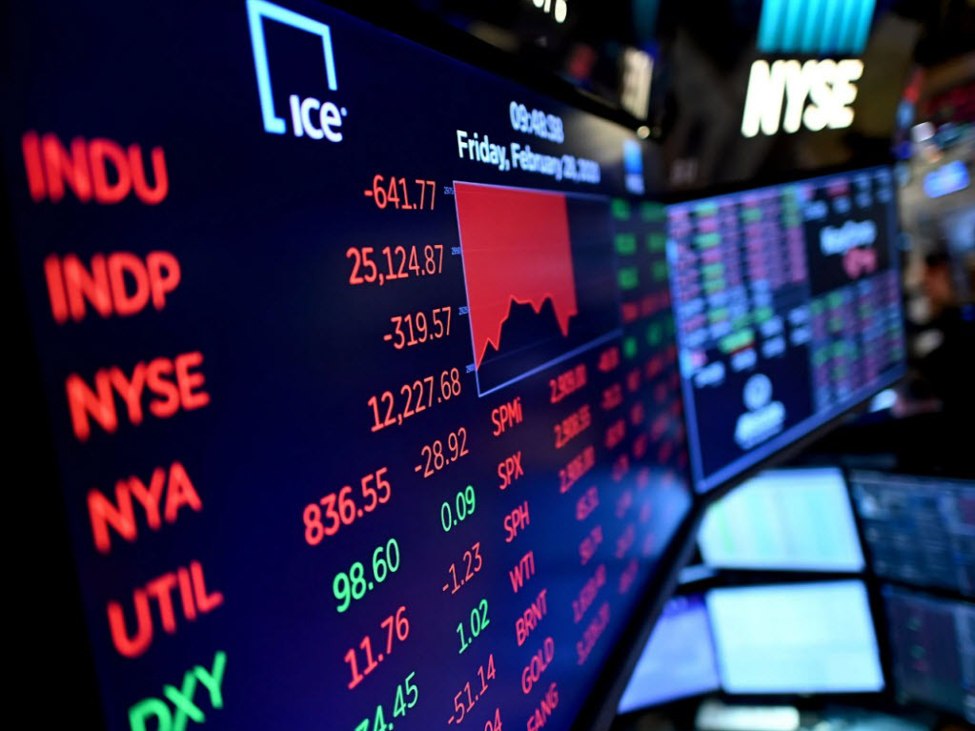
As energy prices continue to stay elevated, there are growing worries that the latest development will derail the economic recovery in Europe. In particular, the German manufacturing sector looked like it was starting to show some signs of life to start the new year. And then, we have all of this happen in the last two to three weeks. What a mess.Inflation worries are back on the menu and the ECB themselves have to now position for interest rate hikes. The latter might even come as soon as April next month.Even if oil shipments are impacting Asian supply more, European countries are facing disruptions to natural gas as Iran is hitting at key energy facilities across the Gulf region. The most notable of course is Qatar, as noted here.All of the negativity is weighing on stocks in region, and the bleeding is continuing today. Here’s a snapshot of things with the monthly performance in brackets:Germany DAX -2.1% (-13.4% month-to-date)France CAC 40 -1.7% (-12.2% month-to-date)Spain IBEX -2.4% (-11.3% month-to-date)Italy FTSE MIB -2.3% (-11.1% month-to-date)The drag looks like it might even get worse for French stocks, with the supportive line from June and August last year potentially set to break.Elsewhere, the DAX is already falling to its lowest level since April last year with little to no key support levels to really pick at. It is really looking rough out there and with Iran still not relenting, the Middle East conflict looks set to drag on. If so, don’t expect much of a reprieve any time soon. That especially as the selling is starting to hit at broader markets on multiple fronts.The monthly double-digit losses in Europe are going to be the worst showing for regional indices since March 2020. Ouch. This article was written by Justin Low at investinglive.com. 🔗 Source 💡 DMK Insight Energy prices are still high, and here’s why that matters for traders: elevated costs could stifle the fragile recovery in Europe, particularly impacting the German manufacturing sector. If energy prices remain elevated, we could see a slowdown in production, which would ripple through the supply chain and affect related markets like commodities and currencies. Traders should keep an eye on the EUR/USD pair, as any signs of economic weakness in Germany could lead to a bearish sentiment for the euro. Moreover, if the manufacturing sector falters, it could prompt the European Central Bank to reconsider its monetary policy stance, potentially delaying interest rate hikes. This would make the euro less attractive compared to other currencies, leading to volatility in forex markets. Watch for key economic indicators from Germany, particularly manufacturing PMI data, which could provide insight into the sector’s health. If the PMI drops below 50, it could signal contraction, triggering a sell-off in the euro. 📮 Takeaway Monitor German manufacturing PMI closely; a drop below 50 could signal economic contraction and impact the euro significantly.
ECB's Kazimir: Will not hesitate to act if inflation was at risk of staying above target
Will not hesitate to act if inflation was at risk of staying above target for a prolonged periodWe can do little about the inflation spike in the next few monthsSupply chains beyond energy are at riskEvery future meeting is open and liveWe are yet to leave our “good place”Clear upside risks for inflation and downside risks for growthThe ECB is carefully monitoring the economic impact from the US-Iran war and the elevated energy prices. Peter Kažimír, a member of the Governing Council and head of Slovakia’s central bank, said that while the Eurozone is currently in a “good place,” the central bank will not hesitate to act if inflation is at risk of staying above the 2% target for a prolonged period. This hawkish tone reflects the new environment where upside risks once again dominate the outlook.The immediate concern for policymakers is the volatility in energy markets. Kažimír acknowledged that the ECB can do little about the inevitable inflation spike expected in the next few months as these energy costs filter through the system. There is growing concern that supply chains beyond energy are at risk, creating a broader inflationary pressure that could prove more difficult to combat if it becomes embedded in the pricing behavior of firms and the wage demands of workers.What makes this moment particularly delicate is the “memory effect” of the 2022 inflation shock. Kažimír warned that businesses and consumers may now have a much lower threshold for adjusting prices and wages, potentially leading to faster second-round effects than seen in previous years. Because of this high uncertainty, the ECB is moving away from long-term guidance and toward a stance where every future meeting is open and live. This approach ensures the Governing Council remains agile and ready to pivot toward further tightening.Kažimír’s comments serve as a reminder that the bank is prepared to prioritize price stability over economic growth if the two come into conflict. This article was written by Giuseppe Dellamotta at investinglive.com. 🔗 Source 💡 DMK Insight Inflation concerns are back on the table, and here’s why that matters for traders: The central bank’s readiness to act if inflation remains elevated signals potential volatility ahead. With supply chain issues persisting, particularly outside of energy, traders should brace for possible rate adjustments that could impact market liquidity and asset prices. If inflation data continues to surprise to the upside, expect heightened sensitivity in both the forex and crypto markets, especially around key economic releases. Look for technical levels in major currency pairs and crypto assets that could react sharply to inflation news. For instance, if inflation data pushes the USD higher, watch for resistance levels in BTC and ETH that could trigger sell-offs. The real story is how traders position themselves ahead of these potential shifts—monitoring inflation indicators will be crucial in the coming weeks to gauge market sentiment and adjust strategies accordingly. 📮 Takeaway Keep an eye on inflation data releases; a surprise could shift market dynamics, especially for USD pairs and major cryptos like BTC and ETH.
UAE resumes operations at its largest gas processing facility after shutdown last week
According to Bloomberg, the UAE has restarted operations at its biggest natural gas processing plant i.e. Habshan Complex after having closed down the facility last week due to Iran’s attacks. That at least according to a person familiar with the situation.That being said, the only operating LNG production plant in the country at Das Island continues to be in more or less idle state. That as shipping along the Strait of Hormuz remains disrupted and the UAE cannot export its natural gas out at the moment. And the only reason why it is in idle state i.e. operating at low levels is so that it can allow for a quick restart if and when the strait eventually opens.For now, the Habshan Complex’s processing facility and fuel from Qatar via the Dolphin pipeline is at least helping to keep the domestic gas network fully supplied. However, that seems to be just about it. There’s nothing going out as the UAE cannot export any LNG produced through Das Island.For some context, natural gas produced from UAE’s offshore fields are sent to Das Island first. That is then fed to a pipeline to the Habshan Complex for final processing.With Das Island being the UAE’s only operational export hub at the moment, the country’s revenue stream is basically zero amid the de facto closure of the Strait of Hormuz. As for the Habshan Complex, it is a key facility that processes roughly 60% of the UAE’s total domestic gas.As such, don’t be too quick to pick up on the headline here. The details is what matters. So long as the Strait of Hormuz remains closed, the UAE still cannot get natural gas out from Das Island. And that is still the most important thing at the moment.And that means countries in Asia continue to suffer, especially the likes of India, Japan, and China. Those are the UAE’s biggest LNG importers, especially India which accounts for nearly half of the total amount. This article was written by Justin Low at investinglive.com. 🔗 Source 💡 DMK Insight The UAE’s reopening of the Habshan Complex is a critical development for energy traders, especially given the recent geopolitical tensions with Iran. Natural gas prices have been volatile, and this facility is key to stabilizing supply in the region. With the Habshan Complex back online, traders should monitor how this affects LNG prices and overall market sentiment. If the facility operates at full capacity, it could alleviate some supply concerns, potentially leading to a price correction in the short term. However, it’s worth noting that geopolitical risks remain high. Any further escalations could quickly reverse gains, so traders should keep an eye on news from Iran and the broader Middle East. Additionally, watch for technical levels in natural gas futures; a break below recent support levels could signal further downside. The market’s reaction in the coming days will be crucial, especially as we approach the end of the month, which often brings increased volatility in energy markets. 📮 Takeaway Keep an eye on natural gas prices as the Habshan Complex resumes operations; monitor for support levels that could indicate further price movements.
EURUSD erases gains as the US dollar remains underpinned amid the US-Iran war
FUNDAMENTAL OVERVIEWUSD:The US dollar weakened across the board on Thursday after a couple of de-escalatory headlines turned the risk sentiment around. That didn’t last long as the dollar started to regain ground on Friday after Wall Street Journal reported that the US was sending warships and thousands of additional marines to the Middle East despite Trump’s assurances that he won’t put American boots on the ground in Iran. CBS news later doubled down on the reports saying that Trump’s administration was making heavy preparations for potential use of ground troops in Iran. Over the weekend, Trump issued an ultimatum to Iran to reopen the Strait of Hormuz within 48 hours or face strikes on key infrastructure. The ultimatum is set to expire this late evening, but it doesn’t look like Iran is going to follow through at all, so that will likely traders on edge. Until we get a real de-escalation, the bullish US dollar trend should remain intact amid safe haven demand and rate hike bets. EUR:On the EUR side, the ECB kept interest rates steady with an upward revision to the inflation forecasts and a downgrade to growth. The forward guidance language was left unchanged with a data-dependent and meeting-by-meeting approach, and no pre-commitment to any rate path. The ECB stressed that inflation implications will depend both on the intensity and duration of the conflict and on how energy prices will affect consumer prices and the economy. The usual “ECB sources” noted that the central bank may have to start debating a rate hike at the April meeting and potentially tighten in June barring a quick resolution of the conflict. The market went berserk on rate hike expectations with 85 bps of tightening priced in by year-end.EURUSD TECHNICAL ANALYSIS – DAILY TIMEFRAMEOn the daily chart, we can see that EURUSD pulled back into the 1.16 handle last week but eventually reversed following escalatory news. If we get another pullback, we can expect the sellers to lean on the trendline with a defined risk above it to position for a drop into the 1.1395 level. The buyers, on the other hand, will look for a break higher to open the door for a rally into the 1.18 handle next.EURUSD TECHNICAL ANALYSIS – 4 HOUR TIMEFRAMEOn the 4 hour chart, we have an upward trendline defining the pullback from the 1.14 handle. If the price falls to the trendline, we can expect the buyers to lean on it with a defined risk below it to extend the pullback into the major downward trendline. The sellers, on the other hand, will look for a break lower to increase the bearish bets into the 1.1395 level next targeting a breakout.EURUSD TECHNICAL ANALYSIS – 1 HOUR TIMEFRAMEOn the 1 hour chart, we have a minor downward trendline defining the bearish momentum on this timeframe. If we get a pullback, we can expect the sellers to lean on the trendline with a defined risk above it to keep pushing into new lows, while the buyers will look for a break higher to start targeting the major downward trendline around the 1.1650 level. The red lines define the average daily range for today. UPCOMING CATALYSTSTomorrow we have the Eurozone and the US PMIs. On Thursday, we get the latest US Jobless Claims figures. As a reminder, the focus is mainly on the US-Iran war, so keep an eye on the headlines. This article was written by Giuseppe Dellamotta at investinglive.com. 🔗 Source 💡 DMK Insight The US dollar’s recent volatility highlights the fragility of risk sentiment in the market. After a brief dip due to positive headlines, the dollar’s rebound indicates that traders are still skittish about geopolitical tensions. The report of the US deploying warships and marines suggests that underlying risks remain, which could keep the dollar supported in the near term. For day traders, this means watching for any further headlines that could sway sentiment—especially those related to military actions or diplomatic developments. If the dollar breaks above recent resistance levels, it could signal a stronger trend, while a failure to hold gains might lead to a quick reversal. Keep an eye on correlated assets like gold and oil, as they often react sharply to shifts in dollar strength and geopolitical news. The next few days will be crucial; monitor the dollar index closely for any signs of sustained strength or weakness, particularly around key support and resistance levels. 📮 Takeaway Watch the dollar index closely; a break above resistance could signal further strength, while geopolitical headlines will drive volatility in the coming days.

Execution quality is the missing metric in Bitcoin and Ethereum markets
Crypto’s hidden trading costs demand the adoption of transaction cost analysis. Slippage, fees and fragmentation erode trust as crypto matures into institutional markets. 🔗 Source 💡 DMK Insight Crypto’s hidden costs are a big deal for traders—here’s why you should care: As the crypto market evolves, the impact of slippage, fees, and fragmentation is becoming more pronounced. These factors can significantly erode profits, especially for day traders and swing traders who rely on precision. When executing trades, even minor slippage can lead to unexpected losses, making transaction cost analysis essential for optimizing strategies. Institutions are increasingly scrutinizing these costs, which could lead to a shift in how trades are executed, potentially favoring platforms that offer better transparency and lower fees. But here’s the flip side: while these hidden costs might deter some retail traders, they could also create opportunities for those who can navigate the complexities. Understanding where slippage occurs and which exchanges have the lowest fees can give savvy traders an edge. Keep an eye on trading volumes and liquidity metrics across platforms, as these can indicate where fragmentation might be most severe. As we move into a more institutional-focused market, being aware of these costs will be crucial for maintaining profitability. 📮 Takeaway Monitor slippage and fees closely—consider using transaction cost analysis to refine your trading strategies and maximize profits.
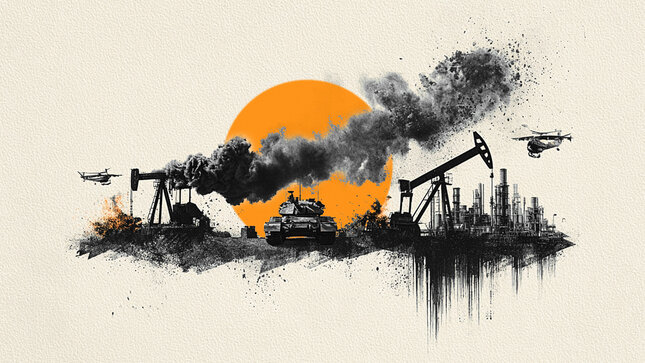
Middle East Conflict Latest: Trump gives Iran 48-hour ultimatum to open Strait of Hormuz
Here is a rundown of latest headlines surrounding the crisis in the Middle East as the United States (US) and Israel’s war against Iran enters the fourth week: 🔗 Source 💡 DMK Insight The ongoing conflict in the Middle East is creating ripples across global markets, and here’s why traders need to pay attention. As the US and Israel’s military actions against Iran escalate, geopolitical tensions are likely to impact oil prices significantly. Historically, such conflicts have led to spikes in crude oil due to supply concerns, and with Brent crude already sensitive to geopolitical events, any further escalation could push prices above key resistance levels. Traders should also keep an eye on the forex markets, particularly the USD and JPY, as safe-haven currencies often see increased demand during times of uncertainty. If the situation worsens, we could see a flight to safety, which might strengthen the yen against the dollar. Additionally, commodities like gold could see upward pressure as investors seek refuge. Monitoring the daily price action in these assets will be crucial, especially as we approach the end of the month when traders often reassess positions. The flip side is that if diplomatic efforts succeed, we might see a rapid unwinding of these positions, leading to sharp corrections. So, watch for any news on ceasefire talks or diplomatic interventions, as they could provide critical signals for market movements. 📮 Takeaway Keep an eye on Brent crude prices; any escalation in the Middle East could push them above key resistance levels, impacting oil and safe-haven currencies.

Australian Dollar weakens as Middle East tensions escalate
The AUD/USD pair attracts some sellers to near 0.7000 during the early Asian session on Monday, pressured by risk-off sentiment. The US Dollar (USD) edges higher against the Australian Dollar (AUD) as escalating tensions in the Middle East boost safe-haven demand. 🔗 Source 💡 DMK Insight The AUD/USD pair’s dip near 0.7000 signals a shift in trader sentiment amid rising geopolitical tensions. With the US Dollar gaining traction as a safe haven, this trend could continue if risk aversion persists. Traders should keep an eye on the 0.6950 support level; a break below could trigger further selling pressure. Conversely, if the pair rebounds from 0.7000, it might indicate a short-term buying opportunity, especially if broader market conditions stabilize. Given the current risk-off mood, related assets like commodities may also feel the impact, particularly if the Australian economy’s outlook dims. Watch for any news developments that could shift sentiment, as they could lead to volatility in both the AUD and USD pairs. 📮 Takeaway Monitor the AUD/USD around the 0.7000 level; a break below 0.6950 could signal further downside, while a rebound may present a buying opportunity.

US Treasury Secretary Bessent: Sometimes you have to 'escalate to de-escalate'
When asked in an NBS News interview on Sunday if President Donald Trump was “winding down” the war or “escalating” it, US Treasury Secretary Scott Bessent said, they are not mutually exclusive. Sometimes you have to escalate to de-escalate.” 🔗 Source 💡 DMK Insight So, Treasury Secretary Bessent’s comments about escalating to de-escalate could shake up market sentiment. In the current geopolitical climate, traders need to be wary of how such statements can influence risk assets, especially in the forex and commodities markets. If tensions rise, we might see a flight to safety, pushing investors towards the US dollar and gold. On the flip side, riskier assets like emerging market currencies could take a hit. Keep an eye on the USD index and gold prices for immediate reactions. Also, consider the broader implications: if the US takes a more aggressive stance, it could lead to volatility in oil prices, which are already sensitive to geopolitical tensions. Watch for key levels in crude oil—if prices break above recent highs, it could signal further escalation in the region. Overall, Bessent’s remarks are a reminder that geopolitical factors can have swift and significant impacts on market dynamics. 📮 Takeaway Monitor the USD index and gold prices closely; any escalation in tensions could lead to a flight to safety.
Iran threatens to target financial entities that finance US military budget
In a social media post on Sunday, Mohammad Bagher Qalibaf, Iran’s parliament speaker, threatened financial entities that fund the US military. 🔗 Source 💡 DMK Insight Iran’s parliament speaker just issued a stark warning to financial entities backing the US military, and here’s why that matters: This kind of rhetoric can shake investor confidence, especially in markets sensitive to geopolitical tensions. Traders should keep an eye on how this affects oil prices and the broader Middle Eastern markets, as any escalation could lead to volatility in commodities. If tensions rise, we might see a flight to safe-haven assets like gold or the US dollar, which could impact forex pairs significantly. Watch for any immediate reactions in oil futures, as they often respond quickly to geopolitical news. On the flip side, this could also present a buying opportunity for those looking to capitalize on short-term dips in affected markets. If the situation stabilizes, we could see a rebound. Keep an eye on key levels in oil—if it breaks above a certain threshold, it could signal a bullish trend. For now, monitor the news closely and be ready to adjust your positions accordingly. 📮 Takeaway Watch for immediate impacts on oil prices and forex pairs as geopolitical tensions rise; key levels in oil could signal trading opportunities.
EUR/USD declines to near 1.550 amid Middle East crisis
The EUR/USD pair loses ground to around 1.1560 during the early Asian trading hours on Monday. The Euro (EUR) weakens against the US Dollar (USD) as heightened geopolitical tensions in the Middle East have spurred volatility and weighed on the riskier assets. 🔗 Source 💡 DMK Insight The EUR/USD dip to 1.1560 highlights a critical moment for traders amid rising geopolitical tensions. As the Euro falters against the Dollar, it’s essential to consider how these tensions are influencing risk appetite. The current volatility could lead to further declines if the geopolitical situation escalates, making the Euro a risk-off asset in the eyes of many traders. Watch for key support levels around 1.1500; a break below could trigger more selling pressure. Conversely, if the situation stabilizes, we might see a rebound, but that’s contingent on broader market sentiment. Don’t overlook the potential ripple effects on related assets like commodities or equities, which often react to shifts in currency strength. Institutions may adjust their positions based on these developments, so keep an eye on volume and order flow for clues on market sentiment. The next few days will be crucial, especially if any new developments arise in the geopolitical landscape. 📮 Takeaway Watch for EUR/USD at 1.1500; a break below could signal further declines, while stabilization may lead to a rebound.