
 Bitcoin
  Ethereum
  Tether
  BNB
BNB  XRP
XRP  USDC
USDC  Solana
  TRON
TRON  Lido Staked Ether
  Figure Heloc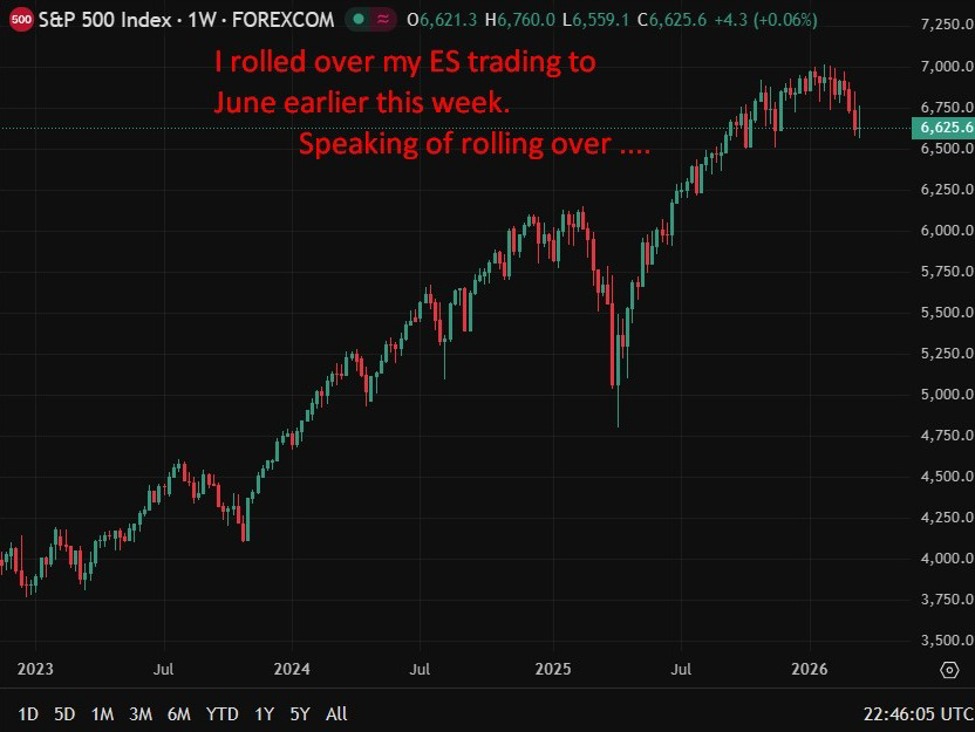
JPMorgan cuts S&P 500 target as oil shock raises recession risk.Summary:JPMorgan cuts S&P 500 target to 7,200 from 7,500Oil surge driven by Iran conflict raises recession risksBank warns markets underestimating hit to consumer demandOil shocks above 30% historically linked to recessionsS&P 500 breaks below 200-day moving averageFurther downside seen toward 6,000–6,200 support zoneHigher energy costs tightening global financial conditionsGeopolitical risks driving macro repricing across assetsRecovery still expected but likely more limitedJPMorgan has cut its year-end target for the S&P 500 to 7,200 from 7,500, warning that a surge in oil prices driven by the Iran conflict is raising recession risks and threatening equity market performance.The downgrade reflects growing concern that markets may be underestimating the economic impact of higher energy costs. While investor focus has largely centred on inflation, JPMorgan argues the more immediate risk lies in the hit to consumer demand, as rising fuel and energy expenses erode purchasing power and weigh on spending.Historically, sharp increases in oil prices have had a destabilising effect on growth. JPMorgan notes that oil shocks exceeding 30% have often led to demand destruction and have frequently preceded economic downturns, suggesting the current environment carries elevated downside risk.From a technical perspective, the near-term outlook for equities has also deteriorated. The S&P 500 has fallen below its 200-day moving average, a widely watched bearish signal that can accelerate selling pressure as systematic and trend-following strategies adjust exposure. JPMorgan sees scope for further downside, with the index potentially finding support in the 6,000 to 6,200 range if the sell-off extends.The backdrop remains closely tied to developments in the Middle East. Escalation in the Iran conflict has driven oil prices higher, tightening global financial conditions and reinforcing uncertainty around the growth outlook. Elevated energy costs act as a tax on consumers and businesses, amplifying the risk of slower economic activity.More broadly, the move highlights how commodity-driven shocks are feeding through global markets. Higher oil prices are lifting inflation expectations, pushing bond yields higher and tightening financial conditions, which in turn weigh on risk assets such as equities. This cross-asset transmission underscores the sensitivity of equity markets to energy-driven macro repricing. Despite the near-term risks, JPMorgan still expects equities to recover later in the year, supported by investment flows and potential policy support. However, the bank cautions that any rebound is likely to be more muted, with ongoing geopolitical tensions and elevated energy prices acting as a persistent headwind. This article was written by Eamonn Sheridan at investinglive.com. 🔗 Source 💡 DMK Insight JPMorgan’s S&P 500 target cut signals serious market recalibration amid rising oil prices. The adjustment from 7,500 to 7,200 reflects growing concerns about consumer demand as oil prices surge due to geopolitical tensions, particularly the Iran conflict. Historically, oil shocks exceeding 30% have been precursors to recessions, and with the S&P 500 now breaking below its 200-day moving average, traders should brace for potential further downside. This shift in outlook could trigger a wave of selling pressure, especially among institutional investors who might reassess their positions in light of these economic indicators. It’s worth noting that while some might view this as a temporary blip, the correlation between oil prices and economic health is strong. Traders should keep an eye on oil futures and related sectors, as a sustained rise in oil could lead to broader market declines. Watch for the S&P 500 to test key support levels around 7,200, as failure to hold could lead to a more significant sell-off in the coming weeks. 📮 Takeaway Monitor the S&P 500’s performance around 7,200; a break below could signal deeper market corrections driven by rising oil prices.

WTO cuts global trade outlook, says Middle East conflict lifts energy risks
WTO cuts trade and growth outlook as Middle East conflict lifts energy risks.Summary:WTO cuts global trade and growth forecasts due to Middle East conflictGoods trade growth seen at 1.4% vs 1.9% previouslyGlobal GDP forecast lowered to 2.5% from 2.8%Energy disruptions via Strait of Hormuz driving outlook downgradeHigher oil and LNG prices weighing on demand and trade flowsEnergy-importing regions face greater downside risksAI-related goods accounted for 42% of trade growth in 2025AI investment could partially offset downside risks in 2026Services trade, including tourism, also expected to slowGeopolitical uncertainty reshaping global trade patternsThe World Trade Organization has downgraded its outlook for global trade and economic growth, warning that a prolonged Middle East conflict could have a deeper-than-expected impact on the global economy. Gated: Wall Street Journal.The revision follows escalating tensions involving Iran, including disruptions to energy production and shipping routes through the Strait of Hormuz, one of the world’s most critical arteries for oil and liquefied natural gas flows. Continued attacks on energy infrastructure, including key gas facilities in Iran and Qatar, have raised concerns about sustained supply disruptions and persistently high energy prices.Under a scenario where the conflict continues through the remainder of 2026, the WTO now expects global goods trade to grow by just 1.4%, down from a previous forecast of 1.9%. Global economic growth is also projected to slow to 2.5%, compared with an earlier estimate of 2.8%.The downgrade reflects the broader economic impact of elevated energy costs, which act as a drag on both consumers and businesses. Higher oil and gas prices raise input costs, reduce disposable income, and tighten financial conditions, particularly in energy-importing economies across Europe and Asia. By contrast, energy-exporting countries, including the United States, may see relative support to growth from higher commodity revenues.The WTO warned that sustained energy price increases could have spillover effects beyond trade, including risks to food security and broader cost pressures across supply chains. At the same time, disruptions to transport routes in the Middle East are compounding uncertainty, further weighing on global trade flows.Despite the weaker outlook, some offsetting forces remain. The WTO highlighted that AI-related investment continues to provide a meaningful boost to trade. In 2025, goods linked to artificial intelligence—such as semiconductors, chips and data infrastructure—accounted for 42% of global trade growth, despite representing a relatively small share of total trade.While demand for AI-enabling goods is expected to moderate in 2026, the WTO noted that a sustained investment cycle could partially cushion the downside from geopolitical disruptions. In a more optimistic scenario, continued strength in AI-related trade could offset the drag from higher energy prices, leaving overall trade growth closer to previous expectations.The conflict is also expected to weigh on services trade, particularly in sectors such as transport and tourism. Growth in global services trade is now projected at 4.1% if tensions persist, down from a prior forecast of 4.8%. Geopolitical uncertainty is likely to dampen travel demand and shift trade and tourism flows toward regions perceived as lower risk.More broadly, the outlook underscores how geopolitical shocks in energy markets are feeding through the global economy. Disruptions to supply and transport are lifting energy prices, tightening financial conditions and reshaping trade patterns. The balance between these downside risks and ongoing structural drivers such as AI investment will be key in determining the trajectory of global growth through 2026. This article was written by Eamonn Sheridan at investinglive.com. 🔗 Source 💡 DMK Insight WTO’s downgrade of global trade and growth forecasts is a red flag for traders: energy risks are rising. With the goods trade growth now projected at just 1.4%, down from 1.9%, and a GDP forecast cut to 2.5% from 2.8%, the implications are significant. The ongoing conflict in the Middle East, particularly around the Strait of Hormuz, is creating volatility in energy markets, which could ripple through equities and commodities. Traders should be wary of how these energy disruptions might affect inflation and central bank policies, especially if oil and LNG prices spike further. Here’s the thing: while some might see this as a temporary blip, the potential for sustained energy price increases could lead to broader economic impacts. Watch for oil prices to test resistance levels; if they break through recent highs, expect increased volatility across related markets. Keep an eye on the next few weeks as traders react to these forecasts and adjust their positions accordingly. 📮 Takeaway Monitor oil price movements closely; a breakout above recent highs could signal broader market volatility and impact trading strategies across commodities and equities.
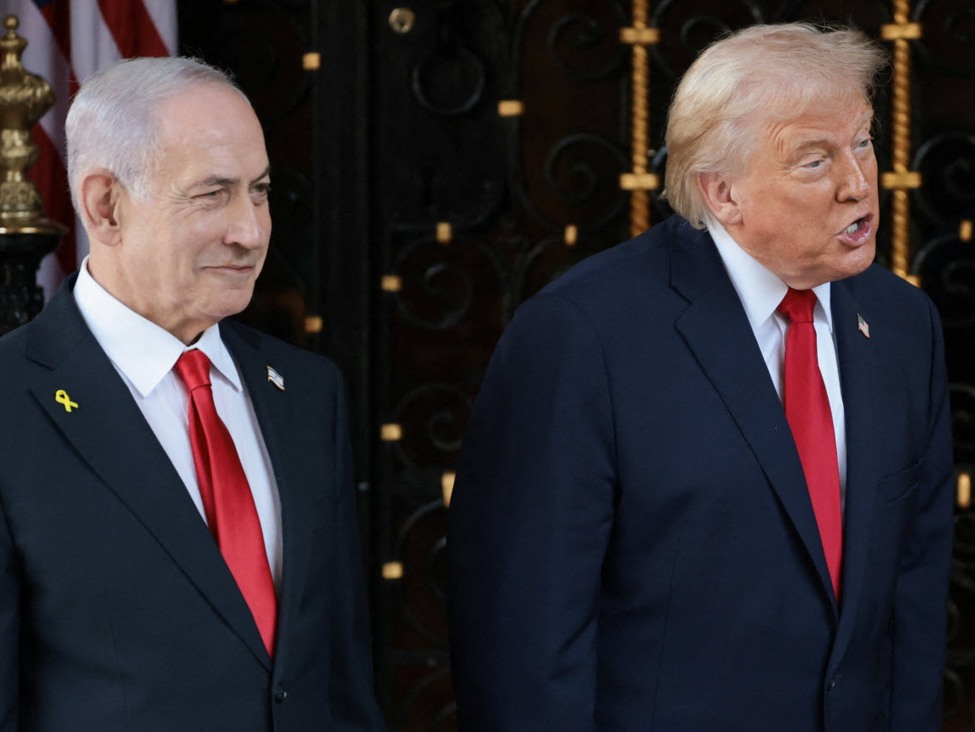
Reports that the U.S. deploys more Marines and ships to Middle East due to Iran tensions
U.S. accelerates Middle East troop deployment amid rising Iran tensions.Summary:U.S. accelerating deployment of Marines and naval assets to Middle EastBoxer Amphibious Ready Group and 11th MEU deploying ahead of scheduleAround 4,000 personnel aboard initial three-ship groupPotential expansion to six ships and ~8,000 total service membersUSS Tripoli already en route; additional assets may joinDeployment follows USS Ford carrier withdrawal for repairsPersonnel shortened leave to expedite deployment timelineReports suggest focus on reinforcing regional military postureEscalation risks tied to energy infrastructure and Strait of HormuzSource based on anonymous officials; details not independently confirmedThe United States is accelerating the deployment of additional naval and Marine forces to the Middle East, as Washington moves to reinforce its military posture amid escalating tensions with Iran. Source: Newsmax (officials cited anonymously; details not independently confirmed).According to officials speaking on condition of anonymity, the U.S. Navy has ordered the Boxer Amphibious Ready Group and the 11th Marine Expeditionary Unit to deploy ahead of schedule from the West Coast. The group is expected to transit through the Indo-Pacific before arriving in the Middle East, reflecting a broader effort to increase firepower and readiness in the region.The Boxer Amphibious Ready Group includes the USS Boxer, alongside the USS Portland and USS Comstock. These vessels are carrying approximately 2,500 Marines, contributing to a total force of around 4,000 personnel aboard the three ships. The group is equipped with F-35 fighter jets, missile systems, and amphibious vehicles capable of supporting land-based operations.Officials indicated that personnel shortened leave periods following training certification to expedite deployment timelines, underscoring the urgency of the buildup. The Boxer group is expected to join the USS Tripoli, which is already en route to the region, further expanding U.S. amphibious and aviation capabilities.Additional naval assets may also be involved. Reports suggest that other amphibious ships could join the deployment, potentially bringing the total to six vessels and around 8,000 service members in the region, including between 4,000 and 5,000 Marines. Some of these details remain unconfirmed.The reported buildup comes amid speculation that the U.S. could take a more assertive role in securing strategic areas tied to Iran’s energy infrastructure, including key islands linked to oil production and transport. At the same time, the redeployment follows the temporary withdrawal of the USS Ford aircraft carrier from the region due to onboard damage, potentially creating a gap in U.S. naval presence that this deployment seeks to offset.From a market perspective, any increase in U.S. military presence in the Middle East raises the risk of further escalation, particularly around critical energy infrastructure and shipping routes such as the Strait of Hormuz. The region accounts for a significant share of global oil flows, and heightened military activity can increase volatility across energy markets.More broadly, the development highlights how geopolitical tensions are feeding into global market dynamics. Military escalation risks disrupting energy supply chains, lifting oil and gas prices, and reinforcing inflation pressures. This, in turn, can tighten financial conditions and weigh on risk assets, underscoring the close link between geopolitical developments and macro pricing across markets.—-Markets dialled back the fear somewhat on Thursday. Too early? This article was written by Eamonn Sheridan at investinglive.com. 🔗 Source 💡 DMK Insight The U.S. troop deployment in the Middle East is a game-changer for oil markets and geopolitical stability. With tensions rising around Iran, traders should be on high alert. Historically, military escalations in this region have led to spikes in crude oil prices due to supply concerns. If the situation worsens, we could see Brent crude testing resistance levels around $90 per barrel. This deployment could also impact the broader market, with potential ripple effects on currencies like the Iranian rial and even the euro, as energy prices influence economic stability. Keep an eye on the daily charts for oil and related assets; any significant moves could trigger volatility across commodities and forex pairs. But here’s the flip side: if the deployment leads to a de-escalation or diplomatic resolution, we might see a rapid pullback in oil prices, creating a short-selling opportunity. Watch for news updates and any shifts in troop levels, as these could provide critical insights into market direction. 📮 Takeaway Monitor Brent crude prices closely; a breakout above $90 could signal further volatility, while de-escalation may present short-selling opportunities.
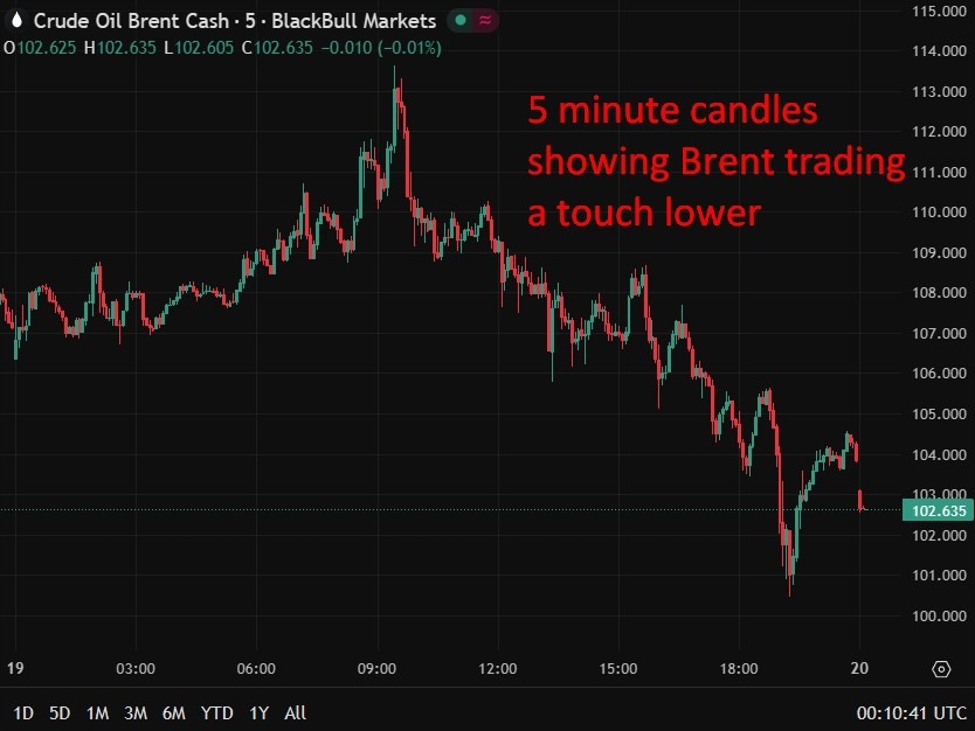
Goldman Sachs warns oil could exceed 2008 all time high peak on supply disruptions
Goldman Sachs warns oil prices may surge further on prolonged supply risks.Summary:Goldman Sachs sees upside risks to oil prices near term and into 2027Brent settles at $108.65 after volatile session, earlier above $119Iran conflict disrupting energy supply and Hormuz shipping routesBank warns Brent could exceed 2008 all-time high if disruptions persistPast supply shocks suggest prolonged periods of elevated pricesBase case sees Brent easing to $70s by Q4 2026Oil flows assumed to normalise within four weeks of reopeningRisks remain around damage to production capacity and timingOPEC spare capacity could partially offset disruptionsEnergy shocks feeding into inflation and broader market conditionsGoldman Sachs has warned that oil prices face significant upside risks in the near term and over the medium horizon, as ongoing disruptions linked to the Iran conflict continue to tighten global supply.Brent crude settled higher after another volatile session, with prices having earlier surged above $119 following Iranian strikes on energy infrastructure across the Middle East. The escalation, now entering its third week, has led to widespread supply disruptions across Gulf producers and heightened concerns over the security of flows through the Strait of Hormuz. Brent has since dribbled lower:Goldman said the balance of risks for oil prices remains skewed to the upside both in the near term and through to 2027. The bank highlighted that past supply shocks over the past five decades have often proven more persistent than initially expected, raising the possibility that oil prices could remain above $100 per barrel for an extended period.In the immediate term, Goldman expects prices to continue rising while flows through the Strait of Hormuz remain constrained. The bank added that Brent could potentially exceed its 2008 all-time high if disruptions prove prolonged, as markets remain highly sensitive to the risk of sustained supply shortages.The bank’s base case assumes a gradual recovery in oil flows beginning in April, with Brent prices easing back toward the $70s by the fourth quarter of 2026. However, Goldman cautioned that this outlook is subject to considerable uncertainty, particularly around the timing of a full reopening of key shipping routes and the extent of damage to production capacity.While oil output could recover relatively quickly once flows resume, potentially within four weeks, Goldman flagged meaningful downside risks to longer-term supply, especially from Iran and offshore production assets. The firm also noted that OPEC spare capacity could help offset some of the disruption, though the scale and timing remain uncertain.More broadly, the analysis highlights how geopolitical shocks to energy infrastructure are driving global market dynamics. Disruptions to supply and transport routes are lifting oil prices, reinforcing inflation pressures and tightening financial conditions, with spillover effects across currencies, bond markets and equities. This article was written by Eamonn Sheridan at investinglive.com. 🔗 Source 💡 DMK Insight Goldman Sachs just dropped a bombshell on oil prices, and here’s why you need to pay attention: With Brent crude settling at $108.65 after a wild session, the potential for prices to spike even higher is real, especially with ongoing supply disruptions from the Iran conflict and threats to key shipping routes in the Strait of Hormuz. If these geopolitical tensions escalate, we could see Brent surpass the 2008 all-time high, which would send shockwaves through the market. Traders should be monitoring not just oil futures, but also correlated assets like energy stocks and ETFs, as they often react strongly to oil price movements. But let’s not overlook the flip side—if these tensions ease or if OPEC+ decides to increase production, we could see a sharp pullback. Watch for key resistance levels around $119, as breaking through that could trigger a buying frenzy. On the flip side, a drop below $100 could signal a bearish trend. Keep an eye on the daily charts for volatility spikes and adjust your positions accordingly, especially if you’re in the energy sector. 📮 Takeaway Watch Brent crude closely; a break above $119 could lead to a surge, while a drop below $100 might signal a bearish trend.
PBOC is expected to set the USD/CNY reference rate at 6.8773 – Reuters estimate
The People’s Bank of China is due to set the daily USD/CNY reference rate at around 0115 GMT (2115 US Eastern time), a fixing that remains one of the most closely watched signals in Asian foreign exchange markets. China operates a managed floating exchange rate system, under which the renminbi (yuan) is allowed to trade within a prescribed band around a central reference rate, or midpoint, set each trading day by the PBOC. The current trading band permits the currency to move plus or minus 2% from the official midpoint during onshore trading hours. Each morning, the PBOC determines the midpoint based on a range of inputs. These include the previous day’s closing price, movements in major currencies, particularly the US dollar, broader international FX conditions, and domestic economic considerations such as capital flows, growth momentum and financial stability objectives. The midpoint is not a purely mechanical calculation, allowing policymakers discretion to guide market expectations. Once the midpoint is announced, onshore USD/CNY is free to trade within the allowable band. If market pressures push the yuan toward either edge of that range, the central bank may step in to smooth volatility. Intervention can take the form of direct buying or selling of yuan, adjustments to liquidity conditions, or guidance through state-owned banks. As a result, the daily fixing is often interpreted as a policy signal rather than just a technical reference point. A stronger-than-expected CNY midpoint is typically read as a sign the PBOC is leaning against depreciation pressure, while a weaker fixing for the CNY can indicate tolerance for a softer currency, often in response to dollar strength or domestic economic headwinds.In periods of heightened global volatility, such as shifts in US rate expectations, trade tensions or capital flow pressures, the fixing takes on added significance. For investors, it provides insight into Beijing’s currency priorities, balancing competitiveness, capital stability and financial market confidence. This article was written by Eamonn Sheridan at investinglive.com. 🔗 Source 💡 DMK Insight The upcoming USD/CNY reference rate setting is crucial for traders, especially given the current volatility in forex markets. China’s managed floating exchange rate system means that any deviation from expected levels can trigger significant market reactions. Traders should keep an eye on the reference rate, as a stronger or weaker yuan could influence not just USD/CNY but also other pairs like AUD/USD and EUR/USD, given their correlations with Chinese economic performance. If the PBOC sets the rate significantly different from market expectations, it could lead to sharp moves in the forex space. Watch for potential support or resistance levels around recent trading ranges, as these could provide entry or exit points. Also, consider the broader implications on commodities, especially if the yuan strengthens, which might impact demand for imports like oil and metals. In this environment, monitoring the daily fluctuations and market sentiment around the PBOC’s decisions will be key for short-term traders looking to capitalize on volatility. 📮 Takeaway Watch the USD/CNY reference rate closely; any significant deviation from expectations could trigger sharp moves across forex pairs and commodities.
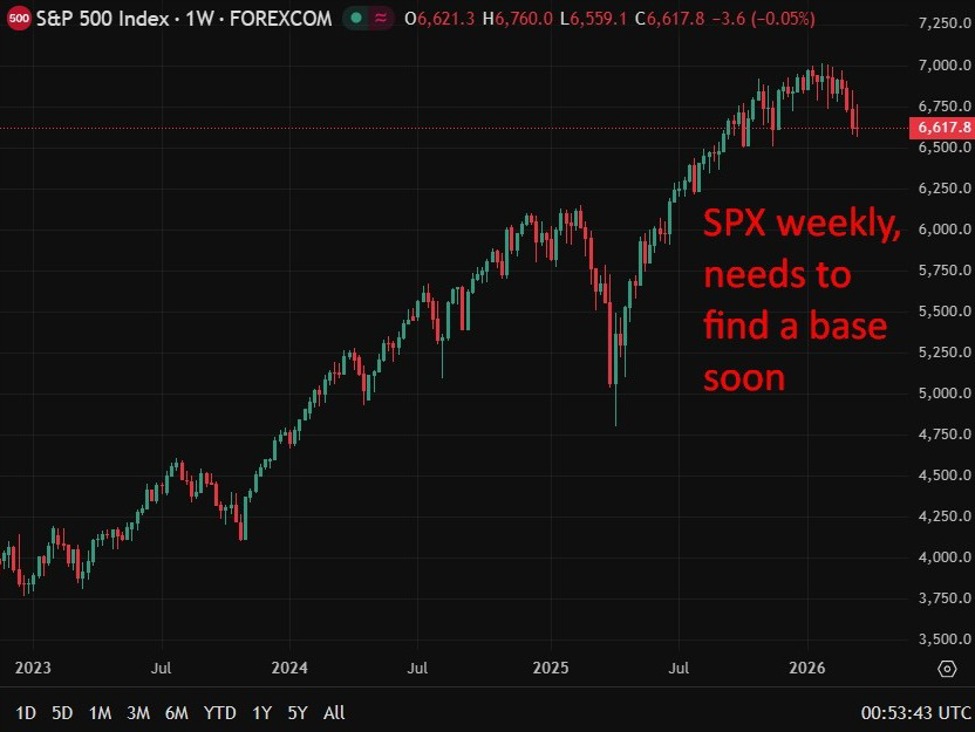
HSBC favours U.S. and Asia equities despite Middle East risks
Summary:HSBC stays constructive on markets despite geopolitical volatility.Summary:HSBC Private Bank remains constructive on six-month investment outlookGlobal growth expected to be led by U.S. and AsiaMarkets shaped by AI, fiscal concerns and Middle East conflictBank maintains overweight stance on global equitiesU.S. seen as resilient despite investor diversification trendsAsia highlighted for innovation and diversification opportunitiesEurope offers selective opportunities but lags growthIncome strategies favoured amid fewer expected rate cutsIncreased allocation to alternatives to manage volatilityGeopolitical risks seen as manageable within diversified portfoliosHSBC Private Bank remains constructive on the global investment outlook for the next six months, arguing that resilient growth, strong corporate earnings and ongoing innovation should continue to support markets despite geopolitical uncertainty. Source: In its latest Q2 2026 outlook., titled “Changing narratives, continued opportunity,” the bank acknowledged that markets have been shaped by rapidly shifting themes, including artificial intelligence-driven disruption, fiscal concerns, recent corrections in technology and gold, and the escalation of conflict in the Middle East. However, it maintains that the underlying macro backdrop remains supportive.HSBC expects global growth to be led by the United States and Asia, underpinned by solid earnings momentum and productivity gains linked to innovation. Europe is seen lagging but still supported by fiscal spending, with stabilising growth and inflation closer to target.The bank continues to favour global equities, maintaining an overweight stance with a preference for U.S. and Asian markets. While investors have increasingly looked to diversify away from the U.S., HSBC argues that the market has demonstrated resilience, particularly during the recent Iran conflict, supported by its energy sector and technology companies that are relatively insulated from oil price shocks.Asia is highlighted as a key source of diversification and opportunity. HSBC points to Japan’s corporate governance reforms, South Korea’s semiconductor exposure within the AI supply chain, and broader opportunities across China, Hong Kong and Singapore. At the same time, it remains cautious on markets facing structural governance challenges.Within Europe, the bank sees more selective opportunities. While valuations appear supportive and policy easing is more advanced, the region remains sensitive to global trade dynamics, currency movements and developments in the Middle East.Beyond equities, HSBC emphasises the importance of income and diversification. The bank favours investment-grade and emerging market bonds, while also increasing allocations to alternative assets such as hedge funds, private equity, private credit and infrastructure to manage volatility and broaden return sources.More broadly, the outlook highlights how geopolitical risks—particularly in energy markets—are contributing to market volatility without derailing the underlying growth story. While elevated oil prices and uncertainty may influence sentiment, HSBC argues that diversified, multi-asset portfolios remain well positioned to navigate the current environment. This article was written by Eamonn Sheridan at investinglive.com. 🔗 Source 💡 DMK Insight HSBC’s bullish outlook amidst geopolitical turmoil signals potential opportunities for savvy traders. With the U.S. and Asia expected to drive global growth, traders should keep an eye on sectors benefiting from AI advancements and fiscal policies. The bank’s overweight stance on global equities suggests a favorable environment for stocks, especially in tech and innovation-driven markets. However, the ongoing Middle East conflict could introduce volatility, so monitoring geopolitical developments is crucial. If equities respond positively, look for key resistance levels to break, which could indicate a sustained rally. Conversely, any escalation in geopolitical tensions might prompt a flight to safety, impacting risk assets. Here’s the thing: while HSBC’s optimism is noteworthy, it’s essential to question whether this bullish sentiment can hold in the face of potential market corrections. Traders should watch for signs of weakness in the U.S. economy or shifts in investor sentiment that could lead to a pullback in equities. Keeping tabs on economic indicators and earnings reports will be vital in navigating this landscape. 📮 Takeaway Watch for key resistance levels in global equities; HSBC’s bullish stance suggests potential upside, but geopolitical risks remain a critical factor.
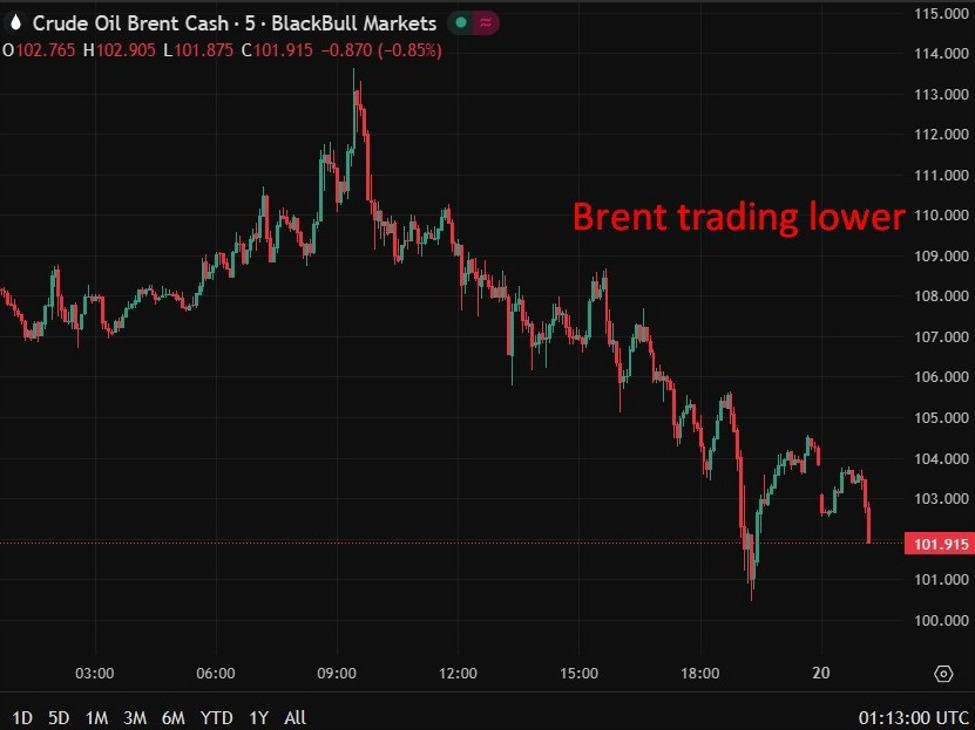
Saudi see oil hitting $180 if Iran conflict keep supply disrupted, risk demand destruction
Saudi warns oil could hit $180, supply shock raises recession risks.Summary:Saudi officials see oil potentially reaching $180 if disruptions persistIran conflict has removed millions of barrels from global supplyOil prices up around 50% since late FebruaryBrent recently surged above $119 amid infrastructure attacksStrait of Hormuz disruptions central to supply shock$138 oil seen as tipping point for recession risk above 50%High prices risk demand destruction and economic slowdownOptions markets increasingly pricing higher oil scenariosFuel costs rising, impacting consumers and businessesEnergy shock feeding into inflation and global financial conditionsVia (gated) Wall Street Journal.Summary:Saudi Arabia is bracing for the possibility that oil prices could surge to as high as $180 a barrel within weeks if disruptions linked to the Iran conflict persist, raising concerns about demand destruction and recession risks. Officials in the kingdom’s energy sector are modelling scenarios in which ongoing attacks on infrastructure and shipping routes—particularly through the Strait of Hormuz—continue to constrain global supply. The conflict has already removed millions of barrels from the market, driving prices up roughly 50% since late February and pushing Brent crude as high as $119 a barrel during recent trading.Under a worst-case trajectory, Saudi officials see prices climbing toward $150 in early April before extending to $165 and potentially $180 if supply disruptions remain unresolved. Some market participants have also begun pricing in higher outcomes, with options activity showing growing interest in Brent reaching $130 to $150 in the near term, and even higher levels later in the year.Despite the apparent revenue upside, such price levels are viewed as destabilising. Saudi policymakers are wary that excessively high oil prices could trigger a sharp pullback in demand, either through changes in consumer behaviour or via a broader economic downturn. Analysts note that oil shocks of this magnitude have historically preceded recessions, particularly when sustained over time.Economists surveyed by The Wall Street Journal estimate that crude prices around $138 a barrel would push the probability of a global recession above 50%, compared with a current baseline of around 32% over the next 12 months.The geopolitical backdrop remains the key driver. Iranian strikes on energy facilities across the Gulf, including infrastructure in Qatar and Saudi Arabia, alongside continued attacks on shipping, have effectively disrupted flows through the Strait of Hormuz—a conduit for roughly one-fifth of global oil supply. The resulting supply shock is tightening physical markets, with Middle Eastern benchmark prices such as Oman crude surging above $160 a barrel.At the same time, rising fuel costs are beginning to feed through to consumers and businesses. Higher gasoline and diesel prices are acting as a tax on economic activity, squeezing household budgets and raising costs across supply chains. Industrial users may begin to scale back production, while consumers adjust travel and spending patterns.More broadly, the situation underscores how geopolitical shocks in energy markets are transmitting across the global economy. Elevated oil prices are lifting inflation, pushing up bond yields and tightening financial conditions, increasing the risk of slower growth or recession. The balance between constrained supply and weakening demand will be critical in determining how far prices can rise before the market self-corrects. This article was written by Eamonn Sheridan at investinglive.com. 🔗 Source 💡 DMK Insight Oil prices are on a volatile path, and here’s why traders need to pay attention: Saudi Arabia’s warning of potential $180 oil could reshape market dynamics. With Brent crude recently surpassing $119, the ongoing conflict in Iran and infrastructure attacks are tightening supply, leading to a significant price surge of around 50% since late February. This situation isn’t just about oil; it could ripple through related markets like energy stocks and currencies tied to oil exports. Traders should watch the Strait of Hormuz closely, as any disruptions there could exacerbate the supply shock. On the flip side, while some may see this as a bullish signal, the looming recession risks could dampen demand, creating a precarious balance for oil prices. Keep an eye on key resistance levels around $138 and support near $110 to gauge potential price movements in the coming weeks. 📮 Takeaway Watch for oil prices around $138 as a critical resistance level; any breach could signal further upside amid ongoing supply concerns.
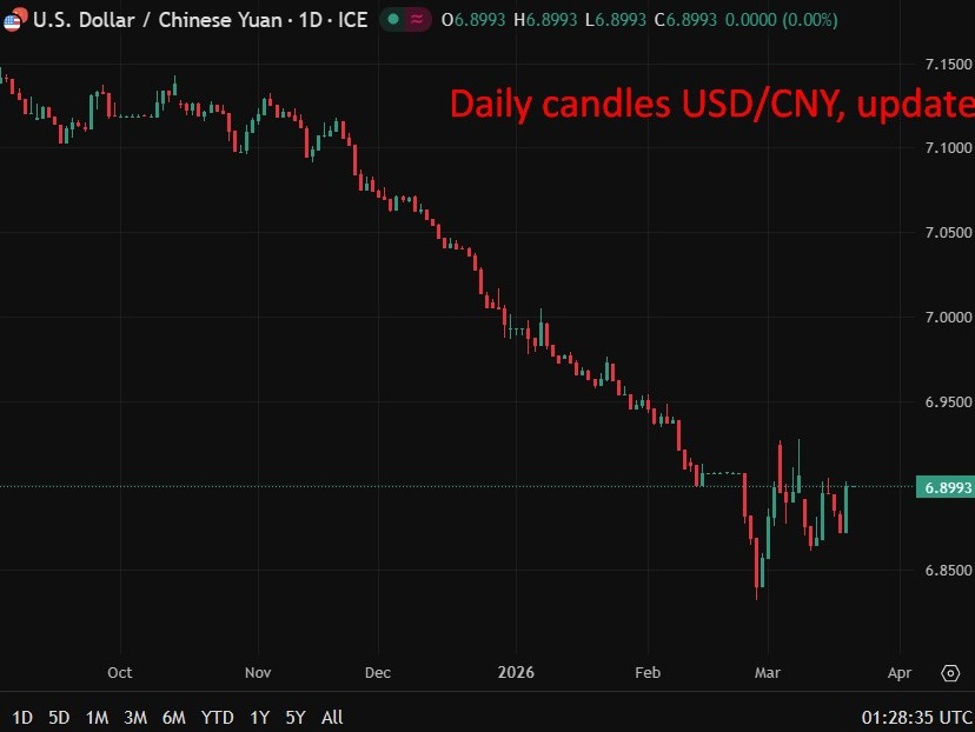
PBOC sets USD/ CNY mid-point today at 6.8898 (vs. estimate at 6.8773)
The PBOC allows the yuan to fluctuate within a +/- 2% range, around this reference rate.PBOC injects 20.5bn yuan in 7-day reverse repos at 1.4% (unchanged) in open market operationsEarlier the PBOC left Loan Prime Rates (LPR) unchanged for a 10th consecutive month at 3.5% for 5 year and 3% for 1 year. This article was written by Eamonn Sheridan at investinglive.com. 🔗 Source 💡 DMK Insight The PBOC’s decision to maintain the Loan Prime Rates and inject liquidity signals a cautious stance amid economic uncertainty. With the yuan’s fluctuation range set at +/- 2%, traders should be on alert for volatility, especially if external factors like U.S. interest rates shift. The unchanged LPR, now at 3.5% for five years, indicates the PBOC’s intent to support growth without risking inflation. This could lead to a weaker yuan if market sentiment shifts negatively, impacting forex pairs like USD/CNY. Watch for any signs of increased volatility in the yuan, particularly as global economic conditions evolve. If the yuan breaks out of its 2% range, it could trigger significant moves in related markets, including commodities and equities tied to Chinese economic performance. Keep an eye on the upcoming economic data releases from China and the U.S. that could influence market sentiment and the yuan’s stability. The next few weeks will be crucial for assessing how these monetary policies play out in the forex market. 📮 Takeaway Monitor the yuan’s movement closely; a break beyond the +/- 2% range could signal significant volatility in USD/CNY and related markets.
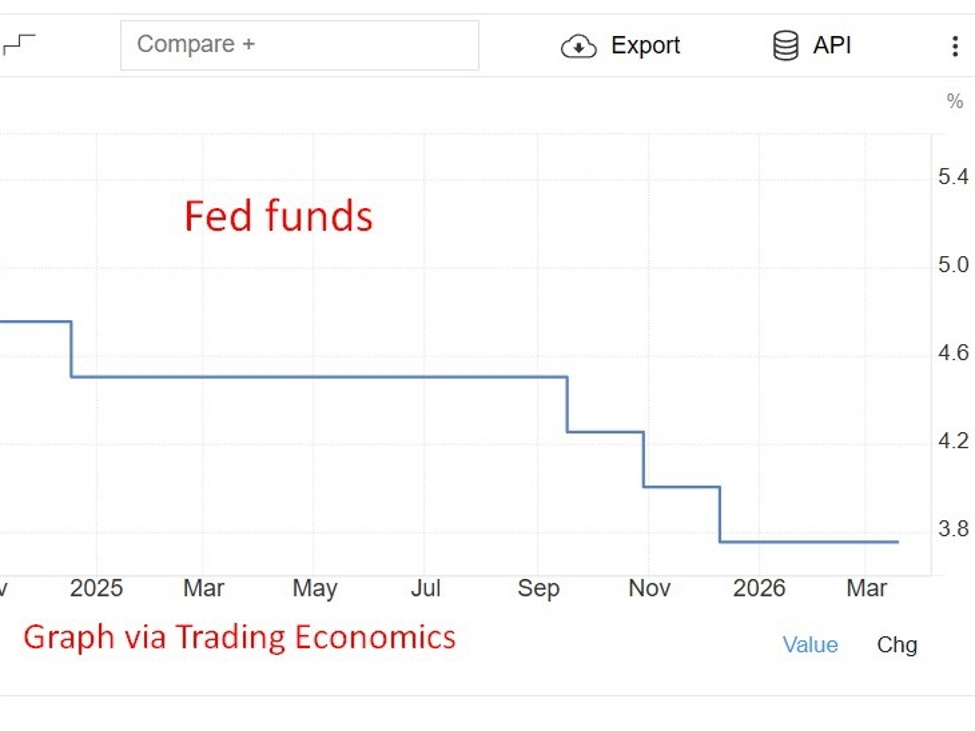
Morgan Stanley delays Fed rate cut outlook to September, December (from June, September)
Morgan Stanley delays Fed cuts as oil and inflation risks complicate outlook.Summary:Morgan Stanley delays Fed rate cut outlook to September and DecemberPrevious forecast was June and September easingFed seen as more cautious following latest policy meetingPowell signals need for clearer progress on inflationRising oil prices complicating disinflation processGeopolitical risks adding uncertainty to policy outlookFed stance described as balanced but patientMarkets may face volatility from repricing rate expectationsRisk that cuts are delayed further or not deliveredGrowth slowdown may be required to trigger easingMorgan Stanley has pushed back its expectations for Federal Reserve rate cuts, now forecasting easing in September and December rather than the previously anticipated June and September timeline, as policymakers adopt a more cautious stance amid persistent inflation risks.The revision follows the latest Federal Open Market Committee meeting, where Chair Jerome Powell signalled that further progress on inflation is required before the Fed can begin easing policy. The bank said the tone of the meeting suggested a central bank that remains patient and data-dependent, with policymakers unwilling to move prematurely.A key complicating factor is the recent surge in oil prices linked to escalating geopolitical tensions in the Middle East. Higher energy costs are feeding into inflation expectations and risk slowing the pace of disinflation, making it more difficult for the Fed to gain confidence that price pressures are sustainably returning to target.Morgan Stanley characterised the Fed’s current stance as broadly balanced, with policymakers weighing still-elevated inflation against signs of moderating growth. However, the bank warned that the path to easing is becoming increasingly uncertain, particularly if external shocks—such as energy-driven inflation—persist.From a market perspective, the delay in expected rate cuts could contribute to near-term volatility, as investors adjust to a higher-for-longer policy environment. Expectations for monetary easing have been a key support for risk assets, and any repricing of the rate path could weigh on equities and other interest-rate-sensitive sectors.The bank also highlighted the risk that rate cuts could be pushed back further—or potentially not materialise at all—unless there is a more pronounced slowdown in economic activity. In that scenario, the Fed may prioritise inflation control over growth support for longer than markets currently anticipate.More broadly, the shift underscores how geopolitical developments are feeding into monetary policy expectations. Energy-driven inflation pressures are tightening financial conditions and complicating central bank decision-making, reinforcing the link between commodity shocks and global macro pricing. This article was written by Eamonn Sheridan at investinglive.com. 🔗 Source 💡 DMK Insight Morgan Stanley’s delay in Fed rate cuts signals a more cautious approach, and here’s why that matters: With the Fed now looking at potential cuts in September and December instead of mid-2024, traders need to recalibrate their expectations. Rising oil prices are a significant factor here, complicating the disinflation narrative and potentially keeping inflation stubbornly high. This shift could impact interest-sensitive assets, particularly in the forex market where currencies like the USD might strengthen against others as traders price in a longer wait for easing. Look for volatility in commodities as geopolitical risks continue to add pressure, especially if oil prices spike further. The real story is how this cautious stance could ripple through the markets. If inflation remains elevated, we could see a divergence in monetary policy across central banks, affecting currency pairs like EUR/USD and GBP/USD. Traders should keep an eye on key economic indicators, particularly inflation data and oil prices, as these will be critical in shaping market sentiment leading up to the Fed’s next meetings. Watch for any breakout or reversal patterns in these correlated assets as the situation develops. 📮 Takeaway Monitor inflation data and oil prices closely; any unexpected spikes could delay Fed cuts further, impacting USD strength and forex volatility.
Tesla plans major solar expansion with Chinese equipment suppliers, eyes $2.9B deal
Tesla looks to China for solar buildout despite U.S. supply chain push.SummaryTesla in talks to buy $2.9B of solar manufacturing equipment from ChinaAims to build 100 GW of U.S. solar production capacity by 2028Suzhou Maxwell among leading suppliers; others also in discussionsSome equipment requires Chinese export approvalHighlights reliance on Chinese manufacturing technologySolar equipment exempt from U.S. tariffs due to limited alternativesProject tied to rising U.S. power demand, including AI data centresMusk sees solar as key to meeting long-term energy needsReflects tension between reshoring and global supply chainsEnergy transition increasingly shaped by geopolitics and policyTesla is in advanced discussions to purchase around $2.9 billion worth of solar manufacturing equipment from Chinese suppliers, as part of an ambitious push to expand U.S.-based solar production capacity. Credit: Reuters.The planned investment would support Tesla’s goal of building up to 100 gigawatts of solar manufacturing capacity in the United States by 2028, according to sources familiar with the matter. The equipment is expected to be used to produce solar panels and cells domestically, with shipments potentially beginning as early as this year.Chinese firms including Suzhou Maxwell Technologies are among the leading candidates to supply the machinery. Maxwell, a major producer of screen-printing equipment used in solar cell manufacturing, has reportedly sought export approval from Chinese regulators to fulfil the order. Other companies in discussions include Shenzhen S.C New Energy Technology and Laplace Renewable Energy Technology.Some of the equipment, estimated at roughly 20 billion yuan, would require clearance from Beijing before export, highlighting the continued regulatory and geopolitical complexities surrounding cross-border technology flows. It remains unclear how much of the order would need approval or how long the process could take.The project underscores a broader tension in U.S. industrial policy. While Washington is seeking to reduce dependence on Chinese supply chains and promote domestic clean energy manufacturing, key inputs, particularly specialised equipment, remain heavily reliant on Chinese producers. Solar manufacturing equipment has been exempted from tariffs, reflecting limited alternatives for U.S. firms looking to scale production.Tesla’s planned expansion comes amid surging U.S. electricity demand, driven in part by the rapid growth of artificial intelligence and data centres. CEO Elon Musk has argued that solar power could eventually meet the country’s full electricity needs, with the proposed capacity also expected to support Tesla’s operations and potentially power SpaceX infrastructure.The move also highlights the growing importance of energy security and supply chain resilience in the transition to renewable energy. Despite efforts to localise production, global interdependencies remain deeply embedded, particularly in critical manufacturing technologies.More broadly, the development illustrates how industrial policy, geopolitics and energy transition dynamics are increasingly intersecting. Trade restrictions, export controls and strategic competition are shaping investment decisions, even as companies accelerate efforts to build domestic capacity in key sectors. This article was written by Eamonn Sheridan at investinglive.com. 🔗 Source 💡 DMK Insight Tesla’s $2.9B solar equipment deal with China could shake up the solar market, and here’s why: With SOL currently at $89.35, this move signals a strategic pivot that could impact solar stocks and related assets. Tesla’s ambition to ramp up U.S. solar production capacity to 100 GW by 2028 highlights a growing demand for solar energy, which could drive up prices in the sector. However, the reliance on Chinese suppliers raises concerns about supply chain vulnerabilities and regulatory hurdles, especially with export approvals needed. Traders should keep an eye on how this affects SOL’s price action, particularly if it breaks above key resistance levels or dips below support. The flip side is that while this deal could enhance Tesla’s production capabilities, it also exposes them to geopolitical risks that could affect timelines and costs. Watch for any news on export approvals or shifts in U.S.-China relations that could impact this deal. Immediate impacts could be felt in the next few weeks as the market digests this news, so stay alert for volatility in SOL and related solar stocks. 📮 Takeaway Monitor SOL closely for potential breakouts above $90 or dips below $85, as these levels could signal significant trading opportunities.