
 Bitcoin
  Ethereum
  Tether
  BNB
BNB  XRP
XRP  USDC
USDC  Solana
  TRON
TRON  Lido Staked Ether
  Figure Heloc
The FT reports on the matter, noting that US president Trump has given his word that the US would insure commercial vessels seeking passage through the Strait of Hormuz. And the US administration has looked into how to go about that by exploring plans to tie it with government insurance.To be more specific, it would require the ships that are willing to be escorted by the US Navy to buy insurance from the Development Finance Corporation (DFC). That is the US government’s international investment arm so to speak. The insurance programme is said to be one that will be run by the DFC alongside Chubb, a private insurer.For now, the sources say that it is unclear if Trump will want to proceed with this. But if put into effect, it will be mandatory for ships wanting the US to escort them through the Strait of Hormuz at this time. And to no one’s surprise of course, this will also provide a financial benefit to the US.The insurance will require ships to pay for cover of hull, machinery, and cargo. And senior industry figures cited by the report say that it could generate tens of millions of dollars in profit for the US administration. That is of course if those ships safely make their way through the strait.The full report can be found here (may be gated).All of this might sound like decent ideas on paper, but I highlighted earlier in the week on why this won’t truly work from a practical sense. In case you missed it: Trump demands allies to help on Strait of Hormuz but here’s why it won’t workThe gist of it is:”The most likely scenario for escorting ships would be to gather a bunch of them as a convoy and then move along slowly through the strait. It means that the opening up of the blockade in this instance would be more of a trickle rather than a flow/rush.The speed of the movement of the convoy would be extremely slow, not least already having to cater to the slowest of the vessels among the bunch. However, there’s also the fact that these ships will still have to navigate through the thousands of naval mines laid out by Iran while at the same time needing to fight off drones and shore-based missiles. It’s a full war-torn republic.And you also have to add to the fact that Iran likely has jammers in the region to disrupt GPS and AIS tracking. And that means most ships will still be flying blind, making it even more perilous to navigate through the strait.”Sure, it does help to bring back some of the flow along the strait. But as mentioned, it’ll be more of a trickle than a resumption of fully normal operations. This article was written by Justin Low at investinglive.com. 🔗 Source 💡 DMK Insight Trump’s commitment to insure vessels in the Strait of Hormuz could shift market dynamics significantly. This move signals a potential escalation in geopolitical tensions, which often leads to volatility in oil prices and related assets. Traders should keep an eye on crude oil futures, as any disruption in this critical shipping lane could trigger price spikes. Additionally, the insurance aspect might encourage more shipping activity, which could further complicate the supply-demand balance in the oil market. It’s worth noting that similar geopolitical assurances in the past have led to short-term bullish trends in oil, but the long-term implications depend on how these assurances are implemented. Watch for any immediate reactions in oil prices and related ETFs, particularly if tensions escalate or if there are any incidents in the Strait. Key levels to monitor would be the recent highs in crude oil prices, as a breach could signal a strong bullish trend. 📮 Takeaway Keep an eye on crude oil prices and related ETFs; any incidents in the Strait of Hormuz could lead to significant volatility.

FX option expiries for 19 March 10am New York cut
There is arguably just one to take note of on the day, as highlighted in bold below.That being for EUR/USD at the 1.1500 level. It’s not one that ties much to any technical significance but could still help to keep a lid on any upside extension in price action for the session ahead. That as the dollar came back into favour yesterday after a more hawkish hold by the Fed and also as Middle East tensions continue to escalate.That saw the risk mood pull back with Treasury yields shooting up, helping to underpin the dollar as well. In the case of EUR/USD, that sees price action more limited by the 200-hour moving average still at around 1.1534 currently. So, that is the bigger near-term ceiling level to watch out for.But with the focus shifting towards the ECB policy decision in a few hours, there will be a slight breather from US-Iran headlines as Trump is also off (likely) for a bit during the session ahead. So, the expiries might just help to keep any upside extensions in check with the broader market focus staying on the dollar for now.The euro side of the equation will be a factor when we get to the ECB decision and more specifically, when Lagarde delivers her press conference. She will be questioned on rate hikes and I would expect her to push back on that, reaffirming that they are not in a rush to make any sudden moves for now.For more information on how to use this data, you may refer to this post here.Head on over to investingLive (formerly ForexLive) to get in on the know! This article was written by Justin Low at investinglive.com. 🔗 Source 💡 DMK Insight EUR/USD hitting the 1.1500 mark is a key psychological level that traders should watch closely. While it may lack strong technical significance, this level could act as a barrier to further upside movement. Traders often react to round numbers, and if the pair approaches this level, we might see increased selling pressure. Keep an eye on how the market reacts as it nears 1.1500; a rejection could signal a shorting opportunity, especially if accompanied by bearish momentum indicators. Conversely, a strong break above could open the door for a rally, so be prepared for volatility around this level. Given the current market sentiment, which remains cautious amid broader economic uncertainties, this could lead to swift moves in both directions. Watch for any news or economic data releases that might influence the euro or dollar, as these could provide the catalyst needed to break or hold this level. 📮 Takeaway Monitor the EUR/USD at 1.1500; a rejection could signal a shorting opportunity, while a break above may lead to a rally.

BOJ governor Ueda: Need to pay attention on further developments in the Middle East
The pace of inflation rise is expected to see upward pressure from higher oil pricesGlobal markets are volatile with oil prices jumping significantlyRisk factors now include Middle East conflict, oil prices, financial and also FX market developmentsNeed to pay attention to those risks and how they affect Japan’s economy, pricesWill continue to raise policy rate if economy, prices move in line with forecastTrend inflation will become more difficult to readNo change in stance that timing of future rate hikes would be evaluated at every meetingWill have to analyse to what extent surging oil prices would impact the economySurging oil prices could push up inflation expectations and underlying inflationThe full decision coverage from earlier: The Bank of Japan held its short-term policy rate at 0.75%, as widely expectedSo far, there’s nothing out of the ordinary from Ueda. He is mostly emphasising the impact of the US-Iran conflict and higher oil prices, and what that does to the Japanese economy. In essence, that is what is putting them off from pursuing the next rate hike at this point in time at least.The language is very much what you would expect, given their decision to stay on hold today. That as well as reaffirming that they could still raise interest rates further, should the economic and inflation outlook play out as they expect it to.However, the latest developments in the Middle East have definitely complicated that picture. It might help to bump up overall price pressures at the balance, but it isn’t the kind that the BOJ desires. They want a more wage-driven structure rather than cost-push inflation in the economy. So, there’s that to keep in mind.USD/JPY is down 0.1% to 159.69 on the day, keeping lightly changed as the dollar holds a bit softer as well so far. This article was written by Justin Low at investinglive.com. 🔗 Source 💡 DMK Insight Oil prices are surging, and here’s why that matters for traders: rising inflation could lead to tighter monetary policies. With global markets in a state of flux, the recent spike in oil prices is a significant risk factor that traders can’t ignore. Higher oil costs typically translate into increased transportation and production expenses, which can further fuel inflation. This scenario could prompt central banks, including the Bank of Japan, to reconsider their current monetary policies, potentially leading to interest rate hikes. Traders should keep an eye on how these developments impact currency pairs, particularly USD/JPY, as shifts in monetary policy can lead to increased volatility in forex markets. But here’s the flip side: if the inflationary pressure becomes too pronounced, it could stifle economic growth, leading to a risk-off sentiment in equities and commodities. Watch for key resistance levels in oil prices and any geopolitical developments in the Middle East that could exacerbate the situation. Monitoring the correlation between oil prices and the Japanese yen will be crucial in the coming weeks as these dynamics unfold. 📮 Takeaway Keep an eye on oil prices and their impact on inflation; watch USD/JPY for potential volatility as monetary policy shifts could be on the horizon.

BOJ governor Ueda: Communication with government has been going well
Will continue to communicate closely with the governmentNeed to pay attention to possibility that higher oil prices could affect inflation more than in 2021-22Cannot say how long it would take to judge whether energy supply shocks affect underlying pricesNo comment on how Middle East conflict is affecting forex levelsBut carefully watching the impact of forex movements on pricesPersonally want more time to decide how Middle East conflict will impact prices, be it upward or downwardWill reexamine our central view on prices at the April meeting nextOverall, I don’t see anything that really stands out from Ueda thus far. The BOJ had little choice but to keep interest rates unchanged today and his comments reflect that steadier choice. The fact is that the central bank, much like its peers, need time to digest and make sense of the US-Iran conflict and how that will impact the inflation outlook.While the BOJ might on the rate hike train, they want to move forward with wage-driven price pressures. Higher oil prices are the opposite of that, driving up cost-push inflation instead. So, there’s that to consider.As for the Japanese yen in itself, it remains a complicated issue with USD/JPY near the 160 mark. Not least because Japan is one of the biggest losers in the whole US-Iran war, being a bystander victim. This article was written by Justin Low at investinglive.com. 🔗 Source 💡 DMK Insight With ETH sitting at $2,170.77, traders need to keep an eye on inflation signals tied to rising oil prices. The ongoing geopolitical tensions and potential energy supply shocks could create volatility in both crypto and forex markets. If oil prices continue to rise, we might see inflationary pressures that could impact ETH’s price action, especially if it leads to a broader risk-off sentiment. For now, ETH’s support level around $2,100 is crucial; a break below could trigger further selling. Conversely, if it holds, it might attract buyers looking for a dip. It’s also worth noting that the lack of clarity on how the Middle East conflict is influencing forex levels could lead to unpredictable movements in currency pairs, which might indirectly affect crypto trading strategies. Keep an eye on oil price trends and inflation reports as they could dictate market sentiment in the coming weeks. 📮 Takeaway Watch for ETH to maintain above $2,100; a drop below could signal further downside risk amid rising oil prices.

UK January ILO unemployment rate 5.2% vs 5.3% expected
Prior 5.2%Employment change 84k vs -4k expectedPrior 52kAverage weekly earnings +3.9% vs +3.9% 3m/y expectedPrior +4.2%Average weekly earnings (ex bonus) +3.8% vs +4.0% 3m/y expectedPrior +4.2%; revised to +4.1%February payrolls change 20kPrior -11k; revised to 6kThere are quite a few positives to note, one that the BOE can be a little happier with at the balance. For one, the jobless rate is seen keeping steady in January and payrolls in February recorded a positive estimate (alongside a positive revision for January too). Besides that, wage pressures are also seen moderating further with real earnings ex bonus now dropping to +0.5% – matching the three months from April to June last year (which was the softest in two years).All that being said, this would’ve been a decent report for the BOE to work with in teeing off another rate cut. That had it not been for the US-Iran conflict and now having to consider higher oil prices and a more stubborn inflation outlook.As such, the report here is very much dated as market players and policymakers will need a better snapshot. And that means one that includes capturing the impact of the latest developments on price pressures.Besides that, ONS continues to warn of data quality issues with the report again. But hey, what else is new. This article was written by Justin Low at investinglive.com. 🔗 Source 💡 DMK Insight The latest employment data shows a surprising 84k job increase against an expected decline, which could shift market sentiment significantly. With average weekly earnings holding steady at 3.9%, the Bank of England (BOE) might feel more pressure to adjust interest rates. This could lead to increased volatility in the GBP, especially if traders start pricing in a more hawkish stance from the BOE. The upward revision of February’s payrolls to 20k also suggests a stronger labor market than previously thought, which could bolster consumer spending and economic growth. However, the mixed signals in wage growth—where earnings excluding bonuses fell short of expectations—might temper enthusiasm. Traders should keep an eye on the GBP/USD pair, particularly if it approaches key resistance levels. A break above these could signal a bullish trend, while failure to maintain upward momentum might lead to a pullback. Watch for reactions from institutional players, as they often set the tone in response to such economic indicators. 📮 Takeaway Monitor the GBP/USD closely; a breakout above recent resistance could indicate a bullish trend, especially with the BOE’s potential policy shifts.

BOJ governor Ueda says result of wage talks this year could be better than past years
Preliminary data shows wage momentum at small, medium-sized firms could be better than past yearsWill still turn to Rengo’s first round surveyThere is no gap in understanding on inflation between government and BOJThe headline remark is modestly hawkish and if not for the US-Iran conflict, it could easily be used to tee up the next rate hike. For now, this is one that still opens up that door for the BOJ but it still is no guarantee for a move in April. So, we’ll see.USD/JPY dipped down from 159.65 to 159.25 before bouncing back now to 159.45 on the day. The 100-hour moving average holds at 159.29 for the moment.But just a reminder, the last time we were trading above the 159.00 level after the BOJ press conference was back in January. And that was the same day when Tokyo officials called a ‘rate check’ to drive USD/JPY lower. Will we see something similar today? This article was written by Justin Low at investinglive.com. 🔗 Source 💡 DMK Insight Wage momentum in small to medium-sized firms is showing potential strength, and here’s why that matters: it could signal a shift in consumer spending power and inflation expectations. If wages rise, consumers might have more disposable income, which could lead to increased demand for goods and services. This is particularly relevant as central banks, including the BOJ, are closely monitoring inflation trends. A modestly hawkish tone from the BOJ suggests they might be preparing to adjust monetary policy if wage growth continues, impacting interest rates and currency valuations. However, there’s a flip side to consider. If wage growth outpaces productivity, it could lead to inflationary pressures that central banks will need to combat, potentially resulting in tighter monetary policy sooner than expected. Traders should keep an eye on the upcoming Rengo survey results, as they could provide more clarity on wage trends. Additionally, watch for any shifts in the US-Iran conflict, as geopolitical tensions can influence market sentiment and economic forecasts. Monitoring wage growth alongside inflation indicators will be crucial in the coming weeks. 📮 Takeaway Watch for the Rengo survey results and any shifts in wage growth, as they could influence BOJ policy and impact currency valuations.
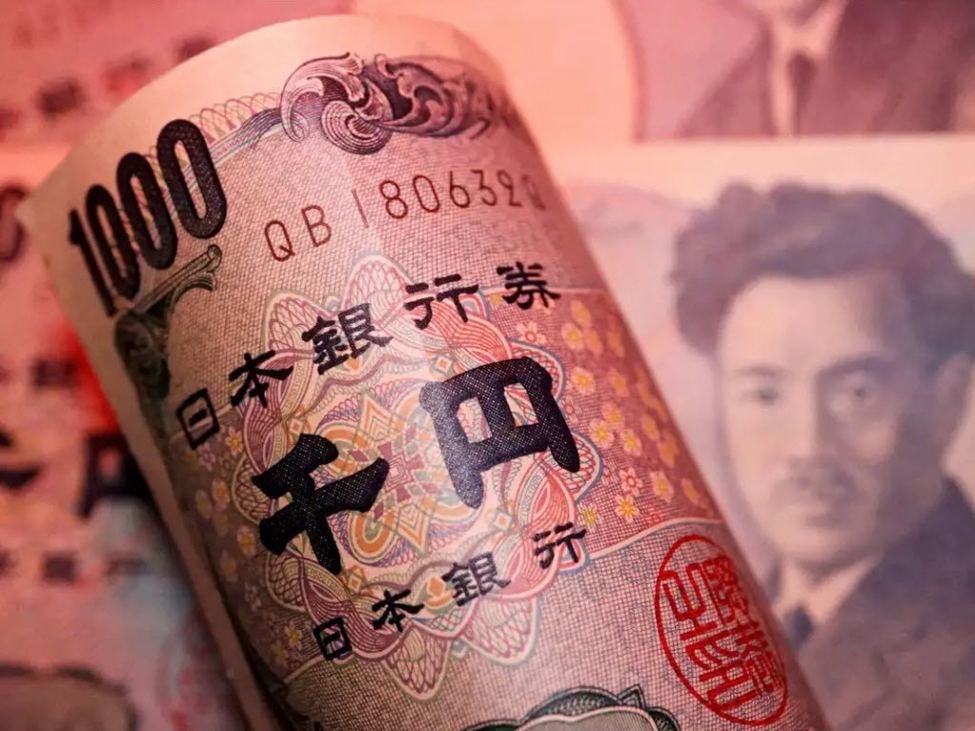
BOJ governor Ueda: A rate hike is possible under a temporary economic downturn
Before the Middle East conflict, underlying data showed that we are “on track”All things being equal, surging oil prices can push up inflation and curb economic outputA rate hike is still possible if economic downturn proves to be temporary, doesn’t affect underlying inflationWe held rates steady this month since we put emphasis on lower visibility on likelihood of achieving inflation targetUnderlying inflation is gradually accelerating towards our 2% target but it is not fixedWe are some distance from the target inflation rate still nowThe main takeaway from Ueda and the BOJ today is that they would like to be in a position to tee up the next rate hike. However, the Middle East situation in the past two weeks have certainly complicated things.Even if it pushes up price pressures, it is not the kind the BOJ really wants. The central bank wants inflation driven by rising wage pressures and not cost-push factors, such as higher energy prices. So, they’re very much in a dilemma now.And much like what all central banks want to play for at this point in time, Ueda is stressing a lot on optionality. Even if the market volatility and added uncertainty to the outlook, he still says that the central bank could hike even during a “temporary” downturn in the economy.In his previous communication stance, he has only went as far as saying that they will continue to raise interest rates “if the economy, prices move in line with forecasts”. So, to switch it up a bit goes to show that the central bank still has the appetite but only under the right circumstances.If not careful, I’m afraid the BOJ might have missed their timing on this one. They barely got in the October move as Takaichi was still consolidating her fiscal planning. And in now wanting to wait for the outcome of the spring wage negotiations, they might’ve just let it all slip by this time around. This article was written by Justin Low at investinglive.com. 🔗 Source 💡 DMK Insight Oil prices are surging, and here’s why that matters for traders: rising costs can stoke inflation fears, impacting central bank policies. With the Middle East conflict escalating, traders should keep an eye on how this affects oil supply and, consequently, inflation metrics. If inflation rises, the Fed may be forced to reconsider rate hikes sooner than expected, which could lead to volatility in both the forex and crypto markets. Watch for key economic indicators like the CPI and PCE in the coming weeks, as they could signal whether the Fed’s current stance remains tenable. Additionally, if oil prices continue to climb, expect related assets like energy stocks and commodities to react strongly, potentially creating trading opportunities. On the flip side, if the economic downturn proves more persistent, it could lead to a risk-off sentiment, pushing traders toward safe havens like gold or the USD. Keep an eye on the $80 mark for oil; a sustained break above could trigger broader market implications. 📮 Takeaway Monitor oil prices closely—if they break above $80, expect potential shifts in inflation data and central bank policies that could impact your trading strategies.

Silver drops by over 5% and the chart shows that there might be more trouble up ahead
How the mighty have fallen. Silver was the talk of the town as it surged by roughly 60% in January trading, hitting highs of just above $120. That is a far cry from where we are trading now, with the precious metal suffering another 5% drop today and poised for six straight daily losses in nine.The low point this year was in early February when we saw the volatile selling drag price down to near $64. This time around, silver is still hovering above $70 on the week. However, the chart is telling a story that the downside drop this week could be even more damaging for the outlook and price momentum in silver than last month.The biggest thing to note on the chart is that we’re seeing silver take a run below its 100-day moving average (red line) of $73.19. If sustained, this will mark the first time that the precious metal trades below either of its key daily moving averages since April 2025. That speaks to how long this gradual then suddenly parabolic upside momentum has been building up for silver.And adding to that, there seems to be a neckline break around the $73.00-25 region as well. And that just compounds the impact of the drop we’re seeing today, that is if it holds into the daily close.This is the most important thing to watch out for now if you’re looking at precious metals.The drop in gold is less profound of course, with it being down just a little over 2% to $4,715 currently. But as seen before this, a negative drag in silver also has the pull factor in shoving gold prices lower as well – even if not as much.It’s going to be quite a battle for dip buyers in trying to push this one across the line. Otherwise, it seems like there is going to be more trouble up ahead for silver before the turn of the tide. In other words, it looks like things will get worse still before they get better again. This article was written by Justin Low at investinglive.com. 🔗 Source 💡 DMK Insight Silver’s recent 5% drop is a stark reminder of its volatility, especially after a meteoric rise of 60% earlier this year. Traders need to be cautious as this decline could signal a broader correction. The rapid ascent to over $120 may have attracted profit-taking, and the current price action suggests a potential test of support levels. If silver can’t hold above key support, we might see further downside, which could impact related assets like gold and mining stocks. Keep an eye on the $100 mark as a psychological level; a breach could trigger more selling pressure. On the flip side, if silver finds support here, it could set the stage for a rebound, but that’s a big if given the current sentiment. Watch for any news that could influence demand, like industrial usage or shifts in monetary policy, as these could provide clues on silver’s next move. 📮 Takeaway Monitor silver’s support around $100; a break below could lead to increased selling pressure, while a bounce might signal a recovery.

BoE preview: Bank Rate to remain unchanged at 3.75% amid energy price shock
The Bank of England is expected to keep the Bank Rate unchanged at 3.75% in a 7-2 vote split. The central bank is likely to adopt a “wait and see” approach amid the US-Iran war and the energy price shock, but maintain an easing bias. The extent and timing for further rate cuts will likely hinge on the duration of the US-Iran war as the BoE should acknowledge that policy will need to remain restrictive to avoid second-round inflation risks.The UK labour market report today showed some welcome easing in wage growth with steady unemployment rate and much higher than expected jobs gain. The February PMIs were also positive with the S&P Global noting that business activity continued to pick up across the UK service economy, with growth holding close to the five-month high seen at the start of 2026. The latest UK inflation report saw the Headline CPI Y/Y easing to 3.0% and the Core CPI Y/Y to 3.1% in January (we will get the February report next week). The economic backdrop before the US-Iran war started wasn’t bad at all, we just had the usual labour market slack that kept putting downward pressure on inflation and justifying BoE rate cuts. In fact, just before the war started, the market was pricing more than 80% chance of a rate cut today given last meeting’s dovish hold.Now, traders are pricing in 36 bps of tightening by year-end, with a 50% chance of a rate hike in June. This is just due to the US-Iran war and the energy price shock. That’s why the BoE will feel more comfortable holding rates steady given the geopolitical uncertainty, but if the conflict and the disruption in the Strait of Hormuz was to last much longer and raise inflation expectations, the central bank might eventually need a rate hike. This article was written by Giuseppe Dellamotta at investinglive.com. 🔗 Source 💡 DMK Insight The Bank of England’s decision to hold the Bank Rate at 3.75% signals a cautious stance amid geopolitical tensions and energy price volatility. With a 7-2 vote split, the central bank is clearly divided, reflecting uncertainty in the economic outlook. Traders should note that this ‘wait and see’ approach could lead to increased volatility in the GBP, especially if inflationary pressures persist or worsen due to external factors like the US-Iran conflict. The easing bias suggests that if conditions deteriorate, we might see rate cuts sooner than expected, which could weaken the pound further. Keep an eye on the 1.25 level for GBP/USD; a break below could trigger more selling pressure. Conversely, if inflation data surprises to the upside, we might see a rally back towards 1.30. Here’s the thing: while the mainstream narrative focuses on the rate hold, the real story is how external shocks could force the BoE’s hand. Watch for any comments from policymakers in the coming weeks, as they could provide clues on future monetary policy shifts. 📮 Takeaway Monitor GBP/USD closely around the 1.25 level; a break could signal further downside as the BoE navigates geopolitical risks.
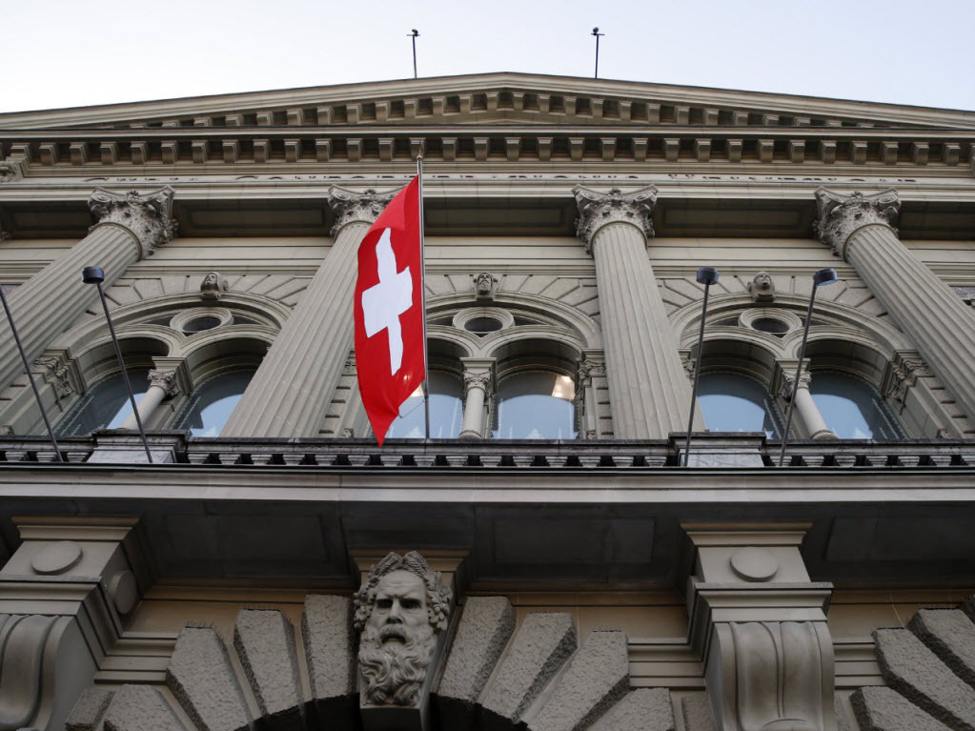
SNB leaves key policy rate unchanged at 0% in March meeting, as widely expected
Prior 0.00%Our willingness to intervene in the FX market has increased due to the Middle East crisisSNB to counter rapid and excessive appreciation of the Swiss franc, which could jeopardise price stabilityEconomic outlook for Switzerland for the coming months is uncertainMain risk to the Swiss economy is the development of the global economyIn particular, how the situation in the Middle East could curb global economic activityIn addition to the Middle East situation, trade policy outlook also remains uncertainAnticipates that the increase in energy prices will raise inflation in many countries in the short-termSees 2026 inflation at 0.5% (previously 0.3%)Sees 2027 inflation at 0.5% (previously 0.6%)Sees 2028 inflation at 0.6%Sees 2026 GDP at around 1% (no change)Sees 2027 GDP at around 1.5%Full statementThere are no surprises by the SNB as they held rates steady today. The central bank is also not beating around the bush here and is getting straight to the point, stepping up their language on currency intervention. That might draw some flak, particularly from the US, but I’m guessing Trump and his lackeys have bigger things to worry about at the moment.Given that they are unwilling to take a step back to unconventional monetary policy territory, the only play that they have right now is to intervene in the currency market to curb deflationary pressures. And they are making that rather clear, with perhaps the line still being drawn at 0.90 for EUR/CHF.Other than that, there is a slight bump to their inflation outlook for this year. So if anything, it hints that their appetite for dipping into negative rates is still some distance away.All else being equal, this will be a copy and paste for the Q2 playbook as well. So, don’t expect too much surprises from the SNB during this period. This article was written by Justin Low at investinglive.com. 🔗 Source 💡 DMK Insight The Swiss National Bank’s (SNB) readiness to intervene in the FX market is a big deal right now. With the Middle East crisis escalating, the SNB is concerned about the rapid appreciation of the Swiss franc, which could threaten price stability. This is crucial for traders because it signals potential volatility in the CHF pairs, especially against the euro and dollar. If the SNB steps in, we could see sharp corrections or interventions that might create trading opportunities. Keep an eye on the CHF/EUR and CHF/USD pairs for any sudden moves. On the flip side, while the SNB’s actions might stabilize the franc temporarily, the underlying uncertainty in Switzerland’s economic outlook could lead to longer-term volatility. Traders should monitor economic indicators and any statements from the SNB for clues on future interventions. Watch for key levels in the CHF pairs; if the franc strengthens beyond certain thresholds, the SNB’s intervention could be imminent. 📮 Takeaway Monitor CHF pairs closely for potential SNB interventions; key levels to watch could trigger significant volatility.