
 Bitcoin
  Ethereum
  Tether
  XRP
XRP  BNB
BNB  USDC
USDC  Solana
  TRON
TRON  Lido Staked Ether
  Figure Heloc
 The GBP/USD pair is trading near the 1.3350 price region on Tuesday, striking a bullish tone as investors continue to move away from the US Dollar (USD) ahead of the Federal Reserve (Fed) monetary policy decision on Wednesday. Read More… 🔗 Source 💡 DMK Insight The GBP/USD pair’s rise near 1.3350 signals a shift in market sentiment ahead of the Fed’s decision. As traders pull back from the USD, this could indicate growing confidence in the UK economy or concerns about US monetary tightening. If the Fed hints at a more dovish stance, we might see GBP/USD push higher, potentially testing resistance levels around 1.3400. Conversely, if the Fed surprises with a hawkish tone, expect volatility and a possible pullback below 1.3300. Keep an eye on economic indicators from the UK as well, as any positive data could further bolster the pound against the dollar. The real story here is how the Fed’s decision could ripple through other USD pairs, affecting everything from EUR/USD to commodity prices. Watch for trading volume spikes around the Fed’s announcement for clues on market direction. 📮 Takeaway Monitor the Fed’s decision on Wednesday; a dovish tone could push GBP/USD above 1.3400, while a hawkish stance might lead to a drop below 1.3300.

Silver slumps to $79 despite softer US Dollar, falling US yields
Silver (XAG/USD) prices retreated nearly 2% on Tuesday, even as the Greenback remained softer and US Treasury yields fell. Higher Crude Oil prices pressure the white metal, which is down 1.81% in the week, while risk appetite improves. 🔗 Source 💡 DMK Insight Silver’s nearly 2% drop despite a weaker dollar is a red flag for bulls. With XAG/USD down 1.81% this week, rising crude oil prices are squeezing silver’s appeal. Traders should note that while a softer dollar typically supports precious metals, the current risk-on sentiment is overshadowing that dynamic. If crude oil continues its ascent, it could further dampen silver’s recovery prospects. Watch for key support around recent lows; a break below could trigger more selling pressure. Conversely, if silver can reclaim previous resistance levels, it might attract buyers looking for a dip. Here’s the kicker: while many are focused on the dollar’s weakness, the interplay with oil prices is crucial. If oil prices keep climbing, silver could face additional headwinds, making it essential to monitor crude’s movements closely. Keep an eye on the daily chart for potential reversal patterns or continued downtrends. 📮 Takeaway Watch for silver to hold above key support levels; a break could signal further downside, especially with rising crude oil prices.

WTI remains volatile amid persistent geopolitical risks and supply disruptions
West Texas Intermediate (WTI) Crude Oil trims part of earlier gains and edges lower on Tuesday as traders struggle to extend the rally at elevated levels while continuing to assess geopolitical developments surrounding the US-Iran war and ongoing supply disruptions through the Strait of Hormuz. 🔗 Source 💡 DMK Insight WTI Crude Oil’s recent pullback signals caution amid geopolitical tensions and supply chain concerns. Traders are grappling with the dual pressures of a potential US-Iran conflict and the ongoing disruptions in the Strait of Hormuz, a critical chokepoint for global oil supply. This uncertainty is likely keeping prices volatile, and the inability to sustain gains suggests that many are hesitant to commit to long positions right now. Watch for key support levels around recent lows; if WTI breaks below these, it could trigger further selling pressure. Conversely, if it manages to hold above these levels, we might see a renewed attempt to rally. But here’s the flip side: if geopolitical tensions escalate, we could see a sharp spike in prices, especially if supply disruptions worsen. Keep an eye on news from the region and any statements from major oil producers. The next few days will be crucial for determining whether WTI can regain its footing or if traders will continue to retreat to the sidelines. 📮 Takeaway Watch for WTI Crude Oil to hold above recent support levels; a break could signal further downside, while geopolitical developments may drive volatility.

NZD/USD pressured as Middle East tensions, Fed decision weigh on sentiment
NZD/USD trades around 0.5860 on Tuesday, posting a slight daily decline after rebounding from intraday lows. The move remains limited but reflects cautious market sentiment as the US Dollar (USD) holds steady and multiple risk factors dominate the macro backdrop. 🔗 Source 💡 DMK Insight The NZD/USD’s dip to 0.5860 signals a cautious market, and here’s why that matters: With the US Dollar maintaining strength, traders should be wary of potential further declines in the NZD. This pair’s recent rebound from intraday lows suggests some buying interest, but the overall sentiment remains shaky due to prevailing risk factors. Economic indicators, such as upcoming US employment data, could sway the USD’s position, impacting the NZD/USD. If the pair breaks below 0.5800, it could trigger further selling pressure, while a solid bounce back above 0.5900 might indicate a stronger recovery. Keep an eye on the broader market trends, as movements in commodity prices could also influence the Kiwi, given its ties to New Zealand’s export economy. Here’s the flip side: if the USD weakens unexpectedly due to a disappointing economic report, the NZD could gain traction, making it essential to monitor the upcoming data releases closely. Watch for volatility around these events, as they could create trading opportunities in both directions. 📮 Takeaway Watch for NZD/USD to hold above 0.5800 for potential recovery; below that could signal further declines.
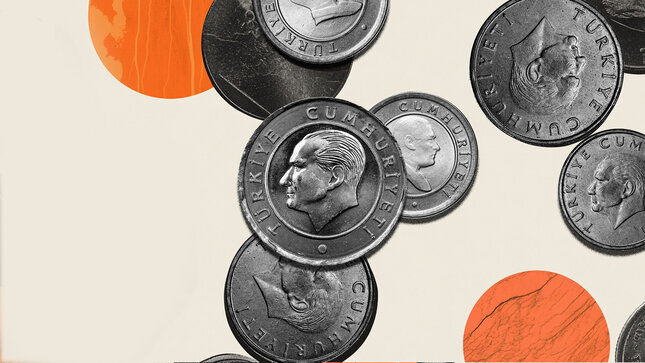
TRY: High energy sensitivity and policy pressure – BNP Paribas
BNP Paribas underlines Türkiye’s acute sensitivity to higher energy prices and exchange rate moves. The report notes a large energy deficit, strong exchange rate pass‑through and a sharp rise in local yields, as markets price faster monetary tightening. 🔗 Source 💡 DMK Insight BNP Paribas just highlighted Türkiye’s vulnerability to energy prices and currency fluctuations, and here’s why that matters: With a significant energy deficit, any spike in energy costs could exacerbate inflation, leading to even tighter monetary policy. This is crucial for traders focusing on emerging markets, as Türkiye’s situation could influence regional currencies and commodities. The report also points to rising local yields, suggesting that investors are anticipating aggressive rate hikes. If the Turkish lira continues to weaken, it could trigger a sell-off in local assets, impacting not just Turkish equities but also related markets like energy and commodities. Traders should keep an eye on the lira’s performance against major currencies, especially if it breaches key support levels. A continued decline could signal broader market instability, prompting shifts in risk appetite among institutional and retail investors alike. Watch for any announcements from the Central Bank of the Republic of Türkiye regarding interest rates, as these will be pivotal in shaping market sentiment in the coming weeks. 📮 Takeaway Monitor the Turkish lira closely; a breach below key support levels could signal increased volatility and impact related markets significantly.

Dow Jones Industrial Average sees hesitating gains as Fed rate call looms
US stocks posted a second consecutive session of gains on Tuesday, with the Dow Jones Industrial Average (DJIA) adding around 0.30% to hold in the 47,000 region. The S&P 500 rose approximately 0.30%, and the Nasdaq Composite gained a similar amount. 🔗 Source 💡 DMK Insight US stocks are on a roll, but here’s why you should be cautious: The Dow Jones Industrial Average, S&P 500, and Nasdaq Composite all posted gains of around 0.30%, signaling a potential bullish sentiment in the market. However, this upward movement comes after a period of volatility, and traders should be wary of overextending positions. The 47,000 level for the DJIA is crucial; if it holds, we could see further upside, but a failure to maintain this level could trigger profit-taking and a swift reversal. Look for key resistance around the 47,500 mark, which could act as a psychological barrier. On the flip side, while the gains are encouraging, they could be masking underlying weaknesses, such as inflation concerns and interest rate hikes. If these factors come back into focus, we might see a shift in sentiment. Keep an eye on economic indicators like job reports and inflation data in the coming weeks, as they could provide insight into whether this rally has legs or if it’s just a temporary bounce. Watch for signs of selling pressure around the 47,000 level for potential shorting opportunities. 📮 Takeaway Monitor the DJIA’s ability to hold above 47,000; a failure could signal a reversal, while a break above 47,500 might lead to further gains.

United States 20-Year Bond Auction climbed from previous 4.664% to 4.817%
United States 20-Year Bond Auction climbed from previous 4.664% to 4.817% 🔗 Source 💡 DMK Insight The jump in the 20-Year Bond Auction yield from 4.664% to 4.817% is a big deal for traders right now. Higher yields typically signal increased borrowing costs, which can ripple through the equity and forex markets. Investors might start to shift their focus from riskier assets to safer bonds, especially if they expect further rate hikes from the Fed. This could put downward pressure on stocks, particularly in sectors sensitive to interest rates like real estate and utilities. Watch for how this affects the S&P 500 and the dollar index; if yields continue to rise, we might see a stronger dollar and weaker equity performance. On the flip side, if the market perceives these yields as unsustainable, we could see a reversal. Traders should keep an eye on the 4.8% level as a potential resistance point for the bond yields. If yields stabilize or drop, it might signal a buying opportunity in equities. Overall, the next few days will be crucial as traders react to these developments. 📮 Takeaway Watch the 4.8% level on the 20-Year Bond yield; a sustained rise could pressure equities and strengthen the dollar.

US Dollar Index fades as markets hold breath ahead of FOMC
The US Dollar Index (DXY) eased around 0.20% on Tuesday, slipping back toward the 99.50–99.60 area after a failed attempt to recapture the psychologically significant 100.00 handle. 🔗 Source 💡 DMK Insight The DXY’s recent slip toward the 99.50–99.60 range signals potential volatility ahead. Traders should pay close attention to this level as it reflects a broader struggle for the dollar against key currencies. The inability to hold above 100.00 could lead to increased selling pressure, especially if economic data releases this week disappoint. A break below 99.50 might trigger stop-loss orders, potentially cascading down to the 99.00 mark. This scenario could also impact commodities priced in dollars, like gold and oil, making them more attractive to foreign buyers. Conversely, if the DXY manages to reclaim the 100.00 level, it could bolster risk-off sentiment, pushing traders back into the dollar and away from riskier assets. Keep an eye on upcoming economic indicators, particularly inflation data, as they could sway the DXY’s trajectory significantly. The market’s reaction to these figures will be crucial in determining whether the dollar can regain its footing or if further declines are imminent. 📮 Takeaway Watch the DXY closely; a drop below 99.50 could trigger further selling, while reclaiming 100.00 might shift sentiment back to the dollar.

LatAm: Peso seen outperforming real – Commerzbank
Commerzbank’s Michael Pfister and Norman Liebke argue that, after strong gains versus the Dollar, the Brazilian Real faces more downside risks than the Mexican Peso. 🔗 Source 💡 DMK Insight The Brazilian Real’s recent strength against the Dollar might be misleading—downside risks are looming. Commerzbank analysts highlight that while the Real has performed well, it now faces more significant risks compared to the Mexican Peso. This could be due to Brazil’s economic vulnerabilities, such as inflation pressures and political instability, which can impact investor sentiment. Traders should keep an eye on key economic indicators from Brazil, including inflation rates and interest rate decisions, as these will likely influence the Real’s trajectory. If the Real starts to weaken, it could create a ripple effect on emerging market currencies, particularly those that are closely correlated with Brazil’s economic performance. On the flip side, the Mexican Peso may benefit from a more stable economic outlook, making it a potential safe haven for traders looking to hedge against Brazilian volatility. Watch for any significant shifts in economic data releases from both countries, as these could provide actionable insights for positioning in the forex market. 📮 Takeaway Monitor Brazil’s inflation and economic indicators closely; a weakening Real could impact emerging market currencies significantly.

Thailand: Oil shock lifts inflation risk – UOB
UOB economists Enrico Tanuwidjaja and Sathit Talaengsatya assess how higher global Oil and gas prices are shifting Thailand from a low-inflation backdrop into a cost-shock environment. 🔗 Source 💡 DMK Insight Higher global oil and gas prices are shaking up Thailand’s inflation landscape, and here’s why that matters: As UOB economists point out, the shift from low inflation to a cost-shock environment can significantly impact consumer spending and business costs. Traders should keep an eye on how this affects the Thai Baht, especially if inflation pressures lead to tighter monetary policy from the Bank of Thailand. If inflation rises sharply, we could see the Baht weaken against major currencies, potentially creating volatility in forex pairs like USD/THB. Moreover, rising energy prices often correlate with increased costs across various sectors, which could ripple through to equities and commodities. Look for key resistance levels in oil prices that might signal further economic strain. If oil continues to rise, watch for a potential breakout in inflation metrics, which could prompt a reaction from both retail and institutional traders. The next few weeks will be crucial as markets digest these developments and adjust positions accordingly. 📮 Takeaway Monitor USD/THB for potential weakness if inflation pressures mount, especially as global oil prices rise.