
 Bitcoin
  Ethereum
  Tether
  XRP
XRP  BNB
BNB  USDC
USDC  Solana
  TRON
TRON  Lido Staked Ether
  Figure Heloc
Amazon, Google, Meta, Microsoft, OpenAI, Oracle, and xAI agreed to fund electricity supply and grid upgrades as AI energy demands spike. 🔗 Source 💡 DMK Insight Big tech’s push for energy upgrades is a game changer for the AI landscape. With giants like Amazon, Google, and Microsoft investing in electricity supply and grid enhancements, traders should pay attention to the potential ripple effects on energy stocks and utilities. This move signals a significant increase in AI energy consumption, which could lead to higher demand for renewable energy sources and infrastructure improvements. If you’re trading in the energy sector, keep an eye on companies involved in grid technology and renewable energy solutions, as they might see increased interest and investment. But here’s the flip side: while this funding could boost energy stocks, it also raises concerns about sustainability and the environmental impact of increased energy consumption. Traders should monitor how these companies balance growth with environmental responsibilities. Watch for any regulatory changes or public sentiment shifts that could affect these investments. In the short term, keep an eye on energy prices and any announcements from these tech firms regarding their energy strategies. 📮 Takeaway Watch for energy sector stocks reacting to big tech’s funding for grid upgrades, especially in renewables and infrastructure, as AI demand surges.

Canadian Robbed of Crypto via ATM Kiosk, Recovery Efforts Lead to Another Scam Attempt
Police say scammers used RCMP branding to target a Nanaimo victim in a crypto recovery scheme after an earlier fraud. 🔗 Source 💡 DMK Insight Scammers are getting craftier, and this latest crypto recovery scheme using RCMP branding is a stark reminder of the risks in the crypto space. For traders, this incident highlights the importance of due diligence and skepticism, especially when approached with offers that seem too good to be true. The crypto market is rife with scams, and as more people enter the space, the potential for fraud increases. This could lead to heightened scrutiny from regulators, which might impact market sentiment and trading strategies. Keep an eye on how law enforcement’s involvement might influence public perception and regulatory responses, as this could create volatility in related assets. Also, consider monitoring social media channels and forums where these scams often proliferate. If you see a spike in discussions around recovery schemes, it could be a sign of rising fraud activity, which might affect overall market confidence. Stay alert and prioritize security measures in your trading practices to avoid falling victim to these schemes. 📮 Takeaway Watch for increased regulatory scrutiny in the crypto space as scams rise; stay vigilant and prioritize security in your trading activities.
Senator Flags White House 'Corruption' Concerns Over Iran War Predictions Markets
The senator has slammed predictions markets betting on war in the Middle East, accusing White House officials of corruption. 🔗 Source 💡 DMK Insight So, a senator’s calling out prediction markets tied to Middle East conflict, and here’s why that matters: it highlights the growing tension between political narratives and market sentiment. Traders should pay attention to how these accusations could influence market volatility, especially in commodities like oil and gold, which often react to geopolitical instability. If the senator’s claims gain traction, we might see a shift in sentiment that could lead to increased risk aversion among investors. This could trigger sell-offs in equities and a flight to safe-haven assets. On the flip side, if the market perceives these comments as mere political posturing, we might not see significant movement. Keep an eye on oil prices and geopolitical news; any escalation could push crude above key resistance levels, while a de-escalation might stabilize markets. Watch for oil to test recent highs, as this could signal broader market implications. 📮 Takeaway Monitor oil prices closely; any geopolitical escalation could push crude above key resistance levels, impacting broader market sentiment.
FATF Flags Peer-to-Peer Stablecoin Transfers as Top Money Laundering Risk
The Financial Action Task Force wants issuers to embed freeze and deny-list controls directly into smart contracts. 🔗 Source 💡 DMK Insight The FATF’s push for freeze and deny-list controls in smart contracts is a game changer for compliance. This move could significantly impact how decentralized finance (DeFi) projects operate, potentially increasing regulatory scrutiny. Traders should be aware that this could lead to a bifurcation in the market, where compliant projects gain favor while those resisting regulation may face liquidity issues. If implemented, it could also affect the price dynamics of major cryptocurrencies, particularly those heavily involved in DeFi, like Ethereum. Watch for reactions from major players in the space and how they adapt to these potential changes. The real story here is how this could shift investor sentiment towards more compliant assets, creating a ripple effect across the entire crypto market. Keep an eye on regulatory announcements and the response from major exchanges, as these will be crucial in shaping the trading landscape moving forward. 📮 Takeaway Watch for regulatory responses to the FATF’s proposal, as compliant projects may see increased demand while non-compliant ones could struggle.
A friendly reminder that we do have the US non-farm payrolls tomorrow
The consensus is for a softer reading in the headline non-farm payrolls figure, following the strong showing in January. The first month of the year typically has seasonal factors imbued and this time, we are expected to see job gains of 59k.One known downside factor is the United Nurses Associations of California/Union of Health Care Professionals (UNAC/UHCP) strikes, which will reflect around 31k striking workers over the payrolls reference period. The health physicians on strike will be absent from the payrolls figure having not worked through 26 January to 23 February. Of note, this will be the largest strike activity impact on the labour market report since October 2024 (the Boeing worker strike).As such, just keep in mind to factor in that number as that will eventually return in the March payrolls figure.Besides that, poorer weather conditions could have also been a drag on the reporting figures for February. Bad weather due to winter storms in late January could have adversely impacted the collection of the household survey. So, that’s something to take note of amid concerns of data quality issues. Although, I would argue markets will still take the numbers at face value for the most part.As for the unemployment rate, that is expected to keep steady at 4.3% again. The January figure was 4.28% unrounded, which surprised to the positive side. That being said, analysts are flagging potential risks of a slight uptick to 4.4% on the month.Of note, the likes of BofA, Wells Fargo, and TD Securities all estimate the jobless rate at 4.3% but highlight risks of it coming in at 4.4%. Meanwhile, JP Morgan and Goldman Sachs both anticipate the unemployment rate to tick a little higher to 4.4% as their baseline estimate.You can find the major analyst estimates as per Bloomberg’s survey below (h/t @ MNI). I’ll be back with more detailed previews tomorrow. This article was written by Justin Low at investinglive.com. 🔗 Source 💡 DMK Insight A softer non-farm payrolls figure could shake up market sentiment, especially if the actual number deviates from the expected 59k. Traders should be on high alert for how this data influences the USD and broader equity markets. A lower-than-expected payroll number might lead to a weaker dollar, which could boost commodities like gold and oil. Conversely, if the figure surprises to the upside, expect a stronger dollar and potential pressure on risk assets. Given the seasonal adjustments typically seen in January, this reading could be more volatile than usual. Watch for reactions in the forex market, particularly with USD pairs, as well as in indices like the S&P 500, which often correlate with employment data. The real story here is how traders position themselves ahead of this release—are they leaning bullish or bearish? Keep an eye on the 59k mark; a miss could trigger a sell-off, while a beat might lead to a rally in risk assets. 📮 Takeaway Watch the non-farm payrolls closely; a figure below 59k could weaken the dollar and boost commodities, while a surprise could shift market dynamics significantly.
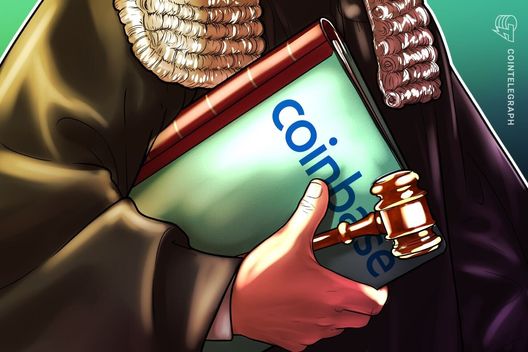
Coinbase execs face new lawsuit seeking damages, insider profit clawbacks
The lawsuit seeks damages for Coinbase, governance reforms and the return of compensation and profits allegedly earned by insiders during the company’s compliance failures. 🔗 Source 💡 DMK Insight Coinbase’s lawsuit could shake up the crypto exchange landscape, and here’s why: The legal action highlights ongoing compliance issues that have plagued the exchange, potentially impacting its operational integrity and investor confidence. Traders should be wary of how this might affect Coinbase’s stock and its trading volumes. If the lawsuit leads to governance reforms, it could set a precedent for other exchanges, prompting a broader reevaluation of compliance standards across the industry. This situation is particularly relevant as regulatory scrutiny intensifies globally, and the outcome could influence not just Coinbase but also other major players in the crypto market. Look for key price levels around Coinbase’s recent trading range; a significant drop could signal panic selling, while a rebound might indicate resilience. Keep an eye on trading volumes as well—if they spike, it could suggest heightened interest or fear among investors. The real story is how this lawsuit could ripple through the market, affecting not just Coinbase but also related assets like Bitcoin and Ethereum, as traders reassess their risk exposure. 📮 Takeaway Watch Coinbase’s price action closely; a break below key support levels could trigger further selling pressure amid rising regulatory concerns.
Pi Network Price Prediction 2026–2030: Six Years to Launch, 94% Drop in Twelve Months — What Happens Next?
Pi Network spent six years building its user base before a single token traded on a public exchange. Thirty-five million people downloaded the app. Millions completed identity verification. The team The post Pi Network Price Prediction 2026–2030: Six Years to Launch, 94% Drop in Twelve Months — What Happens Next? appeared first on NFT Evening. 🔗 Source 💡 DMK Insight Pi Network’s massive user base is impressive, but the 94% price drop raises serious red flags for traders. With 35 million downloads and millions verified, the hype is real, but the lack of trading history means volatility could be extreme. If you’re considering positions, watch for any signs of recovery or further declines. The market’s skepticism could lead to a prolonged period of consolidation or even a deeper correction. Traders should monitor sentiment closely, especially as the community anticipates future developments. Key levels to watch will be any support around the recent lows, as a failure to hold could trigger further selling pressure. Keep an eye on broader crypto trends, as they could influence Pi’s trajectory significantly. 📮 Takeaway Watch for support levels in Pi Network; a failure to hold recent lows could signal further declines amid ongoing skepticism.

Kraken wins Kansas City Fed approval for limited master account access
In a first for crypto, Kraken’s banking unit gained access to the US Federal Reserve’s payment system, Fedwire, though without full banking privileges such as interest on reserves. 🔗 Source 💡 DMK Insight Kraken’s banking unit accessing Fedwire is a game-changer for crypto liquidity. This move signals a growing acceptance of crypto by traditional financial systems, which could enhance Kraken’s operational capabilities and attract institutional investors. While they don’t have full banking privileges yet, this step could pave the way for more robust financial products and services. Traders should watch for how this impacts Kraken’s trading volumes and liquidity, especially in the wake of increased institutional interest. If Kraken can leverage this access effectively, it might lead to tighter spreads and improved execution for traders. However, it’s worth noting that without full banking privileges, Kraken may still face limitations that could affect its competitiveness against traditional banks. Keep an eye on how other crypto exchanges respond—if they follow suit, we could see a shift in market dynamics. Watch for any announcements from Kraken regarding new services or partnerships that could capitalize on this development. 📮 Takeaway Monitor Kraken’s trading volumes and any new service announcements, as this Fedwire access could enhance liquidity and attract institutional interest.

South Korea moves to cap crypto exchange shareholder stakes at 20%: Report
South Korea’s government and ruling party reportedly agreed on a proposal to cap major shareholder stakes in crypto exchanges at 20%, with limited exemptions for new operators. 🔗 Source 💡 DMK Insight South Korea’s cap on major shareholder stakes in crypto exchanges is a game changer for market dynamics. This move could significantly alter the landscape for institutional investment and liquidity in the crypto sector. By limiting major shareholders to 20%, the government aims to reduce risks associated with market manipulation and promote a more stable trading environment. However, this could also deter larger players from entering the market, potentially stifling innovation and growth. Traders should keep an eye on how existing exchanges respond to this regulation, especially those that might need to restructure their ownership models. On the flip side, new operators might find this cap less restrictive, which could lead to an influx of smaller, innovative exchanges. This could create opportunities for traders looking for fresh platforms with unique offerings. Watch for any announcements from major exchanges regarding compliance or restructuring, as these could lead to volatility in their respective tokens. The next few weeks will be crucial for gauging market sentiment and potential shifts in trading strategies. 📮 Takeaway Monitor major exchanges for compliance updates on the 20% cap, as this could trigger volatility and reshape trading strategies in the coming weeks.

UK House of Lords presses Coinbase exec on stablecoins, KYC and bank run fears
Lawmakers asked if stablecoins could drain bank deposits and threaten financial stability, while Coinbase and Innovate Finance warned that strict regulation risks driving innovation offshore. 🔗 Source 💡 DMK Insight The debate over stablecoin regulation is heating up, and here’s why it matters for traders: potential restrictions could reshape liquidity dynamics in crypto markets. If lawmakers are serious about curbing stablecoins due to fears of draining bank deposits, we might see a shift in how liquidity flows into crypto. This could impact trading strategies, especially for those relying on stablecoins for quick entry and exit points. A tighter regulatory environment could push innovation to more crypto-friendly jurisdictions, leading to a fragmented market where liquidity is less predictable. Keep an eye on how major exchanges like Coinbase respond; their actions could signal broader market trends. On the flip side, if regulations are too harsh, we could see a backlash from the crypto community, potentially leading to increased volatility as traders react to news and sentiment shifts. Watch for any announcements from lawmakers or major exchanges in the coming weeks, as these could set the tone for market movements. The key levels to monitor are the trading volumes of stablecoins and any shifts in their peg to fiat currencies, which could indicate market sentiment changes. 📮 Takeaway Traders should monitor stablecoin trading volumes closely; any significant drop could signal liquidity issues and impact broader market stability.