
 Bitcoin
  Ethereum
  Tether
  BNB
BNB  XRP
XRP  USDC
USDC  Solana
  TRON
TRON  Lido Staked Ether
  Figure Heloc
MUFG analysts Lin Li, Michael Wan, Lloyd Chan and Khang Sek Lee highlight an Asia‑centric week dominated by geopolitics, inflation and monetary policy. 🔗 Source 💡 DMK Insight Geopolitical tensions and inflation are shaping market sentiment this week, and here’s why that matters: With Asia at the center of these developments, traders need to keep a close eye on how these factors influence currency pairs, especially those involving the Japanese yen and Chinese yuan. Inflationary pressures could lead to shifts in monetary policy, impacting interest rates and subsequently affecting forex markets. If central banks respond aggressively to inflation, we might see volatility spike, particularly in emerging market currencies. Look for key economic indicators, such as inflation reports and central bank announcements, that could trigger significant moves. For instance, if Japan’s inflation continues to rise, the yen could weaken further against the dollar, creating potential shorting opportunities for traders. Conversely, any signs of stabilization could lead to a rebound. Watch the 145 level on USD/JPY as a critical resistance point; a break above could signal further downside for the yen. In this environment, staying agile and ready to react to news is crucial, as market sentiment can shift rapidly based on geopolitical developments. 📮 Takeaway Monitor USD/JPY around the 145 level this week; geopolitical and inflation news could trigger significant volatility.

PBOC: Cautious stance with structural easing tools – DBS
DBS Group Research economist Chua Han Teng expects the People’s Bank of China to keep the 1-year Loan Prime Rate at 3.00% on February 24, as January data are still unfolding. 🔗 Source 💡 DMK Insight The PBOC’s decision to maintain the 1-year Loan Prime Rate at 3.00% could signal stability in China’s economic outlook, but here’s why traders need to pay attention. Keeping rates steady suggests the central bank is cautious about economic recovery, especially with January data still coming in. This could impact the yuan’s strength against other currencies, particularly if traders perceive a lack of aggressive monetary easing. If the yuan weakens, it might lead to increased volatility in forex pairs involving the CNY, affecting commodities priced in dollars. Watch for reactions in the AUD/CNY and other related pairs, as they often reflect sentiment on Chinese economic health. Additionally, if the PBOC shifts its stance in the coming months, it could create ripple effects across global markets, especially in commodities and emerging market currencies. Traders should monitor the upcoming economic data releases closely, as any surprises could lead to rapid shifts in market sentiment. Keep an eye on the 3.00% level as a psychological barrier; a break below could indicate a shift in monetary policy expectations. 📮 Takeaway Watch for January economic data; if it surprises, it could shift expectations around the PBOC’s rate policy and impact the yuan significantly.

Bitcoin's bull catalyst could be AI stocks turning 'silly big': Lyn Alden
Bitcoin only needs a “marginal amount of new demand” to push higher, according to macroeconomist Lyn Alden, who is watching for a potential peak in AI stocks as a signal. 🔗 Source 💡 DMK Insight Bitcoin’s next move hinges on new demand, and here’s why that’s crucial right now: Lyn Alden’s perspective highlights a pivotal moment for Bitcoin traders. If we see a surge in demand, even marginal, it could catalyze a breakout. This aligns with broader market trends where AI stocks are peaking, potentially redirecting investor interest back to crypto. Traders should keep an eye on Bitcoin’s price action in relation to these tech stocks; a correlation could signal a shift in sentiment. If Bitcoin can break above key resistance levels, it might attract more institutional interest, especially if AI stocks start to cool off. But don’t overlook the risks. If the anticipated demand doesn’t materialize, Bitcoin could face downward pressure. Watch for volume spikes or drops in AI stocks as indicators of market sentiment. The next few weeks will be critical; monitor Bitcoin’s performance closely, especially around any major announcements in the tech sector that could influence investor behavior. 📮 Takeaway Keep an eye on Bitcoin’s demand levels and AI stock performance; a breakout above resistance could signal a strong upward move.

Bitcoin miner MARA buys majority stake in AI data center firm Exaion
MARA acquires a 64% stake in French computing infrastructure operator Exaion, expanding into AI and cloud services as Bitcoin miners pivot toward data center revenue. 🔗 Source 💡 DMK Insight MARA’s 64% stake in Exaion is a game changer for Bitcoin miners looking to diversify revenue streams. As Bitcoin mining margins tighten, companies are increasingly seeking alternative income sources. By acquiring a significant stake in a French computing infrastructure operator, MARA is positioning itself to capitalize on the growing demand for AI and cloud services. This move not only enhances their operational capabilities but also aligns with broader market trends where traditional mining operations are evolving into tech-driven enterprises. Traders should keep an eye on how this acquisition impacts MARA’s stock performance, especially if they can leverage Exaion’s infrastructure to boost profitability. But here’s the flip side: while diversification is smart, it also comes with risks. If the AI and cloud markets don’t perform as expected, MARA could face challenges. Watch for any updates on revenue projections from this new venture, as well as how it affects their mining operations. Key levels to monitor include MARA’s stock price in relation to its recent highs and lows, as sentiment shifts could lead to volatility in the short term. 📮 Takeaway Keep an eye on MARA’s stock performance as they integrate Exaion; any updates on revenue projections could signal significant price movements.
Breaking Down Today’s Crypto Market Trends: Bitcoin Rises, Ethereum and Binance Coin Surge, US Dollar Coin Holds Steady
📰 DMK AI Summary The cryptocurrency market experienced mixed movements today, with Bitcoin (BTC) showing a slight increase while Ethereum (ETH) saw a notable rise. On the other hand, XRP and Binance Coin (BNB) also recorded gains. However, some assets like US Dollar Coin (USDC) remained stable, and Litecoin (LTC) surged as well. 💬 DMK Insight The fluctuations in various coin prices today indicate ongoing volatility in the crypto market, potentially influenced by factors such as market sentiment, regulatory developments, and macroeconomic trends. Investors should closely monitor these price movements and conduct thorough research before making any investment decisions. 📊 Market Content The rise in Ethereum (ETH) and Binance Coin (BNB) prices could reflect growing interest in alternative cryptocurrencies beyond Bitcoin. This diversification trend suggests a maturing market where traders are exploring different assets for potential returns. Additionally, the stability of US Dollar Coin (USDC) amid other price movements underscores its role as a stablecoin in the crypto ecosystem.

Stablecoin A7A5 grows parallel system for sanctioned companies
Stablecoin ecosystem A7A5 has faced accusations of sanctions evasion and, according to some analysts, is creating an alternative, sanctions-free financial network. 🔗 Source 💡 DMK Insight The allegations against A7A5 highlight a growing trend in the stablecoin market: the push for alternatives to traditional financial systems. Traders should pay attention to how these developments could impact the broader crypto landscape, particularly as regulatory scrutiny intensifies. If A7A5 successfully establishes a sanctions-free network, it could attract significant capital, potentially affecting the liquidity and stability of established stablecoins like USDT and USDC. This situation may lead to increased volatility in the crypto markets as traders reassess the risk profiles of various assets. Keep an eye on how major exchanges respond to these accusations and whether they adjust their listings or trading pairs involving A7A5. The flip side is that if regulators clamp down on A7A5, it could trigger a broader sell-off in the stablecoin sector, impacting not just A7A5 but also other coins perceived as risky. Watch for any official statements from regulatory bodies and the price action of major stablecoins in the coming weeks. 📮 Takeaway Monitor A7A5’s developments closely; any regulatory actions could lead to significant volatility in the stablecoin market, impacting liquidity and trading strategies.

Tennessee judge issues injunction blocking state move against Kalshi
US Federal Judge Aleta Trauger granted Kalshi a preliminary injunction against Tennessee, finding its sports event contracts fall under CFTC jurisdiction. 🔗 Source 💡 DMK Insight Kalshi just scored a legal win, and here’s why that matters for traders: This preliminary injunction against Tennessee means Kalshi’s sports event contracts are now under the CFTC’s watchful eye, potentially opening the door for more regulated trading options in the sports betting space. Traders should pay attention because this could lead to increased liquidity and new strategies around sports contracts, especially if more states follow suit. With the CFTC’s involvement, we might see clearer guidelines and protections, which could attract institutional players to the market. However, there’s a flip side—this increased regulation could also stifle innovation or limit the types of contracts available. Traders need to keep an eye on how this legal landscape evolves, especially as other states react. Watch for any announcements from the CFTC or other states considering similar regulations, as these could impact market dynamics significantly. 📮 Takeaway Monitor CFTC developments closely; they could reshape trading strategies in sports contracts and attract institutional interest.

BTC treasury executives call for reform of 1,250% risk weight in Basel III
Private equity, which has the second-highest risk weighting, carries a 400% weight under the current Basel III banking framework. 🔗 Source 💡 DMK Insight Private equity’s 400% risk weight under Basel III is a big deal for traders and investors. This high weighting means banks must hold more capital against these investments, which could tighten liquidity in the market. If banks are less willing to finance private equity deals, we might see a slowdown in mergers and acquisitions, impacting stock prices in related sectors. For traders, this could signal a shift in focus towards more liquid assets or sectors less affected by these regulations. Keep an eye on financial stocks, as they might react to changes in lending practices. Additionally, the ripple effects could extend to public companies involved in private equity, potentially leading to volatility in their stock prices. Watch for any announcements from major banks regarding their capital strategies, as these could provide insight into market direction. In the short term, monitor the performance of financial indices and any related ETFs, as they could be sensitive to these regulatory changes. If liquidity tightens, we might see increased volatility across the board, so stay alert for shifts in market sentiment. 📮 Takeaway Watch for changes in bank lending practices as Basel III impacts private equity; this could lead to increased volatility in financial stocks and related sectors.
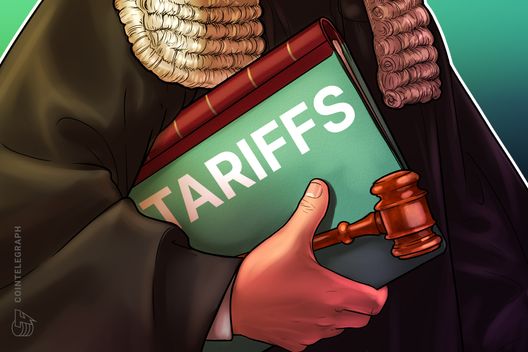
SCOTUS strikes down Trump tariffs, but 'alternative' plans brewing
US President Donald Trump has repeatedly said that tariffs could help pay down the $38 trillion, and growing, US national debt. 🔗 Source 💡 DMK Insight Trump’s tariff talk isn’t just political rhetoric; it could shift market dynamics significantly. If tariffs are implemented, sectors like manufacturing and agriculture could face immediate pressure, impacting stock prices and potentially leading to volatility in related markets. Traders should keep an eye on how these tariffs might affect consumer prices and inflation, which could influence the Federal Reserve’s monetary policy decisions. A rise in tariffs could lead to higher costs for goods, impacting consumer spending and overall economic growth. On the flip side, if tariffs are perceived as a way to reduce the national debt, it might bolster the dollar in the short term, affecting forex markets. Watch for key economic indicators like inflation rates and consumer confidence to gauge market reactions. The real story is how these tariffs could ripple through the economy, affecting everything from stock prices to currency valuations. Keep an eye on the upcoming economic reports and any announcements from the Fed regarding interest rates, as these will be crucial in determining market sentiment moving forward. 📮 Takeaway Monitor upcoming economic reports and Fed announcements closely; tariffs could reshape market dynamics and influence both stock and forex trading strategies.
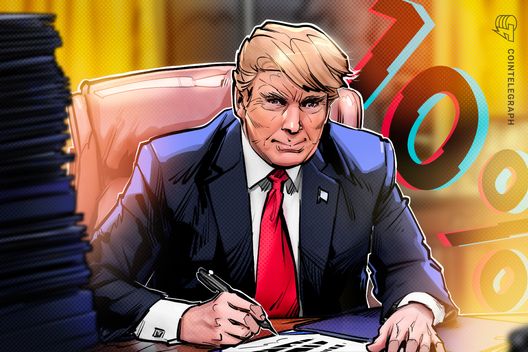
Trump announces 10% global tariff following SCOTUS ruling
The United States Supreme Court ruled on Friday that President Donald Trump could not use national emergency powers to levy tariffs during peacetime. 🔗 Source 💡 DMK Insight The Supreme Court’s ruling against Trump’s tariff powers could shake up trade dynamics significantly. For traders, this means a potential shift in market sentiment, especially in sectors sensitive to tariffs like agriculture and manufacturing. If tariffs can’t be imposed during peacetime, expect volatility in commodities and related stocks as businesses adjust their strategies. This ruling might also influence the dollar’s strength against other currencies, depending on how it affects trade balances. Keep an eye on economic indicators like import/export data in the coming weeks, as they could provide insight into how markets are reacting to this news. On the flip side, while this ruling may seem like a win for free trade advocates, it could also embolden other political maneuvers that might lead to unexpected market reactions. Watch for any retaliatory measures from trading partners, which could create ripple effects across global markets. 📮 Takeaway Monitor commodity prices and trade balance reports closely; this ruling could lead to increased volatility in affected sectors over the next few weeks.