
 Bitcoin
  Ethereum
  Tether
  BNB
BNB  XRP
XRP  USDC
USDC  Solana
  TRON
TRON  Lido Staked Ether
  Figure Heloc
Prior 48.4Manufacturing PMI 49.9 vs 51.0 expectedPrior 51.2Composite PMI 49.9 vs 49.7 expectedPrior 49.1The French services sector bounced back to a two-month high, helping to shore up overall business activity in February. That as the manufacturing sector slips back into contraction, but just at the margin. Of note, new business inflows fell once again for a third straight month and at its quickest pace since July last year. That points to struggling demand conditions still plaguing the French economy in general. HCOB notes that:“The French private sector is still struggling to gain real momentum. Since last November, the HCOB Composite PMI has been hovering around the 50.0‑point growth threshold, implying that any real progress remains absent. A prime example is hiring activity, which stagnated in February. The main drag continues to come from the demand side as new orders declined yet again, with the situation looking even worse for export orders. “At the sector level, developments diverged at the start of the year as manufacturing gained some ground while services contracted. February was no different, as factory production growth contrasted with falling services output. “Business expectations for the year ahead weakened somewhat, yet we remain cautiously optimistic given that the index measuring corporate confidence is still higher than the 2025 average. Politically, agreement on the 2026 budget has brought some calm, but Macron’s succession is already casting its shadow. Despite the presidential election not being due until 2027, reports suggest Christine Lagarde’s possible early departure as head of the ECB is partly motivated by a desire to allow Macron to choose her successor. “Price dynamics continue to move in different directions across sectors. Service providers granted price reductions to their customers, whereas prices for manufactured goods picked up again after having fallen in the previous month. Corporate cost pressures increased only moderately, and inflation remains clearly below the survey’s long‑term average.” This article was written by Justin Low at investinglive.com. 🔗 Source 💡 DMK Insight The recent dip in the Manufacturing PMI to 49.9 signals a potential slowdown, and here’s why that matters: With the Composite PMI also landing at 49.9, just shy of contraction territory, traders should be cautious. The services sector’s bounce back is a silver lining, but it’s the manufacturing sector that often leads economic trends. If this contraction persists, we could see ripple effects across related markets, particularly in industrial commodities and equities tied to manufacturing. Watch for key levels in the EUR/USD pair; if it breaks below recent support, it could indicate broader market pessimism. Keep an eye on upcoming economic data releases that could further influence sentiment. On the flip side, the services sector’s recovery could suggest a rotation in market focus. If traders start favoring service-oriented stocks, it might offset some of the bearish sentiment from manufacturing. But the immediate risk is clear: a sustained contraction in manufacturing could lead to increased volatility in both forex and equity markets, especially if central banks react to these indicators. Watch for any shifts in central bank rhetoric in the coming weeks as they assess this mixed data. 📮 Takeaway Monitor the EUR/USD for a potential breakdown below support levels, as ongoing manufacturing contraction could trigger broader market volatility.

Germany February flash manufacturing PMI 50.7 vs 49.5 expected
Prior 49.1Services PMI 53.4 vs 52.4 expectedPrior 52.4Composite PMI 53.1 vs 52.3 expectedPrior 52.1Key Points:Business activity growth ticks up to four-month high in FebruaryComment:Commenting on the flash PMI data, Dr. Cyrus de la Rubia, Chief Economist at Hamburg Commercial Bank, said: “Hurray, German industry is growing again. For the first time in more than three-and-a-half years, the headline manufacturing PMI is back in expansionary territory. This confirms the tentative signs of an economic turnaround that were particularly evident in January. It is particularly encouraging that new orders have risen robustly, suggesting that production growth will continue in the coming months. This view is supported by order backlogs, which have risen for the first time since mid-2022, albeit only moderately. Higher new orders from abroad, which have risen again after six months of decline, have also helped here. We expect the government’s infrastructure program and higher military spending to provide increasing tailwinds for industry. “The development in the service sector is encouraging. Here, business activity growth has picked up significantly, reaching its second-highest level in almost two years. The weaker growth in new business compared to previous months may be an indication that the pace of expansion will not remain at this level in the coming months. In fact, companies remain very cautious in their personnel planning and have cut jobs for the second month in a row. This is consistent with the fact that service providers were able to achieve slightly less strong price increases. Overall, however, it seems possible that the pleasant developments in industry will spill over into the service sector in the coming months. “In industry, companies are facing accelerating increases in purchase prices. This is likely to be partly due to higher energy prices. Prices for crude oil and natural gas on the commodity exchanges have risen by between 12% and 14% in euro terms since the beginning of January. At least companies were able to pass on some of these cost increases to their customers. “GDP in Germany is likely to have grown visibly in the first quarter, unless there is a major slump in March, for which there is no indication in the data. Companies in both the service sector and the manufacturing industry are also quite optimistic about the next twelve months which bodes well for GDP growth of more than 1% this year, which is our expectation.” This article was written by Giuseppe Dellamotta at investinglive.com. 🔗 Source

Eurozone February flash services PMI 51.8 vs 51.9 expected
Prior 51.6Manufacturing PMI 50.8 vs 50.0 expectedPrior 49.5Composite PMI 51.9 vs 51.5 expectedPrior 51.3The most notable thing here is the rebound in the manufacturing sector, with the reading there being a 44-month high. That is largely led by the recovery in Germany, which saw its industry return to expansion territory for the first time in over three years. That’s helping to drive better business activity overall as the services sector also holds up in February.HCOB notes that:“It might be premature, but this could be the turning point for the manufacturing sector as the headline PMI increased to growth territory. Since June 2022 this happened only once, in August of last year. This time, the overall basis for further growth seems to be a bit better. Most PMI subindices are on a higher level than in August, like for example the volume of purchases, the view on future output and the inventory indicators. New orders are growing at a moderate rate after three months of contraction. This indicator has to show better results in the coming months to make us feel more comfortable about the prospects of this sector over the next quarters. Overall, it seems that the manufacturing sector is on a more stable footing and could contribute to overall growth this year instead of being a drag for the economy. Services growth is continuing at a moderate rate, supporting overall growth in the Eurozone. Compared to the fourth quarter, overall growth dynamics have lost some momentum, though. Still, the economy of the Eurozone seems to be on a stable footing, as new business for both service providers and manufacturing companies have increased which should lead to continued growth in output over the next few months. Germany is an important contributor to the better development which has to do with the increased public spending for infrastructure and defence, but also more demand from abroad. Prices pressure in the services sector which is monitored by the ECB tightly, has relaxed a bit in February. Costs are still increasing at a high rate but not as fast as the month before while companies increased their prices to their customers at a significantly lower rate than before. Given the stable expansion of economic activity and a still elevated service inflation the ECB does not seem to be inclined to change its view to stay put with respect to their key policy rates.” This article was written by Justin Low at investinglive.com. 🔗 Source 💡 DMK Insight The rebound in Germany’s manufacturing PMI to a 44-month high is a game changer for traders right now. This uptick signals a potential shift in economic momentum, especially as the Composite PMI also beats expectations. For day traders and swing traders, this could mean a bullish outlook for the Euro against other currencies, particularly if the trend continues. Watch for how this impacts related assets like German equities or even broader European indices. If the Euro strengthens, it might push the EUR/USD pair above key resistance levels, potentially around 1.10. But don’t overlook the flip side: if this data is seen as a one-off, we could see a quick reversal. Keep an eye on upcoming economic indicators and market reactions to gauge whether this is a sustainable trend or just a blip. The next few days will be crucial for confirming this momentum. 📮 Takeaway Monitor the EUR/USD pair closely; a sustained move above 1.10 could signal a bullish trend driven by Germany’s manufacturing recovery.

UK February flash services PMI 53.9 vs 53.5 expected
Prior 54.0Manufacturing PMI 52.0 vs 51.5 expectedPrior 51.8Composite PMI 53.9 vs 53.2 expectedPrior 53.7Key Findings:Rebound in UK private sector business activity continues in February, but job losses persistComment:Chris Williamson, Chief Business Economist at S&P Global Market Intelligence: “The early PMI data for February bring further signs of an encouraging start to the year for the UK economy. A solid rise in output across manufacturing and services has been reported in both January and February, with the rate of expansion gaining pace. The survey data so far this year are consistent with GDP rising by just over 0.3% in the first quarter if this performance is sustained into March. “The upturn continues to be led by the service sector but there are signs that manufacturing is regaining momentum to join in the recovery, reporting a surge in export orders of a magnitude not seen since the pandemic. “Despite enjoying higher demand for goods and services, companies remain focused on boosting productivity to cut costs, resulting in yet another month of steep job losses to prolong the continual jobs downturn that was initiated by the 2024 autumn Budget. “Higher staffing costs, often attributed to Budget policy changes, meant service sector inflation remained elevated. However, increased competition, especially in the manufacturing sector, is helping keep a lid on inflationary pressures. “Bank of England policymakers will be encouraged by the indications of stronger economic growth, but the relatively modest price pressures being signalled and ongoing worrying labour market weakness will likely result in a growing call for further rate cuts.” This article was written by Giuseppe Dellamotta at investinglive.com. 🔗 Source 💡 DMK Insight The UK PMI data shows a rebound in private sector activity, and here’s why that matters: With the Manufacturing PMI at 52.0, beating expectations of 51.5, and the Composite PMI at 53.9, above the forecast of 53.2, traders should note that this indicates a strengthening economy. However, persistent job losses signal underlying weaknesses that could affect consumer spending and overall growth. This mixed picture could lead to volatility in GBP pairs, especially if the Bank of England reacts to these indicators in upcoming meetings. Watch for key resistance levels around 1.2500 in GBP/USD, as a break above could signal further bullish momentum. Conversely, if job losses continue to rise, it might trigger a bearish sentiment, pushing the pair back towards 1.2300. Here’s the flip side: while the positive PMI readings are encouraging, they might not be enough to offset concerns about the labor market. If traders focus solely on the positive numbers, they could overlook the potential risks ahead. Keep an eye on the upcoming employment data for more clarity on the job market’s health, as this will be crucial for gauging the sustainability of the current economic rebound. 📮 Takeaway Monitor GBP/USD closely; a break above 1.2500 could signal bullish momentum, while job data will be key for assessing risks.

Silver climbs back up to one-week highs but dip buyers still have work to do
The bounce here sees silver trade up by over 3% today to now above $81. It’s a solid recovery from the lows on Tuesday, which saw a dip just under the $72 level at the time. The price swings this week are not as volatile as what we’ve seen in late January to early February but they are still worth taking note of.For now, US-Iran tensions continue to help with buying appetite but traders are still wary of the volatility bouts from earlier this month. That especially as both gold and silver looks to be consolidating a fair bit. And just as a reminder, silver was still hit with a sudden volatility bout last week which saw price fall from $82 to $75 in quick succession.Here’s a look at the near-term chart for now:The latest rise today comes as dip buyers are shaking off resistance from the 200-hour moving average (blue line). That keeps the near-term bias more bullish for now as buyers try to establish a platform to build on for the next upside leg. But as mentioned, it’s still early days though and the bigger technical picture suggests that there is more work to be done.The past one week has been a bit of a consolidative mood to it, since the modest drop on 12 February. That has seen silver keep under $80 mostly before the recovery jump today.Still, the potential developing pattern of lower highs, lower lows is very much still in play. It isn’t as clear cut as what it felt last week but it is still something to be mindful about.As such, dip buyers will have to break this hold in order to really convince of a stronger rebound for silver from hereon. The key level in this instance is that first threshold around $86.32. If that gives way, it will give more assurance that precious metals might be ready to gear up for another run to the upside again.On the month itself, silver is still down by a little over 5% as of today. It’s really not that bad after the surging run in December (+27%) and January (+19%), especially since February is typically a poor seasonal month for the precious metal. This article was written by Justin Low at investinglive.com. 🔗 Source 💡 DMK Insight SOL’s recent bounce to $83.99 signals a potential trend reversal, but caution is key. The recovery from Tuesday’s dip below $72 shows resilience, yet the market’s current volatility suggests traders should remain alert. This week’s price action, while less erratic than previous swings, indicates a possible consolidation phase. If SOL can hold above the $83 level, it might attract more bullish sentiment, especially if it breaks through resistance levels around $85. Watch for volume spikes that could confirm a sustained move. However, there’s a flip side: if SOL retraces back below $80, it could trigger stop-loss orders and lead to further selling pressure. Keep an eye on correlated assets like ETH and BTC, as their movements often influence altcoin trends. For now, monitor the $80 support level closely; a breach could signal a shift in sentiment. 📮 Takeaway Watch SOL closely around the $80 support level; a drop below could trigger further selling, while holding above $83 may attract bullish momentum.

USDJPY on track to revisit the intervention level as Japanese Yen lacks bullish catalysts
FUNDAMENTAL OVERVIEWUSD:The US dollar is now trading higher against most major currencies after another slate of strong US data this week and the US-Iran tensions potentially supporting the greenback. The market is still pricing 57 bps of easing by year-end but the crowded bearish positioning on the US dollar requires strong reasons for the greenback to keep falling. There’s no such reason right now as we are seeing the US data surprising to the upside. Fed speakers are also sounding like the bar for further cuts was set high and they would need very clear improvement on the inflation side to consider a rate cut.Today, we get the Flash US PMIs and the US Q4 GDP. The greenback might get another boost from strong data, especially on the PMIs front. We have also the potential US Supreme Court decision on Trump’s tariffs. If the Court were to rule against the tariffs, we might see the US dollar weakening on positive global growth expectations.JPY:On the JPY side, we’ve seen a big “sell the fact” trade following the widely expected Takaichi’s victory in the lower house elections, but other than that, nothing has changed. In fact, the data hasn’t been supporting urgent rate hikes as seen also today with further easing in the Japanese CPI. As a reminder, the BoJ held interest rates steady as expected at the last policy meeting and upgraded slightly growth and inflation forecasts due to the expansionary fiscal policies. Governor Ueda didn’t offer anything new in terms of forward guidance as he just repeated that they will keep raising rates if the economic outlook is realised. He also added that April price behaviour will be a factor to mull over a rate hike. This suggests that April is when they expect to deliver another rate hike if the data supports such a move. The market is fully pricing the next hike in June with a total of 51 bps of tightening seen by year-end (two rate hikes).USDJPY TECHNICAL ANALYSIS – DAILY TIMEFRAMEOn the daily chart, we can see that USDJPY extended the gains after bouncing near the January’s low and the major trendline. We might be forming a descending triangle with the neckline around the 152.00 handle. The sellers will likely lean on the downward trendline with a defined risk above it to position for a drop back into the 152.00 support. The buyers, on the other hand, will look for a break higher to increase the bullish bets into the 159.00 handle next.USDJPY TECHNICAL ANALYSIS – 4 HOUR TIMEFRAMEOn the 4 hour chart, we can see that the price broke out of the tight range on Wednesday and the bullish momentum increased as more buyers piled in on the breakout. We have a bullish structure on this timeframe, so barring major fundamental events, the buyers should remain in control at least until the downward trendline.USDJPY TECHNICAL ANALYSIS – 1 HOUR TIMEFRAMEOn the 1 hour chart, we can see that we have a support zone around the 154.60 level where there’s also the upward trendline for confluence. From a risk management perspective, the buyers will have a better risk to reward setup around the trendline to position for a break above the downward trendline. The sellers, on the other hand, will look for a break lower to extend the drop into the 153.70 level next. The red lines define the average daily range for today. UPCOMING CATALYSTSToday we conclude the week with the US Q4 GDP, the US PCE price index for December, the US Flash PMIs and the potential US Supreme Court decision on Trump’s tariffs. This article was written by Giuseppe Dellamotta at investinglive.com. 🔗 Source 💡 DMK Insight The US dollar’s recent strength signals a shift in market sentiment, and here’s why that matters: With the dollar rising against major currencies, driven by robust US economic data and geopolitical tensions, traders need to reassess their positions. The market is currently pricing in 57 basis points of easing by year-end, which suggests a potential disconnect between economic fundamentals and trader sentiment. This crowded bearish positioning on the dollar could lead to a short squeeze, especially if upcoming data continues to surprise to the upside. Watch for key resistance levels around recent highs, as a break could trigger further dollar strength. On the flip side, if geopolitical tensions ease or if economic data starts to falter, the dollar could quickly reverse. Traders should keep an eye on the upcoming economic releases and adjust their strategies accordingly. Monitoring the DXY index for technical levels will be crucial in the coming weeks, particularly as we approach the end of the year and the potential for shifts in monetary policy expectations. 📮 Takeaway Watch the DXY index closely; a break above recent highs could signal further dollar strength, while easing geopolitical tensions may reverse this trend.

Fed to resume rate cuts probably in June with more later in the year – ANZ
Despite the Fed staying in pause mode to start the year, market expectations are still leaning towards more rate cuts down the road. And that is reflected by the pricing in Fed funds futures as well. Currently, we’re still seeing traders price in ~57 bps of rate cuts by year-end. The recent solid US economic data has only served to push back the timing of the first 25 bps rate cut from June to July. However, that is very much just a switch back to where we were at the start of the year in some sense.As we gear towards the middle of the year, a hot topic with regards to the Fed is about Powell’s departure. It’s unclear if Trump will get his way in placing Warsh in the position of the Fed chair with a blockade at the Senate still in play. But once he does get his way, it is more than likely to see more dovish influence at the central bank.That being said, ANZ is viewing that a softer inflation profile will be more than enough to seal the deal for more rate cuts this year. Despite Trump’s tariffs, US inflation hasn’t really been running hot and there are nascent signs of it even cooling as we get into the turn of the year. ANZ argues that as that trend persists, it will eventually force the Fed’s hands to ease monetary policy further in the months ahead.The firm notes that:”We now expect the Federal Open Market Committee (FOMC) will resume interest rate cuts in Q2, probably in June, as it appears to have little appetite to cut at the March meeting. This change in view reflects the persistent guidance from many FOMC members that the committee can afford to be patient, awaiting confirmation that Personal Consumption Expenditure (PCE) inflation is slowing from its current 2.8% y/y.Owing to an extended pause in the rate cutting cycle, which we expect will increase disinflationary pressures, we are adding an additional 25bp rate cut to our forecast profile. We now forecast three 25 bps rate cuts this year – one each in Q2, Q3 and Q4 – to leave the federal funds target range at 2.75–3.00%.” This article was written by Justin Low at investinglive.com. 🔗 Source 💡 DMK Insight The Fed’s pause on rate hikes is a double-edged sword for traders right now. While the market is pricing in about 57 basis points of cuts by year-end, this expectation could lead to increased volatility in both equities and forex markets. If the Fed does pivot to cuts sooner than anticipated, we might see a rally in risk assets like stocks and cryptocurrencies, as lower rates typically boost liquidity. However, if inflation data surprises to the upside, it could force the Fed to maintain a tighter stance, leading to a sharp correction in those same assets. Traders should keep an eye on upcoming economic indicators, especially inflation reports, as they could shift sentiment dramatically. Watch the 4,000 level in the S&P 500 and the 1.10 mark in EUR/USD for potential breakout or reversal signals. Here’s the thing: while the mainstream narrative focuses on rate cuts, the risk of a hawkish surprise remains. Be prepared for both scenarios and adjust your positions accordingly. 📮 Takeaway Monitor inflation data closely; a surprise could shift market sentiment and impact S&P 500 and EUR/USD levels significantly.
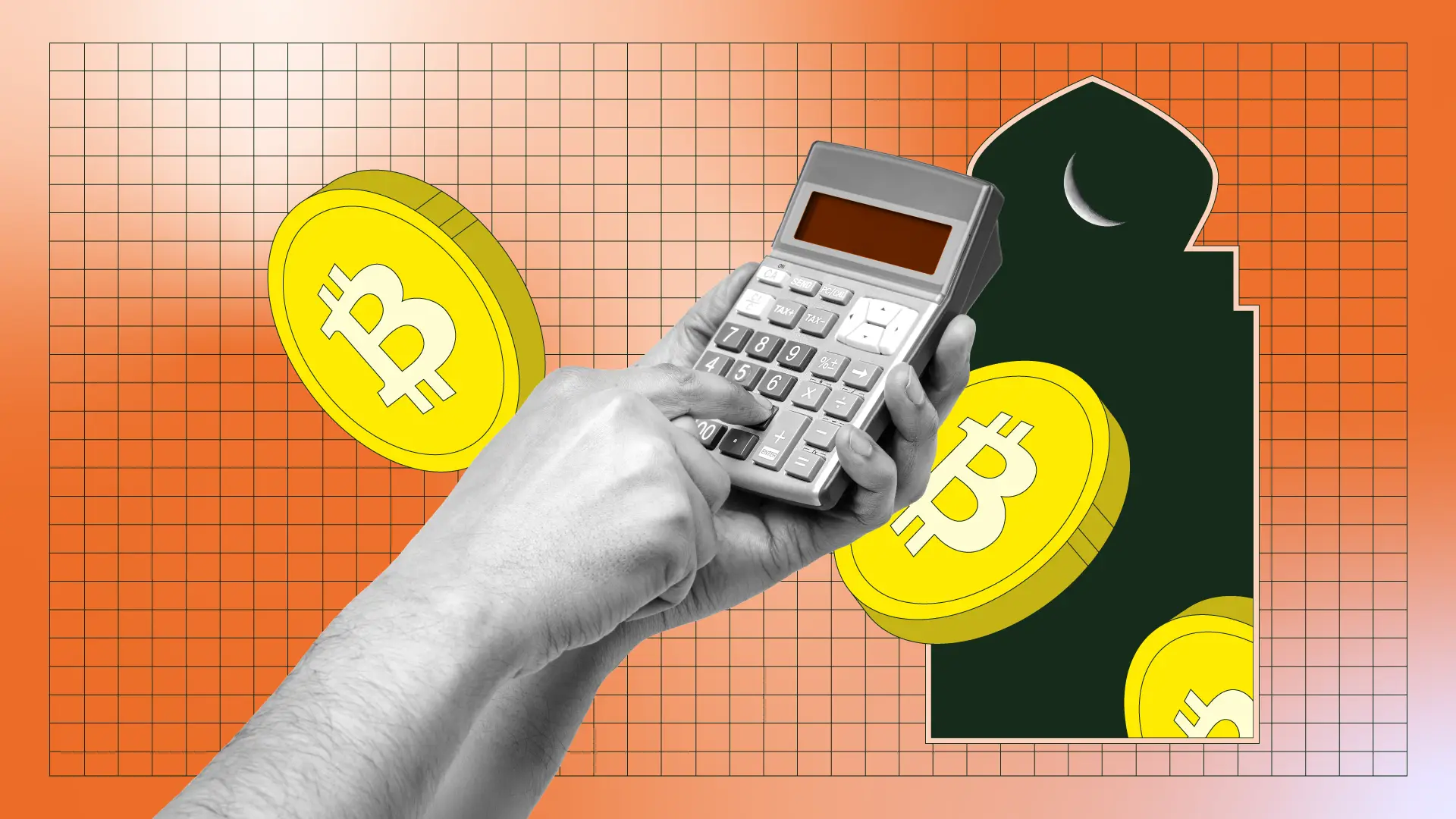
Ramadan 2026: Should You Pay Zakat on Your Crypto Wealth?
Crypto is generally treated as zakatable wealth. Zakat on crypto is usually calculated at 2.5%. You must total your holdings across wallets and exchanges. As … 🔗 Source 💡 DMK Insight Crypto traders need to pay attention to the implications of zakat on their holdings, especially as regulations around digital assets tighten globally. With zakat typically calculated at 2.5%, this could impact liquidity and trading strategies, particularly for those holding significant amounts of crypto. If traders are required to account for zakat, they might adjust their portfolios, potentially leading to increased selling pressure as the zakat deadline approaches. This could create volatility in the market, especially for assets that are already experiencing fluctuations. Moreover, the broader context of regulatory scrutiny on cryptocurrencies means that compliance with zakat could become a focal point for institutional investors as well. If major players start to factor zakat into their financial strategies, we could see a shift in how crypto is perceived as an investment vehicle. Traders should keep an eye on key dates related to zakat obligations and monitor how this affects market sentiment and price movements in the coming weeks. 📮 Takeaway Watch for potential selling pressure in crypto markets as zakat obligations approach, particularly for assets with high holdings among traders.

Bitcoin miners chase 30 GW AI capacity to offset hashprice pressure
Public Bitcoin miners are developing 30 gigawatts of AI-focused power capacity, nearly triple current levels, as post-halving margin pressure reshapes the industry. 🔗 Source 💡 DMK Insight Bitcoin miners are ramping up AI-focused power capacity, and here’s why that matters: The push for 30 gigawatts of AI power, nearly triple current levels, signals a significant shift in mining strategy. As the Bitcoin halving approaches, miners are feeling the squeeze on margins, prompting them to diversify into AI to enhance profitability. This could lead to increased operational efficiencies and potentially lower costs per mined Bitcoin, which might stabilize or even boost prices in the long run. However, this trend also raises questions about the sustainability of such rapid expansion. If energy prices rise or regulatory pressures increase, these ambitious plans could backfire. Traders should keep an eye on energy costs and regulatory developments, as they could impact miners’ profitability and, by extension, Bitcoin’s price. Watch for Bitcoin’s price action around key technical levels, especially if it approaches previous resistance points. The next few months will be crucial as miners adapt to these changes and the market reacts accordingly. 📮 Takeaway Monitor Bitcoin’s price around key resistance levels as miners expand AI capacity; energy costs and regulations could significantly impact profitability.

Bitcoin price forecast sees new breakdown as crypto liquidates over $200M
Bitcoin fed into “extreme bearish sentiment” as a tight BTC price range fueled daily crypto liquidations of over $200 million. 🔗 Source 💡 DMK Insight Bitcoin’s stuck in a tight range at $66,979, and traders are feeling the pressure. With over $200 million in daily liquidations, this extreme bearish sentiment could signal a breakdown. If BTC can’t hold above key support levels, we might see a cascade of selling. Look for resistance around $68,000; a break above could shift sentiment. But if it dips below $65,000, expect panic selling and further liquidations. This isn’t just about Bitcoin—altcoins often follow suit in these scenarios, amplifying the volatility. Keep an eye on the funding rates and open interest; they can provide clues about market sentiment and potential reversals. Here’s the thing: while the bearish outlook is prevalent, it could also set the stage for a rebound if the market finds a floor. Watch for signs of accumulation or a sudden spike in buying volume, which could indicate a shift in sentiment. 📮 Takeaway Monitor Bitcoin closely; a drop below $65,000 could trigger more liquidations, while a rise above $68,000 might signal a bullish reversal.