
 Bitcoin
  Ethereum
  Tether
  BNB
BNB  XRP
XRP  USDC
USDC  Solana
  TRON
TRON  Lido Staked Ether
  Figure Heloc
 📰 DMK AI Summary The US Senate is currently debating the CLARITY Act, a bill aimed at providing a regulatory framework for the crypto industry. Originally introduced in the House of Representatives by French Hill, the bill has faced delays and disagreements in the Senate, particularly regarding issues like stablecoin yields and regulatory oversight. Despite bipartisan support, various industry stakeholders and lawmakers are at odds with certain provisions of the bill. 💬 DMK Insight The CLARITY Act’s progress in the Senate is crucial for the crypto industry, as it aims to establish clear regulations while fostering innovation. However, disagreements over key aspects of the bill, such as stablecoin yields and agency oversight, have led to delays and uncertainty. The outcome of this legislation could have significant implications for market participants, shaping the future landscape of the crypto industry. 📊 Market Content The ongoing debates surrounding the CLARITY Act reflect broader trends in regulatory developments within the crypto market. Uncertainty regarding regulations can impact investor sentiment and market dynamics, highlighting the importance of establishing a clear and balanced framework for the industry. Traders and investors are closely monitoring these developments, as regulatory clarity could potentially drive market stability and growth in the long term.

Kraken Backs 'Trump Accounts' for Wyoming Newborns
The move reflects a broader effort by crypto firms to lock in regulatory goodwill through long-term political and geographic alignment. 🔗 Source 💡 DMK Insight Crypto firms are strategically aligning themselves with regulators, and here’s why that matters: this isn’t just about compliance; it’s about shaping the future of the market. By securing regulatory goodwill, these companies are positioning themselves to thrive in an environment that could become increasingly hostile to non-compliant players. This long-term strategy could lead to a more stable market, attracting institutional investors who have been hesitant due to regulatory uncertainty. Look at the broader context: as governments worldwide ramp up scrutiny on crypto, firms that proactively engage with regulators may gain a competitive edge. This could also influence trading strategies; for instance, traders might want to consider positions in firms that are leading this charge, as they could see less volatility and more sustained growth. Conversely, firms that resist regulatory engagement may face increased risks, potentially leading to sharp sell-offs. In the coming weeks, keep an eye on any announcements from these firms regarding regulatory partnerships or compliance initiatives. These could serve as key indicators of market sentiment and future price movements. 📮 Takeaway Watch for announcements from crypto firms about regulatory partnerships; they could signal stability and attract institutional investment, impacting market dynamics.

Steak 'n Shake Says Bitcoin Has Lifted Sales 'Dramatically' in 9 Months
The fast-food chain says bitcoin payments have boosted sales, as it channels crypto receipts into a growing corporate reserve. 🔗 Source 💡 DMK Insight Bitcoin payments are driving sales growth for this fast-food chain, and here’s why that matters: As more businesses adopt crypto payments, it signals a shift in consumer behavior that traders need to watch. This could lead to increased demand for Bitcoin, pushing its price higher. If the trend continues, we might see other companies following suit, which could create a ripple effect across the crypto market. Keep an eye on Bitcoin’s price action—if it breaks key resistance levels, it could attract more institutional interest. On the flip side, if Bitcoin’s volatility spikes, it could deter some businesses from adopting it, creating a short-term dip in enthusiasm. For traders, monitoring Bitcoin’s performance in relation to corporate adoption news is crucial. Watch for any announcements from other major brands considering crypto payments, as that could further influence Bitcoin’s trajectory. Also, keep an eye on the daily trading volume; a significant increase could indicate growing investor confidence in Bitcoin as a payment method. 📮 Takeaway Watch Bitcoin’s price action closely; a break above key resistance levels could signal increased institutional interest and further corporate adoption.

Ireland's Data Watchdog Joins Global Regulators Probing X Over AI Image Risks
The probe will examine Grok’s AI image processing for lawful use, built-in safeguards, and impact assessments. 🔗 Source 💡 DMK Insight Grok’s AI image processing probe could shake up the tech landscape, and here’s why that matters: as regulatory scrutiny increases, companies in the AI sector might face tighter compliance costs and operational hurdles. This could lead to a slowdown in innovation and affect stock prices across the tech sector, especially for firms heavily invested in AI technologies. Traders should keep an eye on how Grok’s findings influence market sentiment and regulatory frameworks, as this could set a precedent for future AI-related probes. Moreover, if Grok faces significant penalties or operational changes, it might trigger a broader sell-off in tech stocks, particularly those with similar AI capabilities. Look for key price levels in major tech indices, as a dip below recent support could signal a shift in market sentiment. On the flip side, if Grok navigates the probe successfully, it could bolster confidence in AI investments, potentially leading to a rebound in related stocks. Watch for any announcements or updates from Grok that could impact trading strategies in the tech sector. 📮 Takeaway Monitor Grok’s probe outcomes closely; a negative result could trigger a sell-off in tech stocks, especially those in AI, while a positive outcome might boost investor confidence.

Gold stays rangebound amid Chinese holiday and lack of catalysts. What's next?
FUNDAMENTAL OVERVIEWGold found some support from the benign US CPI report on Friday where headline inflation eased slightly, while the core measure remained unchanged. We saw a small dovish repricing although the data didn’t change anything in the bigger picture. Yesterday, gold dropped again and eventually erased all the post-CPI gains. There was no catalyst for the move, with analysts blaming thinner liquidity amid holidays in Asia. Overall, the outlook for gold remains neutral to bearish at the moment amid improving US labour market conditions that could trigger a more hawkish repricing if the data keeps surprising to the upside. The latest BofA Fund Manager Survey also noted that “long gold” was the most crowded trade, which shouldn’t be surprising given the parabolic surge in 2025. Crowded markets have high risks of aggressive reversals as we’ve seen at the end of January when gold dropped by more than 20% in just three days. This week, in terms of economic data, the focus will be on the US Jobless Claims on Thursday and the US Flash PMIs on Friday. Barring big surprises, the main risk event might eventually be the potential US Supreme Court decision on Trump’s tariffs on Friday. In fact, if the Supreme Court were to rule against the tariffs, gold could experience another big selloff on positive growth expectations and easing stagflation risks.GOLD TECHNICAL ANALYSIS – DAILY TIMEFRAMEOn the daily chart, we can see that gold is still consolidating right in the middle of the all-time high and the major trendline. From a risk management perspective, the buyers will have a better risk to reward setup around the trendline to target new all-time highs, while the sellers will look for a break lower to extend the drop into the 4000 level next.GOLD TECHNICAL ANALYSIS – 4 HOUR TIMEFRAMEOn the 4 hour chart, we can see that the price continues to get rejected from the strong resistance around the 5100 level. The price today bounced near the recent low at 4880 that will now act as minor support. If the bounce extends to the resistance, we can expect the sellers to step in there with a defined risk above the resistance to keep pushing into new lows. The buyers, on the other hand, will look for a break higher to open the door for a rally into the all-time highs. If the price breaks below the 4880 low, we can expect the sellers to increase the bearish bets into the 4656 level next.GOLD TECHNICAL ANALYSIS – 1 HOUR TIMEFRAMEOn the 1 hour chart, we have a minor downward trendline defining the bearish momentum on this timeframe. We can expect the sellers to lean on the trendline with a defined risk above it to keep pushing into new lows, while the buyers will look for a break higher to increase the bullish bets into the 5100 resistance. The red lines define the average daily range for today. UPCOMING CATALYSTSTomorrow we have the FOMC Meeting Minutes. On Thursday, we get the latest US Jobless Claims figures. On Friday, we conclude the week with the US Q4 GDP, the US PCE price index for December, the US Flash PMIs and a potential US Supreme Court decision on Trump’s tariffs. This article was written by Giuseppe Dellamotta at investinglive.com. 🔗 Source 💡 DMK Insight Gold’s recent drop post-CPI highlights a critical moment for traders: inflation data isn’t moving the needle as expected. The benign US CPI report, while showing a slight easing in headline inflation, failed to shift the market’s long-term outlook. Traders had hoped for a dovish repricing, but gold’s inability to hold onto gains suggests a lack of conviction in the bullish narrative. This could indicate that market participants are still wary of the Federal Reserve’s stance on interest rates, especially with core inflation remaining unchanged. For day traders, this volatility presents opportunities, but it also raises the stakes—watch for key support levels around recent lows to gauge if a further sell-off is imminent. On the flip side, if gold manages to reclaim its footing above these levels, it could signal a potential reversal. Keep an eye on the $1,900 mark as a psychological barrier; breaking above it could reignite bullish sentiment. In the meantime, monitor broader economic indicators and Fed commentary for clues on future price movements. 📮 Takeaway Watch for gold’s performance around the $1,900 level; a break above could signal a bullish reversal, while failure to hold could lead to further declines.

When will crypto’s CLARITY Act framework pass in the US Senate?
The CLARITY Act moved quickly through the House of Representatives since it was introduced in June 2025 but has been plagued with delays in the Senate. 🔗 Source 💡 DMK Insight The delays in the Senate for the CLARITY Act are raising eyebrows, and here’s why that matters: uncertainty in regulatory frameworks can lead to volatility in crypto and forex markets. Traders are already feeling the pressure as the act’s potential implications for digital asset regulation remain unclear. This could impact trading strategies, especially for those holding positions in cryptocurrencies that are sensitive to regulatory news. If the Senate continues to stall, we might see a dip in investor confidence, leading to increased selling pressure in the short term. Watch for key technical levels in major cryptocurrencies; a break below recent support could trigger further declines. On the flip side, if the act passes, it could provide a much-needed framework that stabilizes the market, attracting institutional investors back into the fold. Keep an eye on the Senate’s schedule and any statements from key lawmakers, as these could serve as catalysts for market movement. 📮 Takeaway Monitor the Senate’s progress on the CLARITY Act; delays could trigger volatility in crypto markets, especially if key support levels are breached.

Hong Kong regulator adds Victory Fintech to list of approved trading platforms
The addition is the first crypto company to be licensed by the Securities and Futures Commission since June 2025, when the regulator approved Hong Kong BGE. 🔗 Source 💡 DMK Insight So Hong Kong just licensed its first crypto company since June 2025, and here’s why that matters: this move could signal a shift in regulatory sentiment that traders need to watch closely. With the Securities and Futures Commission opening the door again, it might encourage more institutional interest in the crypto space, especially as global markets are still grappling with regulatory uncertainty. This could lead to a ripple effect, potentially boosting related assets like Bitcoin and Ethereum as confidence grows. Traders should keep an eye on how this affects trading volumes and market sentiment over the next few weeks. If we see a significant uptick in institutional participation, it could push prices higher and break key resistance levels. On the flip side, if this licensing doesn’t translate into real trading activity, we could see a quick pullback as traders reassess their positions. Watch for any announcements from other crypto firms looking to enter the Hong Kong market, as this could further influence market dynamics and trading strategies. 📮 Takeaway Keep an eye on institutional interest in crypto following Hong Kong’s licensing move; monitor Bitcoin and Ethereum for potential price shifts.

Germany‘s central bank president touts stablecoin and CBDC benefits for EU
Joachim Nagel said euro-pegged stablecoins would offer the bloc more independence from US dollar-pegged coins soon to be allowed under the GENIUS Act. 🔗 Source 💡 DMK Insight Nagel’s push for euro-pegged stablecoins is a game changer for European traders. With the impending approval of US dollar-pegged coins under the GENIUS Act, the eurozone’s move towards its own stablecoins could significantly alter the trading dynamics. Traders should be aware that this shift may enhance liquidity in euro-denominated assets and reduce dependency on USD, which has been a dominant force in crypto markets. If euro-pegged stablecoins gain traction, we could see increased volatility in dollar-pegged assets as traders adjust their strategies to capitalize on the new options. Keep an eye on regulatory developments and market sentiment around these stablecoins, as they could create new trading opportunities or risks. The real story here is how this could impact cross-border transactions and forex trading. If euro-pegged stablecoins become widely accepted, they might lead to a decline in USD transactions, affecting forex pairs involving the euro. Watch for any announcements regarding pilot programs or partnerships that could signal the launch of these stablecoins, as they may provide early indicators of market acceptance and potential price movements. 📮 Takeaway Monitor developments around euro-pegged stablecoins, as they could reshape trading strategies and impact USD-denominated assets significantly.

investingLive Americas market news wrap: US holiday keeps a lid on markets
Canada January housing starts 238.0K vs 257.5K expectedCanada December manufacturing sales +0.6% vs +0.5% expectedThe EU and a 12-nation Indo-Pacific bloc are opening talksFour charts that highlight the worries that are driving markets right nowThe Pentagon is close to cutting ties with Anthropic and may label the AI company a supply chain risk after becoming frustrated with restrictions on how it can use the technology – BBGMarkets:Gold down $51 to $4990WTI crude oil up 84-cents to $63.73US bonds and stocks closedS&P 500 futures up 0.1%AUD leads, JPY lagsThe US and much of Canada was on a holiday. It was also the start of the lunar new year in much of Asia so that predictably kept a lid on markets. The moves across assets were limited but there was a persistent modest bid in the US dollar.The euro slowly slid to 1.1845 from 1.1860 before bouncing halfway back. USD/CAD also 20 pips to 1.3635.In energy markets, the tone on the US-Iran situation was positive late last week and into the weekend but the market can’t shake the feeling that something is coming, especially after a report that more F-35 jets have been dispatched to the Middle East. Crude steadily climbed to $63.75 from $62.75.Gold was lower on the day but the damage was done in Asia and it was a sideways trade in the US. The post-Lunar New Year period is classic end to the long seasonal tailwind from Nov-Feb so keep it on your radar for the next two weeks.US stock futures had been positive earlier but then gave it all back before finishing flat. It was tough to get excited about it with the market closed but I’m sure Tuesday will be more lively. This article was written by Adam Button at investinglive.com. 🔗 Source 💡 DMK Insight With ADA at $0.28, the market’s reaction to macroeconomic data is crucial right now. Canada’s housing starts falling short of expectations could signal a slowdown in economic activity, which often leads to risk-off sentiment. This environment might push traders to seek refuge in stable assets, potentially impacting ADA and other cryptocurrencies negatively. Additionally, the EU’s discussions with the Indo-Pacific bloc could influence global trade dynamics, affecting investor sentiment across markets. Keep an eye on ADA’s support levels; a breach below $0.25 could trigger further selling pressure. Conversely, if it holds above $0.30, it might attract buyers looking for a rebound. The real story here is how these economic indicators could ripple through crypto markets. If the broader market reacts negatively, ADA could face headwinds despite its current price. Watch for volatility in the coming days as traders digest these developments and adjust their positions accordingly. 📮 Takeaway Monitor ADA closely; a drop below $0.25 could signal further declines, while holding above $0.30 may indicate a potential rebound.
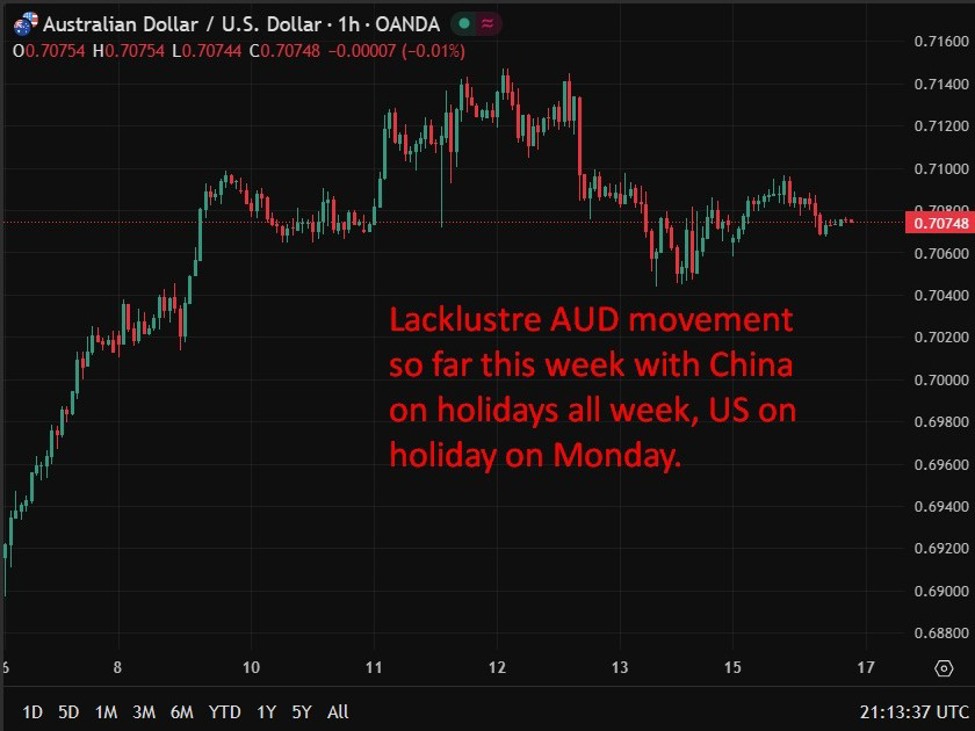
RBA February minutes to detail case for rate hike, set to reinforce tightening bias
The RBA’s February minutes are expected to reinforce the case for its return to tightening, highlighting persistent inflation, firm demand and ongoing capacity pressures, without signalling any major shift from the guidance already provided.Summary:RBA to publish minutes from February meeting that lifted the cash rate to 3.85%.Due at 11.30am Sydney time, which is 0030 GMT / 1930 US Eastern time. Hike was widely expected after inflation moved back above the 2–3% target band.Minutes unlikely to contain major surprises after extensive commentary from Governor Michele Bullock.Focus will be on language around persistence of inflation, demand strength and capacity pressures.Tone may reinforce that further tightening remains possible if inflation fails to moderate.The rationale behind the Reserve Bank of Australia’s first rate increase in more than two years will be laid out in detail when the minutes of the February monetary policy meeting are released.At that meeting, the board lifted the official cash rate by 25 basis points to 3.85%, marking the first hike since November 2023. The move followed a renewed lift in inflation, which pushed price growth back above the Bank’s 2–3% target range and signalled that disinflation had stalled.Markets were not caught off guard. The rate rise had been broadly anticipated after data through late 2025 showed inflation pressures picking up and proving more persistent than previously expected. Since the decision, Governor Michele Bullock has addressed the reasoning behind the move at a press conference and in parliamentary testimony, meaning the minutes are unlikely to deliver dramatic new revelations.Instead, the focus will be on nuance. Investors will scrutinise how strongly the board emphasised demand strength, labour market tightness and broader capacity constraints in the economy. Previous communication indicated that private demand had been running ahead of earlier forecasts and that supply capacity remained limited, adding to price pressures.The board has also flagged that inflation accelerated in the second half of 2025 and may remain elevated through 2026. While some of the rise has been attributed to temporary influences, policymakers have acknowledged that underlying momentum in consumer spending and business investment surprised to the upside.The minutes may reinforce that policy remains data dependent but retains a tightening bias. If demand growth outpaces supply and inflation fails to ease convincingly, further rate increases remain a live possibility. This article was written by Eamonn Sheridan at investinglive.com. 🔗 Source 💡 DMK Insight The RBA’s February minutes are crucial for traders as they signal a continued tightening cycle amidst persistent inflation pressures. With the cash rate already at 3.85%, the emphasis on firm demand and capacity constraints suggests that the RBA isn’t backing down from its hawkish stance. This could lead to further rate hikes, impacting the Australian dollar and related forex pairs. Traders should keep an eye on how these minutes align with market expectations; any surprises could trigger volatility. If the RBA hints at more aggressive tightening, we might see the AUD strengthen against currencies like the USD, especially if U.S. economic data falters. Conversely, if the minutes appear more dovish than anticipated, it could lead to a quick sell-off in the AUD. Watch for the reaction in the forex markets immediately after the minutes are released. Key levels to monitor include the AUD/USD pair, which could test recent highs or lows based on the tone of the minutes. Also, keep an eye on inflation indicators in the coming weeks, as they will likely influence the RBA’s future decisions. 📮 Takeaway Monitor the RBA’s February minutes at 11:30am Sydney; any hawkish signals could strengthen the AUD against the USD significantly.