
 Bitcoin
  Ethereum
  Tether
  XRP
XRP  BNB
BNB  USDC
USDC  Solana
  TRON
TRON  Lido Staked Ether
  Figure Heloc
As a reminder, this isn’t the first time that Japan has explored the potential to get rare earth minerals supply outside of China. In fact, the whole Lynas plant setup in Malaysia was also a direct result of political altercation between Japan and China over a decade ago. So, here we are again. Well, sort of.Japan’s government is now said to be exploring test mining of rare-earth-rich mud from the deep seabed off Minamitori Island. The test will be conducted from 11 January to 14 February and will mark the world’s first attempt to continuously lift rare-earth mud from a depth of around 6,000 meters on to a vessel.According to the program director, the aim is to lift 350 metric tons of rare-earth mud per day. All the while, they will be monitoring the potential environmental impact both onboard and on the seabed throughout the operation.As things stand, there is no production target that has been set. But if the project is a success, full-scale mining trial could begin in February 2027.As a reminder, Japan’s efforts here are part and parcel to keep diversifying on rare earth minerals supply. And the big issue is not so much seeking the supply but rather the processing capabilities. And this is where the corridor with Australia that enabled the building of the Lynas plant in Malaysia – the largest rare earth processing facility outside of China – might come in.Yes, that’s the one that also saw China kick up a fuss when Trump came to visit.But this time, China could be more directly involved in the matter. During the period earlier this year when Japan was conducting rare earth surveys within its exclusive economic zone (EEZ) around Minamitori Island, a Chinese naval fleet was reported to have entered the waters. A warning sign perhaps?And even if not that, one can guarantee that Beijing won’t be happy with the whole ordeal – especially to any country that looks to reduce their ace card of using rare earth minerals supply as part of geopolitical leverage. This article was written by Justin Low at investinglive.com. 🔗 Source 💡 DMK Insight Japan’s renewed focus on securing rare earth minerals outside of China is a significant move for traders. This isn’t just about resource acquisition; it’s a strategic pivot that could impact global supply chains and pricing dynamics. With geopolitical tensions rising, Japan’s efforts to diversify its sources could lead to increased volatility in related markets, particularly in commodities like lithium and cobalt, which are essential for tech and green energy sectors. Traders should keep an eye on how this affects the prices of rare earths and associated stocks. If Japan successfully establishes alternative supply lines, we might see a shift in market sentiment that could favor companies involved in mining and processing these minerals. Watch for any announcements or developments from Japan that could signal a commitment to this strategy, as they could create trading opportunities. Additionally, monitor the performance of ETFs focused on rare earths and related sectors for potential investment plays. 📮 Takeaway Watch for Japan’s announcements on rare earth supply strategies; they could signal shifts in commodity prices and trading opportunities in related sectors.
SMX’s 1900% Surge Is Driven by Transformative, Deliverable Technology
Markets love simple explanations. A chart goes vertical and the default diagnosis follows. Momentum. Retail frenzy. Speculation. Something viral on social media. That framing completely misses what happened with SMX (NASDAQ: SMX).Since November, SMX has moved more than 1,900% higher to its current $116 at the close on Tuesday. That kind of number usually invites lazy comparisons to meme stocks or short-lived squeezes. But this move did not behave like a narrative bubble. It behaved like a repricing event. The kind that occurs when markets suddenly realize they misunderstood the underlying structure.Forex traders see this pattern more often than equity investors do. When plumbing changes, price adjusts violently. When settlement mechanics shift, when supply tightens unexpectedly, when certainty replaces assumption, markets do not glide. They snap. SMX did not rally because traders discovered a story. It rallied because the market finally discovered what it actually was.When Price Moves Before Consensus Catches UpIn FX, the most important moves often occur before the headlines make sense. A central bank shifts tone. Liquidity thins. A technical level breaks because something underneath changed, not because a narrative demanded it. SMX fits that pattern with uncomfortable precision.For years, global supply chains operated on declarations. Materials were assumed to be what the paperwork said they were. Regulators tolerated this because there was no scalable alternative, and markets priced that assumption in as a constant. That constant broke.SMX built a system that assigns identity at the material level. Not at the document level. Not at the company level. At the material itself. Once that capability exists, everything downstream changes. Compliance stops being a promise. Verification becomes provable. Markets are extremely efficient at repricing certainty, and they are brutal when it appears suddenly. This was not a slow recognition trade. It was a realization trade.Why This Looked Like a Microcap and Traded Like InfrastructureMicrocaps typically trade on hope. Infrastructure trades on necessity. SMX lived in the wrong bucket for a long time, treated as an early-stage concept when it actually represented a missing layer in global trade. Identity and verification at scale.When that realization hit, the float math mattered immediately. The float was not built for discovery. It was built for obscurity. When institutional and retail capital collided with constrained supply, price had only one direction to go.Forex traders understand this intuitively. When liquidity disappears and demand persists, price does not negotiate. This is why the move did not fade after the first surge. It reset. The market recalibrated around a different understanding of value rather than chasing a transient trade. That’s what set SMX stock soaring, touching $490 before gravity did its work.Identity Is the New Settlement LayerHere’s why the comparison makes sense. Currencies trade on trust. Settlement exists because counterparties agree on what is being exchanged. When trust erodes, spreads widen, and volatility rises. Physical supply chains have lived in a trust-based system for decades, relying on declarations instead of proof, audits instead of certainty.That model no longer works in a world of regulatory pressure, ESG mandates, and geopolitical fragmentation. SMX attacks that problem at the root by embedding identity directly into materials. Verification no longer relies on human reporting or third-party assurances. It becomes intrinsic.This is not an ESG story dressed up for capital markets. It is a settlement story. And settlement stories matter across every market, from FX to commodities to equities, because they determine what can be trusted at scale.The Plastic Cycle Token Is Not a Crypto TradeThis is where many observers lose the thread. SMX’s Plastic Cycle Token is not a speculative asset designed to attract momentum capital. It is a utility layer designed to monetize verification. It assigns economic value to proven circularity instead of promised sustainability.For crypto-native readers, this framework may feel familiar. For macro and FX traders, it should feel practical. Tokens here are not the point. Measurement is the point. Incentives follow measurement, not ideology.This is why SMX resonates beyond equities. It takes a concept that digital markets have discussed endlessly, transparency without trust, and applies it where it actually matters. In physical goods. In regulated environments. In systems that move trillions rather than narratives.Why the 1,900% Move Was RationalExtreme price moves feel irrational when viewed through the wrong lens. Viewed correctly, they often represent overdue repricing. SMX spent years building infrastructure before markets demanded it. When demand arrived, there was no gradual discovery process. There was a scramble.The market had to reconcile three realities at once. A technology that solved a real problem. A regulatory environment that suddenly required that solution. A float structure incapable of absorbing rapid interest. That combination does not produce linear charts.Forex desks see this dynamic when pegs break or when policy assumptions collapse. Equity markets see it less often, but when they do, it looks dramatic. This was not enthusiasm overwhelming reason. It was compression releasing.What This Signals Going ForwardThe most important takeaway is not how high SMX went, but why it moved at all. Markets are beginning to price verification as a necessity rather than a feature. Identity is becoming a prerequisite for participation in global trade. Systems that can provide it will not be valued like optional software tools.They will be valued like infrastructure.SMX crossed that threshold in the eyes of the market, and the price action followed. For traders who live in macro frameworks, this part is familiar. Structure always wins. Narratives chase price, not the other way around.SMX did not run because the market got excited. It ran because the market finally understood what it was looking at. This article was written by IL Contributors at investinglive.com. 🔗 Source 💡 DMK Insight SMX’s staggering 1,900% rise isn’t just retail hype—it’s a signal of deeper market dynamics at play. Traders should consider that such explosive movements often indicate underlying shifts in sentiment or institutional interest. With ETH currently at $2,966.16, the crypto market’s volatility could be influencing equities like SMX, especially if traders are reallocating funds between sectors. Watch for potential corrections; a pullback could test support levels

What Is Gold Trading – A Beginner’s Guide
Introduction: What Is Gold Trading?Gold trading involves buying and selling gold to earn money based on price changes in the market. This differs from simply owning gold in forms like jewelry or bars. When you trade gold, you can try to make money from short-term price movements or use gold to protect your investments against inflation and economic problems.Gold has long been regarded as a reliable asset. People often turn to gold when equity markets are unstable or when currencies are losing value. There are several methods to trade gold, such as:Spot gold: Buying and selling based on the current market price.Gold futures and options: Contracts that agree to buy or sell gold at a specific price in the future.Gold CFDs (Contracts for Difference): A way to speculate on gold prices without actually owning gold.Gold ETFs (Exchange-Traded Funds): Funds that track the price of gold and can be traded on market exchanges.Gold mining stocks: Shares in companies that mine for gold.Example: If you think the price of gold will go up because of global uncertainty, you might buy a gold CFD at $1,900 per ounce. If the price rises to $1,950, you can sell it for a profit.Gold trading is popular among both beginners and experienced traders because it combines the reliability of a valuable asset with the price fluctuations of modern markets.Why Gold Is Important in Financial MarketsGold has a special role in the global economy. It is valued not only for practical uses but also as a way to store wealth and protect against risk. Here are some reasons why gold is important:Safe-Haven Asset: When there are economic troubles or political issues, investors often buy gold because it tends to keep its value when other investments, like stocks, go down.Hedge Against Inflation: Gold helps protect your purchasing power during inflation. When inflation rises and money loses value, gold prices usually go up as investors look for stability.Central Bank Reserves: Many central banks around the world keep gold as part of their reserves, showing that it is a trusted store of value.Inverse Relationship with the US Dollar: Gold is priced in US dollars. When the dollar weakens, gold becomes cheaper for buyers in other countries, which can increase its demand and price.Diversification Tool: Including gold in your investment portfolio helps spread risk. It often behaves differently than equities and bonds.Example: During the 2008 financial crisis, gold prices went up as investors moved their money from risky financial markets to safer assets.Tip for beginners: Remember that while gold is a safe investment in the long run, its price can still change quickly due to news events, central bank decisions, or changes in global demand.Ways to Trade GoldThere are several ways to trade gold, each with its own advantages and risks based on your goals and experience level.Physical GoldWhat it is: Buying gold bars, coins, or jewelry.Pros: It is a physical asset and a safe store of value.Cons: Issues with storage, insurance, and selling can make it less practical for active trading.Spot GoldWhat it is: Buying and selling gold at the current market price.Pros: It is a simple and widely accepted way to price gold.Cons: Typically used by large institutions rather than individual traders.Gold Futures and OptionsWhat it is: Contracts traded on exchanges that agree to buy or sell gold at a specific price in the future.Pros: They are very liquid and transparent, good for hedging or speculation.Cons: They can be complex and require careful risk management.Gold CFDs (Contracts for Difference)What it is: A way to speculate on gold prices without owning the gold itself.Pros: Offers flexible trading options and allows you to bet on price changes.Cons: Using leverage can increase both potential profits and risks.Gold ETFs (Exchange-Traded Funds)What it is: Funds that track the price of gold and are traded on stock exchanges.Pros: Easy to access through a stockbroker and no storage issues.Cons: They may have management fees and are not ideal for short-term trading on market exchanges.Gold Mining StocksWhat it is: Shares in companies that mine and produce gold.Pros: There is potential for higher returns due to company growth.Cons: They carry risks related to the company’s performance, not just gold prices.Example: For example, a trader may use gold CFDs for short-term trades, while a long-term investor may choose gold ETFs or physical gold.Why Trade Gold? (Advantages)Gold trading has several benefits that make it appealing for both beginners and experienced traders:Safe-Haven Appeal: Gold often increases in value during financial instability, helping protect against market declines and currency weaknesses.Portfolio Diversification: Including gold in your investments can lower overall risk because it often behaves differently than stocks and bonds.High Liquidity: Gold is one of the most traded assets globally, ensuring quick trades and tight price spreads.Volatility for Traders: While gold is stable over the long term, it can have significant short-term price changes, creating opportunities for traders.Multiple Trading Options: From physical gold to futures, ETFs, CFDs, and mining stocks, traders can choose the method that best suits their strategy and risk tolerance.Inflation Hedge: Gold usually retains its value over time, making it a popular way to protect against inflation.Example: When inflation is high or the US dollar is weak, gold often sees increased demand, which pushes its prices higher.Risks of Trading GoldEven though gold is considered a safe investment, trading it comes with risks that beginners should be aware of:Price Volatility: Gold prices can change quickly due to global events, central bank policies, or shifts in investor sentiment.Leverage Risk: In CFDs or futures trading, leverage can increase both potential profits and losses. A small price move against your position can lead to significant losses.Market Timing Challenges: While gold is a long-term investment, short-term trading requires precise timing. Misjudging when to buy or sell can lead to losses.Geopolitical and Economic Events: Unexpected events like wars or natural disasters can cause unpredictable price changes.Broker and Product Risk: Not all brokers or financial products are created equal. Using unregulated brokers or funds with high fees can reduce your returns.Opportunity Cost: Money invested in gold

Shiba Inu Coin price forms a failing wedge as burn rate jumps
Shiba Inu Coin price was flat on Monday, Dec. 22, and was hovering near its lowest level since October 2023. 🔗 Source 💡 DMK Insight Shiba Inu Coin’s stagnation near its October lows is raising eyebrows among traders. With the price flat on December 22, it signals a potential consolidation phase, which could either precede a breakout or further downside. Traders should be cautious; a sustained drop below these levels could trigger stop-loss orders and exacerbate selling pressure. On the flip side, if the coin manages to hold above this support, it might attract buyers looking for a bargain, especially with the holiday season often bringing speculative interest in meme coins. Keep an eye on social media sentiment and trading volumes for clues on potential shifts. For those considering positions, watch the $0.00001 level closely—if it breaks, it could lead to a cascade effect. Conversely, a bounce from here could signal a short-term buying opportunity, especially if volume picks up. Timing is key; monitor the next few days for any signs of volatility as traders adjust their positions heading into the new year. 📮 Takeaway Watch Shiba Inu Coin closely around the $0.00001 level; a break could lead to increased selling pressure, while a bounce may present a buying opportunity.

Which Crypto Will Everyone Be Talking About at Christmas Dinner — Invest or Pass?
Crypto investors head into Christmas amid one of the sharpest pullbacks of the current cycle. Last year’s bullish confidence has given way to caution, second-guessing, … 🔗 Source 💡 DMK Insight Crypto’s facing a serious pullback as we approach Christmas, and here’s why that’s crucial for traders: Last year’s bullish sentiment has flipped to caution, which could signal a significant shift in market dynamics. This pullback might be one of the sharpest we’ve seen in this cycle, indicating that traders are reassessing their positions. If you’re holding long positions, now’s the time to evaluate your risk management strategies. Watch for key support levels—if we break below them, it could trigger further selling pressure. On the flip side, this could also present a buying opportunity for those looking to enter at lower prices, especially if we see signs of stabilization. Keep an eye on the broader market context, including macroeconomic indicators and sentiment shifts. If Bitcoin or major altcoins start to show signs of recovery, that could indicate a potential reversal. For now, monitor the daily charts closely for any bullish divergence that might signal a bottoming out. The next few weeks will be pivotal, so stay sharp and ready to act. 📮 Takeaway Watch for key support levels in crypto; a break could lead to more selling, while signs of recovery might present buying opportunities.

PARITY Act Explained—House Lawmakers Propose New Crypto Tax Rules
House lawmakers have introduced the Digital Asset PARITY Act. The draft bill proposes amendments to how crypto is treated in the U.S. tax code. Proposals … 🔗 Source 💡 DMK Insight The Digital Asset PARITY Act could reshape crypto taxation, and here’s why that’s crucial for traders: If passed, this legislation might simplify the tax treatment of digital assets, potentially reducing the compliance burden for traders. Currently, the tax code treats crypto transactions as capital gains, which can complicate day-to-day trading. A more favorable tax structure could encourage increased trading activity, driving up demand and prices. Traders should keep an eye on how this bill progresses, as any significant changes could lead to volatility in the crypto markets. Moreover, if institutional players see a clearer path for investment, we could see a surge in institutional buying, impacting prices across the board, especially for major cryptocurrencies like Bitcoin and Ethereum. But don’t get too excited just yet—there’s always a chance this bill could face pushback or amendments that dilute its impact. Watch for key votes in Congress and any statements from influential lawmakers that might signal how the market should react. The next few weeks could be pivotal, so stay alert for updates. 📮 Takeaway Monitor the progress of the Digital Asset PARITY Act closely; any positive movement could trigger increased trading activity and price volatility in major cryptocurrencies.

Bitcoin Mining May Be Supporting the Ruble, Russia’s Top Banker Reveals
Russia’s central bank governor says Bitcoin mining has become an added support for the ruble. While difficult to quantify, officials acknowledge mining’s growing role in … 🔗 Source 💡 DMK Insight Russia’s central bank is hinting that Bitcoin mining is propping up the ruble, and here’s why that matters: This statement reflects a broader trend where countries with energy surpluses are leveraging crypto mining as a financial lifeline. For traders, this could indicate a potential shift in how national currencies interact with digital assets. If mining continues to gain traction in Russia, we might see increased volatility in both the ruble and Bitcoin, especially if geopolitical tensions escalate. Keep an eye on the ruble’s performance against major currencies; any significant fluctuations could signal a ripple effect across crypto markets. But don’t overlook the risks. If the Russian government decides to impose stricter regulations on mining, it could lead to a sudden drop in Bitcoin’s price. Traders should monitor Bitcoin’s support levels closely, particularly around recent lows, as a break below could trigger panic selling. Watch for any announcements from the central bank regarding mining regulations or economic policies, as these will be key indicators of future market movements. 📮 Takeaway Watch Bitcoin’s support levels closely; any regulatory changes in Russia could trigger significant price movements.
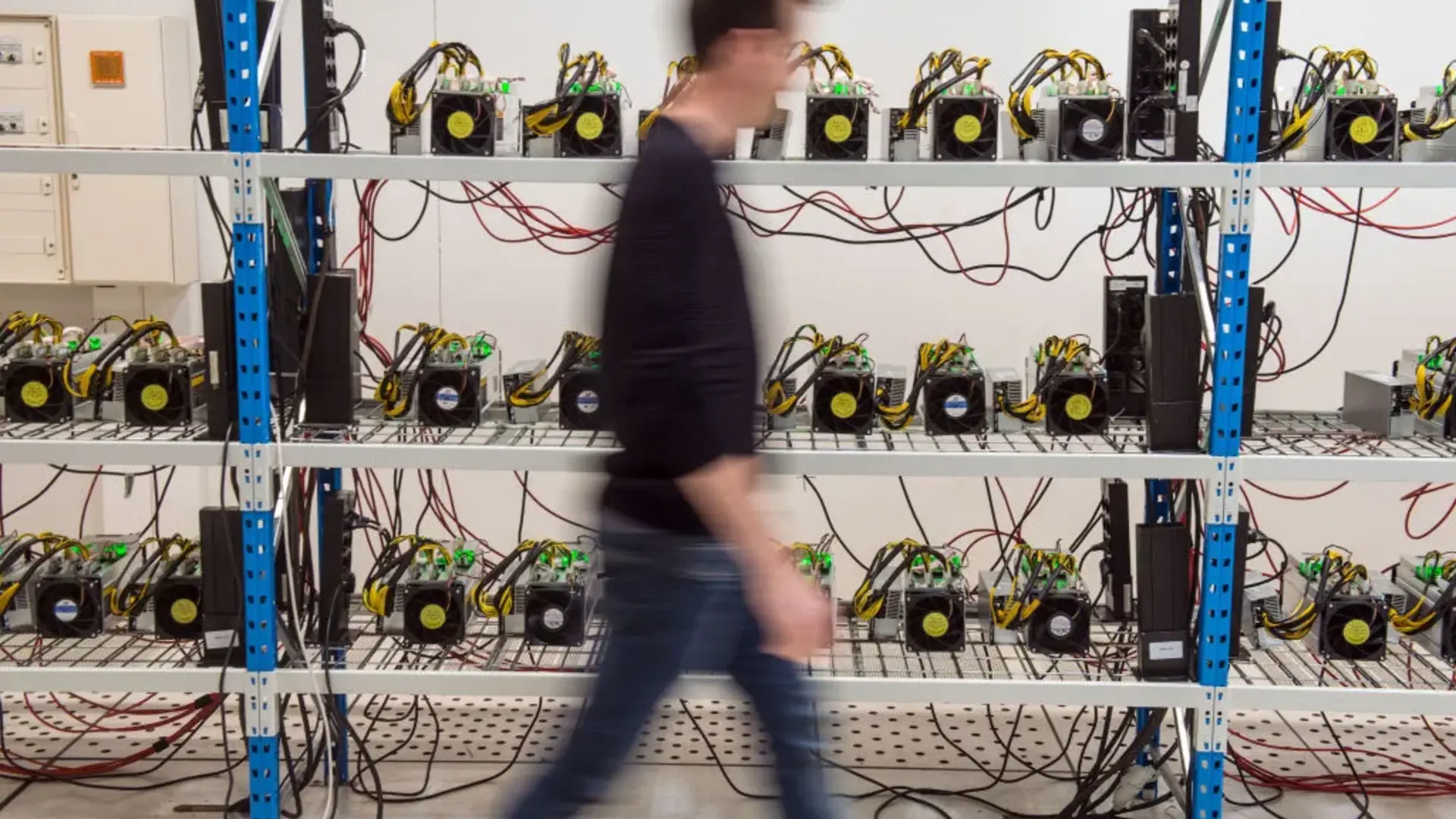
EU’s Largest Bitcoin Miner Northern Data Sold to Tether-run Companies, But There’s a Twist
The November sale of Peak Mining, the Bitcoin mining subsidiary of Northern Data, has raised concerns. The sale was made to three companies, two of … 🔗 Source 💡 DMK Insight The recent sale of Peak Mining by Northern Data has stirred unease among traders, and here’s why: it signals potential shifts in the Bitcoin mining sector that could affect market dynamics. With rising energy costs and regulatory scrutiny, the sale to three companies—two of which are not disclosed—could indicate a consolidation trend in the mining industry. This might lead to reduced competition and could impact Bitcoin’s supply dynamics in the long run. Traders should keep an eye on how this sale influences Bitcoin’s price action, particularly if it leads to a significant drop in mining output or if the new owners implement changes that affect operational efficiency. If Bitcoin’s hash rate declines, we might see upward pressure on prices due to supply constraints. Additionally, watch for any announcements from these companies regarding their mining strategies, as this could provide insights into future market movements. The broader context of energy prices and regulatory developments will also play a crucial role in shaping trader sentiment in the coming weeks. 📮 Takeaway Monitor Bitcoin’s price closely; any significant changes in mining output from Peak Mining’s sale could create volatility, especially if hash rates decline.
Aave Whale’s $37.6M Selloff Triggers 10% Price Drop Amid Governance Dispute
AAVE dropped 10% after a whale dumped 230,350 tokens. The selloff comes amid an ongoing governance dispute. Aave Labs is accused of attempting to force … 🔗 Source 💡 DMK Insight AAVE’s 10% drop following a whale’s selloff signals deeper issues at play. The recent dump of 230,350 tokens isn’t just a liquidity event; it’s a symptom of a governance dispute that’s shaking investor confidence. When a whale moves that much volume, it can trigger panic selling among retail traders, amplifying the price decline. This situation is compounded by the ongoing governance issues within Aave, which could lead to further instability if not resolved quickly. Traders should be wary of potential cascading effects, especially if this sentiment spreads to other DeFi assets. Keep an eye on AAVE’s support levels; if it breaks below a key threshold, it could signal further downside. On the flip side, this might present a buying opportunity for those who believe in Aave’s long-term fundamentals. However, the immediate risk is high, and volatility is expected as the market reacts to these developments. Watch for any updates on the governance dispute, as they could significantly influence price action in the coming days. 📮 Takeaway Monitor AAVE closely; if it breaks below its current support level, further downside could be imminent amid ongoing governance issues.
Crypto Investors Keep Pulling Billions as US Lawmakers Stall on CLARITY Act
Crypto investment products recorded nearly $1 billion in net outflows in the third week of December. Ethereum and Bitcoin products led the losses, while Solana … 🔗 Source 💡 DMK Insight Nearly $1 billion in net outflows from crypto investment products is a big red flag for traders right now. Ethereum and Bitcoin are taking the brunt of this, which could signal a shift in sentiment as investors pull back. This kind of outflow often indicates that traders are either locking in profits or cutting losses, and it raises questions about the sustainability of recent price rallies. For Ethereum, currently at $2,965.95, a breach below the $2,900 support level could trigger further selling pressure. On the flip side, Solana, priced at $124.86, might be viewed as a safer bet if it can maintain its current levels amidst the broader downturn. Keep an eye on the correlation between these outflows and market volatility; if this trend continues, we could see cascading effects across altcoins as well. Watch for any reversal patterns or bullish signals in the coming days, especially around key support levels. If Ethereum can hold above $2,900, it might attract buyers looking for a dip, but if it breaks down, expect more panic selling. 📮 Takeaway Monitor Ethereum’s support at $2,900; a break could lead to increased selling pressure across the market.