
 Bitcoin
  Ethereum
  Tether
  XRP
XRP  BNB
BNB  USDC
USDC  Solana
  TRON
TRON  Lido Staked Ether
  Figure Heloc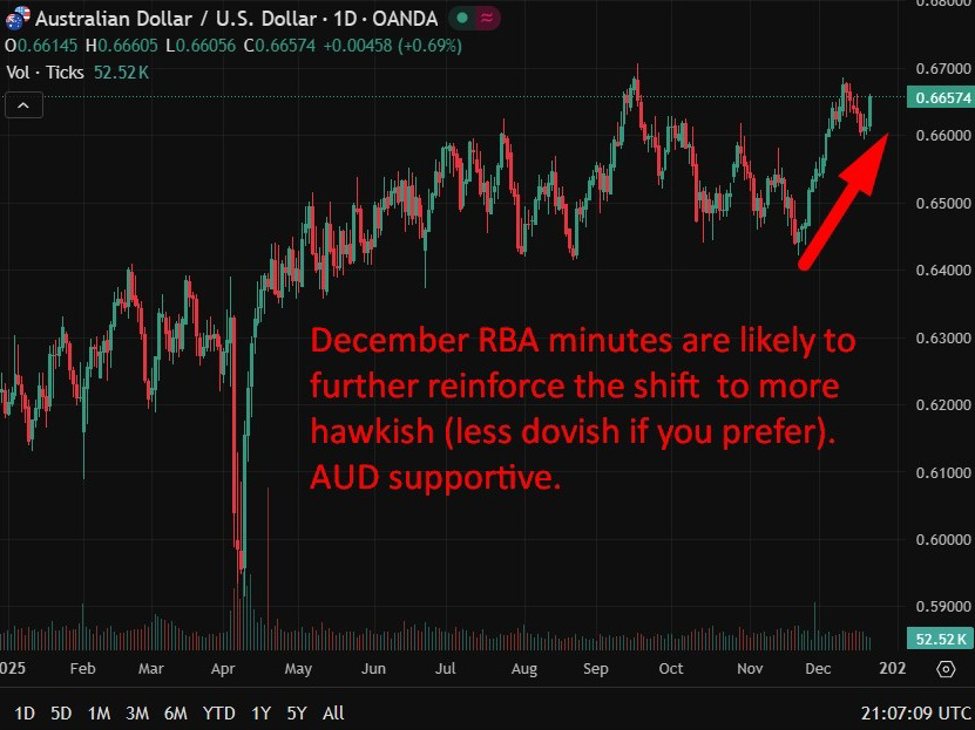
The economic and event calendar in Asia today, Tuesday, December 23, 2025, is nearly empty. We do get RBA December meeting minutes and that’s about it. Due at 0030 GMT / 1930 US Eastern time I’ve posted a preview of what seems likely from these below. Summary:The Reserve Bank of Australia minutes are likely to reinforce that the easing phase is over, with policy now in an extended pause rather than moving toward rate cuts.The Board is expected to emphasise growing discomfort with inflation, noting signs of a broader-based pick-up and upside risks despite caution around the new monthly CPI series.Stronger-than-expected private demand, renewed housing momentum and still-tight labour-market conditions are likely to be framed as sources of ongoing inflation pressure.Governor Michele Bullock’s press conference comments suggest the minutes will show rate hikes were not actively considered in December, but scenarios for further tightening were discussed.Markets will be alert for language signalling that if inflation fails to slow convincingly, renewed tightening could come back onto the agenda as early as the February meeting.RBA minutes preview: what the December record is likely to showWhen the Reserve Bank of Australia releases the minutes of its December meeting later today, markets will be looking to gauge just how close the Board is to re-opening the door to tighter policy, even as rates were left unchanged.At the meeting, the Reserve Bank of Australia held the cash rate at 3.60%, but the accompanying statement and Governor Michele Bullock’s press conference struck a noticeably firmer tone than in recent months. The minutes are therefore likely to reinforce the idea that the easing cycle has ended for now, and that policy is now in a holding pattern with a tightening bias rather than an easing one.What the minutes are most likely to emphasiseThe minutes are expected to show a detailed discussion around inflation risks, with the Board acknowledging that while inflation has fallen substantially from its 2022 peak, recent data point to a renewed and potentially broader-based pick-up. Members are likely to reiterate caution around interpreting the new monthly CPI series, but also to note that some of the recent strength may prove persistent and therefore warrants close monitoring.On activity, the minutes should underline that momentum in private demand has been stronger than anticipated, supported by both consumption and investment, alongside renewed strength in housing activity and prices. This backdrop, combined with easier financial conditions earlier in the year and policy lags still flowing through, is likely to be framed as a source of upside risk to inflation rather than reassurance.Labour-market discussion in the minutes is likely to echo the statement’s message: conditions have eased modestly, but remain “a little tight”. Expect emphasis on low underutilisation, elevated capacity-utilisation measures and continued labour shortages reported by firms, alongside unease about still-strong unit labour cost growth.How Bullock’s press conference may shape the recordGovernor Bullock’s remarks from her press conference that followed the statement on the day suggest the minutes will confirm that the Board did not actively consider a rate hike at the December meeting, but did discuss the circumstances under which further tightening might be required. Her repeated emphasis on meeting-by-meeting decision-making, caution around reacting to single data points, and a clear focus on upcoming inflation and labour-market data is likely to be reflected in the minutes.Importantly, the record is also expected to show that rate cuts were not part of the discussion, with the balance of risks judged to have shifted toward the upside.Market lensFor markets, the key risk is that the minutes read as more uncomfortable with inflation than the statement alone implied, reinforcing the idea of an extended pause with a live tightening option should inflation fail to slow convincingly into early 2025.Bonus! What economists are sayingFollowing the December meeting, several major banks updated their outlooks for RBA policy. Forecasts from Citi, Citi forecasts 2 RBA rate hikes in 2026, February followed by May, as inflation risks riseNAB, NAB sees RBA hiking twice in 2026, clashing with market expectations for extended holdCBA, CBA sees February RBA rate hike as growth runs hot. Citi & NAB also expect February hike.are for rate hikes soon. The forecast from Westpac, Westpac sees RBA holding firm through 2026 as inflation risks linger. Cuts seen in 2027. broadly converges on the view that the easing phase is over for now, but does not project renewed tightening. This article was written by Eamonn Sheridan at investinglive.com. 🔗 Source 💡 DMK Insight With the RBA meeting minutes dropping today, traders should brace for potential volatility in AUD pairs. The lack of significant economic data across Asia means that market focus will likely shift to the RBA’s insights, especially regarding interest rate outlooks and inflation expectations. If the minutes hint at a more hawkish stance, we could see the AUD strengthen against the USD, potentially breaking resistance levels. Conversely, if the tone is dovish, expect a bearish reaction, especially for AUD/USD. Keep an eye on the 0.6700 level; a break below could signal further downside. This situation is compounded by the overall market sentiment, which remains cautious ahead of year-end trading. Traders should also monitor global risk appetite, as any shifts could ripple through related markets like commodities. The real story is how the RBA’s comments could impact not just the AUD but also broader market dynamics, especially if they influence trader sentiment in other currencies. Watch for any unexpected language in the minutes that could sway market expectations. 📮 Takeaway Watch the RBA meeting minutes closely at 0030 GMT; a hawkish tone could push AUD/USD above 0.6700, while a dovish tone may trigger a drop.
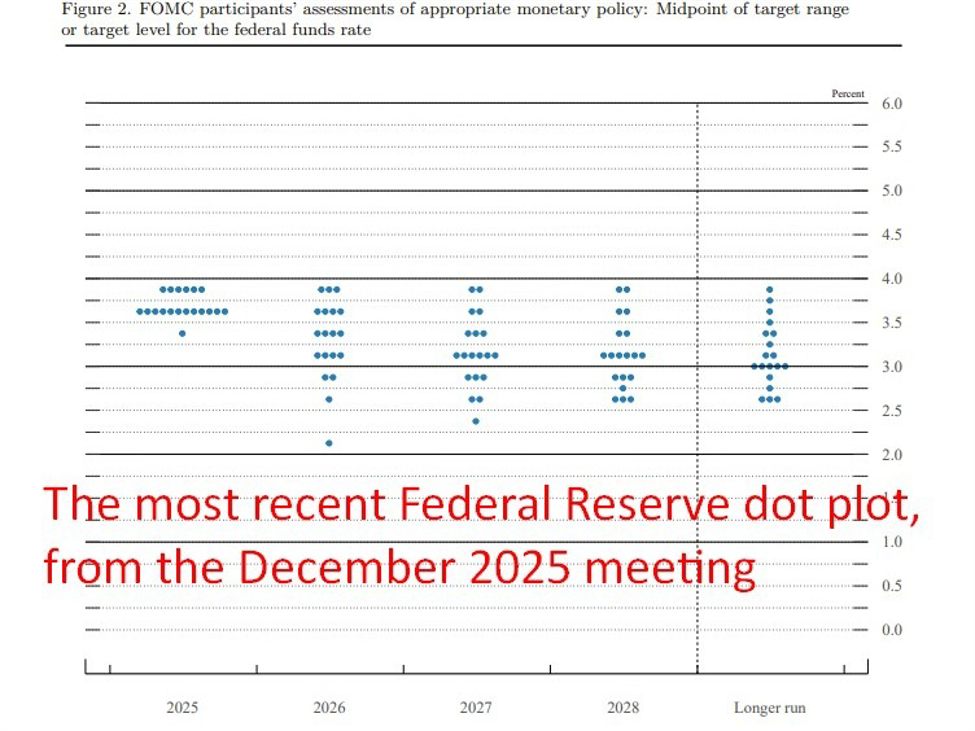
Bessent hints at Fed inflation target rethink and possible end to dot plot
SummaryTreasury Secretary Bessent flagged possible changes to the Fed’s inflation framework and communications.Said Kevin Miran could return to the White House by February or March, aligning with a likely Fed chair decision.Bessent indicated support for an inflation target range, but only once inflation is back at 2%.He floated the idea that a new Fed chair could scrap the dot plot.Comments add to market debate around Fed communication and perceived independence.US Treasury Secretary Scott Bessent has signalled potential changes to the Federal Reserve’s policy framework and communications as the White House moves closer to naming its next Fed chair.Speaking on a podcast, Bessent said current fill-in Fed governor Kevin Miran is likely to return to the White House in February or March, a timeline that markets interpreted as aligning with a formal decision on the next Federal Reserve chair.Bessent also appeared to open the door to a rethink of the Fed’s inflation framework, suggesting he favours the idea of an inflation “range” rather than a fixed point target. However, he was careful to stress that such a change would not be appropriate while inflation remains above 2%, signalling that any review would be conditional on inflation being firmly under control.In a further hint at potential reform, Bessent suggested a new Fed chair could consider scrapping the dot plot — the quarterly projection of policymakers’ rate expectations — a move that would mark a significant shift in how the central bank communicates its policy outlook.The remarks stop short of signalling imminent change, but they add to growing market sensitivity around Federal Reserve independence, communication tools and long-term policy credibility. With rate cuts already priced for later in 2026, investors are increasingly focused on whether a change in leadership could alter how policy intentions are signalled, even if the near-term rate path remains data-dependent. This article was written by Eamonn Sheridan at investinglive.com. 🔗 Source 💡 DMK Insight The potential shift in the Fed’s inflation framework could shake up market expectations significantly. Bessent’s comments about an inflation target range, contingent on inflation returning to 2%, suggest a more flexible approach than the current rigid targeting. This is crucial for traders as it might influence interest rate decisions and, consequently, the USD’s strength. If inflation remains stubbornly high, the Fed’s ability to pivot could be limited, creating volatility in forex markets. Traders should keep an eye on upcoming inflation reports and Fed communications, especially as we approach February and March, when key decisions may be made. Here’s the flip side: if the Fed does adopt a more lenient stance, it could weaken the dollar, benefiting commodities and risk assets. Watch for any signs of inflation trends that might push the Fed to act sooner than expected. The immediate focus should be on inflation metrics and how they align with Bessent’s timeline for potential policy changes. 📮 Takeaway Monitor inflation reports closely; a shift in Fed policy could impact USD strength and related asset prices significantly in the coming months.

ICYMI – Japan says it has “free hand” on FX action, intervention talk that lifted the yen
Summary:Japan’s finance minister said authorities have a “free hand” to act against speculative yen moves.Remarks followed yen weakness after the BOJ’s rate hike and lifted the currency in Europe and US trade.Comments built on earlier Asia-session support after verbal intervention from Atsushi Mimura.Reference to the Japan–US FX accord suggests Tokyo believes it has scope to intervene if volatility worsens.Fiscal expansion plans add complexity, with rising yields highlighting market sensitivity to public finances.Japan’s finance minister Satsuki Katayama delivered her strongest warning yet against currency speculation, saying Tokyo has a “free hand” to take bold action against yen moves that are not aligned with economic fundamentals.In remarks to Bloomberg on Monday, Katayama said the yen’s sharp weakening late last week, even after the Bank of Japan raised interest rates to their highest level in 30 years, was “clearly not in line with fundamentals but rather speculative.” She said authorities were prepared to respond forcefully, citing language in the Japan–US finance ministers’ joint statement that preserves the option of intervention during periods of excessive volatility.The comments helped underpin yen strength during European and US trading hours on Monday, extending gains that had already begun earlier in the Asia session following verbal intervention from Japan’s top currency diplomat Atsushi Mimura. Mimura had warned against “one-sided” and “sharp” FX moves, prompting initial short-covering in USD/JPY.Katayama’s reference to the bilateral agreement with Washington suggests Tokyo believes it has tacit approval to act without further negotiation. The accord, signed in September by her predecessor Katsunobu Kato and US Treasury Secretary Scott Bessent, reaffirmed that while markets should determine exchange rates, intervention remains appropriate in cases of disorderly moves.Japan spent roughly US$100bn defending the yen last year, with action clustered around the ¥160 level. The currency was trading closer to ¥157.40 on Monday evening. Katayama declined to define specific trigger levels, stressing that each episode of volatility is judged on its own merits.Beyond FX, Katayama acknowledged near-term pressure on Japan’s public finances as Prime Minister Sanae Takaichi’s government pursues aggressive fiscal stimulus. However, she argued any deterioration would be temporary, with stronger growth, investment and tax revenue expected to follow. Concerns around fiscal expansion helped push Japan’s 10-year government bond yield to a 27-year high of 2.1% on Monday. This article was written by Eamonn Sheridan at investinglive.com. 🔗 Source 💡 DMK Insight Japan’s finance minister just hinted at potential intervention in the forex market, and here’s why that matters: The yen’s recent weakness, especially following the Bank of Japan’s rate hike, has traders on edge. The minister’s comments about having a ‘free hand’ to act against speculative moves signal that authorities are ready to step in if the yen continues to slide. This could lead to increased volatility in USD/JPY, especially if we see a breach of key support levels. Traders should keep an eye on the 150 level, as a sustained move below could trigger aggressive intervention. Additionally, the reference to the Japan-US FX accord suggests a coordinated effort might be in play, which could ripple through other currency pairs, particularly AUD/JPY and EUR/JPY. But here’s the flip side: if the yen strengthens too quickly due to intervention, it could hurt Japan’s export-driven economy, leading to a potential backlash from local businesses. So, while the immediate focus is on potential intervention, traders should also consider the long-term implications of a stronger yen on Japan’s economic health. Watch for any signs of intervention in the coming days, especially during major trading sessions. 📮 Takeaway Monitor the 150 level in USD/JPY closely; intervention could trigger volatility and impact related pairs if breached.
ICYMI – Nvidia China shipment plans lift US stocks as AI export policy eases
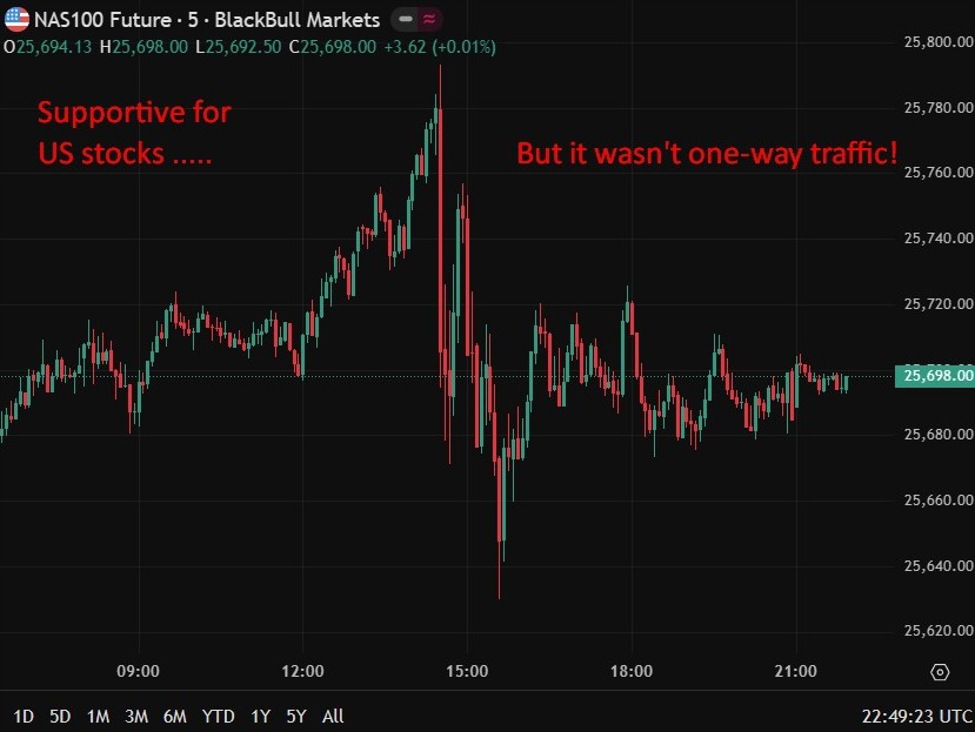
SummaryNvidia aims to resume H200 AI chip shipments to China by mid-February, sources told Reuters.Initial deliveries would come from existing inventory, with larger capacity planned for 2026.Shipments hinge on Chinese government approval and US export licensing.The move follows Trump’s decision to allow H200 sales with a 25% fee, reversing Biden-era restrictions.The report supported US tech stocks during Europe and US trade on Monday.Shares of Nvidia and broader US equities found support during European and US trading hours on Monday after a Reuters report said the chipmaker is aiming to resume shipments of advanced AI processors to China as early as mid-February.According to sources familiar with the matter, Nvidia has told Chinese customers it plans to begin shipping H200 AI chips, its second-most powerful processor, before the Lunar New Year holiday, using existing inventory. Initial deliveries are expected to total between 5,000 and 10,000 chip modules, equivalent to roughly 40,000–80,000 H200 chips.The company has also signalled plans to add new production capacity for China-bound H200 chips, with orders for that capacity potentially opening in the second quarter of 2026. However, sources cautioned that the entire plan remains contingent on Chinese government approval, with Beijing yet to formally clear any purchases.The prospective shipments would mark the first deliveries of H200 chips to China since US President Donald Trump said earlier this month that Washington would allow such sales subject to a 25% fee. Reuters previously reported that the Trump administration had launched an inter-agency review of export license applications.While the H200 belongs to Nvidia’s earlier-generation Hopper line and has been superseded by newer Blackwell chips, it remains widely used in AI workloads and is seen as materially more powerful than the H20 chips previously permitted for China.For Chinese technology groups such as Alibaba Group and ByteDance, which have expressed interest in the H200, the potential resumption of shipments would significantly improve access to high-performance AI hardware. That said, Chinese authorities are reportedly weighing conditions for approval, including proposals that imported chips be bundled with domestically produced processors.The report helped buoy US tech sentiment late Monday, reinforcing the view that regulatory risk around AI chip exports may be easing at the margin, even as political and approval uncertainty remains elevated. This article was written by Eamonn Sheridan at investinglive.com. 🔗 Source
Trump says US may sell or keep seized Venezuelan oil
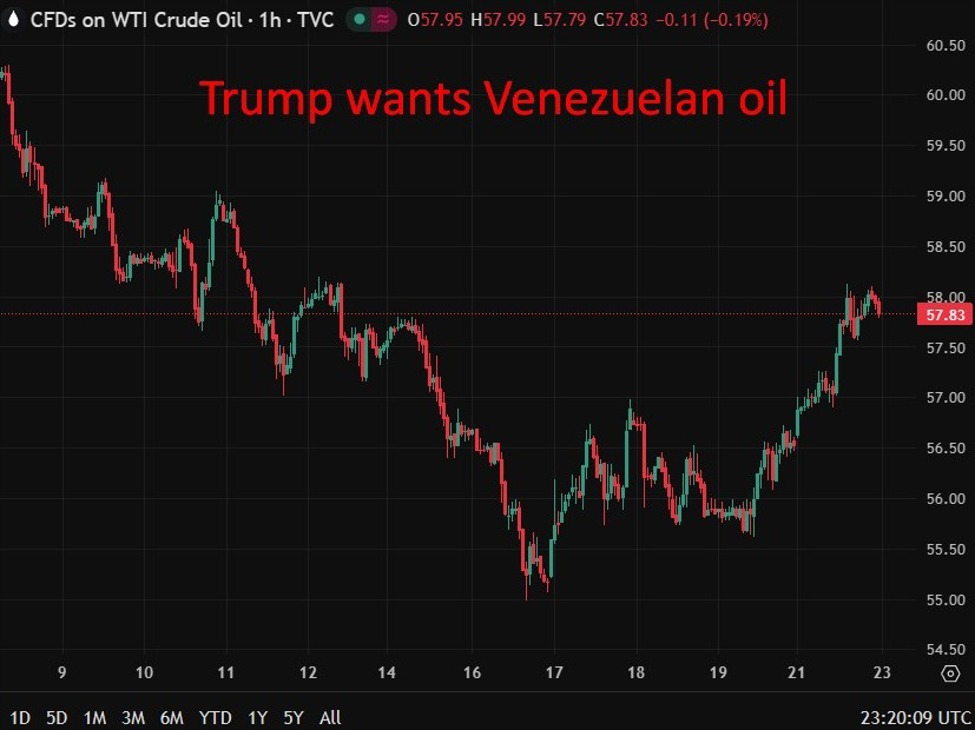
SummaryTrump said the US may sell or retain oil seized near Venezuela.The seized crude could be used to replenish the Strategic Petroleum Reserve.Washington will also keep the confiscated ships, Trump said.The move follows tighter US enforcement on Venezuelan-linked oil flows.Comments add to geopolitical uncertainty in energy markets.US President Donald Trump said the United States is weighing whether to sell oil seized near Venezuela in recent weeks or retain it for domestic use, including potentially adding it to the nation’s strategic stockpiles.Speaking to reporters on Monday, Trump said Washington could take multiple approaches to the confiscated crude. “Maybe we will sell it, maybe we will keep it,” he said, adding that the oil could be used to replenish the Strategic Petroleum Reserve. Trump also said the seized vessels themselves would be retained by the United States.The comments follow a recent escalation in US enforcement actions targeting oil shipments linked to Venezuela, part of a broader effort to tighten pressure on Caracas through sanctions and maritime controls. The moves have added a geopolitical risk premium to oil markets, particularly as supply conditions remain sensitive to disruptions.While Trump did not provide details on the volume of oil seized or a timeline for any sale or transfer to reserves, his remarks highlight the flexibility Washington is seeking in managing confiscated energy assets. Any decision to sell the oil could add marginal supply to the market, while diverting it to the SPR would reduce near-term market impact but strengthen US energy security.The comments come as traders continue to assess the implications of tougher enforcement on sanctioned oil flows, with recent developments already contributing to heightened volatility in crude prices. There is ongoing geopolitical risk around Venezuelan oil supply. The potential implications for crude prices will depend on whether seized barrels reach the market or Trump sends them to the US Strategic Petroleum Reserve (the SPR). This article was written by Eamonn Sheridan at investinglive.com. 🔗 Source 💡 DMK Insight Trump’s comments on seizing Venezuelan oil are shaking up energy markets right now. The potential sale or retention of this crude could impact supply dynamics, especially if the U.S. decides to replenish the Strategic Petroleum Reserve. This move comes amid heightened enforcement on Venezuelan oil flows, which could tighten global supply further. Traders should keep an eye on how this geopolitical uncertainty plays out, as it could lead to volatility in oil prices. If the U.S. moves forward with these plans, we might see a ripple effect on related assets like oil ETFs or even broader market indices. Watch for key resistance levels in crude oil around recent highs, as any significant news could trigger sharp movements. On the flip side, if this situation de-escalates, we could see a rebound in oil prices as supply fears ease. So, it’s worth monitoring the news closely for any shifts in sentiment or policy changes that could affect trading strategies in the energy sector. 📮 Takeaway Keep an eye on crude oil resistance levels; geopolitical developments could trigger volatility in the coming days.
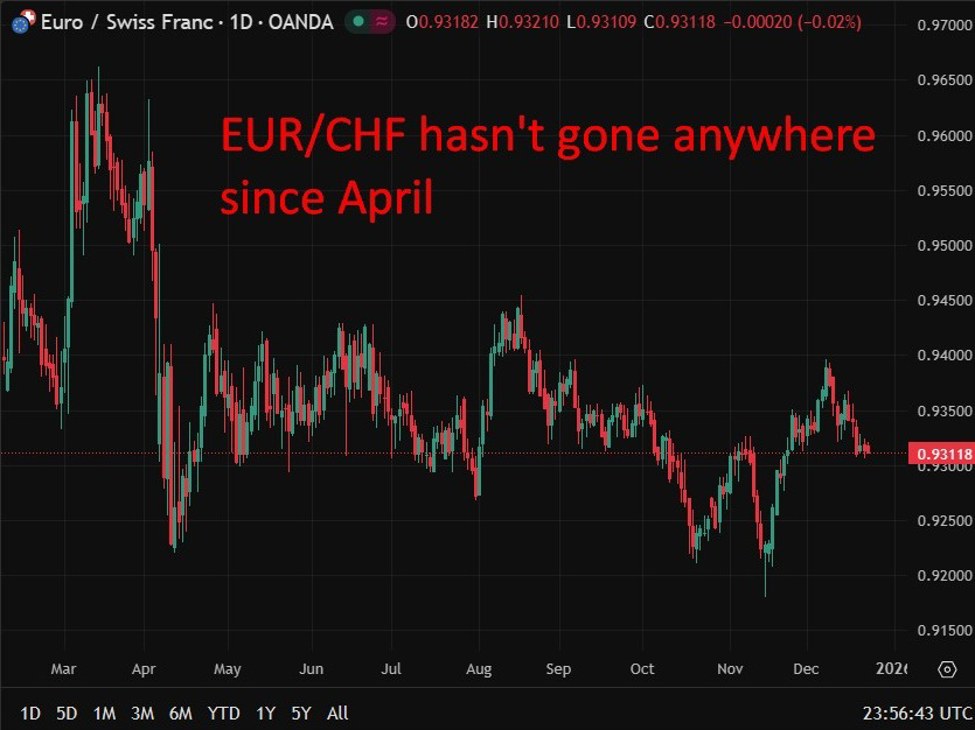
MUFG sees risk of Swiss National Bank negative rates if Swiss franc stays strong
SummaryMUFG says sustained franc strength could force the SNB to respond with negative rates or intervention.Falling oil prices in 2026 could add disinflationary pressure in Switzerland.Negative rates would make the franc more attractive as a funding currency.Fed independence concerns may continue to support CHF against the dollar.Progress on Ukraine peace talks could cap franc gains versus the euro.The Swiss National Bank could be forced back into active policy easing if the Swiss franc remains strong and global energy prices decline further in 2026, according to a research note from MUFG Bank.MUFG analysts argue that persistent franc strength would increase pressure on the SNB to respond through a combination of renewed currency intervention and potentially reintroducing negative interest rates. While Switzerland exited negative rates only recently, the bank warns that prolonged disinflationary forces, particularly from lower oil prices, could undermine the SNB’s inflation outlook and complicate its policy stance.A return to negative rates would likely have broader market implications. MUFG notes that such a move could re-establish the Swiss franc as an attractive funding currency, particularly if global financial-market volatility remains subdued and economic growth improves. Under those conditions, investors may once again look to fund higher-yielding positions through franc-denominated borrowing.The note also highlights external drivers supporting the franc, including lingering concerns around Federal Reserve independence. MUFG suggests that political or institutional uncertainty surrounding the Fed could continue to favour safe-haven demand for the franc against the US dollar, reinforcing upward pressure on the currency.However, MUFG sees potential limits to franc outperformance against the euro. Any meaningful progress toward a peace settlement in Ukraine could reduce safe-haven demand within Europe, softening support for the franc relative to the single currency. In that scenario, EUR/CHF could stabilise even if the franc remains firm against the dollar.Overall, MUFG frames the outlook as one in which policy risks are skewed toward further SNB accommodation should current currency and commodity trends persist into next year. This article was written by Eamonn Sheridan at investinglive.com. 🔗 Source 💡 DMK Insight The potential for negative rates in Switzerland is a game-changer for traders focused on the franc. With MUFG highlighting that sustained strength in the Swiss franc could prompt the Swiss National Bank (SNB) to consider negative rates or intervention, traders need to be on high alert. If the SNB does move towards negative rates, it could enhance the franc’s appeal as a funding currency, especially for carry trades. This scenario could lead to increased volatility in CHF pairs, particularly against the dollar, where concerns about Fed independence may keep the franc buoyed. Additionally, falling oil prices in 2026 could create disinflationary pressures, further complicating the SNB’s policy decisions and potentially leading to a stronger franc. Traders should watch for key levels in CHF/USD, as any intervention or policy shift could trigger significant price movements. The market’s reaction to geopolitical developments, especially regarding Ukraine, could also influence the franc’s strength. Keep an eye on the daily charts for breakout patterns, as a decisive move could signal a new trend. 📮 Takeaway Watch for SNB policy changes; negative rates could strengthen the franc, impacting CHF/USD trading strategies significantly.
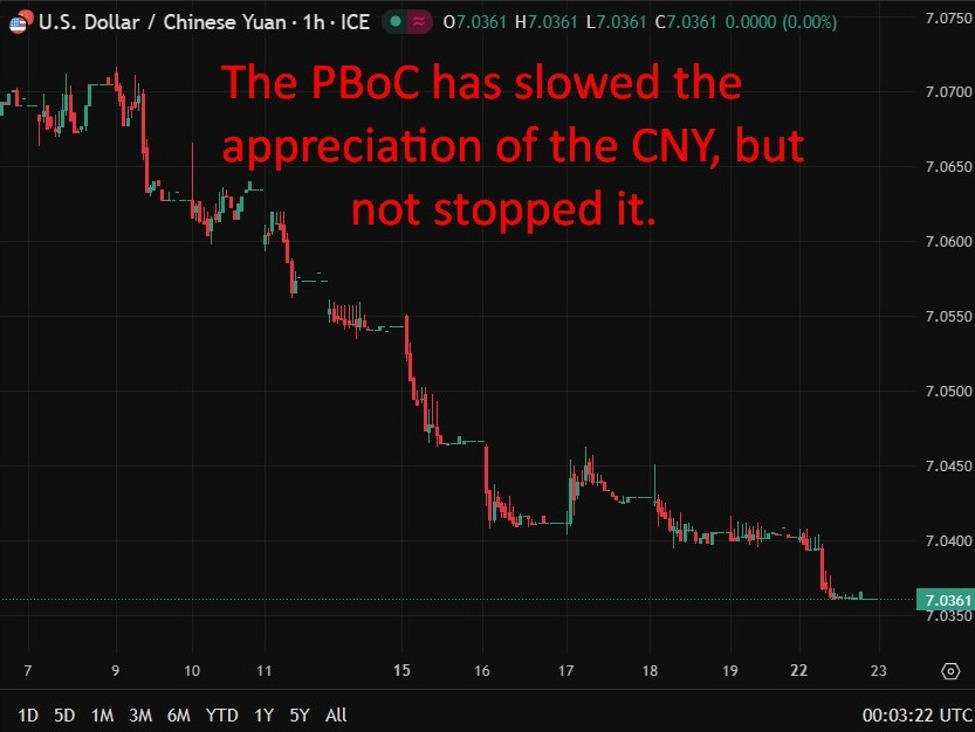
PBOC is expected to set the USD/CNY reference rate at 7.0267 – Reuters estimate
The People’s Bank of China is due to set the daily USD/CNY reference rate at around 0115 GMT (2115 US Eastern time), a fixing that remains one of the most closely watched signals in Asian foreign exchange markets. China operates a managed floating exchange rate system, under which the renminbi (yuan) is allowed to trade within a prescribed band around a central reference rate, or midpoint, set each trading day by the PBOC. The current trading band permits the currency to move plus or minus 2% from the official midpoint during onshore trading hours. Each morning, the PBOC determines the midpoint based on a range of inputs. These include the previous day’s closing price, movements in major currencies, particularly the US dollar, broader international FX conditions, and domestic economic considerations such as capital flows, growth momentum and financial stability objectives. The midpoint is not a purely mechanical calculation, allowing policymakers discretion to guide market expectations. Once the midpoint is announced, onshore USD/CNY is free to trade within the allowable band. If market pressures push the yuan toward either edge of that range, the central bank may step in to smooth volatility. Intervention can take the form of direct buying or selling of yuan, adjustments to liquidity conditions, or guidance through state-owned banks. As a result, the daily fixing is often interpreted as a policy signal rather than just a technical reference point. A stronger-than-expected CNY midpoint is typically read as a sign the PBOC is leaning against depreciation pressure, while a weaker fixing for the CNY can indicate tolerance for a softer currency, often in response to dollar strength or domestic economic headwinds.In periods of heightened global volatility, such as shifts in US rate expectations, trade tensions or capital flow pressures, the fixing takes on added significance. For investors, it provides insight into Beijing’s currency priorities, balancing competitiveness, capital stability and financial market confidence. This article was written by Eamonn Sheridan at investinglive.com. 🔗 Source 💡 DMK Insight The upcoming USD/CNY reference rate setting is crucial for traders, especially with recent volatility in the forex markets. China’s managed floating exchange rate system means that this fixing can significantly influence market sentiment and trading strategies. If the PBOC sets the rate stronger than expected, it could bolster the renminbi and impact related currencies, particularly those in emerging markets. Traders should keep an eye on the 7.00 level for USD/CNY, as a breach could signal a shift in market dynamics. Conversely, a weaker fix might trigger a sell-off in the renminbi, leading to broader implications for commodities and trade-sensitive assets. Given the current geopolitical tensions and economic data releases, this rate setting could serve as a catalyst for increased volatility in the forex space. Watch for reactions from institutional players, as they often position ahead of such key announcements. The immediate timeframe is critical; traders should be prepared for potential price swings right around the fixing time. 📮 Takeaway Monitor the USD/CNY reference rate closely; a fix above or below 7.00 could trigger significant market moves.
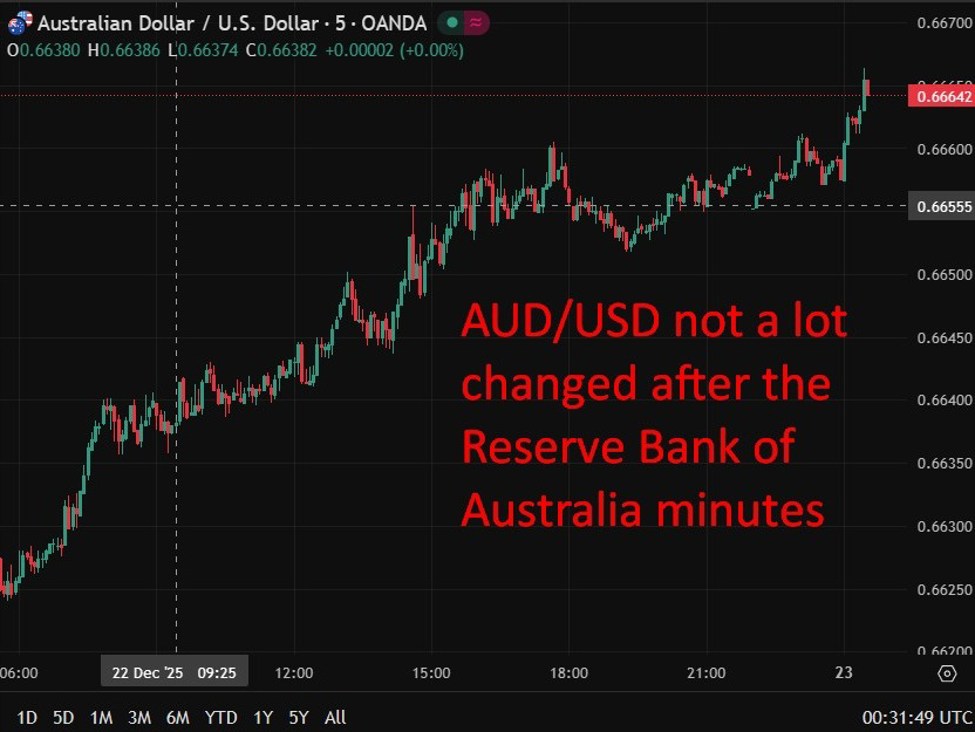
RBA meeting minutes underline upside inflation risks, leave door ajar to tightening
Reserve Bank of Australia Minutes of the December 2025 Monetary Policy Board Meeting. SummaryRBA minutes show rising concern that inflation pressures may be more persistent.Confidence that policy is still restrictive has diminished.Monthly CPI seen as useful but unreliable for now; quarterly CPI remains key.Labour market assessed as still a little tight, with excess demand risks.Board discussed conditions under which rate hikes could be considered.Minutes from the December meeting of the Reserve Bank of Australia show the Board growing less confident that monetary policy remains restrictive, as evidence mounts that inflation pressures may prove more persistent than previously expected.While the cash rate was left unchanged at 3.60% by unanimous decision, members noted that recent inflation data, including the inaugural full monthly CPI release, pointed to upside risks in the near term. Headline inflation had risen to 3.8% in October, and a range of indicators suggested cost pressures were becoming more broad-based. Unit labour costs and average earnings had surprised to the upside, while capacity-utilisation measures indicated that the economy may be operating with a degree of excess demand.The Board stressed caution in interpreting the new monthly CPI series, highlighting its short history, volatility and challenges around seasonal adjustment. As a result, members agreed that quarterly CPI would remain the primary guide for assessing underlying inflation momentum for now, with December-quarter inflation data seen as critical ahead of the February meeting.Importantly, the minutes reveal an active debate over whether financial conditions are still restrictive. Some members judged that conditions may no longer be restrictive, pointing to stronger credit growth, aggressive competition among banks, low risk premia and a marked response in housing activity following earlier policy easing. Others argued conditions remained mildly restrictive, citing elevated mortgage prepayments, higher household savings and the lagged impact of monetary policy still to come.Members agreed that labour-market conditions remain “a little tight”, with low underutilisation, persistent hiring difficulties and upward revisions to estimates of excess demand. The recent rise in the unemployment rate was seen as temporary, reducing the risk of a material easing in labour-market conditions.While the Board judged it was too early to conclude that inflation persistence had materially increased, members discussed scenarios in which a cash-rate increase may need to be considered in the coming year if capacity constraints and price pressures do not ease. For now, the balance of risks has tilted to the upside, reinforcing a cautious, data-dependent stance.I posted a preview to this earlier as background if you need:Preview of the Reserve Bank of Australia December meeting minutes due today, December 23 This article was written by Eamonn Sheridan at investinglive.com. 🔗 Source 💡 DMK Insight The RBA’s latest minutes reveal a shift in sentiment—persistent inflation concerns are growing, and that’s a big deal for traders. With confidence in restrictive policy waning, traders should brace for potential shifts in monetary policy. The mention of unreliable monthly CPI data suggests volatility ahead, especially if quarterly figures don’t align with expectations. If inflation remains stubborn, we could see the RBA adjust rates sooner than anticipated, impacting AUD pairs significantly. Watch for key levels in AUD/USD; a break below recent support could trigger further bearish sentiment. Keep an eye on the broader economic indicators, as any signs of labor market weakness could amplify these inflation concerns and lead to a more aggressive stance from the RBA. This could ripple through commodities and equities, especially those sensitive to interest rates. So, here’s the takeaway: monitor the upcoming quarterly CPI closely, as it will likely dictate the RBA’s next moves and influence market sentiment around the AUD. 📮 Takeaway Watch the quarterly CPI closely; a surprise could shift RBA policy and impact AUD pairs significantly.
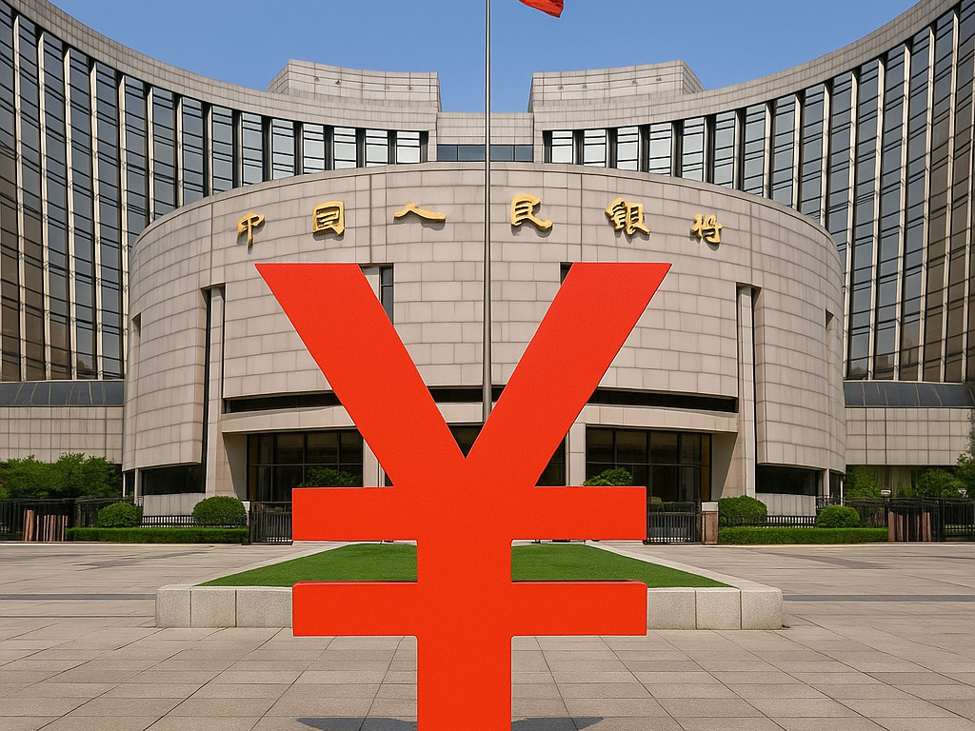
PBOC sets USD/ CNY central rate at 7.0523 (vs. estimate at 7.0267)
The People’s Bank of China (PBOC), China’s central bank, is responsible for setting the daily midpoint of the yuan (also known as renminbi or RMB). The PBOC follows a managed floating exchange rate system that allows the value of the yuan to fluctuate within a certain range, called a “band,” around a central reference rate, or “midpoint.” It’s currently at +/- 2%. In open market operations today the People’s Bank of China injected 59.3bn yuan in 7-day reverse repos at an unchanged rate of 1.4%.—The reference rate at 7.0523 is a near 15-month high. This is reflective of broad dollar weakness so far this week. The gap between the official midpoint and Reuters’ market-based estimate had the largest weak side deviation since the data became available in November 2022. Earlier:PBOC is expected to set the USD/CNY reference rate at 7.0267 – Reuters estimateThe daily fixing of this mid-rate is often interpreted as a policy signal rather than just a technical reference point. A higher-than-expected USD/CNY midpoint is typically read as a sign the PBOC is leaning against CNY appreciation pressure, like today.—In recent months, the People’s Bank of China has taken deliberate steps to moderate the speed of appreciation in the onshore yuan, signalling a preference for stability over sharp currency gains. Rather than targeting a specific level, policymakers appear focused on preventing an overly rapid rise in CNY that could disrupt trade, capital flows and domestic financial conditions.China operates a managed floating exchange-rate system, under which the PBOC sets a daily midpoint (or fixing) around which the onshore yuan can trade within a prescribed band. A key tool has been the consistent setting of weaker-than-market-expected fixings, even during periods when spot-market forces point to faster yuan appreciation. By leaning against market momentum at the fixing stage, authorities have effectively smoothed the currency’s ascent.The central bank has also relied on state-owned banks to manage intraday price action. These banks are widely seen selling yuan or buying dollars at key moments, particularly during periods of thin liquidity, helping cap upside moves without the need for explicit, large-scale intervention. This approach keeps volatility low while reinforcing the official signal that appreciation should be orderly.Slowing yuan gains also serves several macro objectives. A rapidly appreciating currency would squeeze exporters at a time when China is still navigating uneven domestic demand and structural adjustment. It could also encourage speculative inflows and carry trades, complicating monetary management given China’s relatively low interest rates. By managing the pace of appreciation, the PBOC reduces the risk of one-way bets building in the currency.Importantly, these actions do not suggest Beijing is resisting a stronger yuan outright. Instead, the strategy reflects a desire to align currency moves with economic fundamentals while avoiding destabilising swings. For markets, the message is clear: the PBOC is comfortable with a firmer yuan, but only on its own terms and at a controlled speed. This article was written by Eamonn Sheridan at investinglive.com. 🔗 Source 💡 DMK Insight China’s PBOC’s control over the yuan’s midpoint is crucial for forex traders right now. With the yuan’s managed floating exchange rate, any shifts in the midpoint can signal broader economic health and influence global markets. Traders should keep an eye on the PBOC’s adjustments, especially as they relate to trade tensions and economic data releases. A tighter band could indicate a stronger yuan, impacting commodities and currencies tied to China’s economy, like AUD and NZD. Conversely, a wider band might suggest increased volatility, which could create trading opportunities. Here’s the thing: while the PBOC’s actions are often seen as stabilizing, they can also lead to unexpected market reactions. If the yuan strengthens significantly, it could pressure export-driven economies, leading to a ripple effect across forex pairs. Watch for any announcements from the PBOC and key economic indicators that could influence their decisions, particularly in the coming weeks as we approach month-end reports. 📮 Takeaway Monitor the PBOC’s midpoint adjustments closely; significant changes could impact the yuan’s strength and related forex pairs in the coming weeks.

Musk's (SpaceX's) Starlink tops 9 million customers as subscriber growth accelerates
SummaryStarlink said its global customer base has exceeded 9 million users.The figure is up from 8 million reported just a month earlier.Growth reflects expanding satellite capacity and global rollout.Starlink is a key revenue pillar within SpaceX’s long-term strategy.Rapid adoption underscores strong demand for low-orbit broadband.Satellite internet provider Starlink, owned by SpaceX (to go public soon in an unusual way?) , said its global customer base has surpassed 9 million users, marking a sharp increase from 8 million just one month earlier and underscoring accelerating demand for its broadband services.The milestone highlights the pace at which Starlink has expanded since moving from early-stage deployment into mass-market adoption. The service, which uses a rapidly growing constellation of low-Earth-orbit satellites, has positioned itself as a viable alternative to traditional broadband in rural, remote and underserved regions, while also gaining traction in maritime, aviation and enterprise markets.Starlink’s growth trajectory reflects both improving network capacity and wider international rollout. SpaceX has steadily increased satellite launches, enhancing coverage, reducing latency and supporting higher data throughput. That expansion has allowed the company to onboard users at a faster rate, even as it continues to invest heavily in infrastructure and ground equipment.The subscriber jump also reinforces Starlink’s role within SpaceX’s broader commercial strategy. While SpaceX remains privately held, Starlink is widely viewed as a key long-term revenue driver, helping fund the company’s ambitious launch cadence and next-generation projects. Founder Elon Musk has previously suggested that Starlink could eventually be spun off or listed once cash flows become more predictable.Competition in satellite broadband is intensifying, with rivals advancing their own low-orbit constellations. Even so, Starlink’s first-mover advantage, scale and vertically integrated launch capability continue to differentiate the service.For investors and industry observers, the rapid rise from 8 million to 9 million users in a single month signals strong underlying demand and suggests Starlink’s growth phase is far from over. This article was written by Eamonn Sheridan at investinglive.com. 🔗 Source 💡 DMK Insight Starlink’s user base just hit 9 million, and that’s a big deal for traders watching tech and telecom sectors. This rapid growth signals strong demand for satellite internet, which could impact related stocks and ETFs, especially those tied to SpaceX or broadband technology. As Starlink expands its satellite capacity, it not only boosts its revenue but also positions itself as a formidable competitor against traditional ISPs. Traders should keep an eye on how this growth affects SpaceX’s valuation and any potential IPO plans. However, it’s worth questioning whether this growth can be sustained. The telecom market is notoriously competitive, and any hiccups in service or pricing could lead to churn. Watch for any announcements regarding service expansions or partnerships that could further drive user adoption. The next quarterly earnings call will be crucial for gauging future growth prospects. 📮 Takeaway Monitor Starlink’s upcoming earnings report for insights on user growth sustainability and its impact on SpaceX’s valuation.