Bitcoin
  Ethereum
  Tether
  BNB
BNB  XRP
XRP  USDC
USDC  Solana
  TRON
TRON  Lido Staked Ether
  Figure Heloc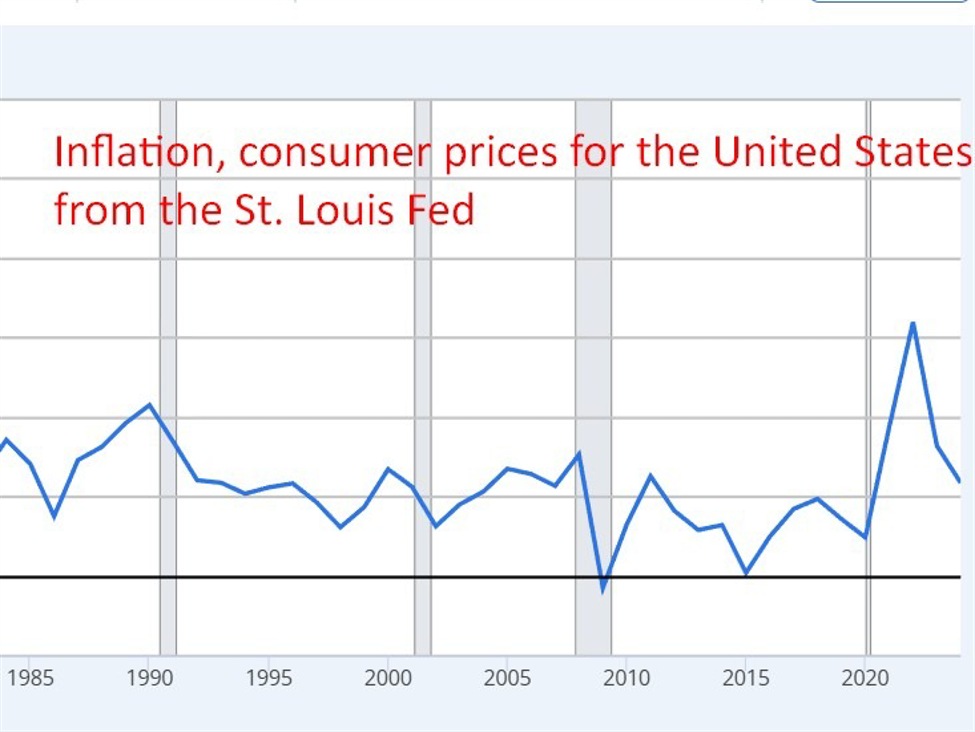
SummaryMark Zandi says official US CPI data significantly understates inflation.Moody’s Analytics estimates November inflation remained near 3%, not 2.7% (Goldman Sachs share concerns) Measurement issues stem from shutdown disruptions and survey timing distortions.CPI data quality has deteriorated due to rising reliance on imputed prices.Underlying inflation remains well above the Fed’s target, Zandi warns.US inflation may be running materially hotter than official data suggest, according to Mark Zandi, who warned that recent consumer price figures released by the Bureau of Labor Statistics are “badly flawed.”In a series of social media posts, Zandi said the BLS estimate showing headline consumer price inflation slowing to 2.7% year-on-year in November significantly understates actual price pressures. Using an alternative methodology, Moody’s Analytics estimates inflation instead remained unchanged at around 3.0%.Zandi said a key problem stems from October’s CPI calculation, when the BLS was unable to conduct its full price survey due to the US government shutdown. In response, the agency assumed prices for most goods and services were unchanged, an assumption Zandi said was unrealistic. Moody’s Analytics replaced those assumptions with private-sector price data where available, and forecasts where necessary, to reconstruct October inflation.He also flagged distortions in November’s CPI data due to delayed survey collection. November pricing patterns are particularly sensitive to timing, Zandi said, with stronger price increases typically seen early in the month before discounting intensifies ahead of the holiday shopping season. Adjusting for this timing bias, Moody’s estimates core CPI inflation at close to 3.0% year-on-year, rather than the lower official reading.Beyond timing issues, Zandi pointed to growing structural weaknesses in CPI measurement. Budget cuts and staffing shortages at the BLS have sharply increased reliance on imputed prices, with nearly one-third of CPI components no longer directly observed, up from roughly one-tenth earlier this year.As a result, Zandi warned that “noise is increasingly drowning out the signal” in inflation data. Abstracting from that noise, he argued inflation remains uncomfortably high and well above the Federal Reserve’s 2% target, with little evidence of sustained disinflation.
This article was written by Eamonn Sheridan at investinglive.com.
💡 DMK Insight
Mark Zandi’s take on CPI data is a wake-up call for traders: inflation might be worse than we think. With Moody’s estimating November inflation at around 3%, significantly higher than the reported 2.7%, this discrepancy could impact Fed policy and market sentiment. If inflation is indeed underestimated, we could see a shift in interest rate expectations, which would ripple through both the forex and crypto markets. Traders should keep an eye on the next Fed meeting and any comments from officials regarding inflation metrics. If the Fed reacts to these inflation concerns, we might see volatility in USD pairs and a potential sell-off in risk assets like crypto, which often react negatively to tightening monetary policy. Here’s the thing: while mainstream narratives focus on the current CPI, they might be missing the broader implications of these measurement issues. If underlying inflation remains stubbornly high, it could lead to a more hawkish Fed stance, which traders need to prepare for. Watch for any shifts in market sentiment around the next CPI release and Fed commentary, as these could be pivotal for positioning in both forex and crypto markets.
📮 Takeaway
Keep an eye on the next Fed meeting and inflation data; a shift in policy could trigger volatility in USD and crypto markets.