Bitcoin
  Ethereum
  Tether
  XRP
XRP  BNB
BNB  USDC
USDC  Solana
  TRON
TRON  Lido Staked Ether
  Figure Heloc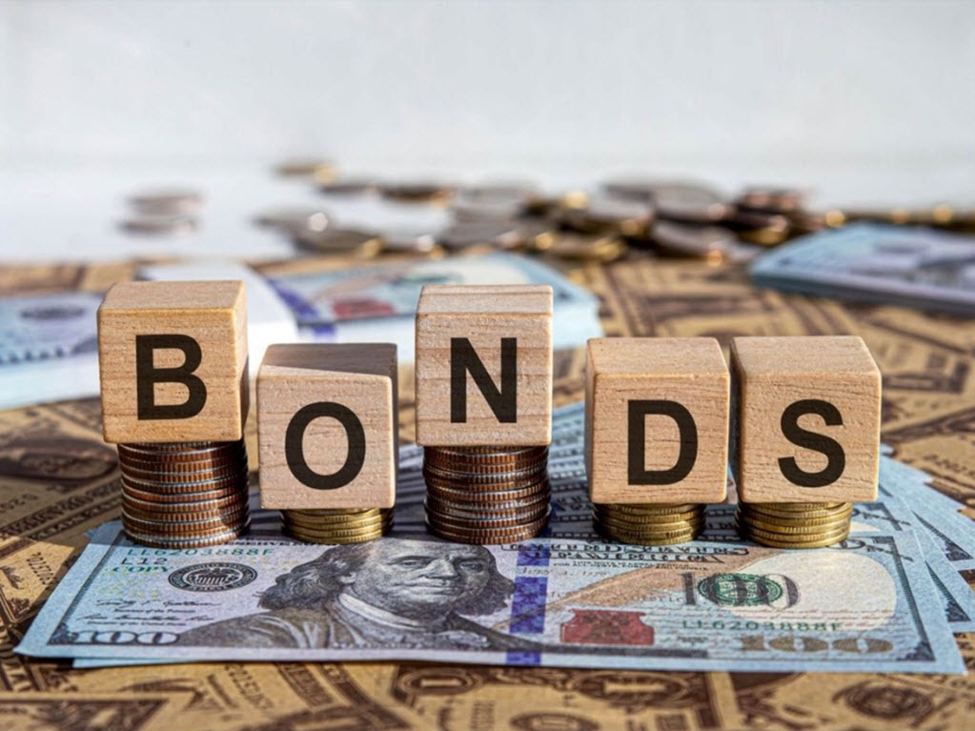
It’s a brand new week but the main focus in markets stay on the Middle East. The US-Iran conflict drags on further and the latest development is that US president Trump delivered a warning over the weekend for Iran to “reopen” the Strait of Hormuz. Trump gave a 48-hour ultimatum, which will run its course late in the day today.Iran has so far responded that they will not back down and are willing to escalate things further. So, that’s leaving us to where we are now as the crisis in the region extends. As we go on longer, higher oil prices continue to become more entrenched for global economies and restarting the normalisation process in energy market itself will take a much longer time.In turn, inflation fears will just continue to boil and that’s inflicting pain in the bond market. Yields are surging higher and not just in the US, we’re seeing the same everywhere. 10-year Treasury yields are up to 4.41%, a marked climb from 3.95% at the end of February. That as the conversation shifts from Fed rate cuts to Fed rate hikes instead. The curve has essentially shifted and quite dramatically in just a span of a few weeks.It’s the same in other places too. 10-year gilt yields have also surged up near 5% at the end of last week, its highest since 2008. That also comes as short-term yields in the UK i.e. 2-year yields have jumped over 100 bps alone in March.In Europe, 10-year bund yields have also moved up to 3.05% – its highest since 2011. The same for 10-year yields in France, with it rising to 3.76% – also the highest since 2011.I would argue that the main issue here is how quickly the bond market has had to reprice the central bank and inflation outlook. And that’s bound to uncover a lot of exposed positions and pain points in broader markets as well. Equities already will not like the sight of war but now have to deal with one of its most hated pain points, that being higher yields.Selling upon selling can get painful very quickly and as warned last week, may even trigger margin calls and spread over to precious metals too. And today, gold is down near 3% to $4,365 while silver is down 3% to $65.70 currently. From Friday:”Besides the point in equities, keep an eye out for the likes of precious metals too. If you think the heavy selling at one point yesterday was bad, wait until we see stocks trigger stops on any further break lower from this point. That can cascade further to margin calls and trigger more volatile selling in the likes of gold and silver as market players need to front up the cash.”If the Middle East conflict drags on further and oil gets comfortable way above the $100 mark, be sure to strap yourselves in for an extremely bumpy ride. There’s not going to be any shelter for market players if this keeps up.
This article was written by Justin Low at investinglive.com.
💡 DMK Insight
The escalating US-Iran tensions are a major risk factor for traders right now. With President Trump’s ultimatum regarding the Strait of Hormuz, we could see volatility spike in oil and related markets. The Strait is a critical chokepoint for global oil supply, and any disruption could lead to significant price movements. Traders should keep an eye on crude oil futures, especially if prices approach key resistance levels. If tensions escalate, we might see a surge in safe-haven assets like gold and the US dollar, while riskier assets could take a hit. Watch for any developments over the next 48 hours, as this ultimatum could trigger immediate market reactions. Also, consider how this situation might affect broader geopolitical sentiment, which often influences forex pairs tied to oil-exporting nations. On the flip side, if Iran responds diplomatically, we could see a relief rally in risk assets. So, it’s crucial to stay alert and adjust positions accordingly based on how this plays out in the coming days.
📮 Takeaway
Monitor crude oil prices closely this week; any disruption in the Strait of Hormuz could trigger significant volatility.