Bitcoin
  Ethereum
  Tether
  BNB
BNB  XRP
XRP  USDC
USDC  Solana
  TRON
TRON  Lido Staked Ether
  Figure Heloc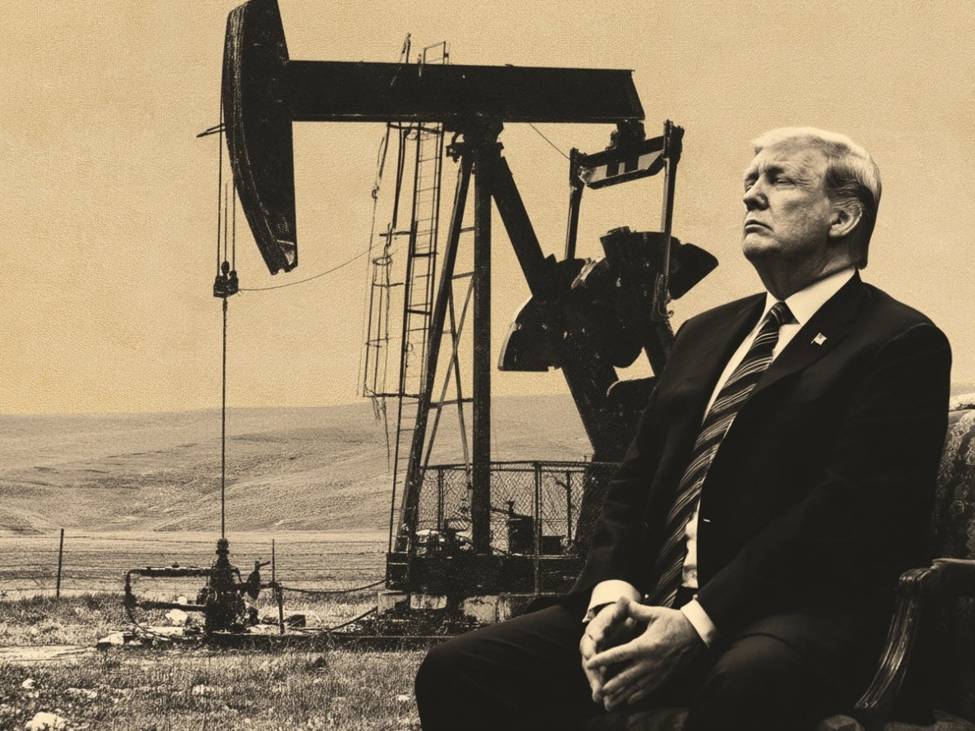
The market continues to bid up oil. WTI settled up $5.16 to $99.64 but shortly before settlement it hit $100 per barrel for the first time since Monday, when Trump pushed back his deadline.The market is increasingly seeing longer timelines on resolving this war.Eyes are also on the steel market. A US-Israeli strike occurred today on a large Iranian steel plant. In response, Iran has just released a target list of steel plants it will hit in the coming hours.Kuwait Steel (United Steel Industrial Corporation) — Kuwait City, KuwaitEMSTEEL Group (United Iron and Steel Company) — Abu Dhabi, UAEYehuda Steel Ltd. — Ashdod, IsraelSaudi Iron & Steel Co. (Hadeed) — Al Jubail City, Eastern Saudi ArabiaFoulath Holding — Khalifa bin Salman Port, BahrainQatar Steel QPSC — Mesaieed Port, QatarThe messages showing the various plants look like this:What strikes me first is that Qatar is on the list. They had sent some less-aggressive messages about Iran and there was some speculation they had reached a deal to minimize hostilities but that doesn’t appear to be the case based on these messages.The largest facilities are in Saudi Arabia and produce about 7.0 Mt of steel annually. Combined, the facilities make about 15 Mt of steel, which is mostly rebar, billet and construction steel. The Bahrain facilities also produces 13 million tons of premium iron-ore pellets, making it the world’s largest DR merchant pelletizing producer.For some sense of size, the largest US producer is Nucor, which produces 30 Mt across 26 facilities in the US.In terms of the global economy, taking steel production off line wouldn’t be too big of a problem as it can be redirected from China, India and Turkey, which all have substantial overcapacity.
This article was written by Adam Button at investinglive.com.
💡 DMK Insight
Oil’s recent surge to $100 a barrel is a game changer for traders: With WTI closing at $99.64, the market’s bullish sentiment is driven by geopolitical tensions and uncertainty. This uptick isn’t just a blip; it’s indicative of a broader trend where traders are adjusting their expectations for a prolonged conflict, which could lead to sustained high prices. For those in the energy sector, this means recalibrating strategies—considering long positions in oil-related assets or ETFs. But here’s the flip side: as oil prices rise, inflationary pressures could increase, impacting consumer spending and potentially slowing economic growth. Watch for how this affects correlated markets, particularly steel, which is sensitive to energy costs. Key levels to monitor include the psychological $100 mark and any resistance that might form around it. Traders should also keep an eye on inventory reports and OPEC’s next moves, as these could provide further volatility. In the coming weeks, expect fluctuations as the market digests these developments, so stay nimble and ready to adjust your positions accordingly.
📮 Takeaway
Watch for WTI oil prices around $100; a sustained break above could signal further bullish momentum, impacting related sectors like steel.