Bitcoin
  Ethereum
  Tether
  BNB
BNB  XRP
XRP  USDC
USDC  Solana
  TRON
TRON  Lido Staked Ether
  Dogecoin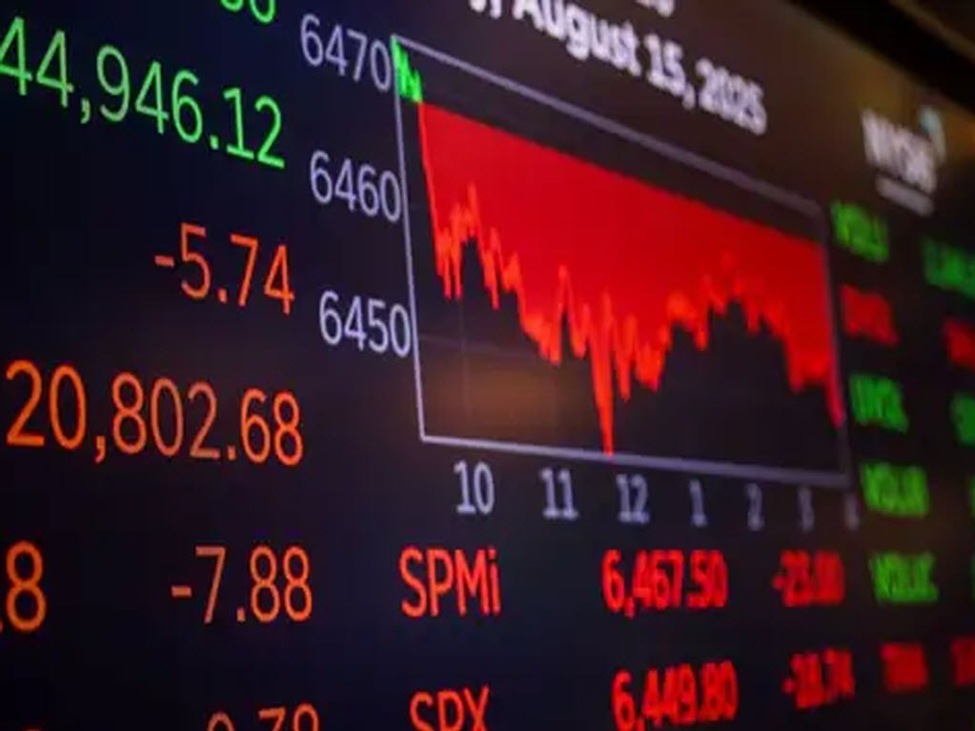
The conflict in the Middle East continues to captivate markets and risk assets stumbled in trading yesterday. However, it could’ve been a lot worse but for a bounce in Wall Street after the much weaker open. The S&P 500 fell by 2.5% at one point in the opening hour before dip buyers stepped in to salvage proceedings, clocking in a close of being down by just 0.9%.The closing level is still the lowest one in a month but more notably, we’re also seeing it hold below a key technical level on the charts. Amid the selling pressures and anxiety, this could mark the first firm break below the 100-day moving average (red line) since May last year.That’s keeping investors in a relatively nervous spot as we approach the midway point on the week. That being said, there is perhaps some good news to take in from the US-Iran conflict. And that could help turn things around in a jiffy if market sentiment starts to pick up more meaningfully.For one, the US is trying to guarantee that there will be smoother passage along the Strait of Hormuz. And that is arguably the biggest development, as it does impact oil prices and the broader market mood with regards to things like inflation fears.Adding to that, is Iran also starting to look more incapacitated by the day? Adam makes a good point here about their retaliatory tactics and the subtle point on the number of missile launches. The only caveat is that the world might be underestimating Iran here but we can only wait to see on that I guess.Circling back to US stocks, the more nervous market mood will keep things on edge still for the next few days. But as a reminder, the social media revolution has birthed this echo chamber that tends to desensitise the same story and information in just a matter of days – not even weeks. Just think back to when the whole Russia-Ukraine conflict started and look how everyone is looking at that now.So in time, this will also come to pass. And in the case of markets, money flows tend to move on much more quickly unless there are real economic consequences. In that lieu, the Strait of Hormuz situation is the one that matters most.In terms of the technicals, there is a chink in the armor now when viewing the S&P 500. I would argue it’s not as clear as saying that this is the start of a strong correction lower. However, there is an opportunity for sellers to step in and take their shot.But at the end of the day, it all hinges on tech shares more than anything else. The Nasdaq still shows that it is not falling off a cliff just yet, with key levels still in play:The index has been struggling below its 100-day moving average (red line) since February. However, dip buyers have been hanging in there in not letting price action sink further towards really testing the November low or the 200-day moving average (blue line) just yet.As such, those two levels will be the key line in the sand in sizing up big tech sentiment in Wall Street. In essence, that’s the floor to the bull market run since May last year. If that gives way, there’s going to be quite a reckoning for US stocks in the short-term.
This article was written by Justin Low at investinglive.com.
💡 DMK Insight
The Middle East conflict is shaking up risk assets, but Wall Street’s recovery offers a glimmer of hope. Traders should pay attention to how geopolitical tensions impact market sentiment, especially with the S&P 500’s 2.5% drop early on. This kind of volatility can create opportunities for day traders looking to capitalize on quick rebounds or further declines. If the S&P can hold above key support levels, it might signal a buying opportunity, but a failure to do so could lead to deeper losses across risk assets. Keep an eye on correlated markets like oil, which often reacts sharply to geopolitical events. If crude prices spike, expect further pressure on equities, especially in sectors sensitive to energy costs. Here’s the thing: while the initial reaction was negative, Wall Street’s bounce suggests some resilience. But don’t get too comfortable; the situation is fluid, and any escalation could trigger another wave of selling. Watch for the S&P to maintain its footing around recent lows, as breaking below could signal a shift in sentiment.
📮 Takeaway
Monitor the S&P 500’s support levels closely; a break below could lead to significant selling pressure across risk assets.