Bitcoin
  Ethereum
  Tether
  XRP
XRP  BNB
BNB  USDC
USDC  Solana
  TRON
TRON  Lido Staked Ether
  Dogecoin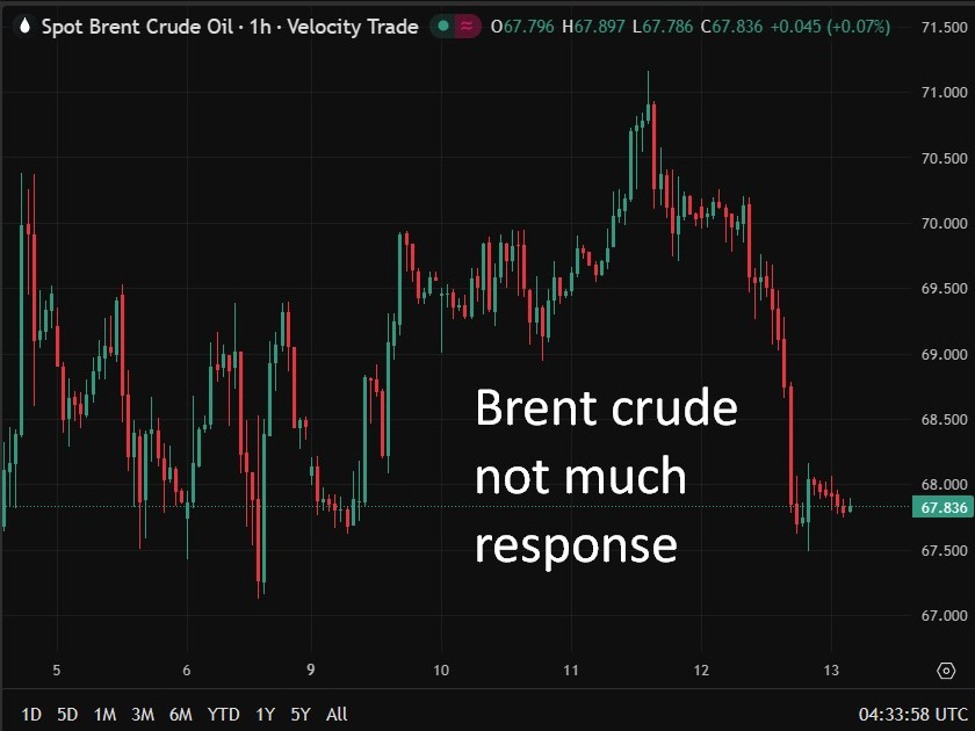
USS Gerald R. Ford carrier strike group redirected from Caribbean to Middle East, extending deployment into spring.Summary:USS USS Gerald R. Ford and escort ships will be rerouted from the Caribbean to the Middle East, delaying their return home until late April or early May. This redeployment will see the Ford strike group join the USS Abraham Lincoln carrier strike group in the Persian Gulf, as part of heightened U.S. pressure on Iran. The Ford’s extended mission began June 24 when it left Norfolk, Va. for Europe, was rerouted to the Caribbean as part of U.S. Southern Command operations, and is now being redirected again.The United States Navy’s USS Gerald R. Ford aircraft carrier and its accompanying escort ships have been ordered to shift from their current deployment in the Caribbean to the Middle East, where they are expected to remain through late April or early May. The decision, communicated to the carrier’s crew on Thursday by U.S. officials, marks an extraordinary extension and redirection of what was initially scheduled as a routine overseas deployment. The Ford strike group’s deployment began on June 24, when the carrier departed Norfolk, Virginia for a planned European cruise. Instead, the carrier was first rerouted to the Caribbean under U.S. Southern Command operations, joining dozens of other warships in one of the largest U.S. maritime presences in the region in decades. Its mission was tied to enhanced pressure against transnational criminal networks and geopolitical tensions in Latin America. Now, as tensions with Iran remain high under the current U.S. administration’s strategic posture, the Ford strike group will join the USS Abraham Lincoln carrier strike group already in the Persian Gulf. This reinforcement is part of a broader military positioning linked to Washington’s resurgent pressure campaign on Tehran’s leadership, reflecting strategic signalling as much as operational intent. Aircraft carriers like the Ford are central to U.S. power projection, equipped to provide air, sea, and missile strike capabilities from international waters without requiring host-nation basing rights.While Pentagon officials have not publicly confirmed the redeployment details, multiple U.S. sources familiar with internal discussions described the shift in orders. The Ford’s new assignment underscores both the intensity of current geopolitical pressures and the strategic value Washington places on maintaining a formidable aircraft carrier presence across multiple theaters of operation. This pic is of neither, I know.
This article was written by Eamonn Sheridan at investinglive.com.
💡 DMK Insight
The USS Gerald R. Ford’s redeployment to the Middle East could impact oil prices and geopolitical stability. With tensions in the region already high, this move signals a potential escalation that traders should monitor closely. Historically, military presence in the Middle East has led to spikes in oil prices, especially if conflicts arise. For those trading oil futures or related equities, keeping an eye on Brent and WTI crude prices is essential, as any disruptions could lead to significant volatility. Additionally, this situation may affect broader market sentiment, particularly in energy stocks and ETFs. Watch for key resistance levels in oil prices, as a breach could trigger a bullish trend. The timing of this deployment, extending into spring, suggests that traders should prepare for potential market reactions in the coming weeks, especially around any announcements or developments in the region.
📮 Takeaway
Keep an eye on oil prices as the USS Gerald R. Ford’s redeployment could trigger volatility; monitor resistance levels closely in the coming weeks.