Bitcoin
  Ethereum
  Tether
  BNB
BNB  XRP
XRP  USDC
USDC  Solana
  TRON
TRON  Lido Staked Ether
  Figure Heloc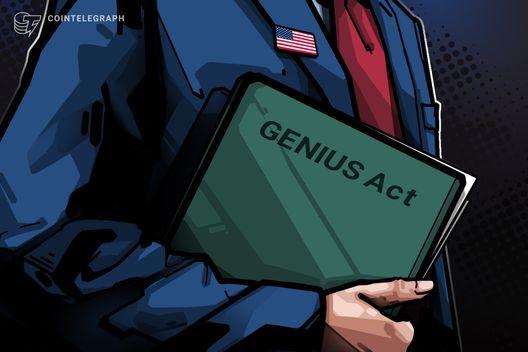
The proposed rule would direct payment stablecoin issuers to establish AML/CFT and sanctions compliance programs, and be able to “block, freeze, and reject” certain transactions.
💡 DMK Insight
This proposed rule on payment stablecoins is a game changer for compliance and market dynamics. By mandating AML/CFT and sanctions compliance, issuers will face increased operational costs, which could lead to higher fees for users. This could deter some retail traders from using stablecoins for transactions, impacting liquidity in the crypto market. If issuers can block or freeze transactions, it raises concerns about censorship and could push users towards decentralized alternatives, potentially affecting the demand for major stablecoins like USDT and USDC. Traders should keep an eye on how this regulatory shift influences market sentiment and trading volumes, especially in the short term as issuers adapt to these requirements. Watch for any announcements from major stablecoin issuers regarding their compliance strategies, as this could create volatility in their respective markets. The real story here is how this could reshape the competitive landscape among stablecoins, especially if some players are more agile in adapting to these rules than others.
📮 Takeaway
Monitor announcements from stablecoin issuers on compliance strategies, as this could impact liquidity and volatility in the crypto market.