Bitcoin
  Ethereum
  Tether
  XRP
XRP  BNB
BNB  USDC
USDC  Solana
  TRON
TRON  Lido Staked Ether
  Figure Heloc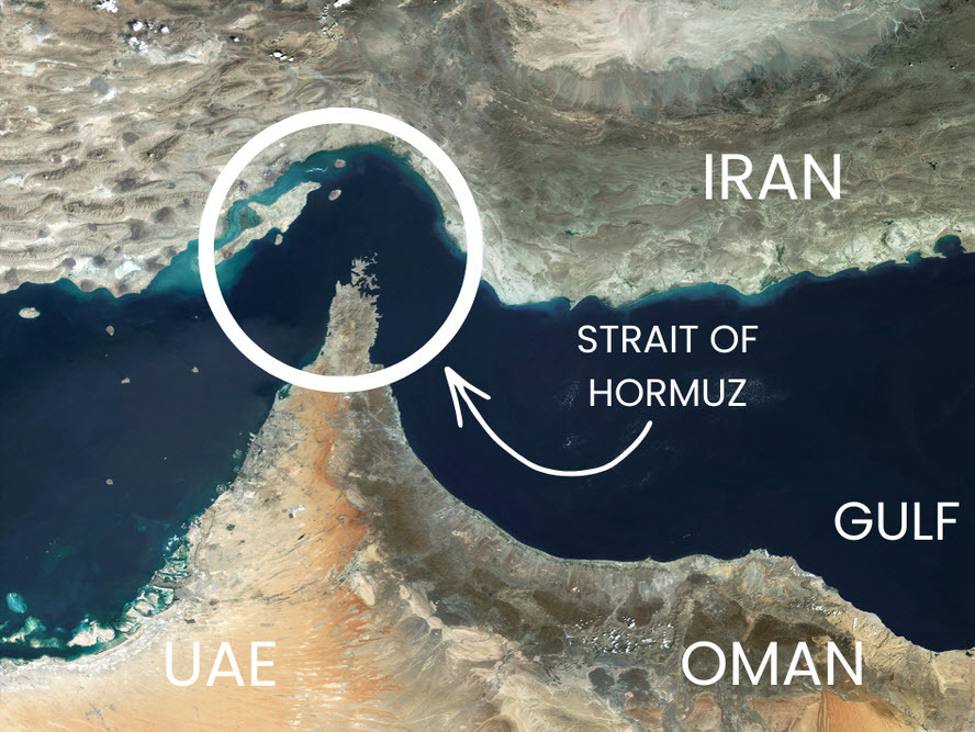
One of the ideas that’s been floating around markets is that Trump just wanted to dramatically degrade Iran’s military, it’s nuclear program and its ability to make missiles. Once that was done, he would declare victory and leave it to Europe and gulf states on how to open the Strait of Hormuz. It was never clear if Iran would have accepted that but it was a possibility they would say “ok, enough, we’ll live to fight another day.”Now, it looks like that’s off the table and instead Trump has committed the US military to reopen Hormuz, with little help from allies. He said it would be easy but markets aren’t so sure, and it also could be time consuming. Trump called it “a simple military maneuver” with “so little risk”.If that’s true, it’s good news but the market isn’t so sure. There are various reports today that the US is deploying more marines and ships to the area. Seven days ago, Trump ordered +2500 marines to transit from Japan to the Gulf and that force will presumably be used to take Hormuz as it includes the amphibious assault ship USS Tripoli. It’s not clear where it is now but this was from a report today:The USS Tripoli is currently moving through the Indian Ocean and was
recently spotted south of Sri Lanka. The warship is heading toward the
North Arabian Sea and is expected to reach the broader Middle East
theatre around March 22–23.It’s not clear if there will have to be some staging and coordination after it arrives. That likely stretches the timeline for a landing into next week in any case.The think from the Trump administration appears to be that by taking Kharg Island, which much of Iran’s oil is loaded, they will force Iran to capitulate. A report from today:The Trump administration is considering plans to occupy or blockade Iran’s Kharg Island to pressure Iran to reopen the Strait of Hormuz, four sources with knowledge of the issue tell Axios.That report also lengthened the timeline of the war: “We need about a month to
weaken the Iranians more with strikes, take the island and then get
them by the balls and use it for negotiations,” a source with knowledge
of the White House thinking said.Trump started out saying 4-5 weeks and repeatedly said they were ahead of schedule. Next week will be Week 4 and this would certainly lengthen the timeline.In short, what the market is seeing right now is a lengthening of the timeline of the war. That has the S&P 500 down 0.9% and near the lows of the day. European stocks are struggling even more with the DAX down 1%. The image of the DAX isn’t a pretty picture.
This article was written by Adam Button at investinglive.com.
💡 DMK Insight
The speculation around Trump’s strategy regarding Iran’s military and nuclear capabilities is more than just political chatter—it’s a potential market mover. If traders believe that a significant reduction in Iran’s military capabilities could lead to a more stable Middle East, we might see shifts in oil prices and related commodities. Historically, geopolitical tensions in the region have led to spikes in oil volatility, and any perceived easing could result in downward pressure on crude prices. Look at the recent trends in oil futures; if prices start to dip below key support levels, say around $70 per barrel, it could signal a broader risk-off sentiment among traders. Conversely, if tensions escalate unexpectedly, we could see a rapid spike in oil prices, impacting not just energy stocks but also currencies of oil-dependent economies. Keep an eye on how this narrative develops, especially as we approach any significant geopolitical announcements or negotiations. The flip side is that if the market overreacts to these rumors, we might see a quick correction. Traders should monitor the sentiment closely, particularly any shifts in trading volumes or positioning in oil futures as these developments unfold.
📮 Takeaway
Watch for oil prices around $70 per barrel; a breach could signal a shift in market sentiment based on geopolitical developments.