Bitcoin
  Ethereum
  Tether
  BNB
BNB  XRP
XRP  USDC
USDC  Solana
  TRON
TRON  Lido Staked Ether
  Figure Heloc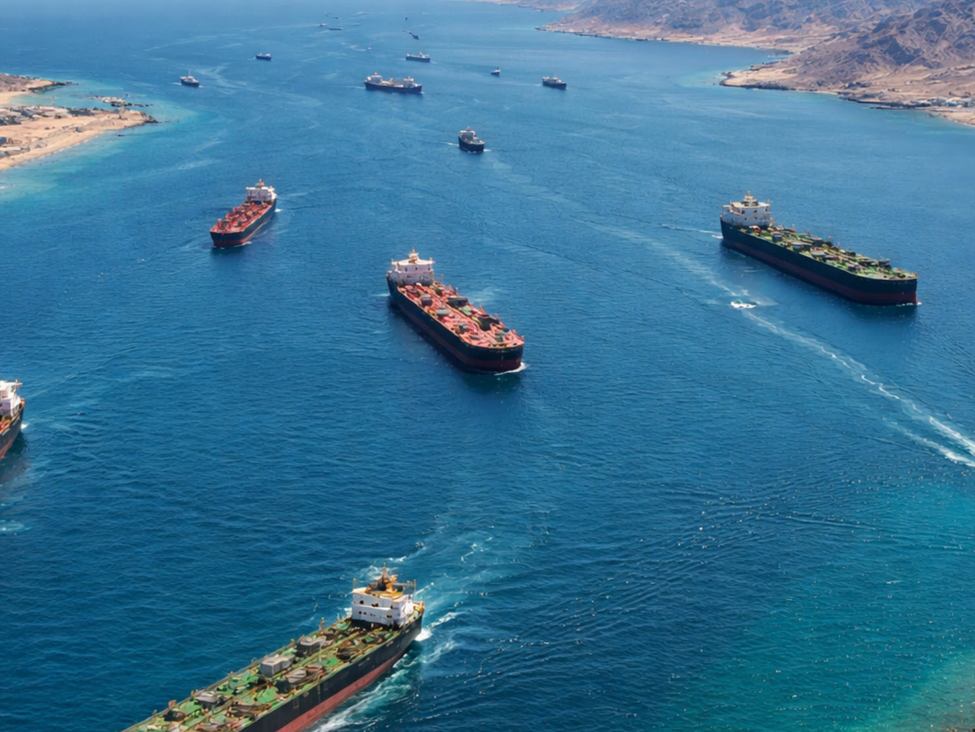
Yesterday, the US and Israel assassinated the leader of Iran’s navy and there are increasing signs that Iran is now taking a harder line on Hormuz.The WSJ reports that two container vessels belonging to China’s state-owned Cosco Shipping were turned back from crossing the Strait of Hormuz on Friday morning.The IRGC also appeared to broaden its definition of who could cross to include the ports they’re using:Any vessel traveling “to or from” ports belonging to allies and supporters of the Zionist–American adversaries is prohibited from transit, regardless of destination or route.The moves indicate that the trickle of traffic through Hormuz may now slow to only those ships that are loading in Iran, though I’m also watching Qatar as they’ve shifted rhetoric to be more neutral. Iran could also be bracing for some type of US ‘boots on the ground’ military operation this weekend in Kharg Island or some other area in the Persian Gulf.I think what matters for the market right now is the direction of travel for this war and — despite Trump’s comments — it doesn’t appear to be headed towards any kind of quick resolution. An Axios report a short time ago said the US is preparing for ‘several’ more weeks of war.That timeline is not conducive to a global economy that’s increasingly seeing signs of a shortage of oil. The oil analysts are screaming from the rooftops about a shock to the oil market and the potential for $150 oil and those calls are increasingly resonant. The 10-20 million barrels that are locked out of the market now are a big problem and there’s a growing possibility of strikes on oil production and processing facilities.Zooming out to the daily chart of S&P 500 futures, we’re back to September levels and there isn’t much support down to 6400. It will be tough for the market to rebound into a weekend where there are heightened risks of escalation, including ground attacks.
This article was written by Adam Button at investinglive.com.
💡 DMK Insight
Tensions in the Strait of Hormuz are escalating, and here’s why that matters for traders: The assassination of Iran’s navy leader signals a potential shift in Iran’s maritime strategy, which could disrupt oil supply routes. With two Chinese vessels already turned back, traders should be wary of increased volatility in oil prices. Historically, any military escalation in this region has led to sharp price spikes in crude oil, impacting not just oil futures but also currencies tied to oil exports, like the Canadian dollar and Norwegian krone. Look for key resistance levels in crude oil around recent highs; a breach could trigger a wave of speculative buying. Additionally, monitor geopolitical news closely—any further Iranian retaliation could send shockwaves through the market. The real story is how quickly traders react to these developments. Keep an eye on the daily charts for oil and related assets, as the situation could evolve rapidly, affecting both short and long positions across the board.
📮 Takeaway
Watch for crude oil prices; a breach of recent highs could signal significant upward momentum amid rising tensions in the Strait of Hormuz.