Bitcoin
  Ethereum
  Tether
  BNB
BNB  XRP
XRP  USDC
USDC  Solana
  TRON
TRON  Lido Staked Ether
  Figure Heloc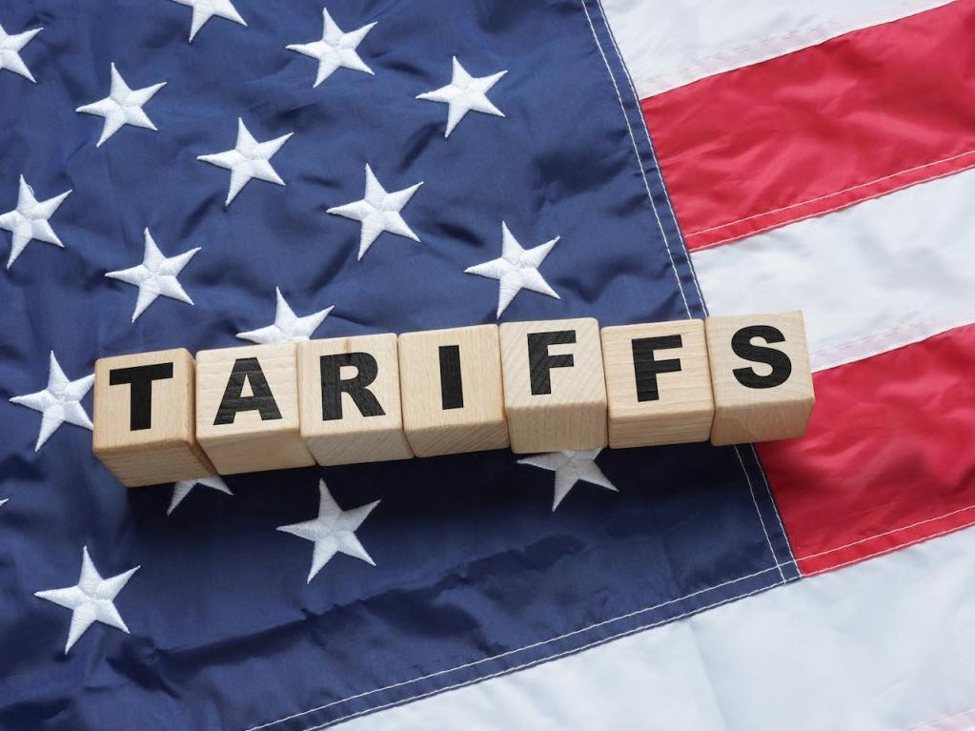
The study notes that the costs of tariffs enacted by the Trump administration are “falling mostly on domestic importers and consumers”. In putting a number to that, the study reveals that US consumers are bearing around a third of the tariff burden currently. And if the tariffs are going to stay for longer, that cost will increase even more.For now, it is noted that US exporters are only absorbing a small fraction of the higher tariff-related costs. It is being estimated that a 10% increase in tariffs implies only a 9.5% increase in prices.Overall, it is a tough situation for US consumers. The current estimate shows that they are already being burdened by about a third of the cost. But if US firms exhaust their ability to absorb the tariffs and pass it on down the chain, the burden for households could rise to over half.This also implies that US firms would absorb 40% of higher tariff costs in the longer-term should the extent to which exporters absorb tariffs remains limited in scope.While the US is the one being hit hardest from their own tariffs, European exporters are not immune to the situation. The study predicts that a 10% increase in tariffs would also result in a 4.3% decline in import volumes in the case of product categories that are still traded under tariffs.The full study can be found here.
This article was written by Justin Low at investinglive.com.
💡 DMK Insight
Tariffs are hitting US consumers hard, and here’s why that matters for traders: the economic ripple effects could impact consumer spending and inflation rates. With around a third of the tariff burden falling on domestic importers and consumers, we might see shifts in retail sales and consumer sentiment, which are critical indicators for market performance. If consumer spending declines, it could lead to weaker earnings reports from major retailers, potentially dragging down stock prices in the retail sector and affecting related markets like commodities and forex. Traders should keep an eye on upcoming economic data releases, particularly retail sales figures and inflation reports, as these will provide insight into how consumers are reacting to the tariffs. If inflation rises alongside a drop in consumer spending, we could see increased volatility in both the stock and forex markets. Watch for key support and resistance levels in major indices and currency pairs, as these could signal broader market trends influenced by consumer behavior.
📮 Takeaway
Monitor retail sales and inflation data closely; a decline in consumer spending could trigger volatility in stocks and forex markets.