Bitcoin
  Ethereum
  Tether
  BNB
BNB  XRP
XRP  USDC
USDC  Solana
  TRON
TRON  Lido Staked Ether
  Figure Heloc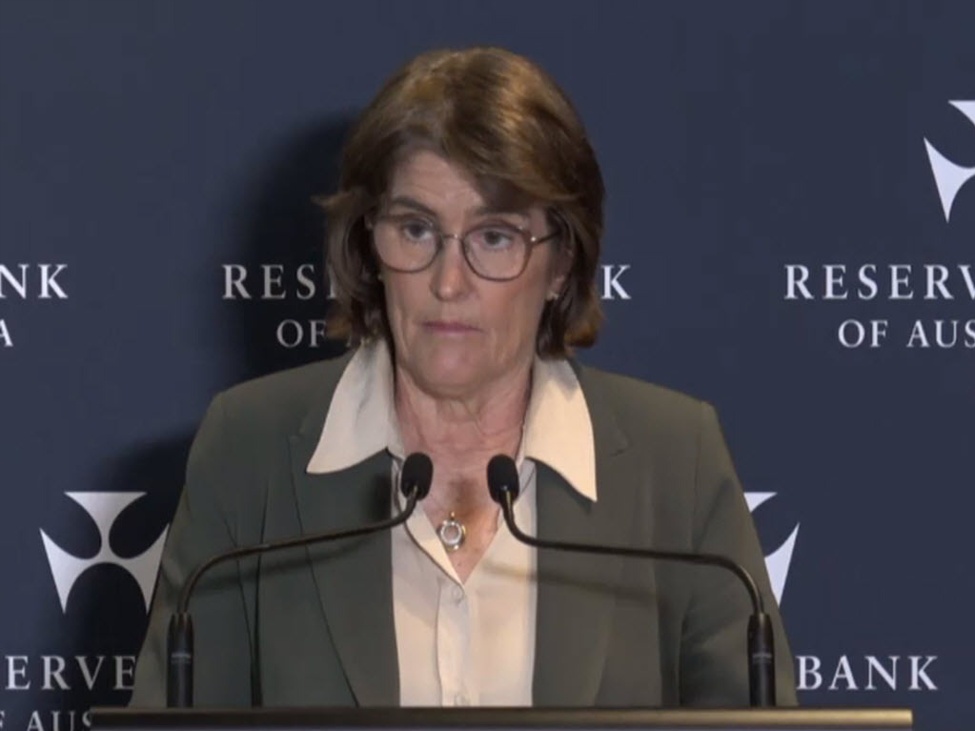
Major bank forecasts are converging on a February RBA rate hike as inflation surprises force markets to reassess policy risks.Summary:Three of four major banks now expect an RBA hike in FebruaryNAB and CBA have held hawkish calls since DecemberANZ shifted after stronger-than-expected CPI dataInflation persistence and labour tightness underpin forecastsMarket pricing for a hike has lifted to around 73%The case for a February rate hike from the Reserve Bank of Australia has strengthened, with three of the country’s four major banks now forecasting a 25 basis point increase at the February 3 meeting. National Australia Bank and Commonwealth Bank had already been calling for a hike since December, while ANZ shifted to a tightening forecast following today’s stronger-than-expected inflation data.NAB was the earliest of the majors to strike a hawkish tone, arguing that persistent inflation risks and resilience in the domestic economy would force the RBA to resume tightening despite market assumptions that policy had already peaked. NAB sees February as the first of two hikes in 2026, followed by a second move in May, warning that markets were underestimating the risk of further action if inflation failed to cool convincingly.Commonwealth Bank reached a similar conclusion in December, pointing to an economy operating closer to potential than the RBA had anticipated. CBA highlighted a faster-than-expected rebound in growth through the second half of 2025, with momentum broad-based and household consumption supported by recovering real incomes and declining savings buffers.Labour market conditions have been central to CBA’s tightening call. Employment growth has remained resilient, spare capacity appears limited, and unemployment is expected to stay low even as population growth moderates. With wages growth still running above productivity, CBA has argued domestic cost pressures remain inconsistent with inflation returning smoothly to target without additional policy restraint.Today’s CPI release has added weight to those arguments and triggered a shift from ANZ. Following upside surprises across headline and trimmed-mean inflation, ANZ now expects the RBA to lift rates by 25bp next week. However, ANZ frames the move as a one-off insurance hike, rather than the start of a sustained tightening cycle, reflecting uncertainty over how quickly inflation pressures will ease later in 2026.Markets have responded by repricing the probability of a February move higher. Pricing for a 25bp hike rose from around 62% prior to the CPI release to roughly 73% afterward, underscoring growing conviction that the RBA cannot afford to remain on hold in the face of persistent above-target inflation and a still-tight labour market.With three major banks now aligned on a February hike, attention is shifting from whether the RBA moves to how it frames the decision, as risk management against inflation persistence or as the first step in a renewed tightening phase.-Westpac is the other of Australia’s big 4. I haven’t seen anything from them yet. The last I had from analysts at WPAC was they were looking for the Reserve Bank of Australia to remain on hold.
This article was written by Eamonn Sheridan at investinglive.com.
💡 DMK Insight
February’s RBA rate hike is shaping up to be a pivotal moment for traders, and here’s why you should care: With three out of four major banks now predicting a hike, the market’s sentiment is shifting rapidly. NAB and CBA have been vocal about their hawkish stance since December, while ANZ’s recent pivot following stronger-than-expected CPI data signals a broader consensus on inflation persistence. This isn’t just a local issue; it could ripple through forex markets, particularly affecting AUD pairs. If inflation continues to surprise on the upside, we might see traders adjusting their positions aggressively ahead of the February meeting. Watch for key resistance levels in AUD/USD around recent highs, as a confirmed rate hike could push the pair higher. Conversely, if the RBA holds off, expect a sharp correction. Here’s the thing: while the mainstream narrative is focused on the hike itself, keep an eye on labor market data and consumer sentiment as potential game-changers. If these indicators show signs of weakness, it could undermine the RBA’s hawkish outlook, leading to volatility. Monitor the market closely as we approach February; the implications for both AUD and broader market sentiment could be significant.
📮 Takeaway
Watch for AUD/USD resistance levels as February approaches; a confirmed RBA hike could drive the pair higher, but weak labor data might trigger a reversal.