Bitcoin
  Ethereum
  Tether
  BNB
BNB  XRP
XRP  USDC
USDC  Solana
  TRON
TRON  Lido Staked Ether
  Figure Heloc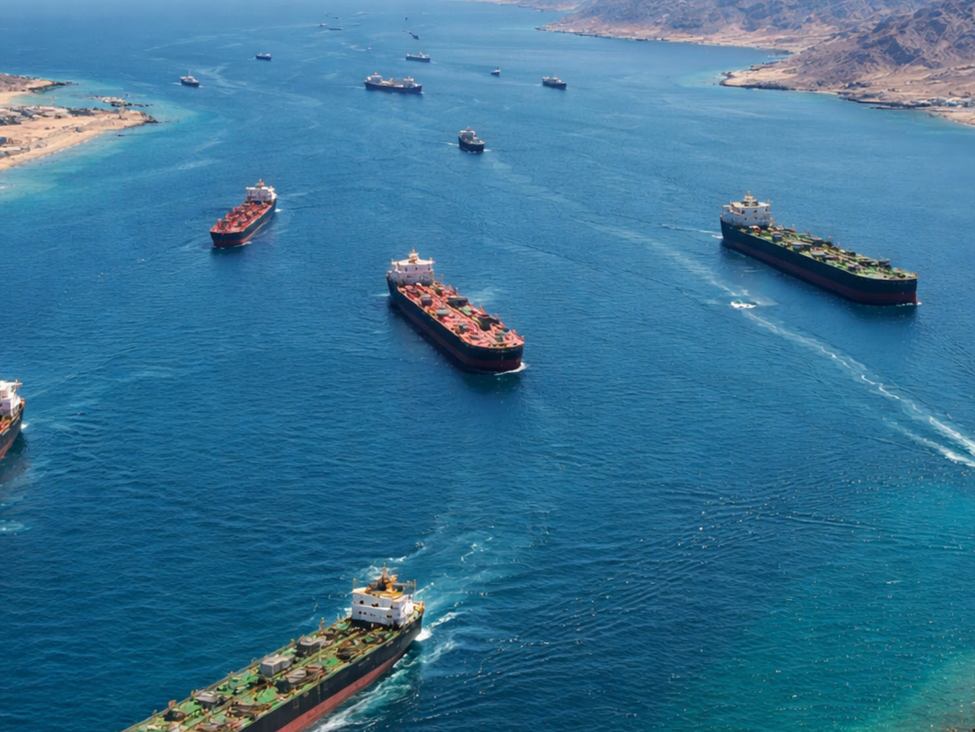
The ministry confirms that three Chinese ships have recently sailed through the Strait of Hormuz, adding that “we would like to express our gratitude for the assistance provided by all parties concerned”. They didn’t go so far to name which ships they are referring to but recent reports suggest that it is likely they are vessels tied to China’s state-run COSCO Shipping.For some context, these same ships were turned back on Friday last week as Iran continues to keep a firm stranglehold of control over the Strait of Hormuz. Two ships are said to be owned by COSCO Shipping with the other believed to be Hong Kong-owned Lotus Rising. Those were the three ships turned back at the end of last week and are believed to be allowed passage this time around.To add to that, the attempted crossing on Friday was the first outbound transit by COSCO Shipping container ships since the US-Iran conflict began on 28 February. I reckon they were denied last week amid some communication mix up but that looks to be cleared up this week already.And it seems like China will at least be one to have access through the strait for now. At this point, every little bit helps. So, that will be a massive boost to Beijing as they rely heavily on oil and petrol imports.As an aside, COSCO Shipping did sent out a client advisory on 25 March that it had resumed bookings for general cargo containers for shipments from Asia to the Gulf region. And that includes countries such as Saudi Arabia, UAE, Qatar, Bahrain, Kuwait, and Iraq. I doubt they would have sent out such a notice without having consulted with Beijing officials.In any case, I wouldn’t take this as a sign that Iran is loosening its restrictions on the strait though. China is one of its biggest allies and has been one to have been procuring oil shipments from Iran despite sanctions in the past. So, their relationship here is more of an exception rather than the rule.
This article was written by Justin Low at investinglive.com.
💡 DMK Insight
The recent passage of three Chinese ships through the Strait of Hormuz is more than just a naval maneuver; it signals potential shifts in geopolitical alliances and trade routes. For traders, this development could impact oil prices and related commodities, especially given the strategic importance of the Strait, which is a critical chokepoint for global oil supply. If tensions escalate or if these movements are perceived as a show of force, we could see volatility in crude oil markets. Watch for any price movements in Brent and WTI crude, particularly if they approach key technical levels. Additionally, keep an eye on the broader implications for U.S.-China relations, as any escalation could lead to sanctions or trade restrictions that ripple through the markets. On the flip side, if this is seen as a cooperative gesture, it might stabilize oil prices temporarily. But here’s the thing: geopolitical events can shift sentiment quickly, so traders should be prepared for rapid changes. Look for any official statements or reactions from the U.S. or other nations, as these could provide critical insights into market direction.
📮 Takeaway
Monitor crude oil prices closely, especially around key support and resistance levels, as geopolitical tensions could lead to significant volatility.