Bitcoin
  Ethereum
  Tether
  BNB
BNB  XRP
XRP  USDC
USDC  Solana
  TRON
TRON  Lido Staked Ether
  Figure Heloc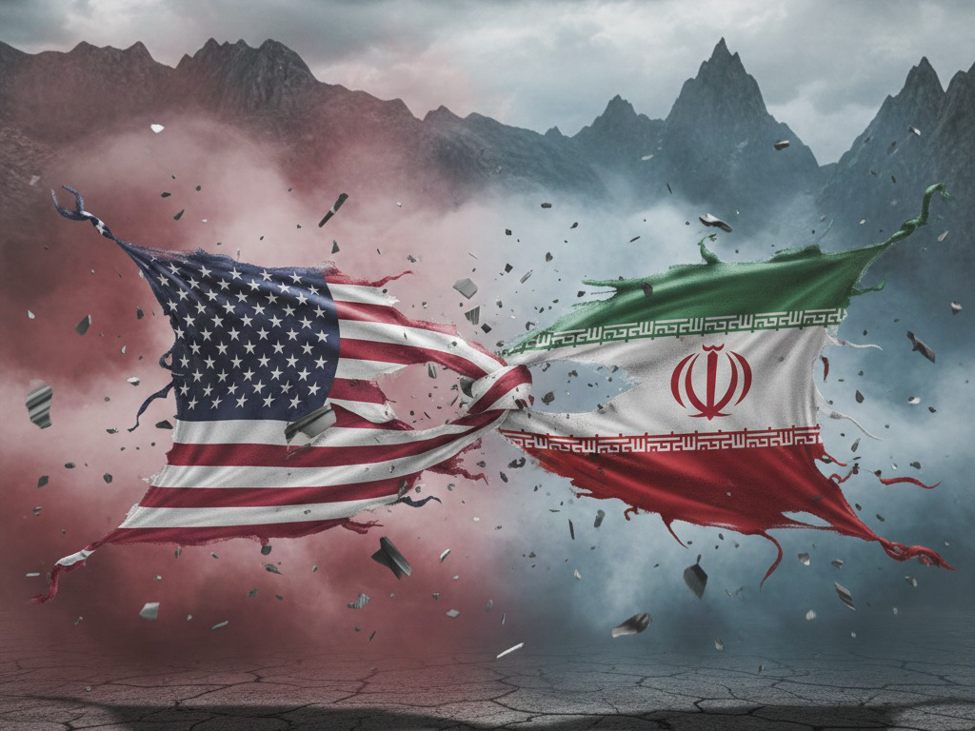
And so the deadline gets pushed to 6 April now. It all started with 48 hours from the past Saturday and then another supposed 5 days from Monday. This is starting to drag on for quite a bit more than “just a couple of weeks”. US president Trump is trying to calm the nerves as he delays escalating military actions and boasts “very substantial” talks with Iran.Once again, the latest development just serves to reaffirm that we are moving on to a new phase in the war. Iran has leverage via control of the Strait of Hormuz. And that is enough to push Trump’s pain points on multiple fronts in markets. So, that’s resulting in the US needing to dial back or risk upsetting markets even more before any of it gets better.The funny thing is we’ve seen this story before. It is the exact same playbook to how Trump played his cards with regards to China on trade/tariffs. And look how things turned out in the end.Fake trade deals aside though, what is happening with Iran might be different. The issue remains that the oil market is one that is rather sensitive and it really does have strong reverberations to the global economy. So even if there is a “peace” deal, what matters most is what will happen on the Strait of Hormuz.Trump was seen trying to brag about Iran giving the US a “present” by allowing some tankers to pass through the strait in recent days. However, the eight to ten tankers in total is rather inconsequential when you put things into context.We can see that there is a slight pick up on 23 and 24 March but it hardly compares to the usual 120 to 140 ships passing through on a daily basis before the conflict.When you take that into consideration, a prolonged timeframe in which the status quo remains isn’t a good thing for broader market sentiment. It just means with every passing day that oil supply gets tighter and the risk for energy disruption across the Gulf region will continue.Yes, kicking the can down the road might prevent “bad” news from what we can see in terms of military strikes, explosions, and casualties. However, that just continues to mean that markets are caught in limbo for an extended period of time with the oil market tightening further and countries needing to dig deeper into their reserves more and more.From an economic standpoint, it’s an awful scenario to just keep prolonging the status quo. As said before, nothing changes for markets until something changes on the Strait of Hormuz.That is the most important detail to remember. So even if there is some light sense of relief from Trump’s postponement yesterday, it doesn’t mean much unless Iran loosens their grip over movement along the strait.
This article was written by Justin Low at investinglive.com.
💡 DMK Insight
The delay to April 6 is more than just a calendar shift; it reflects ongoing uncertainty that traders need to navigate. With each postponement, market sentiment can shift, impacting volatility and trading strategies. Traders should be wary of how this extended timeline could affect liquidity and price movements in both crypto and forex markets. If traders are holding positions based on anticipated outcomes, this delay could lead to increased pressure as expectations shift. Moreover, the political backdrop adds another layer of complexity. If President Trump’s actions or statements influence market sentiment, we could see sudden price swings. It’s worth noting that prolonged uncertainty often leads to increased volatility, which could present both risks and opportunities. Traders should keep an eye on key levels that could trigger stop-loss orders or attract new buyers, especially in the lead-up to the new deadline. Watch for any announcements or developments leading up to April 6, as they could significantly impact market dynamics and trading strategies.
📮 Takeaway
Monitor developments leading to April 6; volatility could spike as traders react to new information and sentiment shifts.