Bitcoin
  Ethereum
  Tether
  BNB
BNB  XRP
XRP  USDC
USDC  Solana
  TRON
TRON  Lido Staked Ether
  Figure Heloc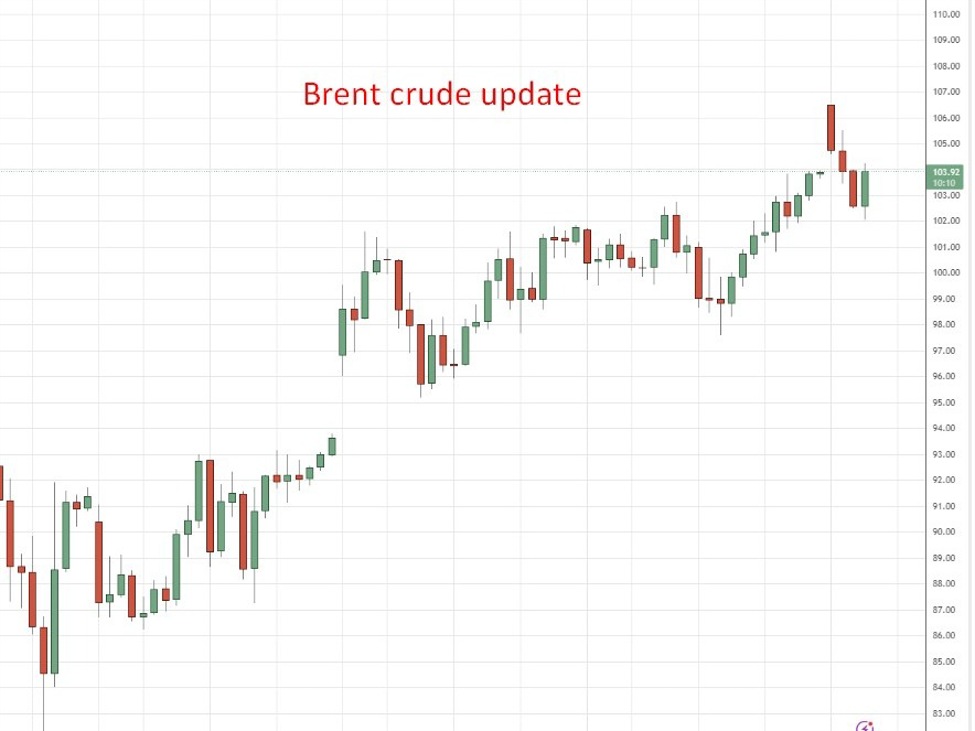
Shipping through the Strait of Hormuz has halted for the first time since the conflict began, underscoring the scale of disruption to a key global energy corridor.Summary:Ship traffic through the Strait of Hormuz dropped to zero on Saturday.The shutdown marks the first halt in transits since the war began on February 28.AIS data from Windward showed no confirmed vessel crossings.Normally about 77 ships pass through the strait each day.Traffic had already fallen sharply during the conflict’s second week.The corridor carries about 20% of global oil and gas shipments.Energy markets are closely watching whether shipping resumes.Shipping traffic through the Strait of Hormuz has effectively come to a halt for the first time since the conflict involving Iran escalated late last month, highlighting the severe disruption to one of the world’s most important energy corridors.Data from maritime analytics firm Windward showed that no vessels were recorded transiting the strait on Saturday, marking the first day since the war began on February 28 that ship movements fell to zero.The figures are based on automatic identification system (AIS) signals transmitted by vessels, which normally allow shipping activity to be tracked in real time. According to Windward’s analysis, no AIS signals confirmed ships passing through the narrow waterway during the period.Under normal conditions, the Strait of Hormuz is among the busiest energy transit routes in the world. The corridor connects the Persian Gulf to global markets and carries roughly one-fifth of global oil and liquefied natural gas shipments.On average, around 77 vessels typically cross the strait each day.However, traffic began to decline sharply following the outbreak of hostilities between Iran and the United States and Israel. By the second week of the conflict, daily crossings had already fallen dramatically, averaging just 2.7 ships per day.The collapse in shipping activity underscores the extent to which escalating security risks have disrupted maritime trade in the region. Attacks on vessels and rising military tensions have led many shipping companies and insurers to avoid the route altogether.The near-total shutdown of traffic through the strait has intensified concerns in global energy markets, as prolonged disruption could restrict access to a critical supply channel for crude oil and liquefied natural gas.The Strait of Hormuz is a key export route for major Gulf energy producers including Saudi Arabia, the United Arab Emirates, Kuwait and Iraq.Any sustained interruption to flows through the waterway could tighten global energy supplies and amplify volatility in oil markets, which have already surged in response to the conflict.Traders and policymakers are now closely monitoring whether international efforts to secure the corridor can restore shipping activity in the coming days. Trump is scrambling:Trump on his knees. Begging for help from China, EU, UK, NATO on Hormuz.Oil lower to fill gap as Trump presses allies for Hormuz help
This article was written by Eamonn Sheridan at investinglive.com.
💡 DMK Insight
The halt in shipping through the Strait of Hormuz is a game changer for energy markets. With zero ship traffic reported, traders need to brace for potential spikes in oil prices. This disruption affects not just crude oil but also broader commodities, as the Strait is a vital artery for global energy supplies. If this situation persists, we could see Brent crude testing resistance levels significantly above current prices, especially if geopolitical tensions escalate further. Keep an eye on the daily charts for any breakout patterns that could signal a sustained rally. On the flip side, if the halt is resolved quickly, we might see a swift correction. But for now, the risk of supply shocks is real, and traders should monitor OPEC’s response and any strategic reserves that might come into play. Watch for key price levels around recent highs, as they could serve as critical indicators for market sentiment moving forward.
📮 Takeaway
Monitor Brent crude prices closely; a sustained halt in Hormuz traffic could push prices above recent highs, signaling a potential buying opportunity.