Bitcoin
  Ethereum
  Tether
  XRP
XRP  BNB
BNB  USDC
USDC  Solana
  TRON
TRON  Lido Staked Ether
  Figure Heloc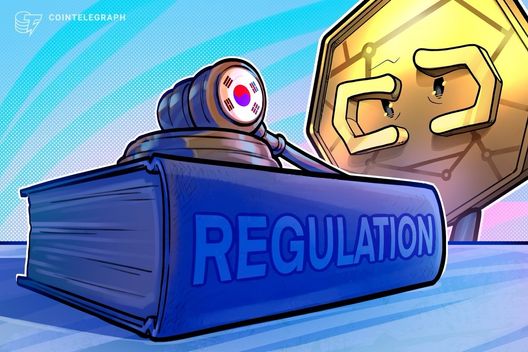
An inspection found slow reconciliation cycles and weak trade-halting systems across major crypto exchanges.
💡 DMK Insight
Crypto exchanges are struggling with slow reconciliation cycles, and here’s why that matters: These inefficiencies can lead to increased volatility and potential liquidity issues, especially during high-stress market conditions. Traders relying on these platforms for quick entries and exits might find themselves at a disadvantage, particularly if trade-halting systems fail to respond promptly. This could amplify price swings, making it crucial for day traders and swing traders to monitor exchange performance closely. Moreover, if these weaknesses persist, we could see a shift in trading volume towards platforms that demonstrate better reliability. Keep an eye on how major exchanges respond to these findings—if they implement improvements, it could stabilize trading conditions. Conversely, if issues linger, we might see a broader market impact, affecting not just crypto but also correlated assets like Bitcoin futures and altcoins. Watch for any announcements from exchanges regarding upgrades or changes in their systems, as this could signal shifts in market sentiment.
📮 Takeaway
Monitor exchange announcements on system upgrades; persistent issues could lead to increased volatility and impact trading strategies significantly.

![Stock markets soar as predicted [Video]](https://dmknewsbot.io/wp-content/uploads/2026/04/Equity-Index_SP500-1_Medium.jpg)