Bitcoin
  Ethereum
  Tether
  XRP
XRP  BNB
BNB  USDC
USDC  Solana
  TRON
TRON  Lido Staked Ether
  Figure Heloc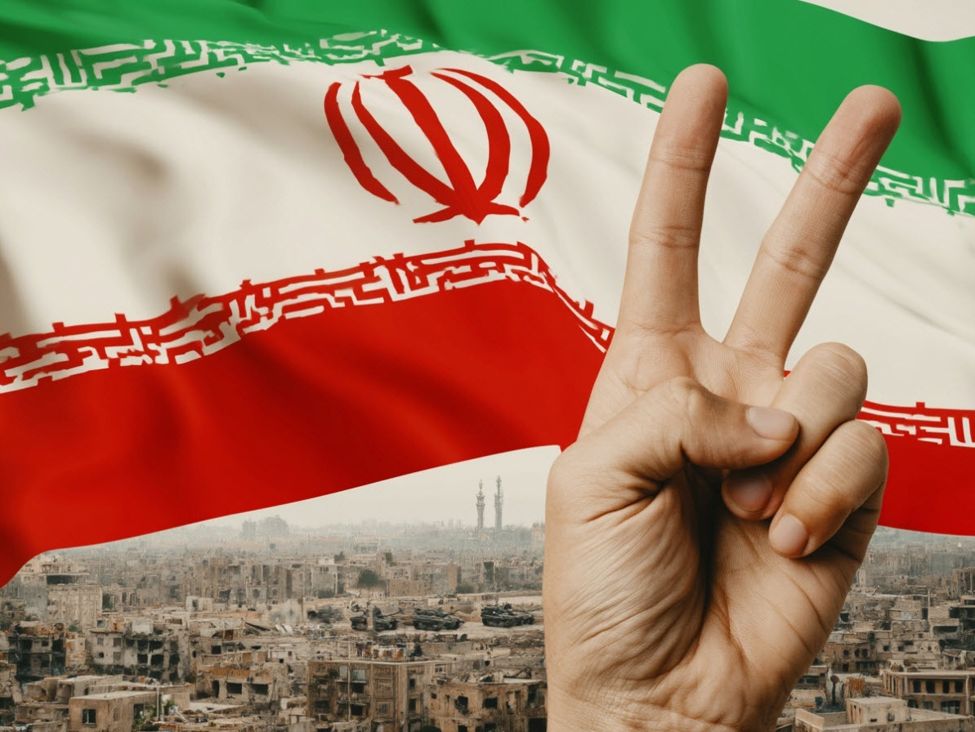
Well, here we go again. Another two-week ceasefire but this time around, it seems like there is a better feeling that the war is slowly winding down. And perhaps more importantly, this time Iran is also agreeing to it and coming to the negotiating table.US president Trump dropped the news overnight and that is seeing markets catch a massive risk-on wave. Oil prices have plummeted while stocks are rallying hard on the headlines, with bond yields falling off alongside the dollar.Here’s a quick catch up of how things went since last night:US president Trump announces “double-sided” ceasefire for two weeksThis is conditional on the Strait of Hormuz “reopening”Iran confirms the ceasefire, with its 10-point proposal being the basis for talks to beginPakistan is the main mediator for negotiations, with likely backchannel support from ChinaFirst round of talks to take place in Islamabad on 10 AprilIran reportedly to allow for better passage through Strait of Hormuz in the meantimeWTI crude is down over 14% on the day now to $96.55. That marks the biggest drop since the Covid pandemic but in dollar terms, this is even greater than that – at least if held for now.And in turn, broader markets are rallying on renewed optimism that things will go back to “normal” soon enough. However, the question will be what exactly is this new “normal”?For now, there is an even bigger question as to how many ships will Iran allow passing through Hormuz and better yet, who are they letting pass?In the past week, there has been a noticeable pick up in activity. That is likely a gesture of goodwill ahead of talks and Iran gives Trump a few “gifts” to appeal to his better nature. Of note, Kpler data shows at least 45 commercial vessels have passed through the strait since Friday.It is very much still a single-digit average per day but better than the supposed 1-3 vessels passing through at one point last month.However, it is not all good news. Iran still maintains control over the strait and gets to decide who they let pass. For now, the pickup in activity seems to be mostly for vessels that are headed towards the likes of India (and China).And it was also reported yesterday that Qatar LNG tankers Al Daayen and Rasheeda had to turn back on 6 April after attempting to cross initially. Those two tankers were supposed to be among those Iran allowed to cross as part of the initial agreement last week, before this latest one.According to Kpler data with verification from Bloomberg and LSEG, no loaded LNG tanker has passed through the Strait of Hormuz since 28 February.While markets might be cheering on optimism on the news and headlines, do be reminded that this all needs to be backed up by ship tracking data at the end of the day. That works for both LNG and crude oil shipments.Otherwise, it is the same kind of thing as we have come to know with any “deal” with this US administration. Remember about the time China was supposed to buy up more US soybeans? Remember the whole Phase One trade deal fiasco? Yes, that “deal” was dead on arrival right from the get go.Markets quickly moved on and were able to sweep that all under the rug. I’m just afraid that with oil and gas being as impactful as it is, markets might not go unpunished in underestimating the reality of this particular situation.If Iran does allow for better passage through the strait, then sure there is scope to be optimistic. Otherwise, whatever is said today doesn’t mean anything in the bigger picture.Actions speak louder than words. Watch for ship tracking data and who Iran is allowing to move through the strait. That is what will determine whether or not this ceasefire rally is justified.
This article was written by Justin Low at investinglive.com.
💡 DMK Insight
So, another ceasefire is on the table, and here’s why that matters: traders need to watch for potential shifts in oil prices and geopolitical sentiment. With Iran now involved in negotiations, the dynamics could change significantly, impacting not just oil but also broader market stability. If tensions ease, we might see a drop in volatility across commodities, which could open up opportunities for day traders looking to capitalize on price movements. But don’t get too comfortable—this isn’t a guarantee of lasting peace. Markets often react to news cycles, and if negotiations falter, we could see a quick reversal. Keep an eye on oil prices; a sustained drop below key support levels could signal a bearish trend, while a rebound could lead to bullish plays. Watch for any announcements or developments over the next two weeks, as they could set the tone for trading strategies moving forward.
📮 Takeaway
Monitor oil prices closely; a drop below key support could signal bearish trends, while any positive news could create bullish opportunities.

![Stock markets soar as predicted [Video]](https://dmknewsbot.io/wp-content/uploads/2026/04/Equity-Index_SP500-1_Medium.jpg)