Bitcoin
  Ethereum
  Tether
  XRP
XRP  BNB
BNB  USDC
USDC  Solana
  TRON
TRON  Lido Staked Ether
  Dogecoin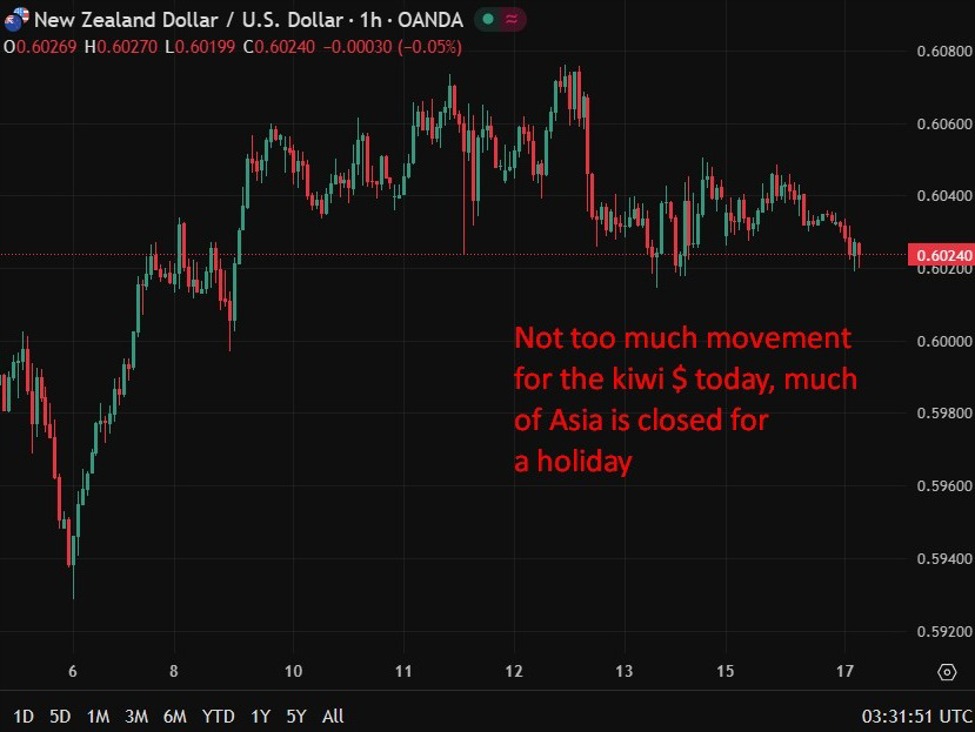
ING expects the RBNZ to hold in February 18 but signal a more hawkish stance as inflation surprises to the upside, forecasting two hikes from 3Q and medium-term NZD strength.Summary of their views below. Earlier:RBNZ expected to hold rates as higher food price inflation adds limited pressureLikely RBNZ on hold decision February 18RBNZ statement due 18 February at 2pm New Zealand time (0100 GMT / 2000 US Eastern time on Tuesday 17 February)Summary:RBNZ expected to keep rates unchanged on 18 February, but projections may turn more hawkish.Recent inflation prints have exceeded the bank’s forecasts, raising questions over last year’s easing.New Governor Anna Breman’s reaction function in focus at her first full meeting.ING expects two rate hikes from 3Q, taking the policy rate to 2.75% by year-end.NZD seen supported medium term, with year-end NZD/USD forecast at 0.62.The Reserve Bank of New Zealand is widely expected to leave its policy rate unchanged at its February meeting, but attention is likely to centre on whether policymakers begin laying the groundwork for renewed tightening later this year, according to ING.The bank argues that inflation developments have challenged the RBNZ’s earlier disinflation narrative. Fourth-quarter headline CPI rose 3.1% year-on-year, above the central bank’s 2.7% projection, while non-tradable inflation also exceeded expectations. That gap has fuelled debate over whether last year’s easing cycle may have been too aggressive.With the first-quarter CPI report not due until late April, this week’s meeting and the one in early April will be key opportunities for the RBNZ to signal how it interprets the inflation backdrop. ING expects no immediate policy move but sees scope for upward revisions to both inflation forecasts and the projected rate path.February’s meeting will also provide investors with their first clear read on Governor Anna Breman’s approach after stronger-than-expected price data. While she previously carried a dovish reputation, recent communications have emphasised flexibility and a willingness to adjust policy if inflation proves sticky. Markets currently price no rate hikes until late 2026, a stance ING sees as vulnerable to revision.On growth and employment, the picture remains relatively firm. Employment growth has outpaced central bank projections, participation has risen and business surveys suggest gradual momentum in services and manufacturing. That backdrop reduces pressure for further easing and supports the case for eventual tightening.ING’s core call is for two rate hikes beginning in the third quarter, lifting the policy rate to 2.75% by year-end, followed by a further move in 2027 toward a 3.0% neutral level. With markets already pricing around 40 basis points of tightening by December, confirmation of a hawkish shift in projections could validate expectations and prompt renewed NZD strength. ING sees upside risks for NZD/USD toward 0.62 by year-end, although it cautions that near-term gains could be tempered by fragile global risk sentiment and recent rapid currency appreciation.
This article was written by Eamonn Sheridan at investinglive.com.
💡 DMK Insight
RBNZ’s potential hawkish shift could shake up the NZD market significantly. With ING forecasting two rate hikes starting in Q3, traders should be on alert for any hints of this in upcoming statements. A hold in February might not be the end of the story; if inflation continues to surprise on the upside, as suggested by rising food prices, the RBNZ could pivot sooner than expected. This could lead to a stronger NZD, impacting not just forex pairs like NZD/USD but also commodities priced in NZD. Watch for key resistance levels around recent highs, as a break could signal a bullish trend. Keep an eye on inflation data releases and RBNZ communications for clues on timing and market sentiment shifts. The flip side? If inflation pressures ease unexpectedly, the RBNZ might maintain a more dovish tone, which could weaken the NZD and create opportunities for short positions. Overall, the market’s reaction will hinge on how the RBNZ balances inflation concerns with economic growth, so stay tuned for any shifts in their narrative.
📮 Takeaway
Watch for RBNZ’s February meeting; a hawkish signal could strengthen the NZD, especially if inflation data continues to surprise.