Bitcoin
  Ethereum
  Tether
  BNB
BNB  XRP
XRP  USDC
USDC  Solana
  TRON
TRON  Lido Staked Ether
  Figure Heloc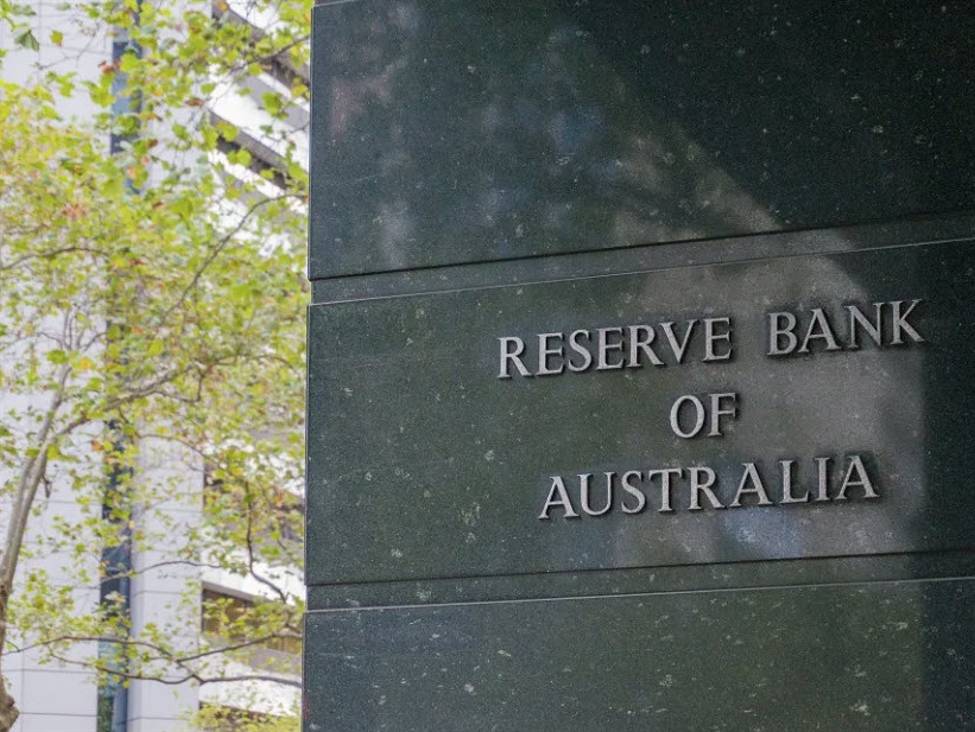
Prior was 3.60%The decision was unanimous The last cut was in AugustThe next decision is Feb 3Highlights from the statement:Recent data suggests risks to inflation have tilted to the upside, but it will take “a little longer” to assesses the persistence of inflation pressuresVarious indicators suggest that labor market conditions remain a little tightBoard will be attentive to the data and the evolving assessment of the outlook and risks to guide its decisionsEconomic activity continues to recoverUncertainty in the global economy remains significant but so far there has been minimal impact on overall growth and trade in Australia’s major trading partnersIs this the bottom in rates? The market is pricing in a hike by August 2026.AUD/USD fell about 15 pips on the headlines but quickly recovered, suggesting the market was worried about something more hawkish. A bit of the March hike probability has faded, down to about 27% from 33%.The upcoming inflation figures are going to be major AUD movers.
This article was written by Adam Button at investinglive.com.
💡 DMK Insight
The unanimous decision to hold rates steady signals a cautious approach amid rising inflation risks. Traders should note that the Fed’s acknowledgment of upside inflation pressures suggests a potential shift in sentiment. With the next decision on February 3, market participants need to monitor economic indicators closely, especially labor market conditions. If inflation persists, we could see a more aggressive stance from the Fed, impacting not just forex but also equities and commodities. Keep an eye on the 3.60% level as a psychological benchmark; any hints of rate hikes could trigger volatility across markets, particularly in interest-sensitive assets like tech stocks and real estate. On the flip side, if inflation shows signs of stabilizing, we might see a rally in risk assets. So, watch for any shifts in economic data leading up to the February meeting, as they could dictate market direction significantly.
📮 Takeaway
Monitor the 3.60% rate level and upcoming economic data closely; any signs of persistent inflation could lead to market volatility ahead of the February 3 decision.