Bitcoin
  Ethereum
  Tether
  BNB
BNB  XRP
XRP  USDC
USDC  Solana
  TRON
TRON  Lido Staked Ether
  Figure Heloc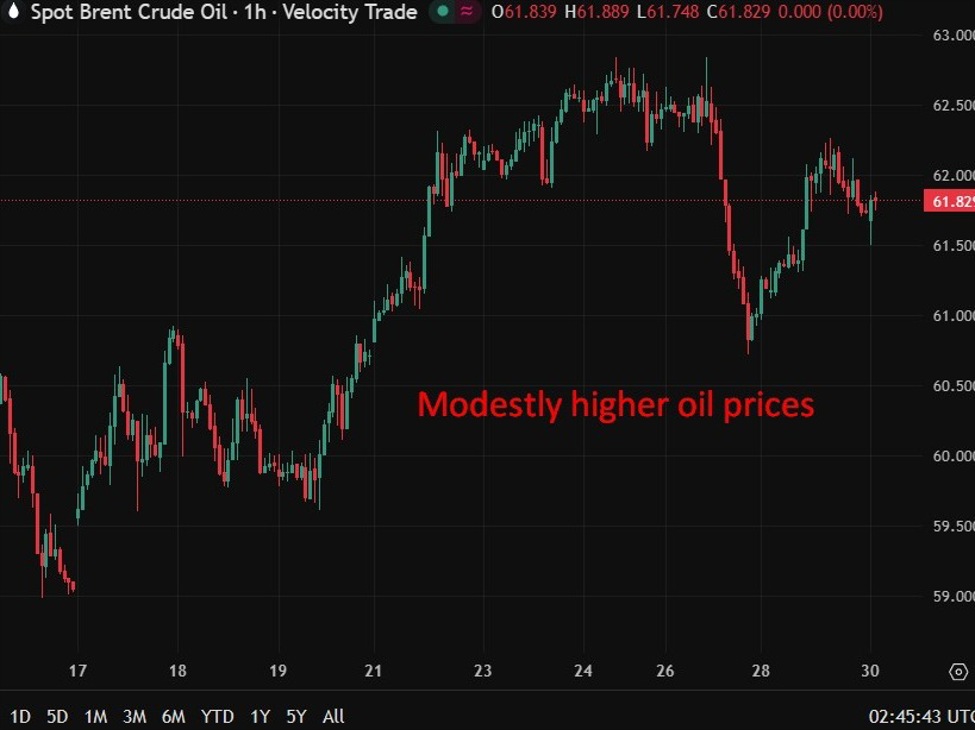
TL;DR summary:Saudi Arabia carried out airstrikes in southern Yemen, indirectly confronting the UAE.Riyadh accused UAE-linked channels of supplying weapons to southern separatists.The episode exposes a widening Saudi–UAE rift with potential oil-market implications.Quiet but long-simmering tensions between Saudi Arabia and the United Arab Emirates (UAE) moved into the open after Saudi airstrikes in southern Yemen, marking the first time Riyadh has directly opposed its former ally in the Yemen conflict.Saudi Arabia said it carried out strikes targeting weapons depots linked to the Southern Transitional Council (STC), a UAE-backed southern separatist faction seeking to restore an independent South Yemen along pre-1990 borders. According to Saudi officials, the weapons were delivered via two ships from Fujairah port in UAE, a claim that sharply escalates the political significance of the operation.The strikes reportedly hit the port of Mukalla in Yemen’s eastern Hadramout province, an area that has become increasingly sensitive as rival regional powers jockey for influence along key Red Sea and Gulf of Aden trade routes. While Riyadh has long viewed the STC’s separatist ambitions as a strategic red line, the latest action suggests Saudi Arabia is now willing to confront the UAE’s role more directly, albeit through proxy dynamics on Yemeni soil.Saudi–UAE friction has been building for years beneath the surface. Once aligned in Yemen against the Houthi movement, the two powers have diverged sharply over end-game objectives. The UAE has cultivated strong ties with southern militias and port infrastructure, while Saudi Arabia prioritises territorial integrity along its southern border and fears that Yemeni fragmentation could destabilise the region.The implications extend well beyond Yemen. Any visible rupture between Riyadh and Abu Dhabi introduces a new layer of uncertainty for energy markets. Both countries sit at the heart of global oil supply chains, and rising intra-Gulf tensions risk inflating geopolitical risk premiums, particularly if disputes spill into maritime chokepoints or shipping logistics.For now, the confrontation remains indirect. But the strikes underscore how Yemen is once again emerging as a flashpoint, not just for regional proxy wars, but for fractures among Gulf allies themselves.
This article was written by Eamonn Sheridan at investinglive.com.
💡 DMK Insight
Saudi Arabia’s airstrikes in Yemen signal a serious rift with the UAE, and here’s why that matters for oil traders: The ongoing tensions could disrupt oil supply chains, especially if military actions escalate. With both nations being major players in OPEC, any instability in the region could lead to volatility in crude oil prices. Traders should keep an eye on Brent crude, which has been sensitive to geopolitical events. If tensions escalate further, we might see a breakout above key resistance levels, potentially pushing prices higher. Conversely, if the situation stabilizes, we could see a pullback. Watch for any statements from OPEC or related entities that could indicate a shift in production strategies as well. Here’s the flip side: while the immediate reaction might be bullish for oil, prolonged conflict could lead to economic sanctions or reduced output, which might ultimately stabilize prices in the long run. Keep an eye on the $90 per barrel mark for Brent as a critical level to gauge market sentiment moving forward.
📮 Takeaway
Monitor Brent crude’s response around the $90 level as Saudi-UAE tensions could drive volatility in oil prices.