Bitcoin
  Ethereum
  Tether
  BNB
BNB  XRP
XRP  USDC
USDC  Solana
  TRON
TRON  Lido Staked Ether
  Figure Heloc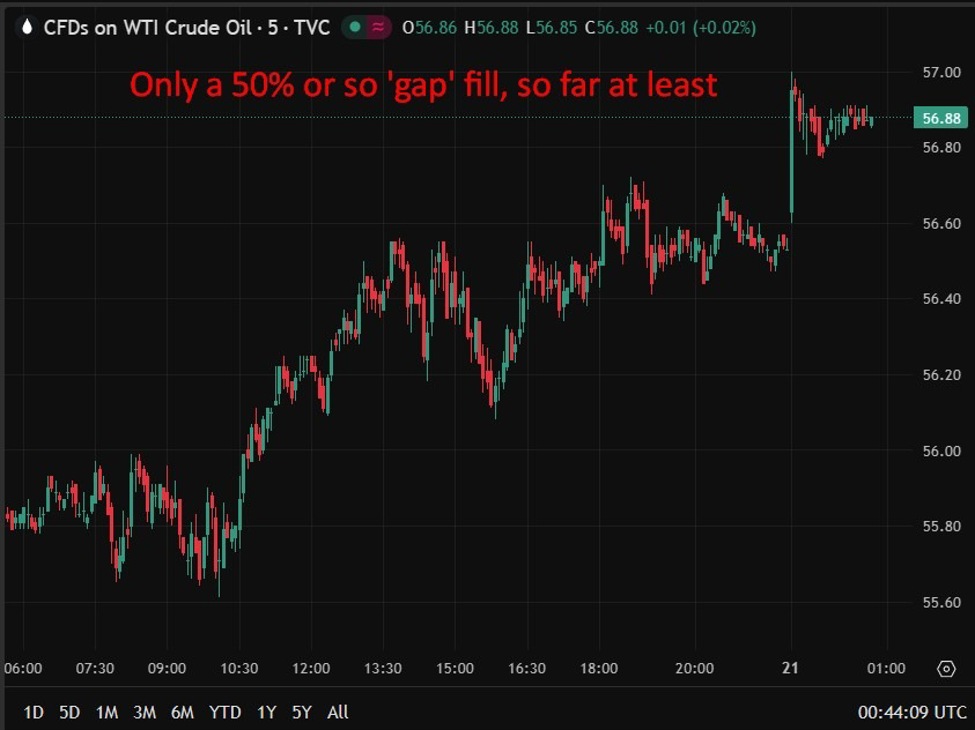
SummaryOil prices rose after the U.S. intercepted a Venezuelan oil tankerWashington is pursuing another tanker, tightening sanctions enforcementIsrael–Iran tensions add a separate geopolitical risk premiumMarkets wary of miscalculation triggering broader conflictSupply-side risks outweigh near-term demand concernsOil prices firmed in early Asian trading on Monday, supported by a renewed uptick in geopolitical risk after the United States intercepted a Venezuelan oil tanker over the weekend, while tensions between Israel and Iran remained elevated.U.S. officials told Reuters that Washington is also pursuing another Venezuelan tanker, which would mark the third such interception in less than two weeks if successful. The stepped-up enforcement highlights a tougher U.S. stance on sanctions evasion and adds uncertainty around crude supply flows from Venezuela at a time when markets are already sensitive to geopolitical disruptions.The tanker action comes against a backdrop of rising Middle East tensions after Israel warned the United States that recent missile exercises by Iran’s Revolutionary Guard could be misread as preparations for a strike. While U.S. intelligence does not currently see evidence of an imminent Iranian attack, Israeli officials have stressed that risk tolerance is far lower following the Oct. 7, 2023 Hamas assault, raising concerns about miscalculation and unintended escalation.Energy markets have responded by building in a higher geopolitical risk premium. Traders remain focused on the possibility that even a limited Israel–Iran confrontation, or defensive pre-emptive actions triggered by misinterpretation, could disrupt oil flows through the Strait of Hormuz, a critical chokepoint for global crude supply.At the same time, the Venezuelan tanker interceptions underscore Washington’s willingness to more actively police sanctions, potentially tightening effective supply from Latin America. While Venezuelan crude exports have continued despite sanctions via opaque shipping routes, repeated U.S. interdictions increase uncertainty around delivery reliability and insurance costs.Together, the Middle East risk backdrop and firmer U.S. enforcement action are providing support to oil prices, even as broader macro concerns, including global growth and monetary policy, continue to cap upside. For now, the market appears more focused on tail risks to supply than on near-term demand headwinds.
This article was written by Eamonn Sheridan at investinglive.com.
💡 DMK Insight
Oil prices are climbing, and here’s why traders need to pay attention: geopolitical tensions and supply-side risks are mounting. The U.S. interception of a Venezuelan oil tanker signals a tightening of sanctions that could further restrict supply. With Israel and Iran’s escalating tensions, the market is pricing in a risk premium that could lead to significant volatility. Traders should note that while demand concerns linger, the supply-side dynamics are currently dominating market sentiment. If prices break above key resistance levels, we could see a sustained rally. Watch for how these geopolitical events unfold, as any miscalculation could trigger broader conflicts, impacting not just oil but related markets like energy stocks and commodities. Keep an eye on the daily chart for oil; a close above recent highs could signal a bullish trend. Conversely, if tensions ease or if there’s a significant demand drop, we might see a pullback. The real story is how these geopolitical factors will influence trading strategies in the coming weeks.
📮 Takeaway
Monitor oil prices closely; a break above recent highs could signal a bullish trend, while geopolitical tensions remain a key risk factor.