Bitcoin
  Ethereum
  Tether
  BNB
BNB  XRP
XRP  USDC
USDC  Solana
  TRON
TRON  Lido Staked Ether
  Figure Heloc
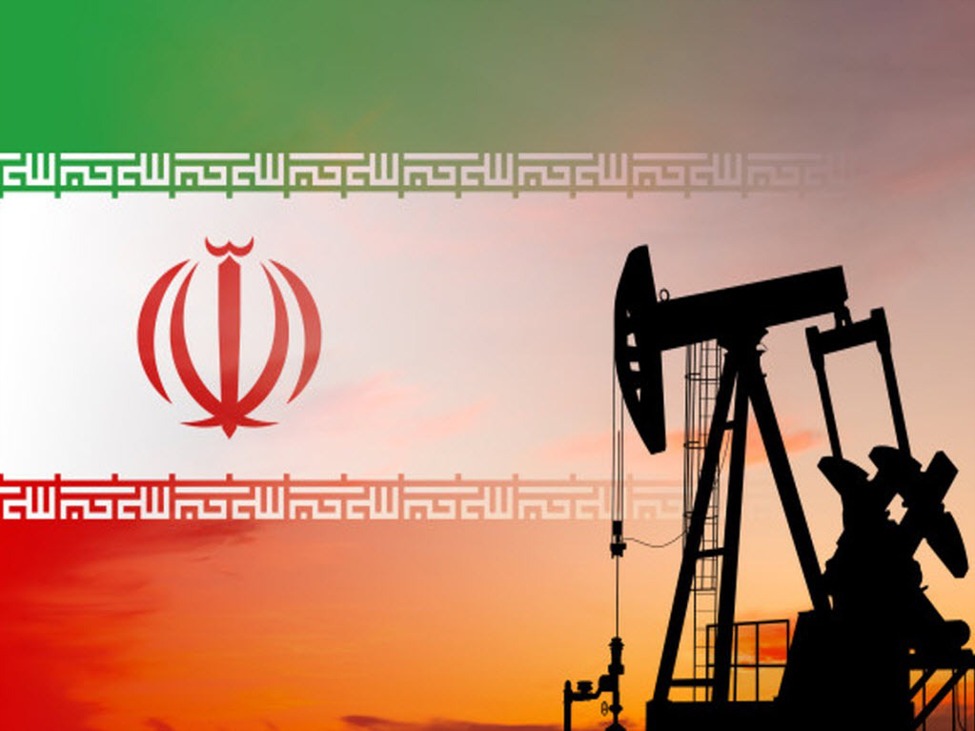
One of the big surprises of 2025 was OPEC+ abandoning efforts to prop up the price of oil. For years, OPEC had been a strong market backstop, managing supply to maintain a floor under crude. However, a combination of eroding market share, resilient non-OPEC production finally forced a change in strategy and perhaps a nudge from US President Trump led to an abrupt change of strategy.The shift began in the spring of 2025, when Saudi Arabia and its allies signaled they were no longer willing to shoulder the burden of production cuts while producers in the US, Guyana, and Brazil continued to hit record output levels. By mid-year, the ‘price-over-volume’ mantra was replaced by a more aggressive pursuit of market share, reminiscent of the 2014 price war.Internal tensions reached a breaking point as several member nations, notably Iraq and Kazakhstan, repeatedly overproduced their assigned quotas. Frustrated by the lack of discipline, the core leadership decided that a period of lower prices would serve as a ‘reset’ to force adherence to future agreements.OPEC may have also wanted to punish US shale players (the source of all supply growth in the past decade) for the ‘drill, baby, drill’ mantra.Today, WTI crude fell $1.61 to $56.74. That wipes out the gains on Monday/Tuesday and leaves oil flat on the week and it continues to sit close to five year lows.As we move toward 2026, the question is no longer when OPEC+ will cut again, but how long they can tolerate the fiscal pain of sub-$70 oil in their quest to reassert dominance over the global energy landscape. Ultimately, the cure for low prices is low prices. US shale producers cut drilling budgets and will continue to do so. Few are making money below $60 WTI as costs have far outstripped crude prices since covid.My guess is that buying crude will be one of the great trades of 2026 — similar to how it was in late 2020. The question is ‘when to buy?’. There is a school of argument that all the excess oil is already priced in and that global balances aren’t as bad as they seem. I’ll be sympathetic to that argument if we can get through the winter without a disorderly oil breakdown. So I believe the trade will be to buy a puke in the oil market below $40 or to wait until April when the seasonals begin to improve.
This article was written by Adam Button at investinglive.com.
💡 DMK Insight
OPEC+’s shift away from supporting oil prices is a game changer for traders. This move signals a potential oversupply in the market, especially with non-OPEC production holding strong. For day traders and swing traders, this could mean increased volatility in crude oil prices, creating both risks and opportunities. If OPEC+ is no longer the safety net it once was, traders should brace for potential price drops, especially if demand doesn’t keep pace with supply. Look at key technical levels around recent support and resistance points. If crude breaks below a certain threshold, say a significant psychological level, we could see a cascade effect impacting related markets like energy stocks and even currencies tied to oil exports. Keep an eye on the upcoming inventory reports and geopolitical developments that could further influence supply dynamics. The real story here is how quickly traders react to this new landscape—watch for shifts in sentiment and positioning as the market adjusts to OPEC+’s new stance.
📮 Takeaway
Monitor crude oil prices closely; a break below key support levels could trigger significant volatility and trading opportunities.