Bitcoin
  Ethereum
  Tether
  XRP
XRP  BNB
BNB  USDC
USDC  Solana
  TRON
TRON  Lido Staked Ether
  Figure Heloc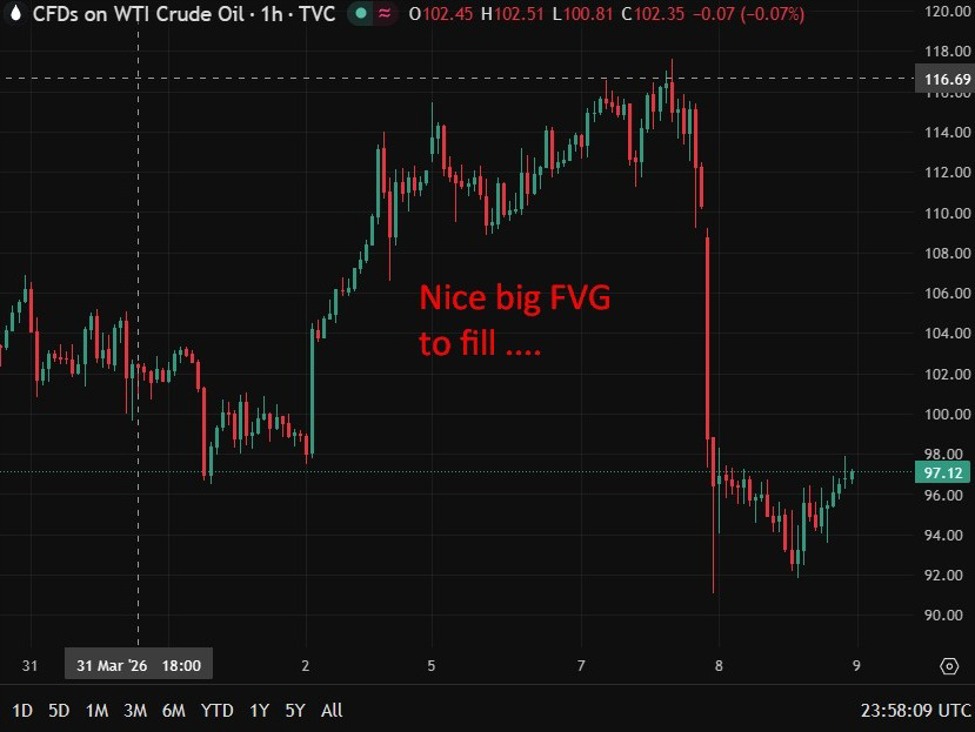
Hormuz remains effectively shut despite ceasefire, with tanker flows still halted.Summary:Strait of Hormuz effectively closed despite ceasefire
No oil or gas tankers transiting waterway – NY Times cite Kpler, a global ship-tracking firm.
Only limited dry cargo vessels making passage
Iranian media says strait “fully closed”
Reports of tankers being turned away
Ship tracking shows vessels reversing course
Passage requires coordination due to mines
Insurers and operators remain cautious
Conflicting US and Iranian messaging adds uncertainty
Key global energy chokepoint still disruptedThe Strait of Hormuz remained effectively closed more than 24 hours after a ceasefire between the United States and Iran, raising fresh doubts about how quickly normal energy flows can resume through one of the world’s most critical shipping routes.Despite the ceasefire agreement struck Tuesday, no oil or gas tankers have transited the strait, according to ship-tracking data, with only a handful of dry cargo vessels making passage. Maritime data suggests that traffic has largely stalled, with the most recent crossing occurring mid-morning Wednesday, after which activity appeared to cease altogether.Iranian state media described the strait as “fully closed,” with reports that some tankers attempting to pass through had been turned away. Additional reports linked the renewed halt in traffic to ongoing regional tensions, including Israeli strikes in Lebanon, underscoring how fragile the ceasefire remains across multiple fronts.Shipping data appears to confirm those disruptions. One oil tanker was observed reversing course mid-transit, effectively turning back rather than continuing through the waterway, highlighting the operational risks still facing vessels in the region.Iranian officials have indicated that passage may be possible under strict conditions, including coordination with the Iranian navy and adherence to designated routes due to the presence of mines. However, even with such assurances, uncertainty remains high.A key factor limiting traffic may be the reluctance of ship operators and insurers to re-enter the strait without greater clarity on security conditions. Elevated insurance costs and ongoing safety concerns continue to weigh on decision-making, even as political leaders signal de-escalation.Confusion has also been amplified by mixed messaging from officials. While Iranian sources describe a closure, U.S. officials have disputed that characterisation while simultaneously calling for the immediate reopening of the waterway.The Strait of Hormuz remains central to global energy markets, carrying roughly a quarter of the world’s seaborne oil and a significant share of liquefied natural gas. Its continued disruption, even in the presence of a ceasefire, reinforces concerns that the supply shock may persist longer than headline developments suggest.
This article was written by Eamonn Sheridan at investinglive.com.
💡 DMK Insight
The Strait of Hormuz is a critical chokepoint for global oil supply, and its effective closure is a major red flag for traders. With tanker flows halted, this situation could lead to significant price spikes in crude oil markets, particularly if tensions escalate further. Traders should keep an eye on Brent and WTI prices, as disruptions in this region often lead to immediate volatility. Historically, similar closures have resulted in price surges, so expect heightened activity in oil futures and related ETFs. Moreover, if this situation persists, we could see ripple effects in energy stocks and even broader market indices, as rising oil prices can stoke inflation fears. On the flip side, if a resolution is reached quickly, we might see a swift correction. Watch for any statements from Iranian officials or international responses that could signal a change in the current dynamics. Key levels to monitor include the $90 mark for Brent crude, which could act as a psychological barrier for traders looking to position themselves ahead of potential volatility.
📮 Takeaway
Keep a close watch on Brent crude around the $90 level; any sustained closure of Hormuz could trigger significant price movements.