Bitcoin
  Ethereum
  Tether
  XRP
XRP  BNB
BNB  USDC
USDC  Solana
  TRON
TRON  Lido Staked Ether
  Figure Heloc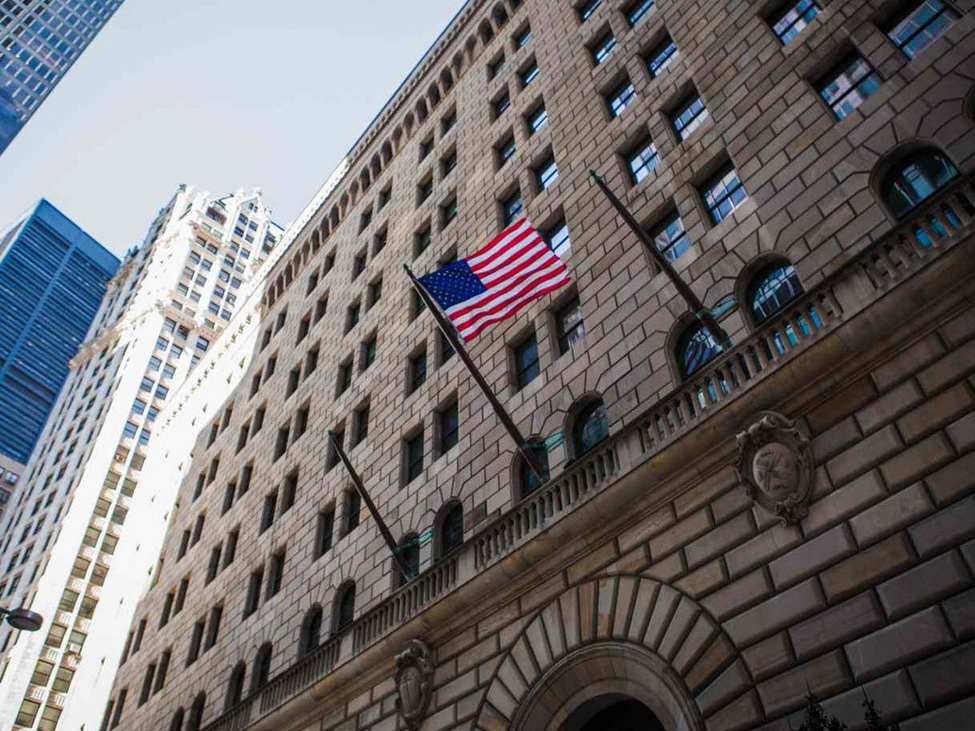
Morgan Stanley expects the Fed to begin cutting rates in June but warns a surge in oil prices could lift U.S. recession risk.The Federal Reserve’s Federal Open Market Committee (FOMC) meet March 17 and 18. Summary:Morgan Stanley maintains its forecast that the Federal Reserve will begin cutting interest rates in June, with another reduction expected in September.The bank believes easing will begin even as inflation risks remain elevated due to energy prices.Chief economist Michael Gapen warns that a sharp rise in oil prices could materially alter the economic outlook.Oil trading in the $125–$150 per barrel range could weigh on U.S. economic growth, increasing downside risks to activity.Under such a scenario, Morgan Stanley estimates the probability of a U.S. recession could rise to around 20%.Energy-driven inflation shocks could complicate the Fed’s policy path by simultaneously slowing growth while keeping price pressures elevated.Morgan Stanley continues to expect the Federal Reserve to begin lowering interest rates in mid-2026, with the first reduction anticipated in June and a second cut projected for September.The forecast comes as policymakers face an increasingly complex macroeconomic environment shaped by rising geopolitical tensions and volatile energy markets. While inflation has gradually eased from its peak levels, the sharp surge in oil prices linked to the conflict in the Middle East has introduced new uncertainty into the outlook for both inflation and economic growth.Morgan Stanley’s chief economist Michael Gapen has warned that a significant escalation in energy prices could pose a meaningful threat to the U.S. economy. In particular, oil prices moving into the $125 to $150 per barrel range would likely act as a drag on economic activity by raising costs for businesses and consumers while eroding household purchasing power.Higher energy prices can ripple through the economy in several ways. Elevated fuel costs increase transportation and production expenses across multiple industries, which can push consumer prices higher while simultaneously dampening demand. At the same time, rising gasoline and energy bills tend to reduce discretionary spending, slowing overall economic momentum.According to Morgan Stanley’s assessment, a sustained oil price shock of that magnitude could raise the probability of a U.S. recession to roughly 20%, highlighting the delicate balance policymakers must manage.For the Federal Reserve, this dynamic presents a challenging policy environment. On one hand, a slowdown in economic growth could justify easing monetary policy through rate cuts. On the other hand, higher energy prices risk reigniting inflation pressures, potentially complicating the timing and pace of policy adjustments.Morgan Stanley’s baseline outlook still anticipates the Fed beginning its easing cycle in June, followed by another rate reduction in September. However, the bank notes that the trajectory of energy prices and the broader geopolitical environment will remain key variables shaping the policy outlook in the months ahead.With markets closely watching oil prices and global developments, the intersection of energy shocks, inflation risks and economic growth will likely remain central to expectations for U.S. monetary policy throughout the year.Earlier:Barclays pushes back expectations for Fed rate cutsThe central bank bonanza returns
This article was written by Eamonn Sheridan at investinglive.com.
💡 DMK Insight
Morgan Stanley’s prediction of rate cuts starting in June could shift market dynamics significantly. If the Fed does indeed lower rates, it could lead to increased liquidity, benefiting risk assets like equities and crypto. However, the looming threat of rising oil prices complicates this picture, as higher energy costs could stifle economic growth and elevate recession fears. Traders should keep an eye on the FOMC meeting on March 17-18, as any hints from the Fed regarding future monetary policy will be crucial. A sudden spike in oil could trigger volatility across markets, particularly in sectors sensitive to energy prices, like transportation and consumer goods. On the flip side, if oil prices stabilize or decline, it may bolster confidence in the Fed’s ability to manage inflation without derailing growth. Watch for key levels in oil futures and how they correlate with equity indices; a break above recent highs could signal trouble ahead. Overall, keep your strategies flexible as these macroeconomic factors unfold.
📮 Takeaway
Monitor the FOMC meeting on March 17-18 for potential rate cut signals and watch oil prices closely, as they could impact market sentiment significantly.