Bitcoin
  Ethereum
  Tether
  XRP
XRP  BNB
BNB  USDC
USDC  Solana
  TRON
TRON  Lido Staked Ether
  Figure Heloc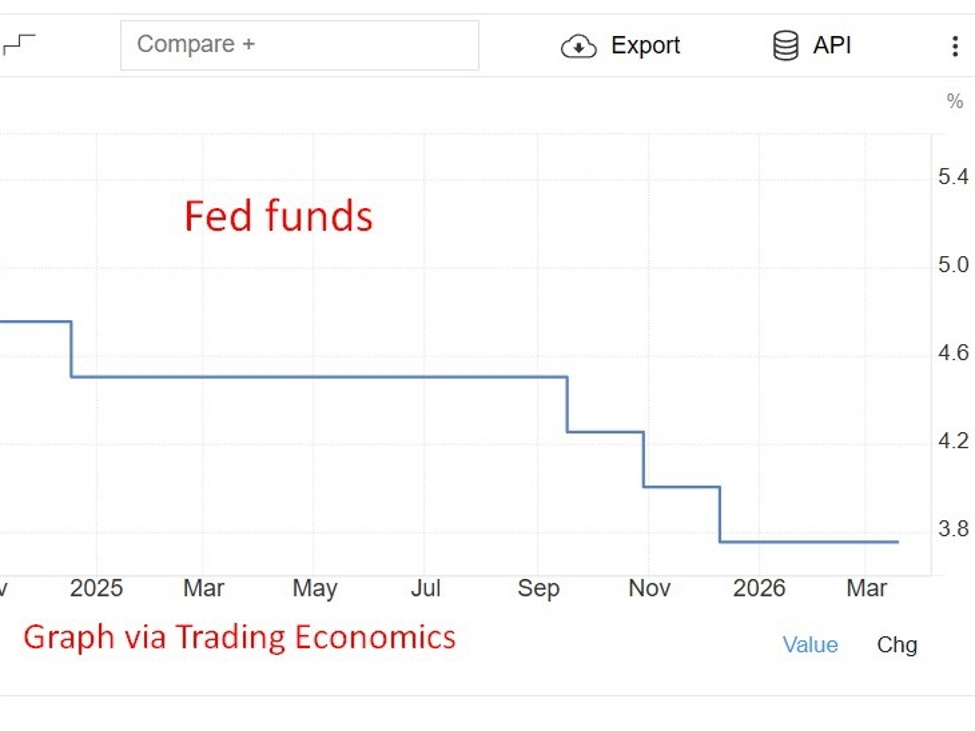
Morgan Stanley delays Fed cuts as oil and inflation risks complicate outlook.Summary:Morgan Stanley delays Fed rate cut outlook to September and DecemberPrevious forecast was June and September easingFed seen as more cautious following latest policy meetingPowell signals need for clearer progress on inflationRising oil prices complicating disinflation processGeopolitical risks adding uncertainty to policy outlookFed stance described as balanced but patientMarkets may face volatility from repricing rate expectationsRisk that cuts are delayed further or not deliveredGrowth slowdown may be required to trigger easingMorgan Stanley has pushed back its expectations for Federal Reserve rate cuts, now forecasting easing in September and December rather than the previously anticipated June and September timeline, as policymakers adopt a more cautious stance amid persistent inflation risks.The revision follows the latest Federal Open Market Committee meeting, where Chair Jerome Powell signalled that further progress on inflation is required before the Fed can begin easing policy. The bank said the tone of the meeting suggested a central bank that remains patient and data-dependent, with policymakers unwilling to move prematurely.A key complicating factor is the recent surge in oil prices linked to escalating geopolitical tensions in the Middle East. Higher energy costs are feeding into inflation expectations and risk slowing the pace of disinflation, making it more difficult for the Fed to gain confidence that price pressures are sustainably returning to target.Morgan Stanley characterised the Fed’s current stance as broadly balanced, with policymakers weighing still-elevated inflation against signs of moderating growth. However, the bank warned that the path to easing is becoming increasingly uncertain, particularly if external shocks—such as energy-driven inflation—persist.From a market perspective, the delay in expected rate cuts could contribute to near-term volatility, as investors adjust to a higher-for-longer policy environment. Expectations for monetary easing have been a key support for risk assets, and any repricing of the rate path could weigh on equities and other interest-rate-sensitive sectors.The bank also highlighted the risk that rate cuts could be pushed back further—or potentially not materialise at all—unless there is a more pronounced slowdown in economic activity. In that scenario, the Fed may prioritise inflation control over growth support for longer than markets currently anticipate.More broadly, the shift underscores how geopolitical developments are feeding into monetary policy expectations. Energy-driven inflation pressures are tightening financial conditions and complicating central bank decision-making, reinforcing the link between commodity shocks and global macro pricing.
This article was written by Eamonn Sheridan at investinglive.com.
💡 DMK Insight
Morgan Stanley’s delay in Fed rate cuts signals a more cautious approach, and here’s why that matters: With the Fed now looking at potential cuts in September and December instead of mid-2024, traders need to recalibrate their expectations. Rising oil prices are a significant factor here, complicating the disinflation narrative and potentially keeping inflation stubbornly high. This shift could impact interest-sensitive assets, particularly in the forex market where currencies like the USD might strengthen against others as traders price in a longer wait for easing. Look for volatility in commodities as geopolitical risks continue to add pressure, especially if oil prices spike further. The real story is how this cautious stance could ripple through the markets. If inflation remains elevated, we could see a divergence in monetary policy across central banks, affecting currency pairs like EUR/USD and GBP/USD. Traders should keep an eye on key economic indicators, particularly inflation data and oil prices, as these will be critical in shaping market sentiment leading up to the Fed’s next meetings. Watch for any breakout or reversal patterns in these correlated assets as the situation develops.
📮 Takeaway
Monitor inflation data and oil prices closely; any unexpected spikes could delay Fed cuts further, impacting USD strength and forex volatility.