Bitcoin
  Ethereum
  Tether
  BNB
BNB  XRP
XRP  USDC
USDC  Solana
  TRON
TRON  Lido Staked Ether
  Figure Heloc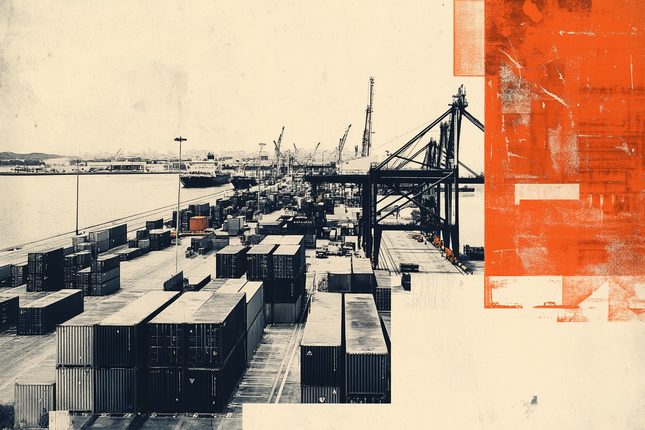
Middle East trade is experiencing significant growth, projected to increase by 15% compared to 9% globally from 2021 to 2024. Asia is expected to dominate this trade corridor, expanding from USD 0.9 trillion in 2024 to USD 1.5 trillion by 2030.
💡 DMK Insight
Middle East trade growth is outpacing global trends, and here’s why that matters for traders: With a projected 15% increase in trade from 2021 to 2024, compared to 9% globally, this shift indicates a robust demand for commodities and services in the region. Asia’s expected rise from USD 0.9 trillion to USD 1.5 trillion by 2030 suggests a significant influx of capital and resources, which could impact forex pairs tied to Middle Eastern currencies. Traders should keep an eye on currency fluctuations, especially in oil-related assets, as increased trade often correlates with higher oil prices, affecting USD and other currencies tied to energy markets. But don’t overlook potential risks. Rapid growth can lead to volatility, especially if geopolitical tensions arise or if supply chain issues emerge. Watch for key economic indicators from both the Middle East and Asia, such as trade balance figures and GDP growth rates, which could signal shifts in market sentiment. For immediate action, monitor the USD/Middle Eastern currency pairs closely, as they may react sharply to any news related to trade agreements or economic forecasts.
📮 Takeaway
Watch the USD/Middle Eastern currency pairs closely; increased trade could lead to volatility, especially if geopolitical tensions rise.