Bitcoin
  Ethereum
  Tether
  BNB
BNB  XRP
XRP  USDC
USDC  Solana
  TRON
TRON  Lido Staked Ether
  Figure Heloc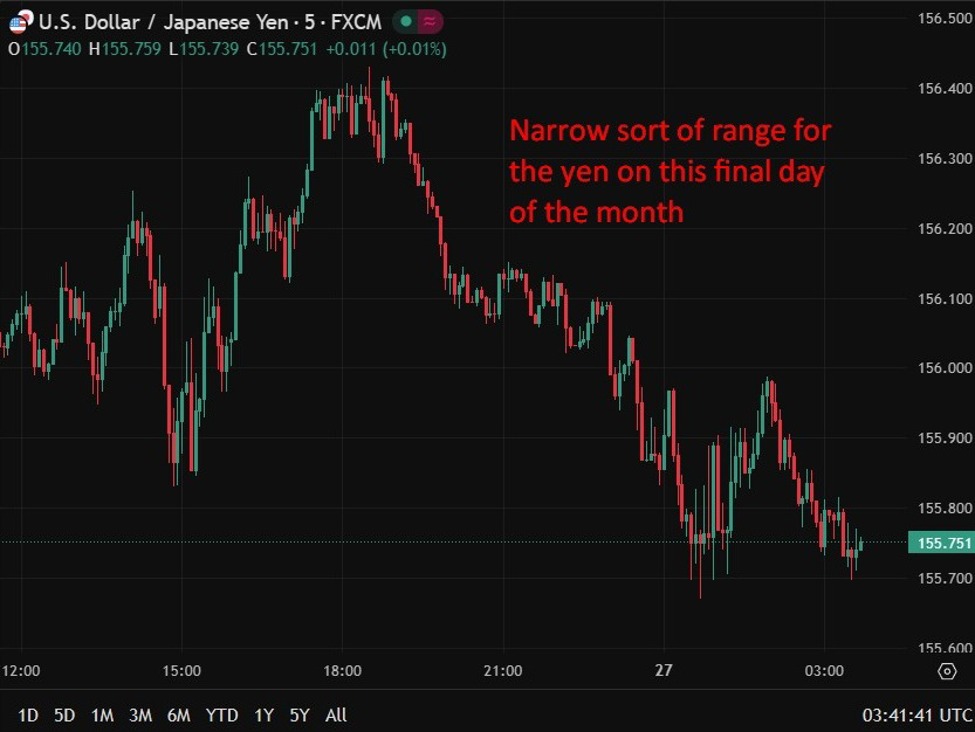
Summary:Finance Minister Satsuki Katayama said Japan is watching the yen’s slide “with a strong sense of urgency” and is in close communication with the US. The warning lands as PM Sanae Takaichi pushes a more expansionary fiscal stance that markets see as yen-negative at the margin. Takaichi has also nominated two dovish-leaning BOJ board candidates, prompting fresh concern about policy direction and BOJ independence. On the other side, BOJ hawk Hajime Takata renewed his call for gradual rate hikes amid “inflation overshoot” risks. Tokyo CPI cooled but the key underlying gauge firmed, broadly consistent with BOJ’s “temporary slowdown” narrative. Japan’s Finance Minister Satsuki Katayama signalled heightened vigilance over the yen on Friday, telling parliament the government is monitoring the currency’s recent slide “with a strong sense of urgency” and maintaining extremely close communication with the United States. The comments underscore officials’ sensitivity to yen weakness as a cost-of-living issue, particularly via import prices, at a time when politics, fiscal policy and central-bank messaging are pulling in different directions.The political backdrop is doing the yen no favours. Prime Minister Sanae Takaichi, fresh off a strong election mandate, has pitched a shift away from fiscal austerity, including multi-year investment plans and tax-relief proposals aimed at lifting growth. While framed as pro-growth, the agenda has revived concerns about Japan’s already heavy debt load, and, by extension, higher term premia and a weaker currency if investors demand more compensation to hold JGBs. Monetary policy has become the other flashpoint. Takaichi has been reported as wary of additional BOJ rate hikes, and her government’s nomination of two likely dovish-leaning academics to the BOJ policy board was read by markets as an attempt to tilt the debate toward a slower normalisation path. The yen weakened on the news. Yet the BOJ’s internal messaging remains split rather than uniformly dovish. Board member Hajime Takata, widely seen as one of the most hawkish voices, reiterated that policymakers should stay alert to inflation overshoot risks and continue gradual hikes. Meanwhile, Tokyo’s February inflation data delivered a mixed signal: core inflation (ex fresh food) slipped to 1.8% but the “core-core” gauge (ex fresh food and energy) ticked up to 2.5%, broadly consistent with the BOJ’s view that any slowdown is temporary due to subsidies and base effects. The upshot for markets is a familiar tension: officials talk tougher on FX as the yen weakens, while domestic politics leans toward easier financial conditions and the BOJ debates how quickly to tighten. That combination keeps intervention rhetoric alive, but also keeps the yen sensitive to swings in US yields and shifting expectations around the next BOJ move.
This article was written by Eamonn Sheridan at investinglive.com.
💡 DMK Insight
Japan’s yen slide is raising alarms, and here’s why you should care: Finance Minister Satsuki Katayama’s comments signal a potential intervention as the yen weakens, which could lead to volatility in forex markets. With PM Sanae Takaichi advocating for an expansionary fiscal policy, traders should brace for further yen depreciation. This could impact USD/JPY trading strategies, especially if the pair breaks above key resistance levels. If the yen continues to slide, expect increased activity from both retail and institutional traders, possibly triggering stop-loss orders and cascading effects across related assets like Japanese equities. Keep an eye on the 150 level for USD/JPY, as a breach could accelerate selling pressure on the yen. On the flip side, if Japan’s government takes decisive action to stabilize the yen, it could lead to a sharp reversal, catching many off guard. The real story is whether the government will act before the yen hits critical lows, and how that will affect broader market sentiment. Watch for any announcements from the Bank of Japan or fiscal measures that could shift the current trend.
📮 Takeaway
Monitor USD/JPY closely, especially around the 150 level, as potential government intervention could create significant trading opportunities.